

A $20,000 shoot that delivers three usable posts is a textbook example of marketing content budget waste. While the production quality may be high, the return almost never justifies the spend. Unfortunately, this scenario is far more common than most teams want to admit.
In reality, the issue isn’t execution — it’s structure.
How Marketing Content Budget Waste Happens
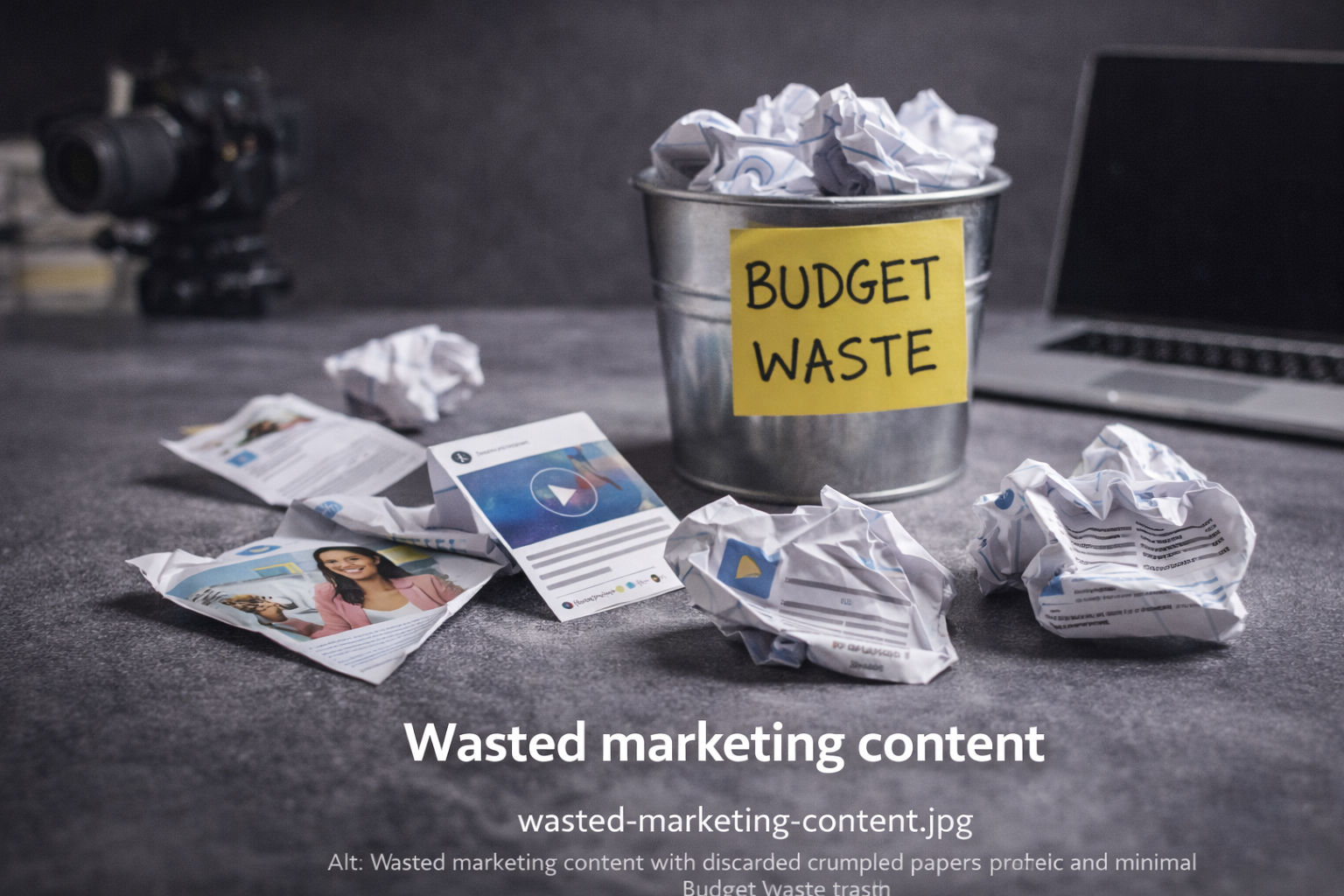
Marketing content budget waste often begins with good intentions. Teams approve a large shoot believing it will “cover content for a while.” However, without a system for reuse, distribution, and iteration, that content expires quickly.
As a result, content creation costs increase while usable output remains limited. When new needs arise, teams repeat the same process — and the same mistakes.
The Real Problem With One-Off Content Shoots
One-off content shoots are designed around a single campaign instead of long-term value. Consequently, planning, crew, locations, and post-production are paid for repeatedly.
Although each shoot feels justified on its own, together they quietly erode the marketing budget. Over time, marketing content budget waste becomes unavoidable.
Why High Production Value Doesn’t Equal High ROI
High-end visuals don’t automatically lead to efficiency. In fact, expensive shoots often increase content creation costs without improving flexibility.
Because assets aren’t designed for reuse, teams struggle to adapt them for new channels, formats, or campaigns. Eventually, more budget is spent filling gaps that shouldn’t exist in the first place.
Recurring Content Production Solves The Budget Problem
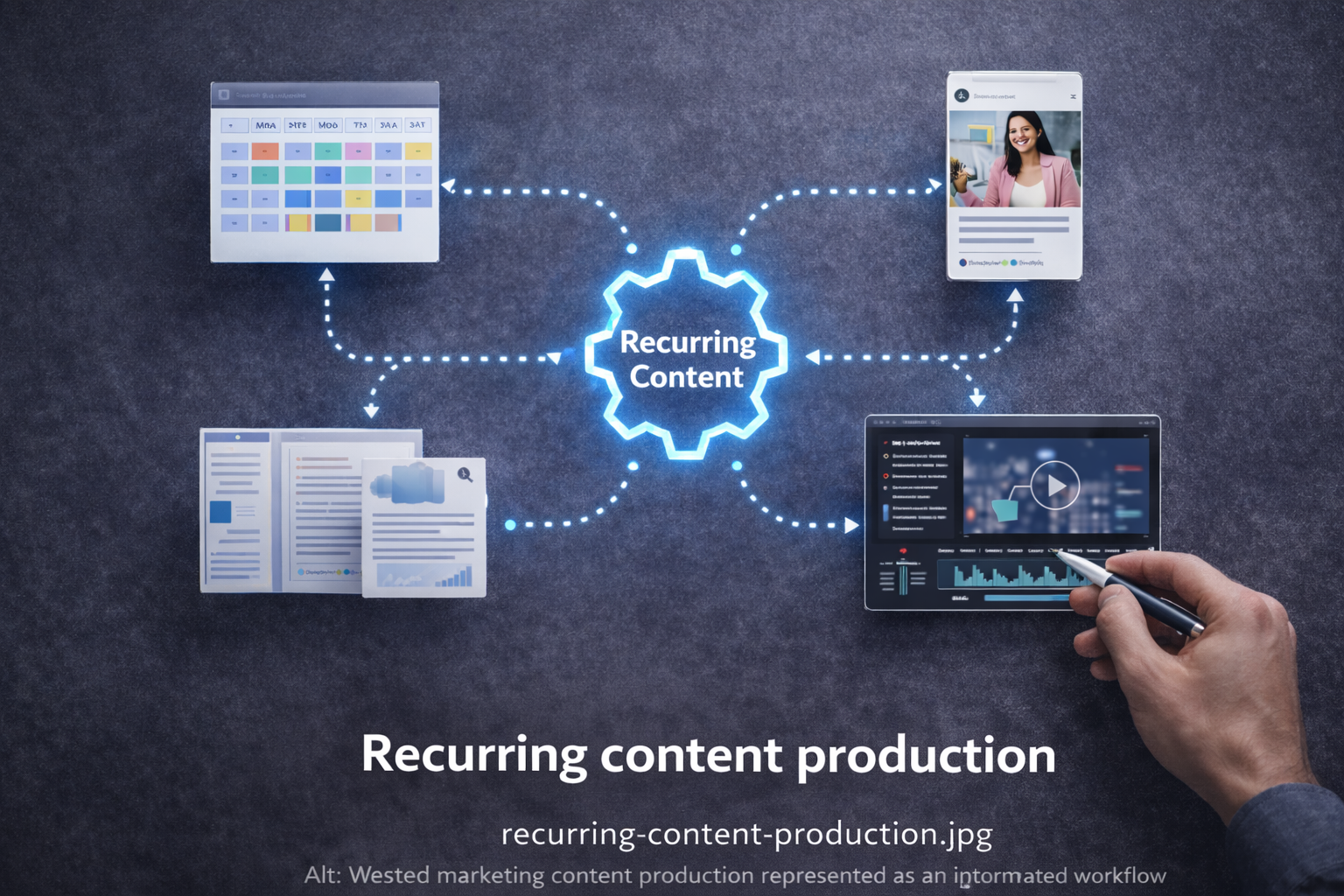
Recurring content production replaces spikes in spend with consistency. Instead of betting everything on one shoot, brands plan ongoing output aligned to real marketing needs.
As a result, each production cycle delivers more assets, more formats, and more longevity — while steadily reducing content creation costs.
From Waste To A Scalable Content Strategy
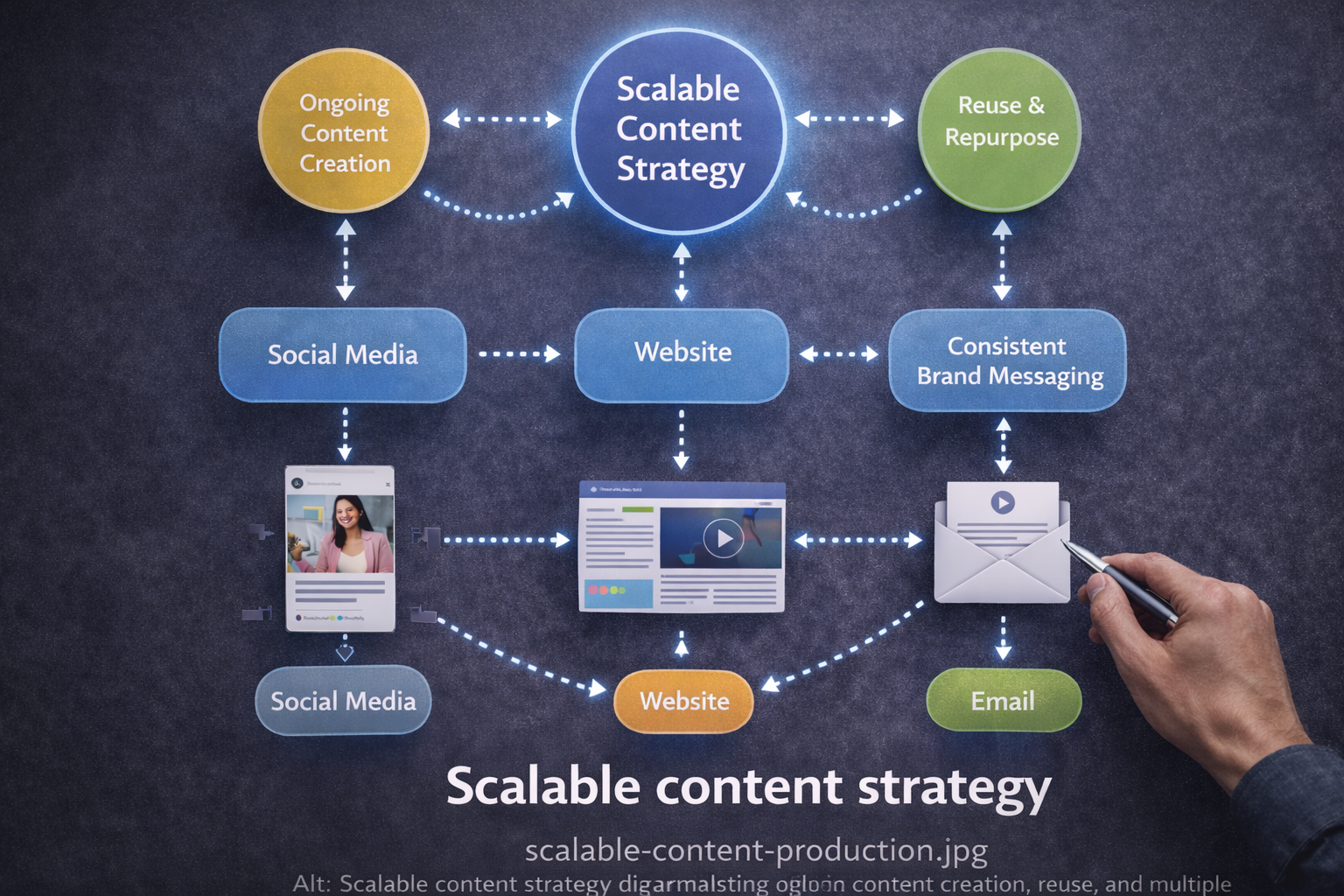
A scalable content strategy ensures every shoot supports multiple channels and timelines. Rather than starting from scratch each time, teams build systems that compound value.
When content is created with reuse in mind, marketing content budget waste drops dramatically.
How to build a scalable content strategy →
Where Marketing Budgets Actually Win
Budgets perform best when content is planned as an ecosystem, not an event. With recurring content production, brands stop reacting and start compounding results.
Ultimately, fewer shoots deliver more usable assets — without increasing spend.
Final Thoughts
If a $20k shoot only gave you three posts, the issue wasn’t the budget — it was the approach.
By eliminating marketing content budget waste and moving away from one-off content shoots, brands regain control, lower content creation costs, and finally unlock a truly scalable content strategy.
Recommended Next Reads
- The Real Cost of One-Off Shoots (Calculator or Breakdown)
- Why One-Off Content Shoot Feels Productive But Deliver Almost Nothing
- What Happens When You Are Planning Photography Like Media Buys
- Why One-Off Shoots Are the Most Expensive Way To Create Content