
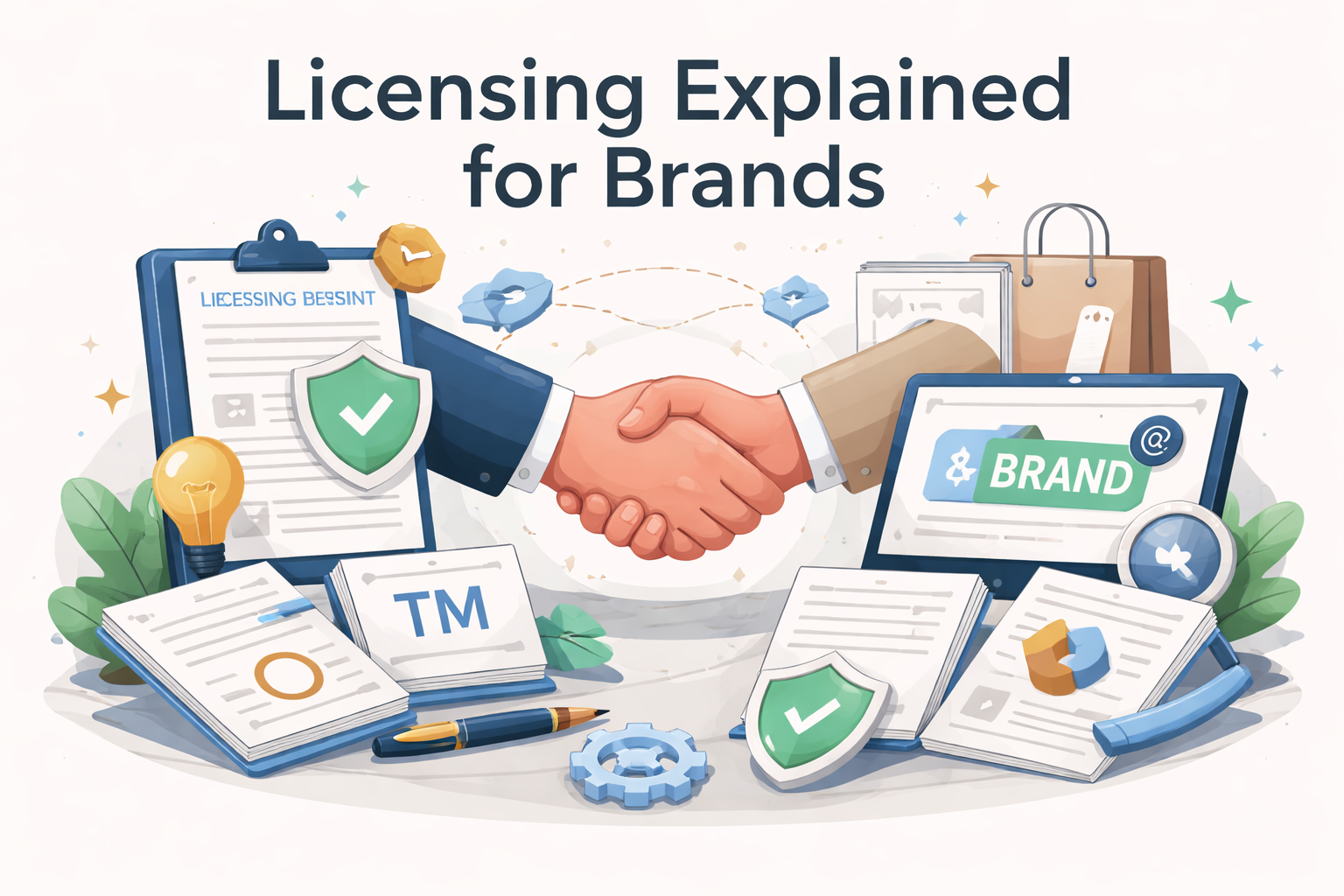
Understanding licensing explained for brands is no longer optional. Today, brands collaborate across content, products, media, and technology—yet many teams still misunderstand how licensing works. As a result, even well-intentioned marketing campaigns can create avoidable legal exposure. Therefore, this guide breaks licensing
down into practical, marketing-friendly terms so you can build trust, protect value, and scale partnerships with confidence.
What licensing means for brands without the legal jargon
At its core, licensing is permission: one party grants another party the legal right to use specific intellectual property (IP) under defined terms. However, licensing explained for brands goes beyond contracts. It affects campaign timelines, creative approvals, product launches, and how your brand is represented in-market.
Consequently, licensing should be treated as a marketing operation, not just a legal checkbox.
Licensing can apply to many brand assets, including:
- Trademarks and logos
- Creative assets (images, music, video, typography)
- Product designs, patents, and packaging concepts
- Digital content, templates, and software elements
In other words, licensing clarifies who can use what, where, for how long, and under what conditions. When those details are missing, execution becomes risky. That’s why a reliable brand licensing strategy keeps marketing teams moving quickly while still staying compliant.
Why a brand licensing strategy is a real growth lever
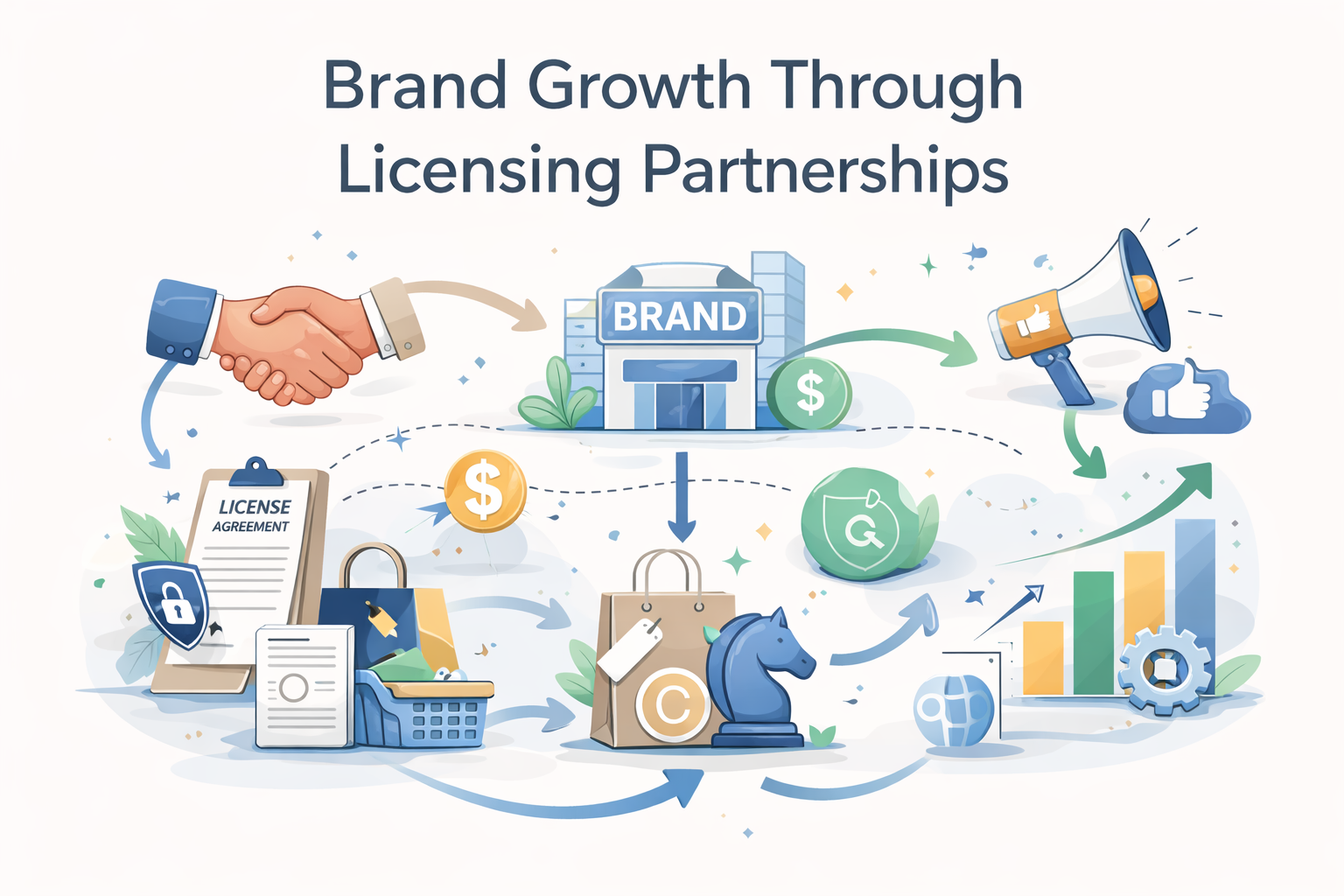
A thoughtful brand licensing strategy can expand your brand into new channels, regions, or product categories without building everything from scratch. Moreover, licensing allows you to monetize your brand’s equity—while still maintaining clear quality standards. However, growth only works when the agreement is structured
and measurable.
For example, a brand licensing strategy can support:
- Co-branded product lines
- Retail collaborations and limited drops
- Media, entertainment, and influencer partnerships
- Software integrations and template marketplaces
Additionally, licensing prevents misunderstandings by documenting exactly how your IP can be used. Therefore, marketing, legal, and product teams can align early—rather than firefighting later. This is a key reason licensing explained for brands should be part of onboarding and campaign planning.
Intellectual property licensing: what brands must protect
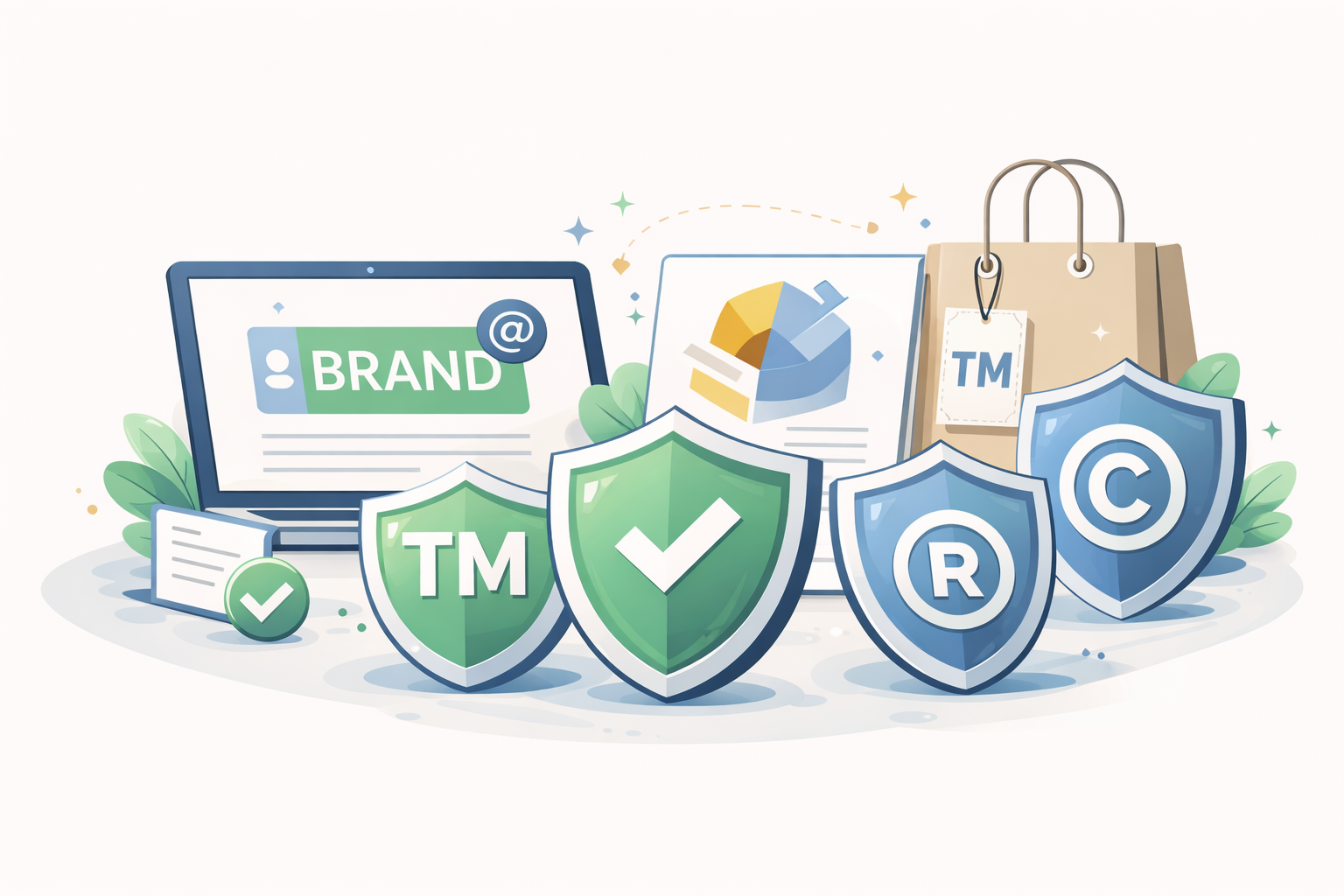
Intellectual property licensing protects what makes your brand recognizable and valuable. Yet many marketing teams focus on speed and distribution while overlooking ownership and permitted use. As a result, brands sometimes pay twice: first for the asset, and then again for the rights they assumed were included.
To clarify, intellectual property licensing can cover:
- Trademarks (names, slogans, brand identifiers)
- Copyrighted materials (photos, videos, copy, illustrations)
- Designs and patents (product features and unique functional elements)
- Trade dress (distinct packaging or visual identity in certain contexts)
Therefore, the safest approach is to document what you own, what you license from others, and what you license to partners. When you manage IP proactively, licensing explained for brands becomes a trust signal: partners know you’re organized, consistent, and serious about protecting brand value.
Commercial licensing agreements: what must be included
Strong commercial licensing agreements reduce uncertainty. In contrast, vague agreements increase the likelihood of misuse, disputes, or forced takedowns. Consequently, your licensing terms must match how assets will be used in real marketing workflows.
At minimum, commercial licensing agreements should define:
- Scope of use: what assets can be used and in what formats
- Channels: web, social, paid ads, retail, packaging, broadcast, etc.
- Duration: start date, end date, renewal and extension terms
- Geography: countries or regions where usage is allowed
- Exclusivity: exclusive vs. non-exclusive rights
- Approvals: creative review, brand guidelines, quality thresholds
- Reporting: sales reporting, audit rights, performance metrics (if relevant)
- Termination: what happens if terms are breached and how to unwind usage
Additionally, align contract language with campaign realities. For example, if your media plan includes paid usage, that should be explicitly permitted. Otherwise, you can end up in breach even if your intent was harmless. This is precisely why licensing explained for brands must connect legal definitions with day-to-day
marketing execution.
Licensing risks for brands and how to avoid them
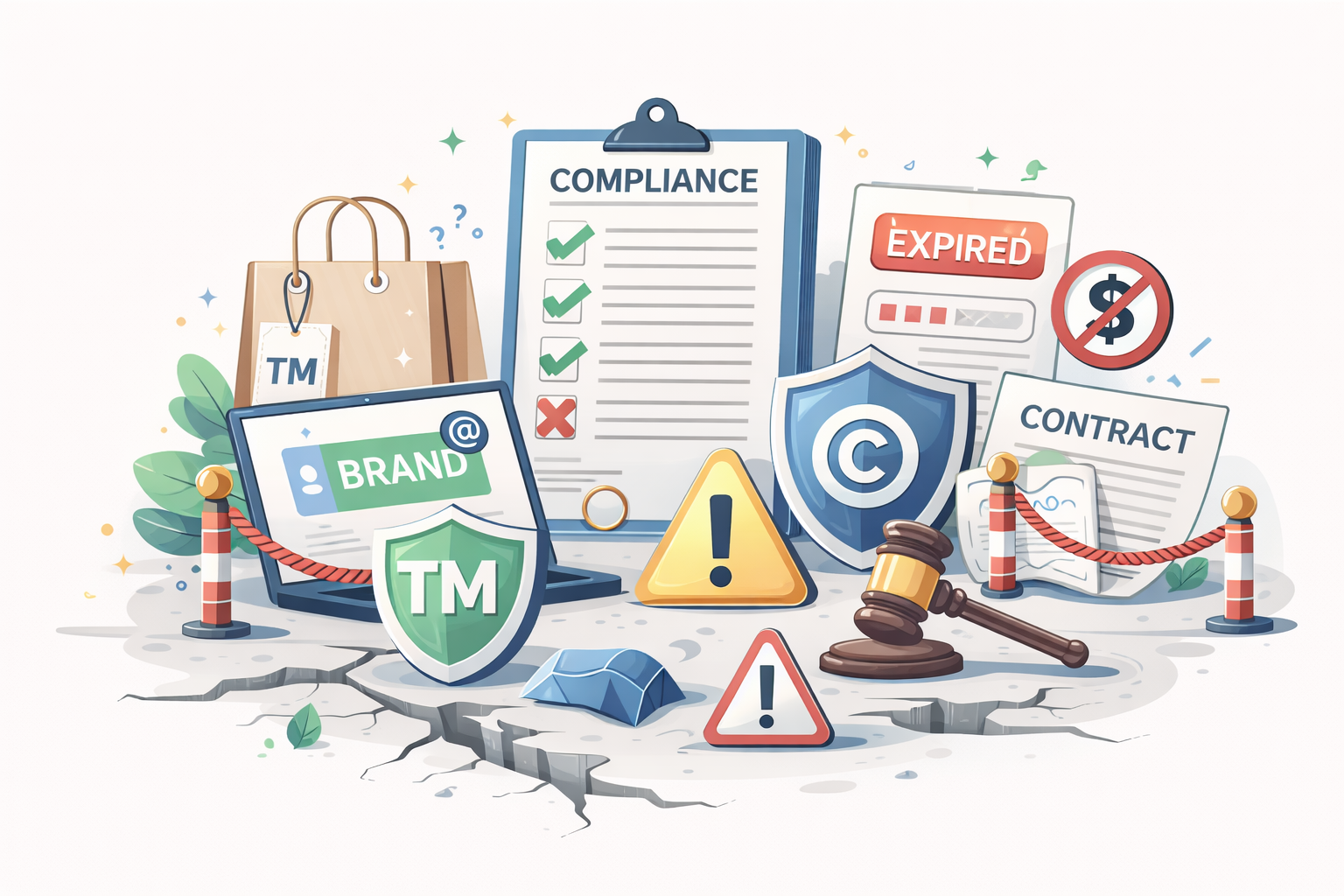
The biggest licensing risks for brands rarely come from malicious intent. Instead, they usually come from assumptions—especially when assets move quickly between agencies, creators, and internal teams. Consequently, brands should treat licensing as an operational system, not a one-time approval.
Common licensing risks for brands include:
- Using assets beyond the agreed duration or territory
- Assuming “purchase” includes usage rights (it often doesn’t)
- Missing renewal deadlines and continuing distribution
- Repurposing licensed assets for new channels without permission
- Inconsistent partner compliance with brand standards
Therefore, reduce risk by establishing clear ownership records, documenting every license, and mapping terms to your marketing calendar. When done well, your brand licensing strategy supports speed and compliance—so campaigns launch on time and stay protected.
Best practices for licensing-savvy brand teams
Teams that operationalize licensing move faster because they spend less time re-checking terms at the last minute. Moreover, they build trust internally and externally because expectations are clear. Here are practical steps to embed licensing explained for brands into your workflow:
- Centralize documentation: keep licenses, rights, and restrictions in one searchable place.
- Educate marketing and creative teams: a short training reduces mistakes dramatically.
- Connect terms to channels: map usage rights to social, paid, web, packaging, and retail.
- Review before launch: check rights during QA—just like you check links and tracking.
- Create renewal reminders: proactively renew or replace assets before terms expire.
Additionally, ensure partners understand your usage rules. When you clarify expectations early, you prevent disagreements later. In turn, commercial licensing agreements become a helpful framework rather than a source of friction.
Final thoughts: licensing builds trust when done right
Ultimately, licensing explained for brands is about clarity, respect, and long-term value. Brands that take licensing seriously protect reputation, unlock scalable partnerships, and reduce operational stress. Likewise, partners prefer working with organizations that are consistent and well-documented.
If you want to grow responsibly, prioritize a clear brand licensing strategy, strengthen intellectual property licensing practices, and use commercial licensing agreements that reflect real marketing use cases. Finally, treat licensing risks for brands as preventable—because with the right system, they usually are.