
A fashion editorial shot list should protect essential coverage without turning the production into a rigid exercise. For Be Patient & Still My Love, three planning sheets defined 18 anticipated frames across full-length, three-quarter, medium and close-up compositions. During production, that framework supported four distinct styling chapters while preserving a cohesive visual story.
Project Overview
- Production: Fashion and beauty editorial
- Date: August 1, 2022
- Location: Florida, USA
- Planning: Three shot lists covering 18 anticipated frames
- Final selection: 18 edited photographs
- Visual chapters: Four wardrobe and beauty directions
- Rights preparation: Signed model release secured
- Publication: Selected images published by The Prestige Magazine
The Creative Objective
The editorial needed to feel elegant, intimate and self-possessed rather than dependent on a single dramatic setup. Therefore, the visual direction combined structured fashion posing with quieter moments of reflection. A pale interior, sculptural seating, restrained props and carefully controlled lighting created continuity while the wardrobe moved from graphic contrast to softer color and beauty-led portraiture.
The practical challenge was variation. Eighteen photographs could easily become a sequence of minor pose changes. Instead, the team needed a progression of scale, perspective, expression and styling that would read as one story while giving each image a distinct purpose.


How the Fashion Editorial Shot List Structured Coverage
Each planning sheet specified six compositions. Together, they moved from wider fashion frames toward closer portraits. The documents also recorded camera height, vertical or horizontal orientation and a consistent two-light approach. As a result, the crew had a repeatable coverage logic rather than a disconnected list of poses.
| Coverage stage | Planned purpose | Editorial value |
|---|---|---|
| Full-length | Establish the wardrobe, pose and environment | Shows the complete styling story and spatial context |
| Three-quarter | Bring the viewer closer while retaining fashion detail | Balances clothing, gesture and expression |
| Medium | Increase emotional connection | Emphasizes posture, beauty and character |
| Close-up | Resolve each sequence with beauty-led detail | Highlights makeup, hair, accessories and expression |
This structure reflects the central principle behind an effective photography shot list template: the document should define necessary coverage while still leaving room for creative decisions on set.
Planned Structure, Controlled Adaptation
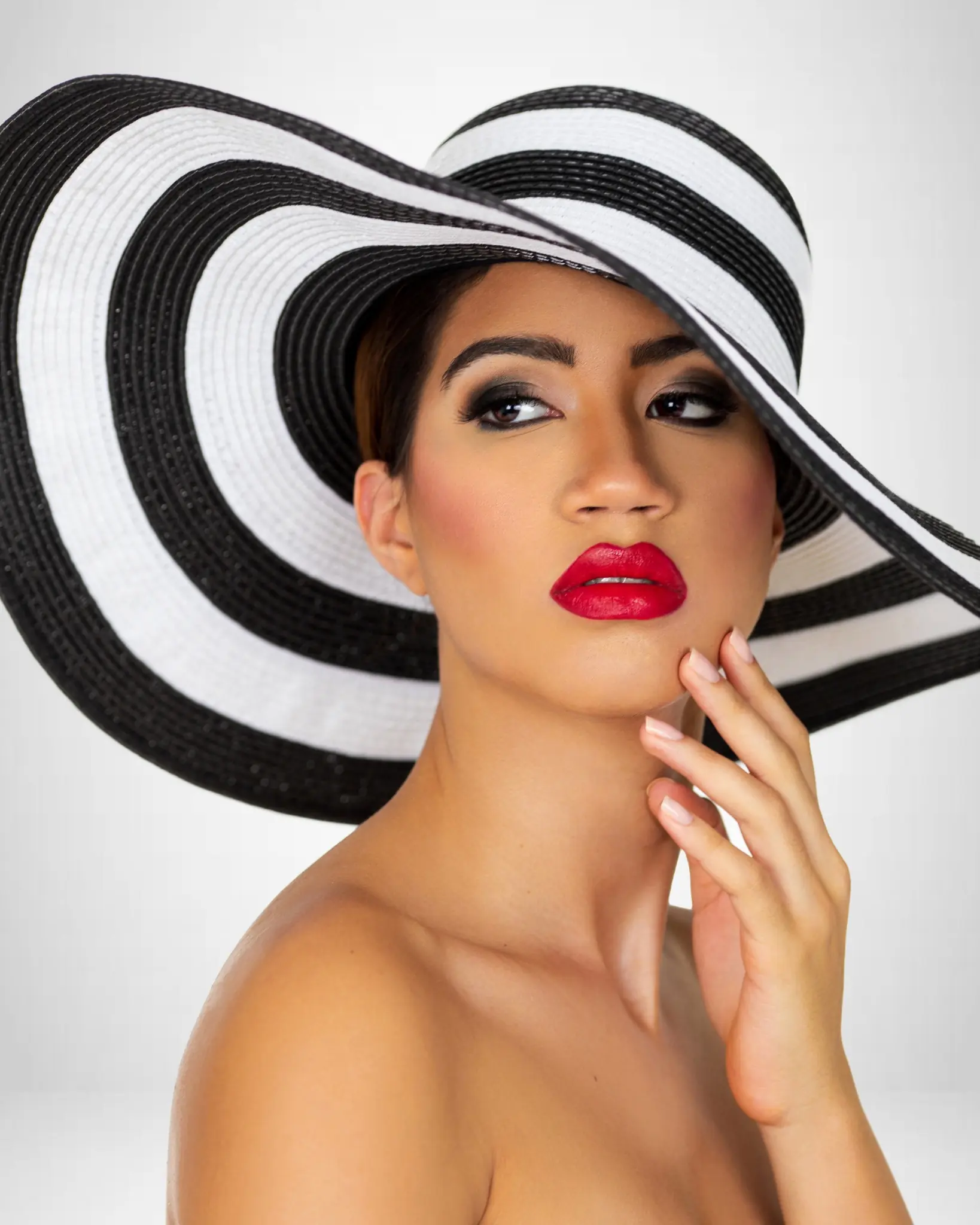
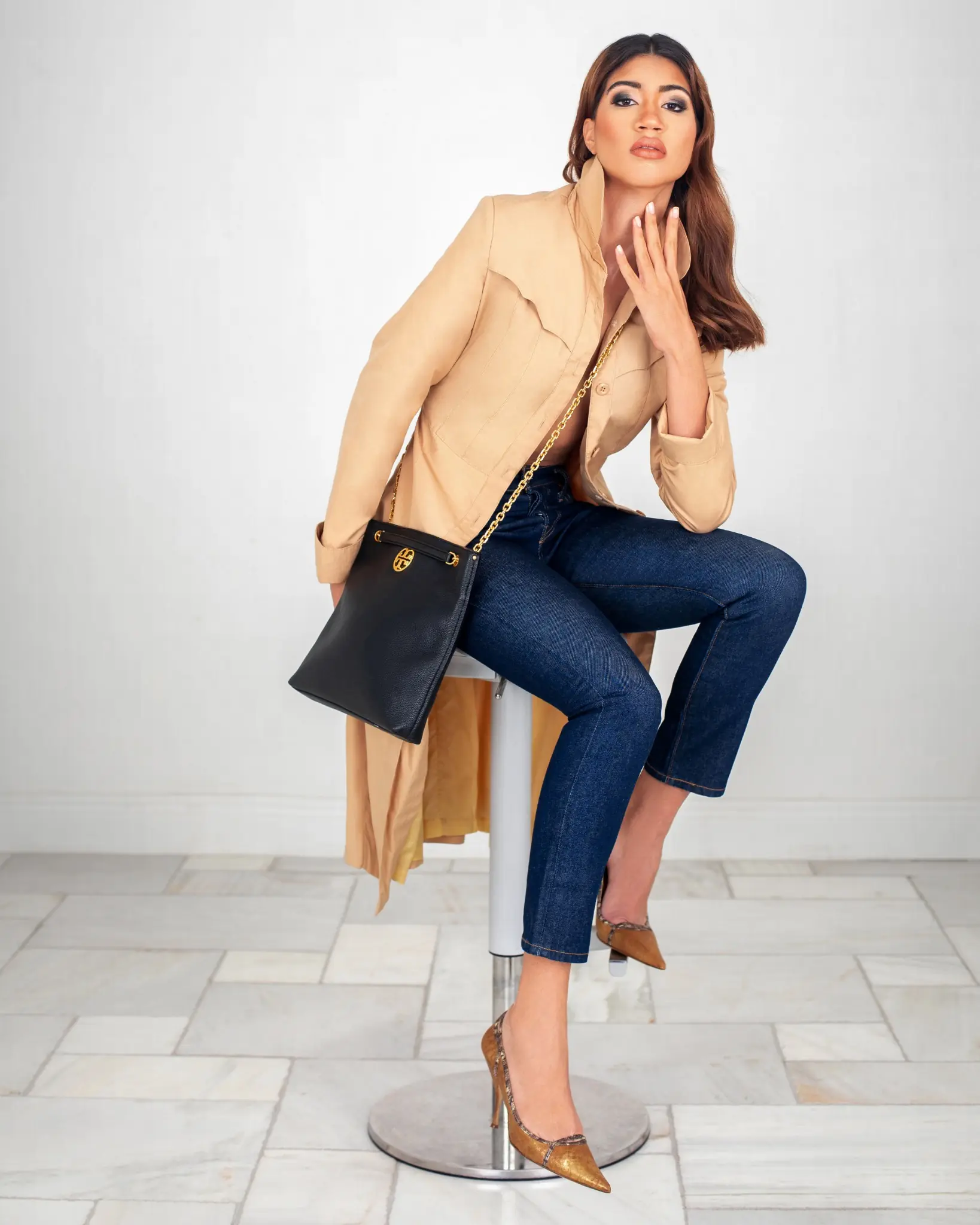
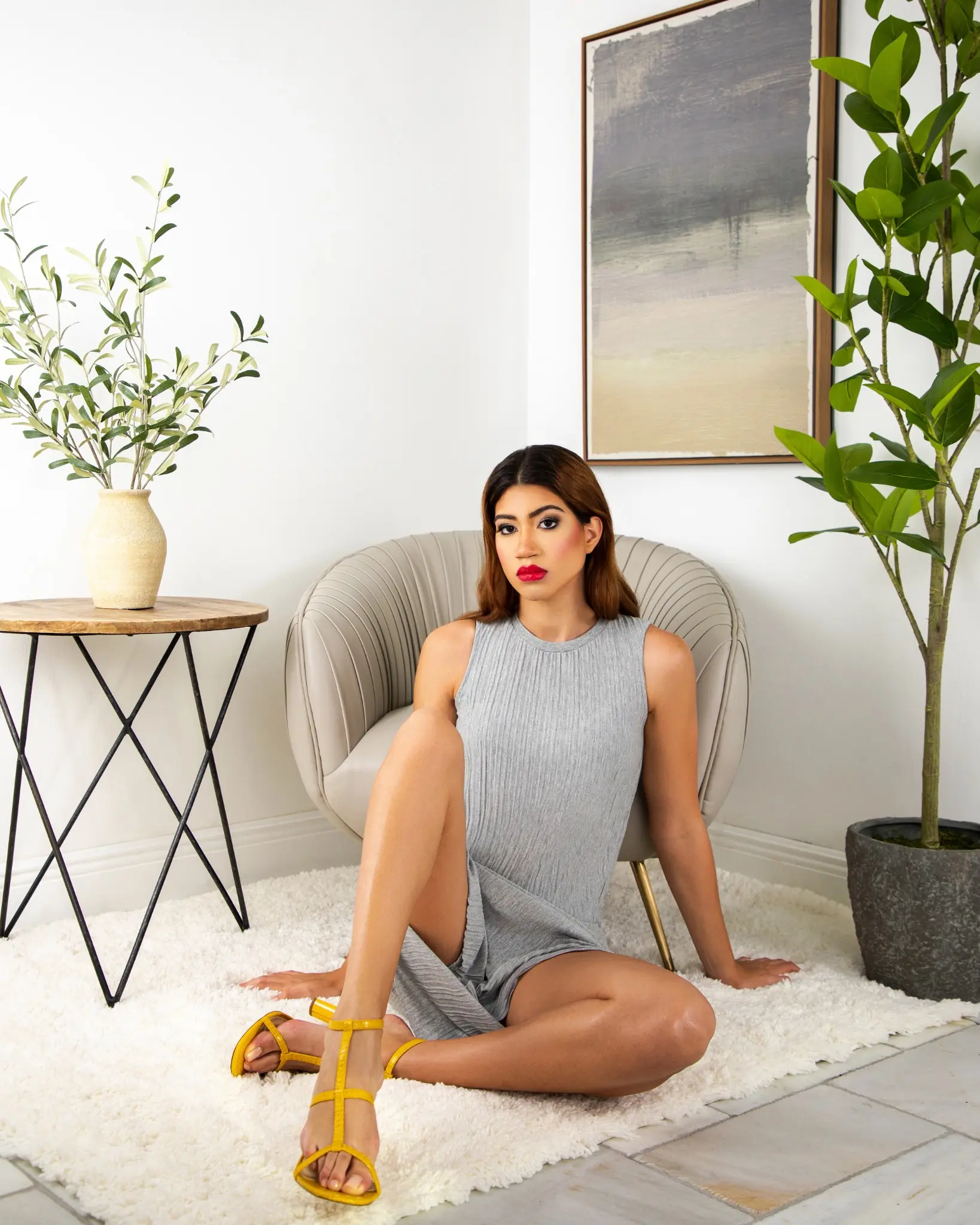
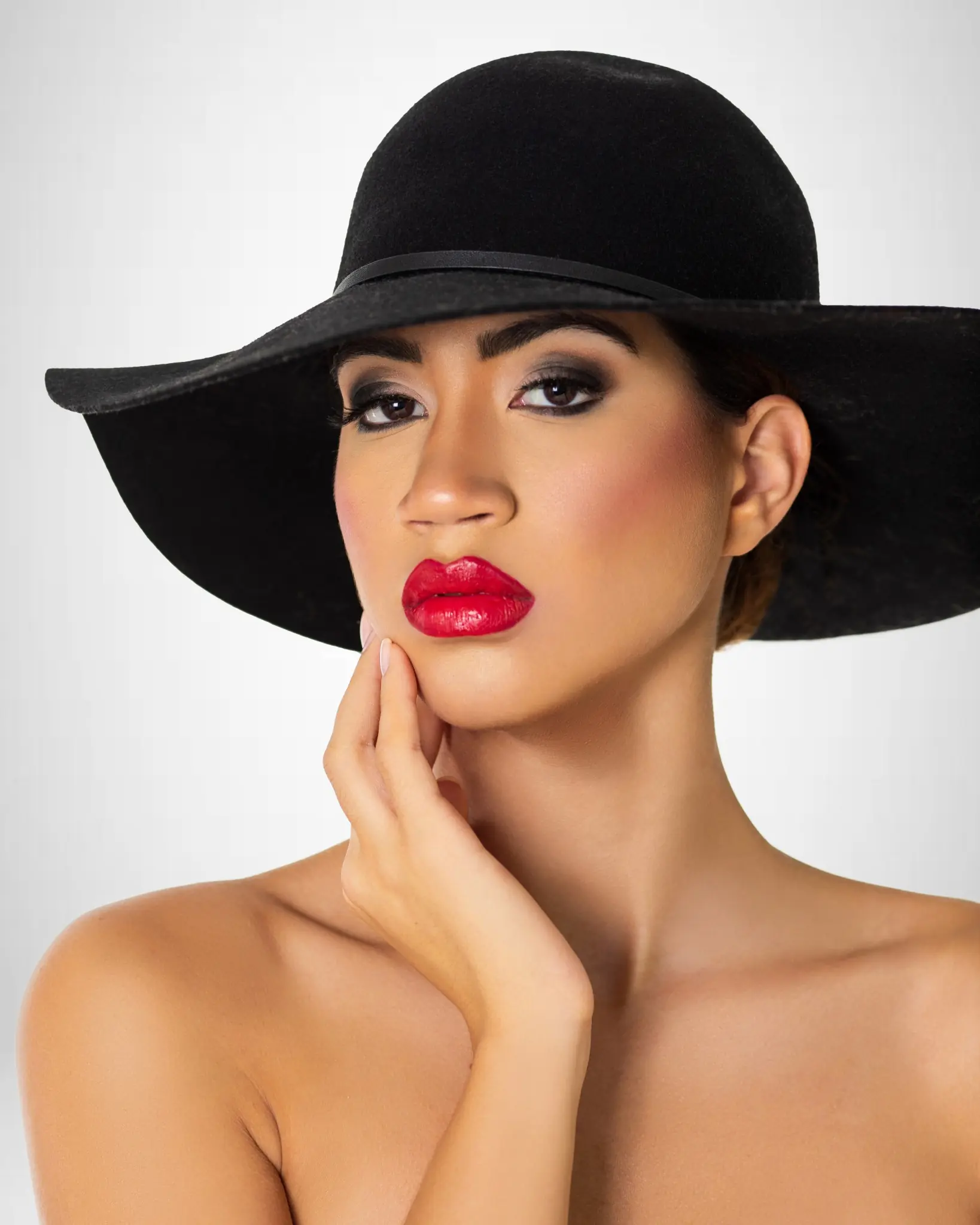
The shot lists contained three visual planning sequences. However, the finished editorial developed into four styling chapters: black and white tailoring, a white-and-lime lifestyle look, beige outerwear with denim, and a grey-and-gold story that transitioned into graphic hat portraits.
That difference is not a planning failure. Rather, it shows why a shot list should operate as a coverage framework instead of a rigid script. The team preserved the intended progression from wide frames to close portraits while adapting the wardrobe, props and model direction to what worked most effectively in front of the camera.
Building a Visual Progression
The final edit works because the looks do not compete for attention. Instead, they form a deliberate progression. The first frames use strong black-and-white contrast and direct seated poses. Next, the lime skirt introduces warmth and softness. The beige coat and denim add a tailored, contemporary transition. Finally, the grey dress and oversized hats move the story into a more beauty-focused conclusion.
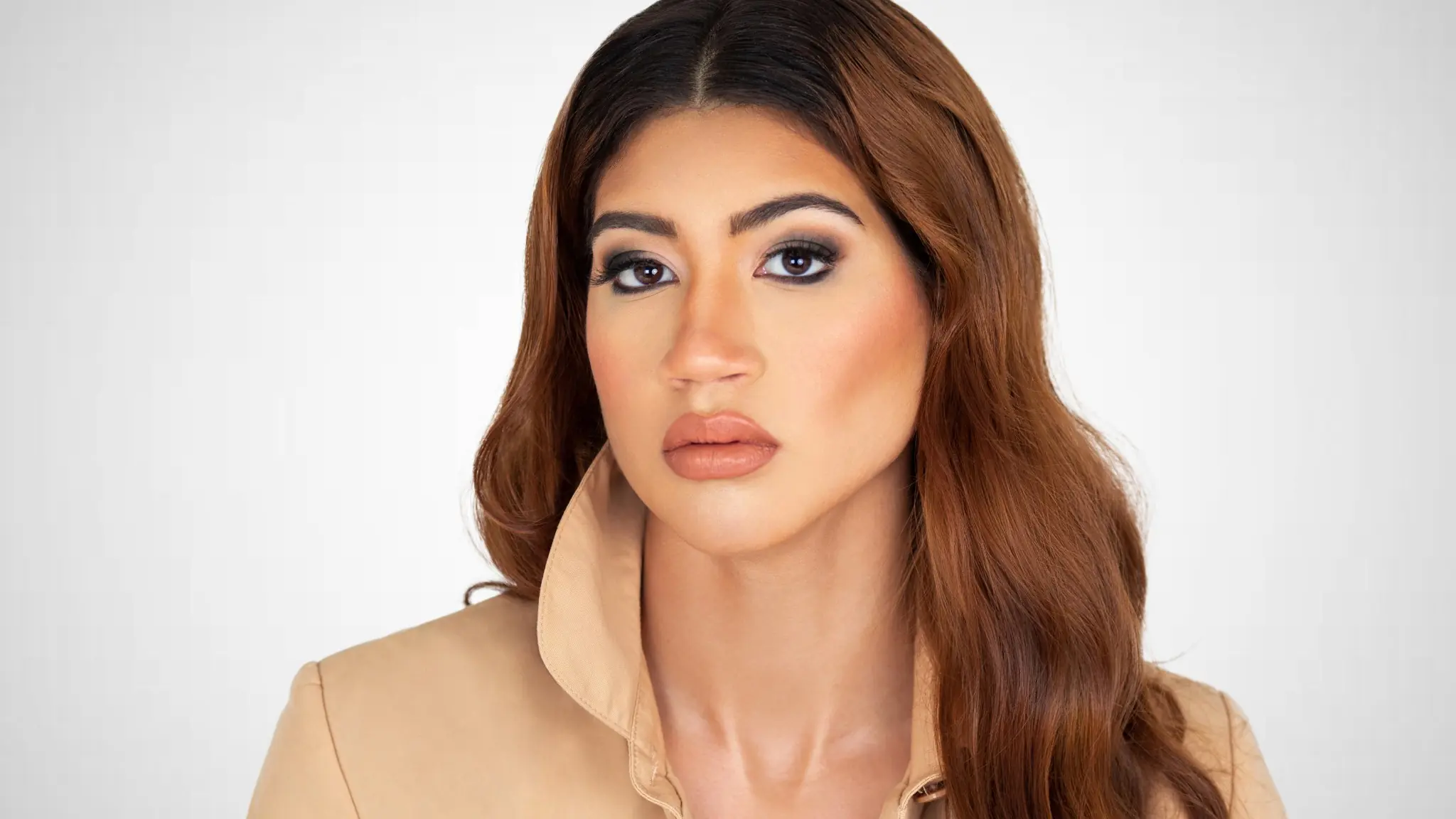
Camera distance supports the same progression. Wider frames establish body language and wardrobe. Medium portraits then concentrate attention on gesture. Close-ups finish the story through makeup, hair, expression and graphic accessories. Consequently, the sequence feels designed rather than assembled after the shoot.

The Outcome
The production delivered 18 finished photographs and a coherent editorial story built from four styling directions. Selected images were later published by The Prestige Magazine in Embracing Elegance: A Journey of Self-Love and Style.
The most useful result is not the image count alone. The shoot demonstrates how planning can protect visual variety without eliminating spontaneity. The shot lists established the required progression, while creative direction and on-set judgment determined how that structure should evolve.
What Brands and Creative Teams Can Take From This
- Plan coverage by visual role. Wide, medium and close frames should contribute different information.
- Separate structure from imitation. Reference images can guide mood, but the final work should respond to the actual talent, styling and set.
- Allow controlled adaptation. A useful shot list protects the deliverables while leaving space for stronger ideas discovered during production.
- Edit for progression. The final sequence should develop in color, scale and emotional intensity rather than repeat similar images.
- Secure releases before publication and licensing. Rights documentation is part of production readiness, not an administrative afterthought.
For a broader planning framework, read how to plan a fashion campaign shoot. You can also explore the Mangos Miami fashion campaign pre-production case study to see how mood-board direction and three shot lists supported a separate location-based production.
Creative Credits
- Photographer: Phil Halfmann
- Creative Director: Sophia Lenore
- Wardrobe Stylist: Sophia Lenore
- Hair Stylist: Sophia Lenore
- Makeup Artist: Aida Greenidge-Gopie
- Model: Sangella
Beauty products used on set: Charlotte Tilbury makeup, L’Oréal hair products and USLU Airlines nail products. These product references identify items used during production and do not imply sponsorship or endorsement.
Planning a Fashion or Beauty Production?
A strong shoot should create more than attractive individual photographs. It should establish the coverage, formats and visual consistency your campaign or content system needs before production begins.