
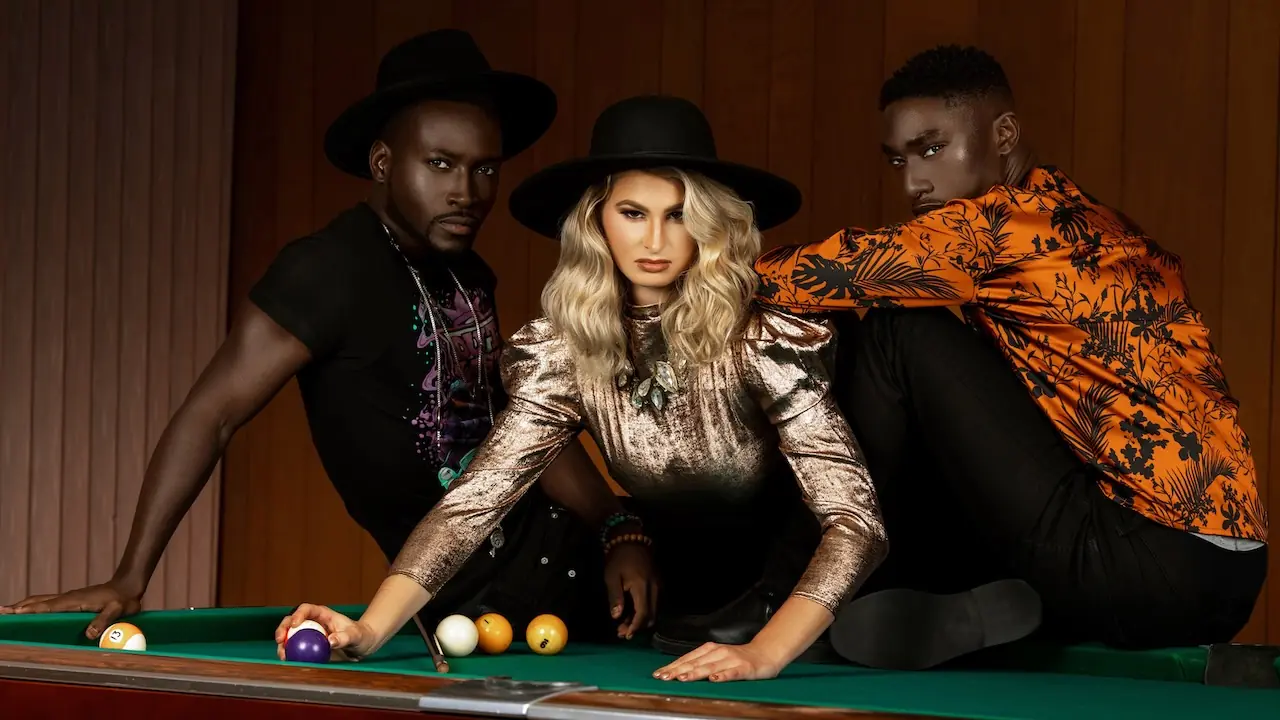
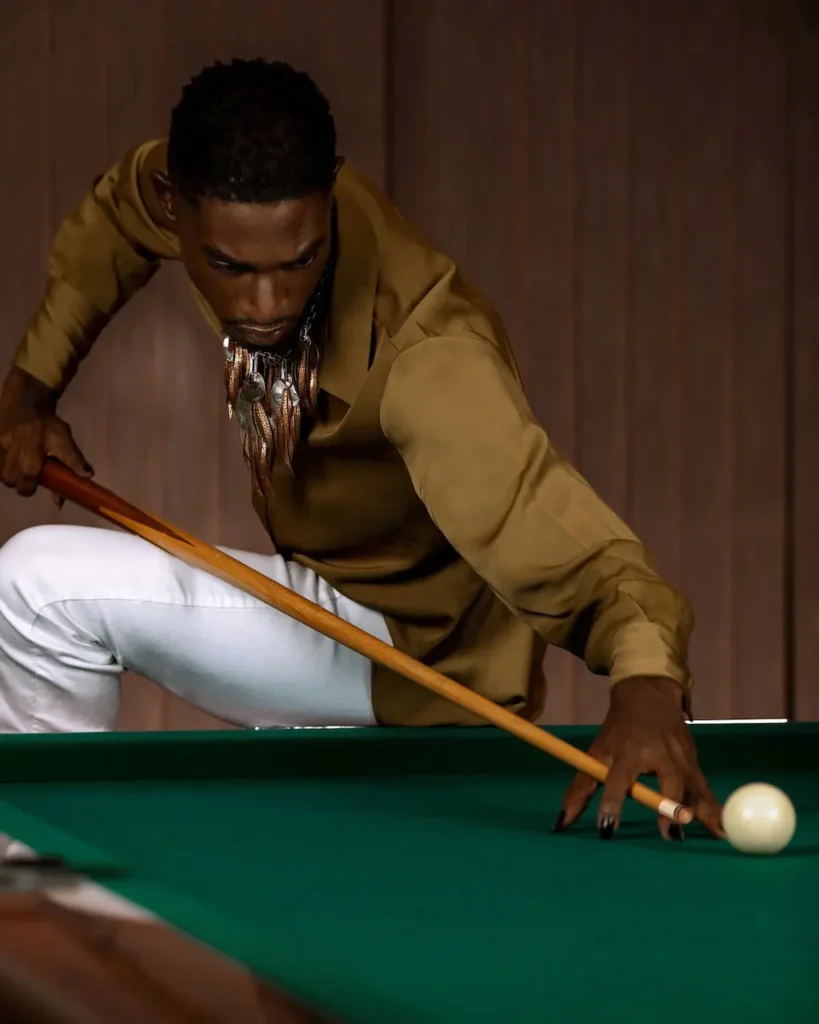
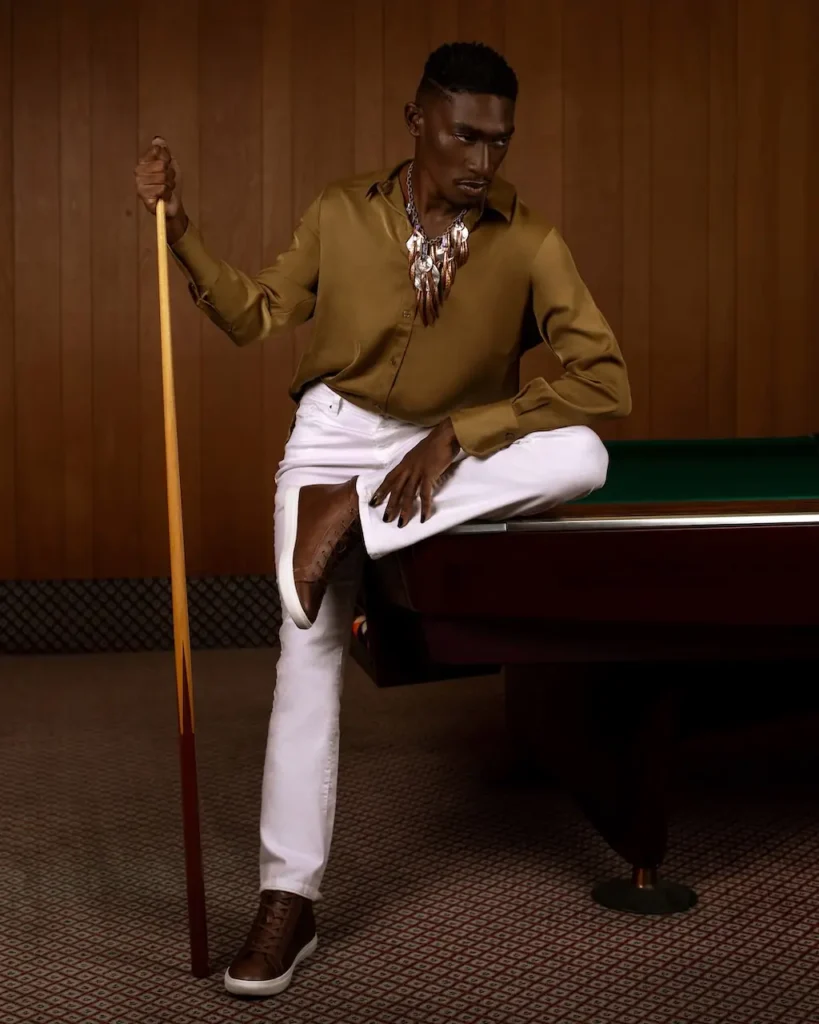
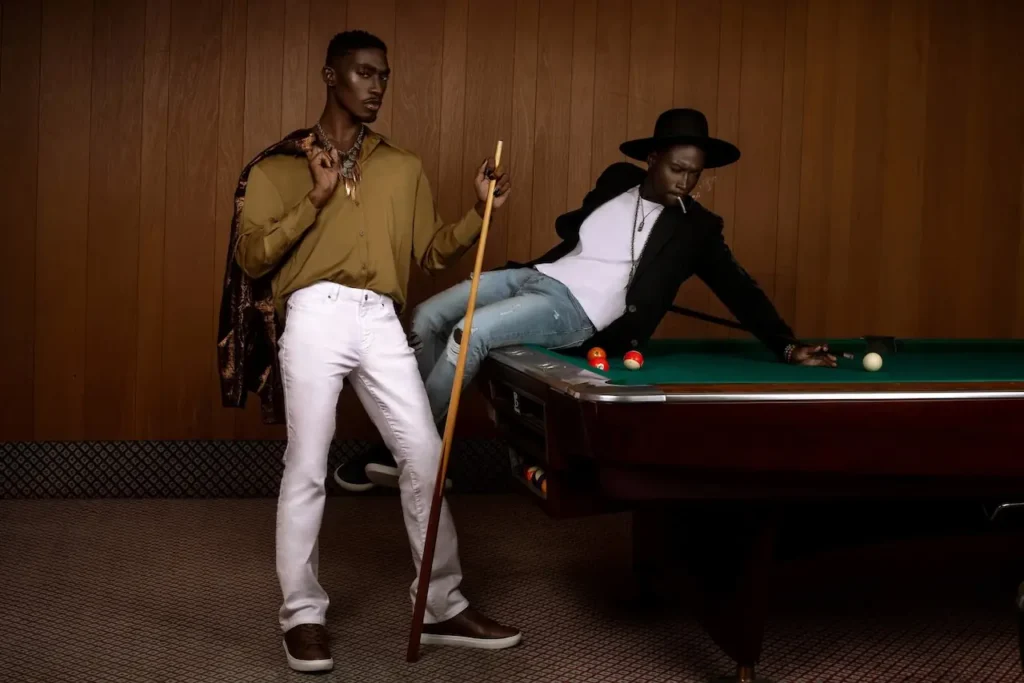
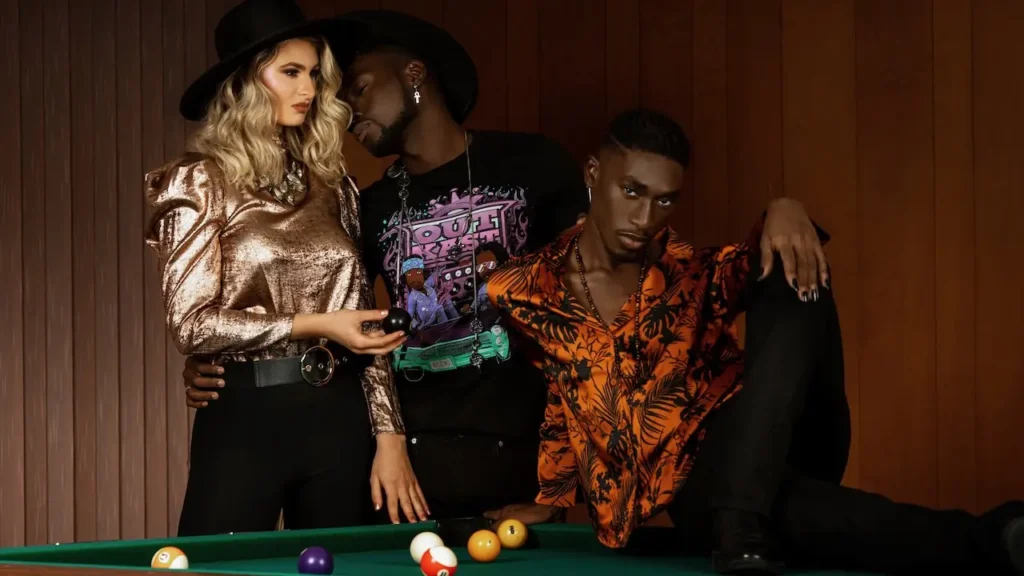
The objective was not simply to produce unrelated fashion photographs in an available location. The production needed a coherent visual world built around nightlife, confidence, fashion and Miami glamour. The pool table would function as more than a background. It would become the campaign’s stage, giving the cast a common environment for individual portraits, two-model interactions and full-group compositions.
This case study examines how planning shaped the work before the camera was raised, how the team used references without copying them and why the strongest shot list creates structure without eliminating creative flexibility.
Project at a Glance
| Project | Mangos Miami “Pool Rocker” |
|---|---|
| Category | Strategy & Planning |
| Primary planning tools | Pinterest mood board and three shot lists |
| Cast structure | Individual, two-model and three-model coverage |
| Finished photography | 32 selected and retouched photographs |
| Supporting content | Two behind-the-scenes video clips |
| Final presentation | 23-page campaign deck |
| Photography | Phil Halfmann |
| Creative direction | Sophia Lenore |
The Challenge: Turn an Atmosphere into an Executable Campaign
“Pool Rocker” began as an atmosphere: after-dark glamour, confident personalities, statement fashion and the visual language of billiards. However, a mood alone cannot tell a production team which frames must be completed, how many talent combinations are required or which orientations will make the final image library useful.
Without another layer of planning, the shoot could easily have produced several strong but disconnected photographs. The team therefore needed to translate the campaign concept into specific coverage while preserving enough room for the models and photographer to respond to the set.
This is the central purpose of creative direction for fashion campaigns: establish a clear visual system, then make each production decision serve it.
Fashion Campaign Pre-Production Began with a Visual Direction
The Pinterest mood board established the creative boundaries of the campaign. Its references connected fashion-led posing, billiards iconography, dramatic presence and nightlife energy. Consequently, the board gave the team a common visual vocabulary before anyone arrived on set.
The creative team used a shared Pinterest mood board to align the campaign’s posing, atmosphere and visual references before production.
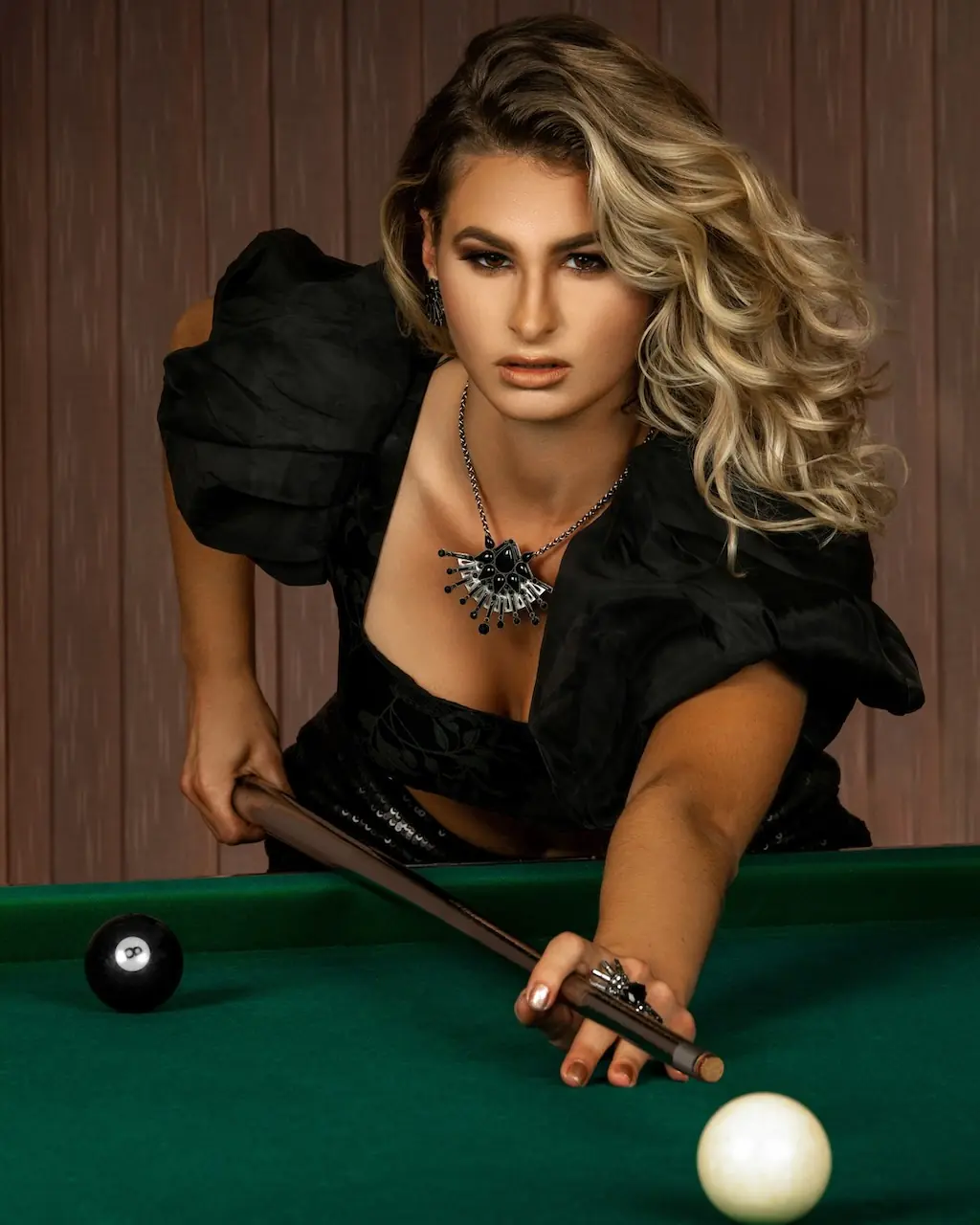
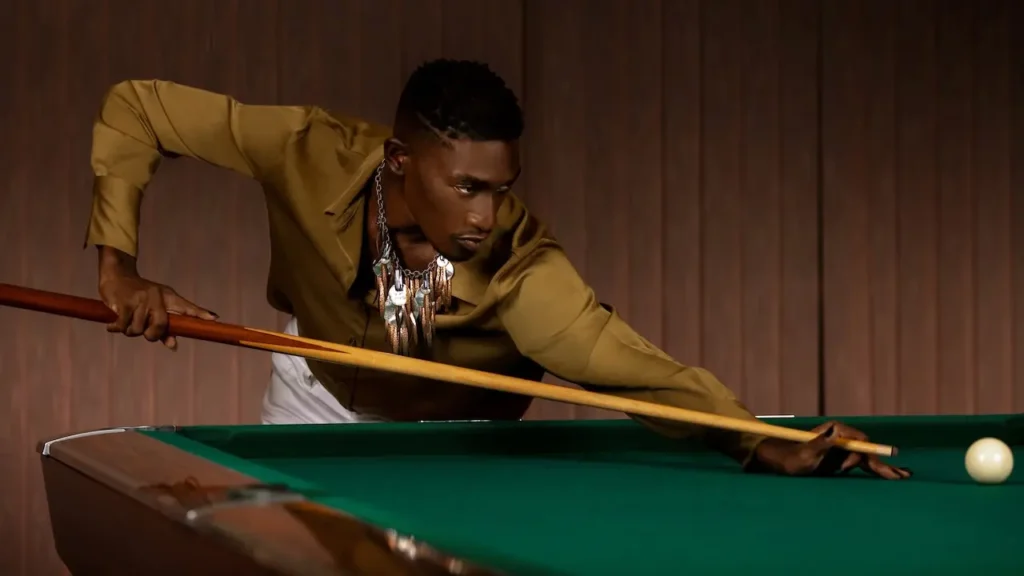
Importantly, the references were not treated as photographs to reproduce. Instead, they helped the team identify transferable principles: low camera positions could make the subjects feel more commanding; pool cues could extend body lines; the table could support standing, leaning, sitting and group arrangements; and metallic, black and high-contrast wardrobe choices could reinforce the after-dark mood.
Brands developing a visual idea can use the same method outlined in this guide to campaign concept development. A strong concept should guide choices without forcing the final work to imitate its references.
From Mood Board to Three Working Shot Lists
The next step converted the broad visual direction into three separate five-frame shot lists: one for Sophia, one for the male models and one for group coverage. Each page identified the intended framing, pose family, camera angle, image orientation and lighting approach.
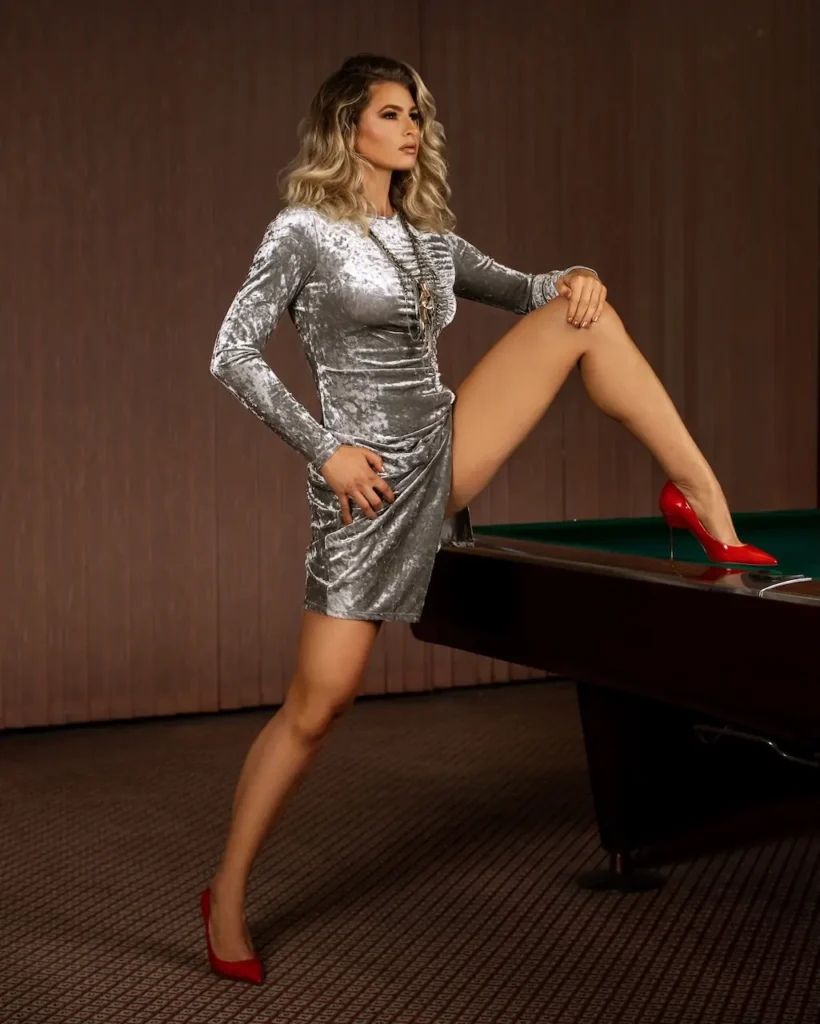
Across the documents, the planned coverage included full-body, three-quarter, medium and detail photographs; standing, bending, seated and table-based poses; vertical and horizontal layouts; low and overhead camera positions; and a consistent two-light setup from the left and right.
That level of preparation gave the production a practical sequence. It also made the essential coverage visible before time was spent on optional variations. As explained in How to Plan a Fashion Campaign Shoot, the value of a shot list is not the number of ideas it contains. Its value is the clarity it creates around what the campaign must deliver.
Pre-production protected the required coverage. It did not predetermine every final photograph.
How Planning Improved the Production Day
Behind-the-scenes footage shows the practical difference between the raw location and the polished final work. The available room, ceiling fixtures, pool table and production equipment did not automatically create a campaign. The planned lighting, camera position, talent direction and framing determined what the audience would ultimately see.
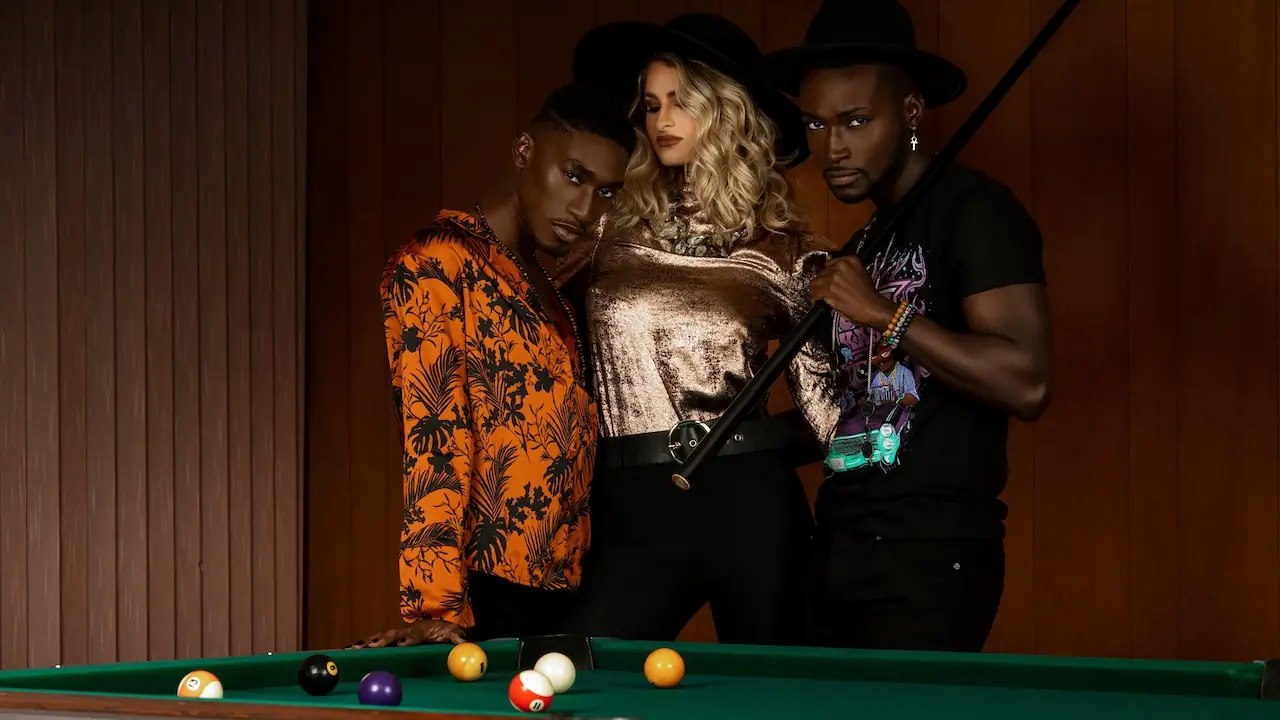
The shorter behind-the-scenes clip documents the individual workflow around the pool table. Meanwhile, the longer group clip shows the cast moving through multiple configurations instead of holding one fixed pose. Those adjustments were possible because the production already knew the required talent combination and visual direction.
Video: From Shot List to Set
The shot list therefore functioned as a decision framework rather than a restriction. Once the essential setup was established, Phil Halfmann and the creative team could refine posture, expression, prop use and model interaction without losing sight of the campaign’s needs.
Building from Individual Frames to Group Storytelling
The production progressed from individual coverage into two-model and three-model compositions. This sequence reduced complexity. Each model first established a clear visual character, while the later group frames combined those identities into a more developed campaign narrative.
Video: Directing the Group Composition
Extending the Campaign Beyond the Primary Set
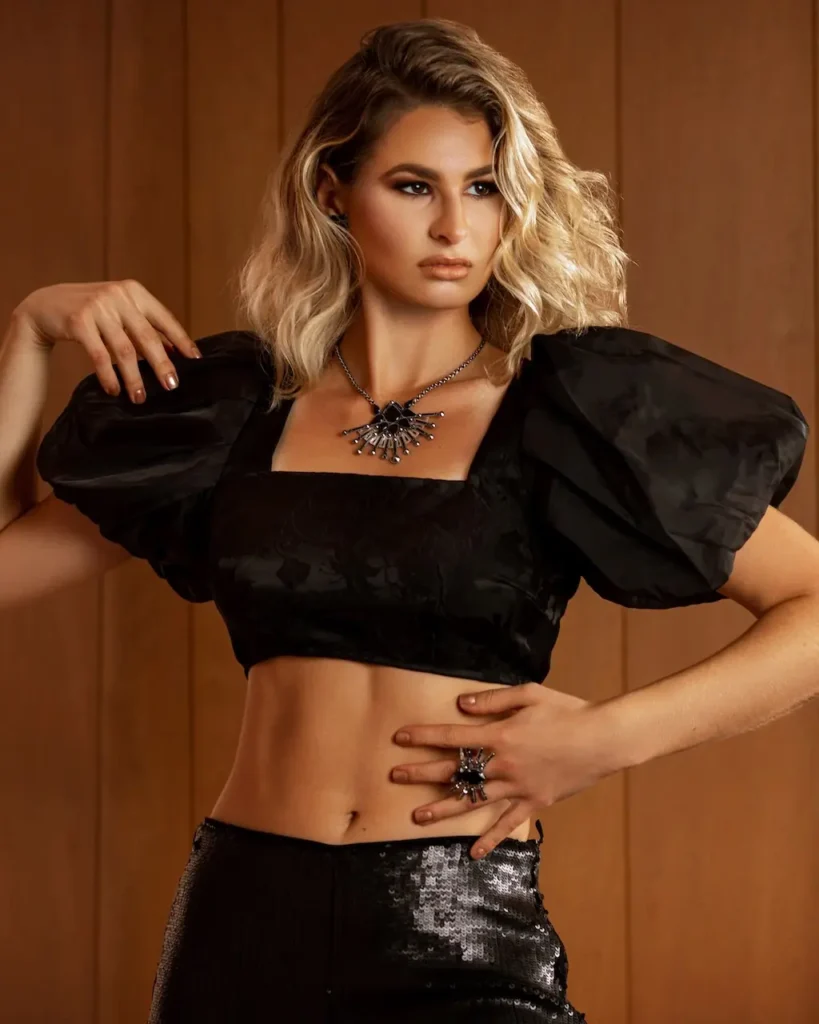
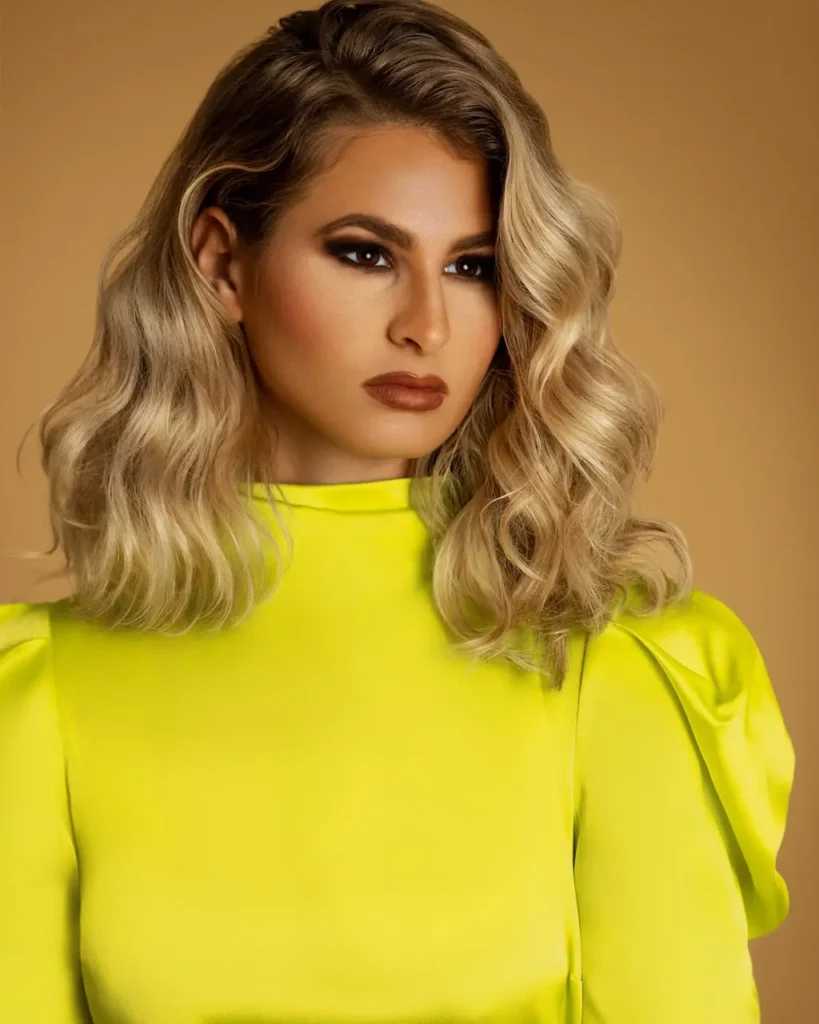
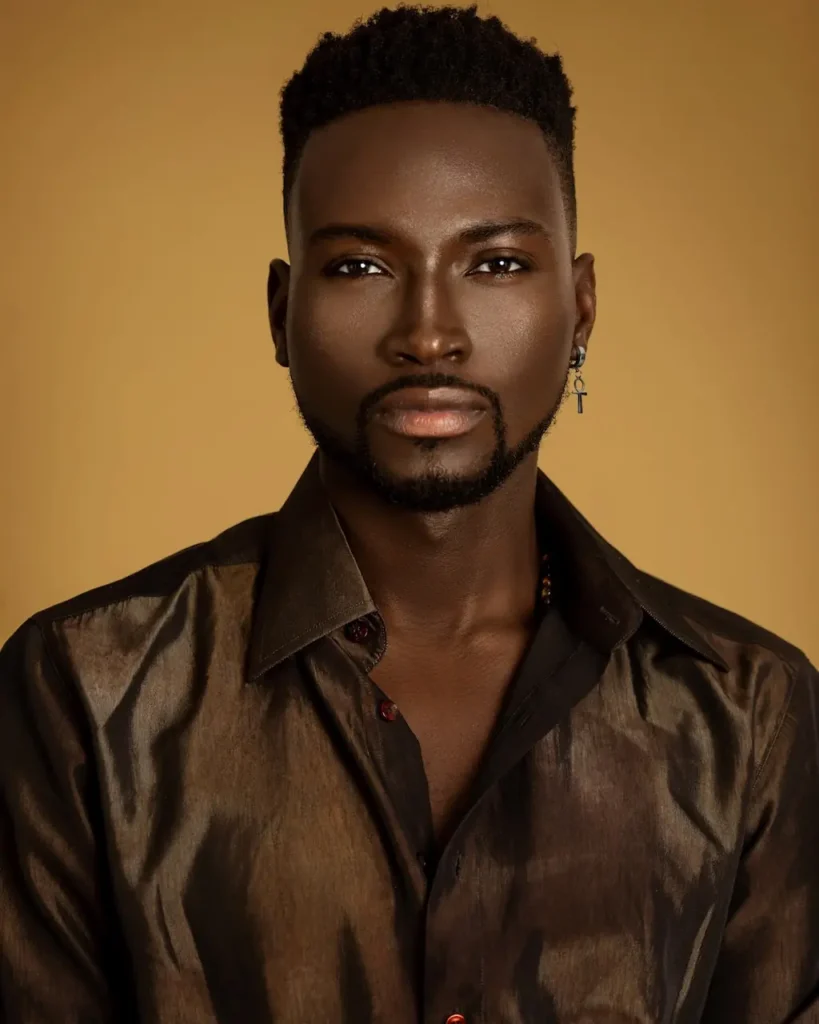
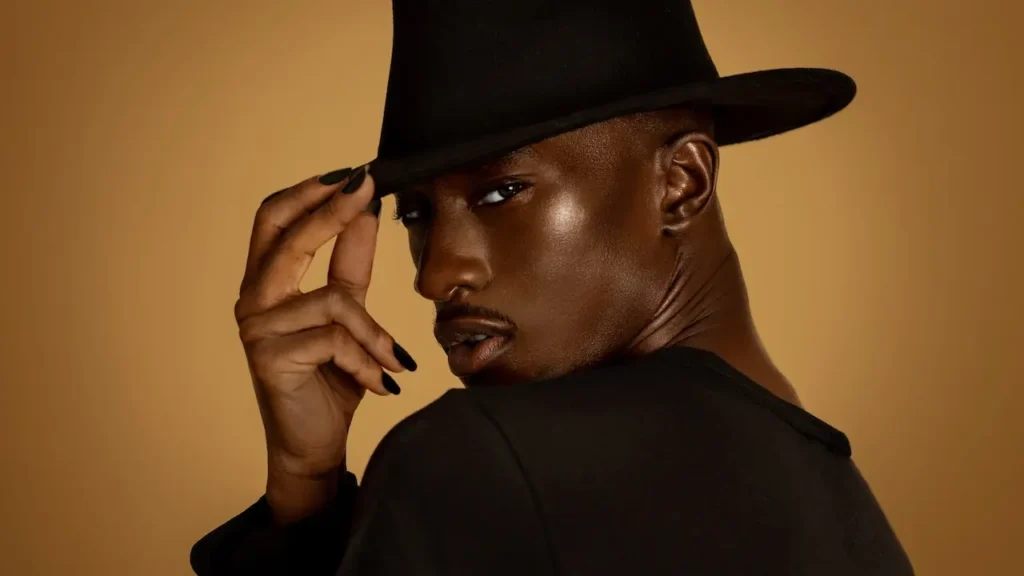
The pool-table images formed the central narrative. However, the production also created complementary studio portraits against a warm gold background. Keeping these portraits visually separate from the environmental sequence gave them a different function: closer talent and beauty coverage without weakening the continuity of the primary set.
This distinction matters. A campaign can contain multiple modules, but every module should have a clear role. When all photographs are mixed together without hierarchy, visual variety can become inconsistency. When they are planned as connected but distinct asset groups, the production gains range while remaining understandable.
The Result of Fashion Campaign Pre-Production
The clearest result was not simply the number of finished photographs. It was the relationship between them. Individual, two-model, full-group and studio portrait assets shared a deliberate approach to confidence, styling, color and performance.
The documented output included:
- 32 selected and retouched campaign photographs
- Individual coverage for all three models
- Two-model and full-cast compositions
- Vertical, horizontal, full-body, medium and tighter portrait options
- Environmental billiards imagery and complementary studio portraits
- Two behind-the-scenes video clips documenting production and direction
- A 23-page campaign presentation organized into “The Arrival,” “The Game,” “After Dark” and “Show Stopper”
No campaign-performance or conversion data was available for this case study. Therefore, the defensible outcome is production coherence and asset breadth, not an unsupported claim about sales or advertising ROI.
What Fashion Brands Can Learn from the Pool Rocker Shoot
The Mangos Miami production demonstrates that fashion campaign pre-production should create alignment at three levels.
1. Align the visual idea
A mood board gives the team a common language for atmosphere, styling, color, pose and energy. However, it should establish principles rather than encourage imitation.
2. Align the required coverage
Shot lists turn the creative idea into specific deliverables. Talent combinations, orientations, framing and priority images should be visible before the shoot begins.
3. Align structure with flexibility
The team should know what must be captured while retaining enough freedom to improve poses, relationships and compositions on set. The strongest final frame may not be the most literal interpretation of the reference.
This balance between narrative consistency and usable variety is also central to fashion storytelling photography. A campaign becomes more memorable when every frame contributes to the same world without becoming visually repetitive.
Credits
- Photographer: Phil Halfmann
- Creative Director: Sophia Lenore
- Wardrobe Stylist: Sophia Lenore
- Hair Stylist: Sophia Lenore
- Makeup Artist: Aida Greenidge-Gopie
- Models: Troy, Sophia and Stevenson
- Retoucher: Stas Ponomarenko
Products and wardrobe: Makeup by Charlotte Tilbury Makeup; hair products by L’Oréal; nail products by USLU Airlines; wardrobe by Mango.
Plan the Campaign Before Production Begins
A successful production does not begin with a call time. It begins by defining what the campaign must communicate, which assets it must produce and how the creative team will recognize success on set.
If your next fashion or beauty campaign needs clearer creative direction, shot-list planning and multi-format coverage, explore the campaign planning resources or book a free Visual Audit. The audit is a working session designed to identify visual gaps, campaign requirements and missed opportunities before production investment is committed.