- Monday–Friday: 9:00–17:00
Self-Initiated Campaign Study · Berlin · 2019
This Berlin sports campaign photography project was created in Berlin to demonstrate how one visual concept could move from neighborhood basketball to architectural running imagery—and remain coherent across photography and short-form film.
Project disclosure: This independent portfolio project was developed for consideration as a campaign photographer. It was not commissioned, approved or published by Nike.
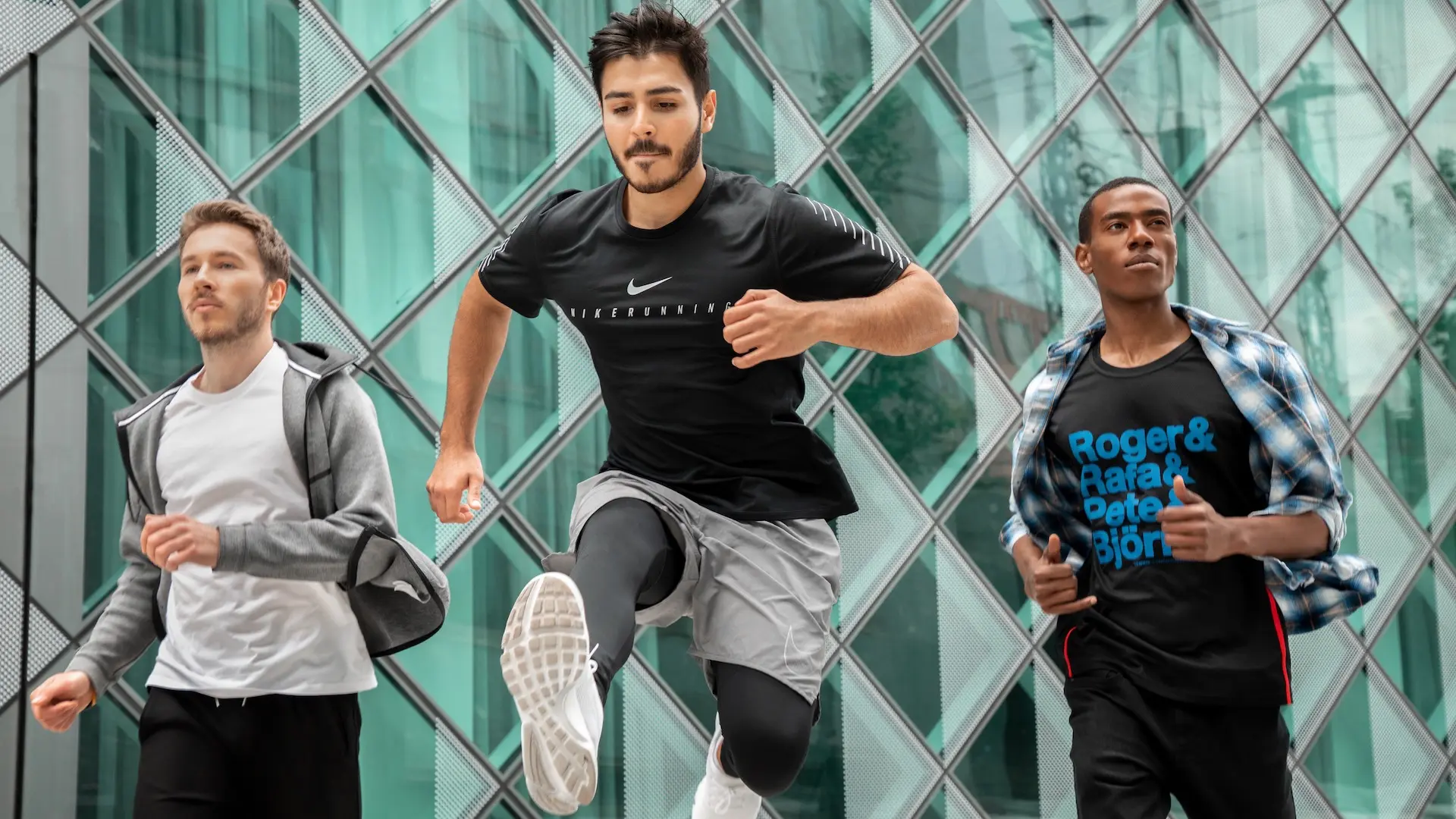
The objective was to show more than isolated sports portraits. The project needed to function like a compact campaign: a clear point of view, multiple athletes, contrasting Berlin locations, a usable mix of horizontal and vertical frames, and motion footage that belonged to the same visual world.
The creative reference was the energy and urban casting of contemporary sports advertising. Rather than reproduce a finished advertisement, the production translated those cues into an original Berlin story built around movement, friendship and the city itself.
A sports image can look energetic without being useful to a campaign. The harder task was to create a system of assets that could support different placements while keeping the same identity. That meant balancing action with character, product visibility with natural behavior, and gritty street texture with cleaner brand space.
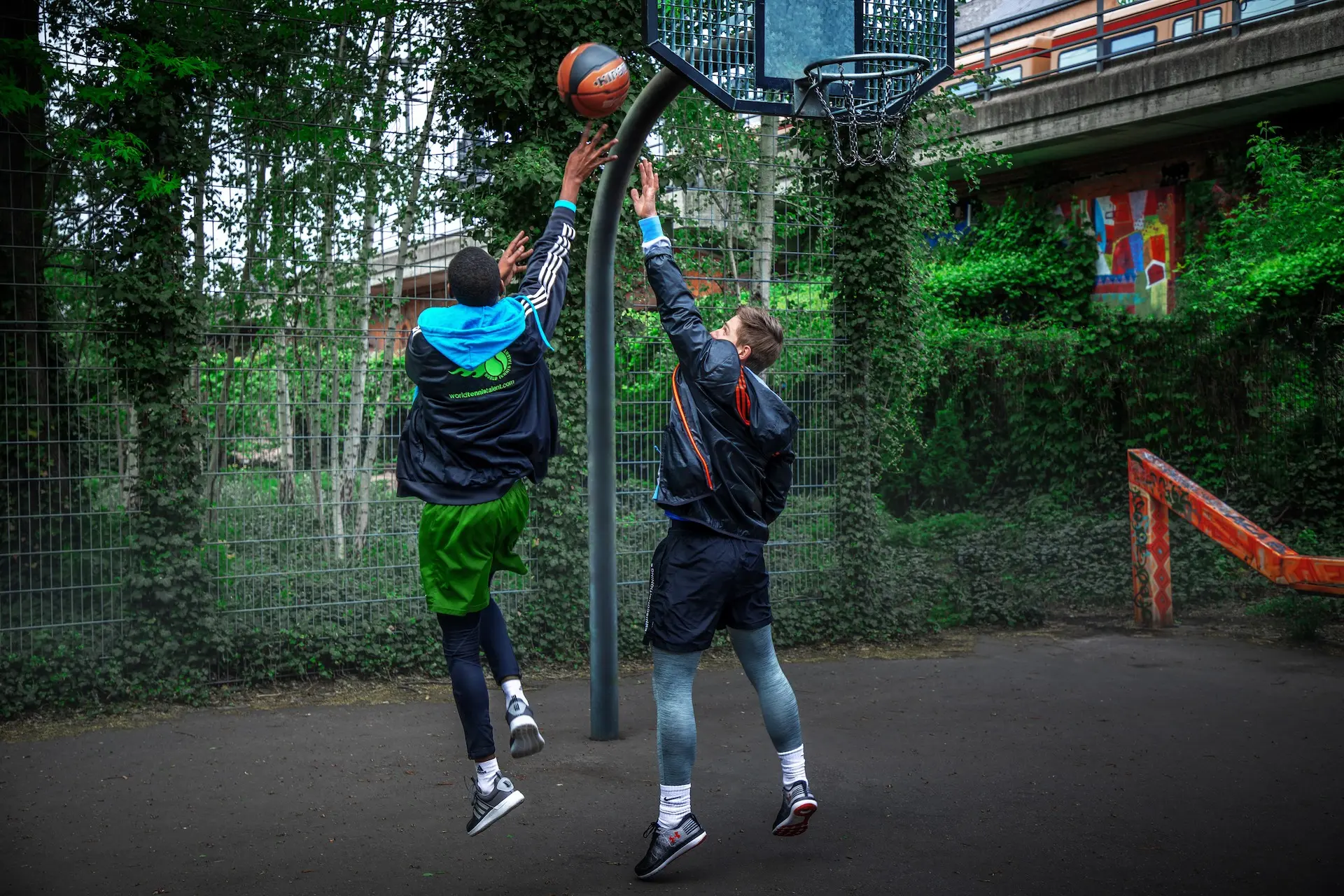
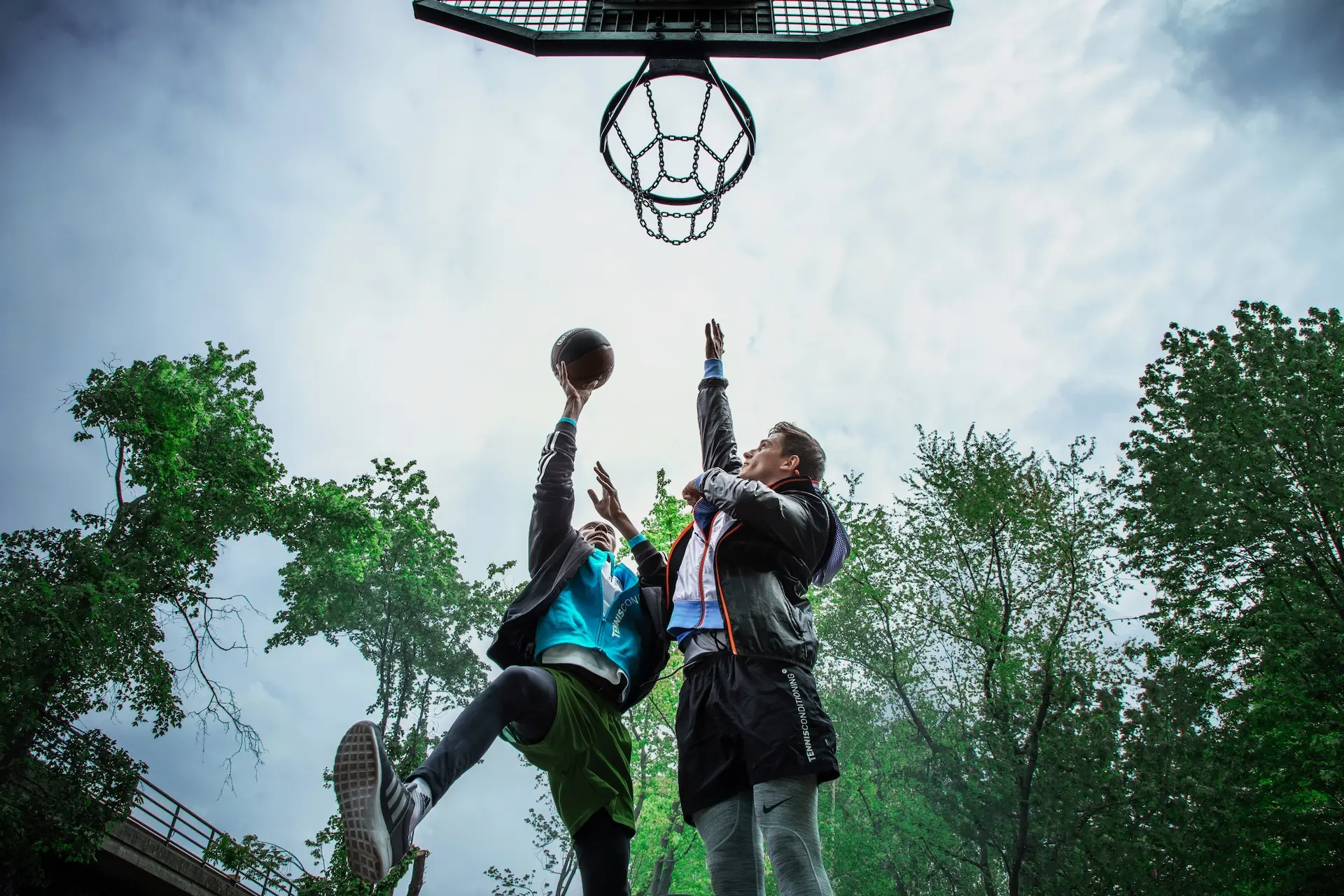
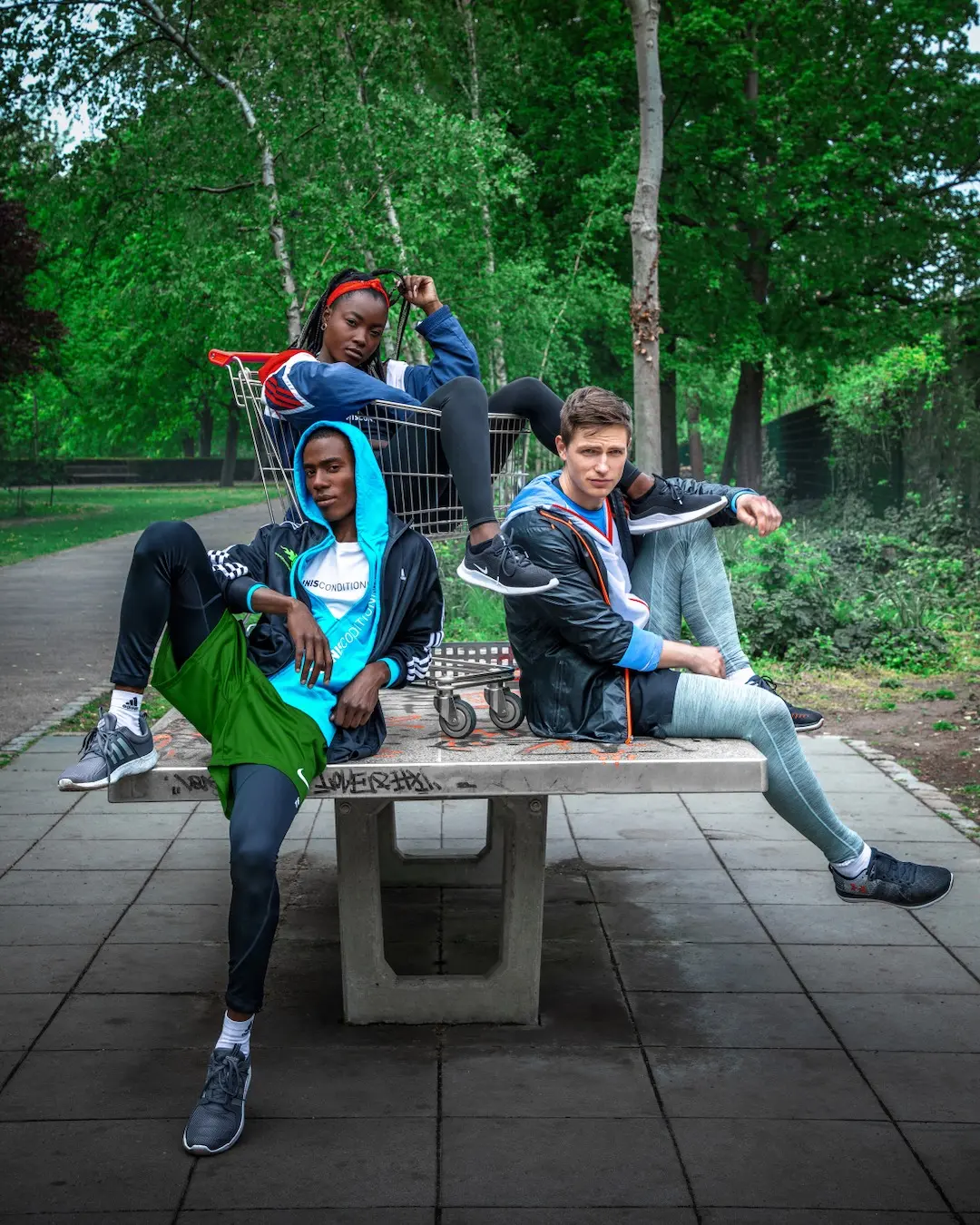
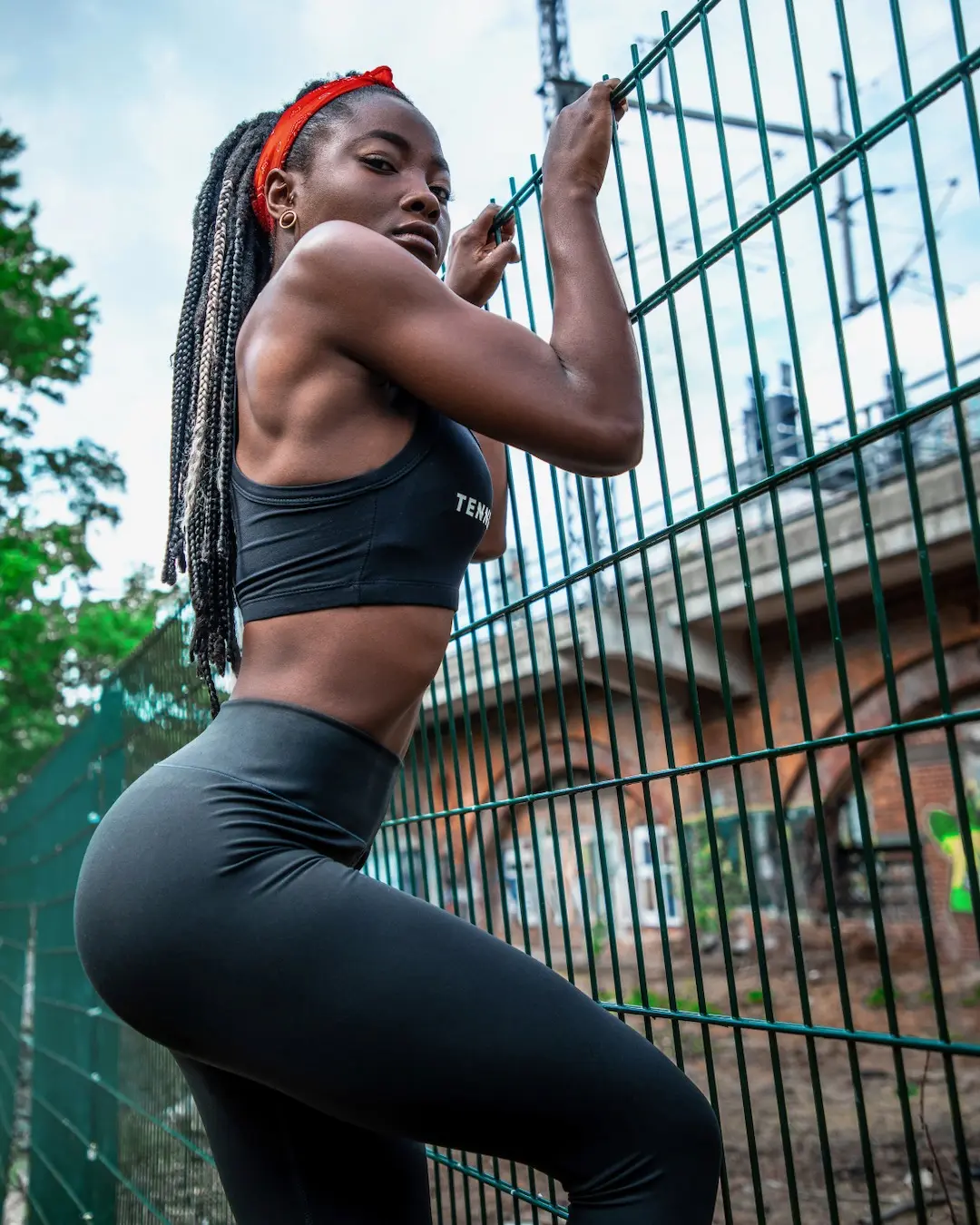
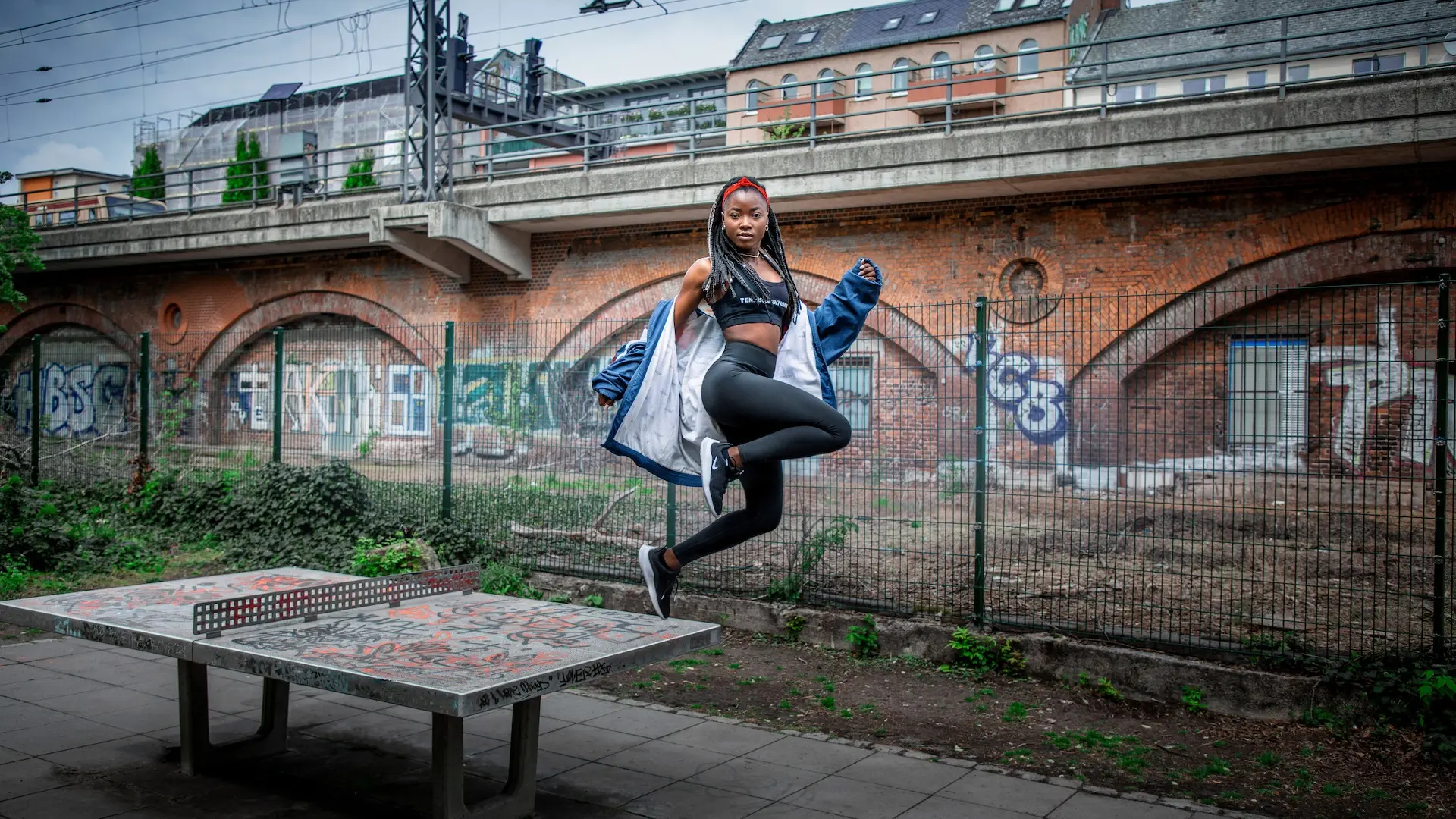
The first chapter uses layered graffiti, rail infrastructure, greenery and a weathered court to create a lived-in setting. The images alternate between play, portraiture and off-court interaction. That variation matters: it makes the athletes feel like a group with a shared culture, not interchangeable models demonstrating exercises.
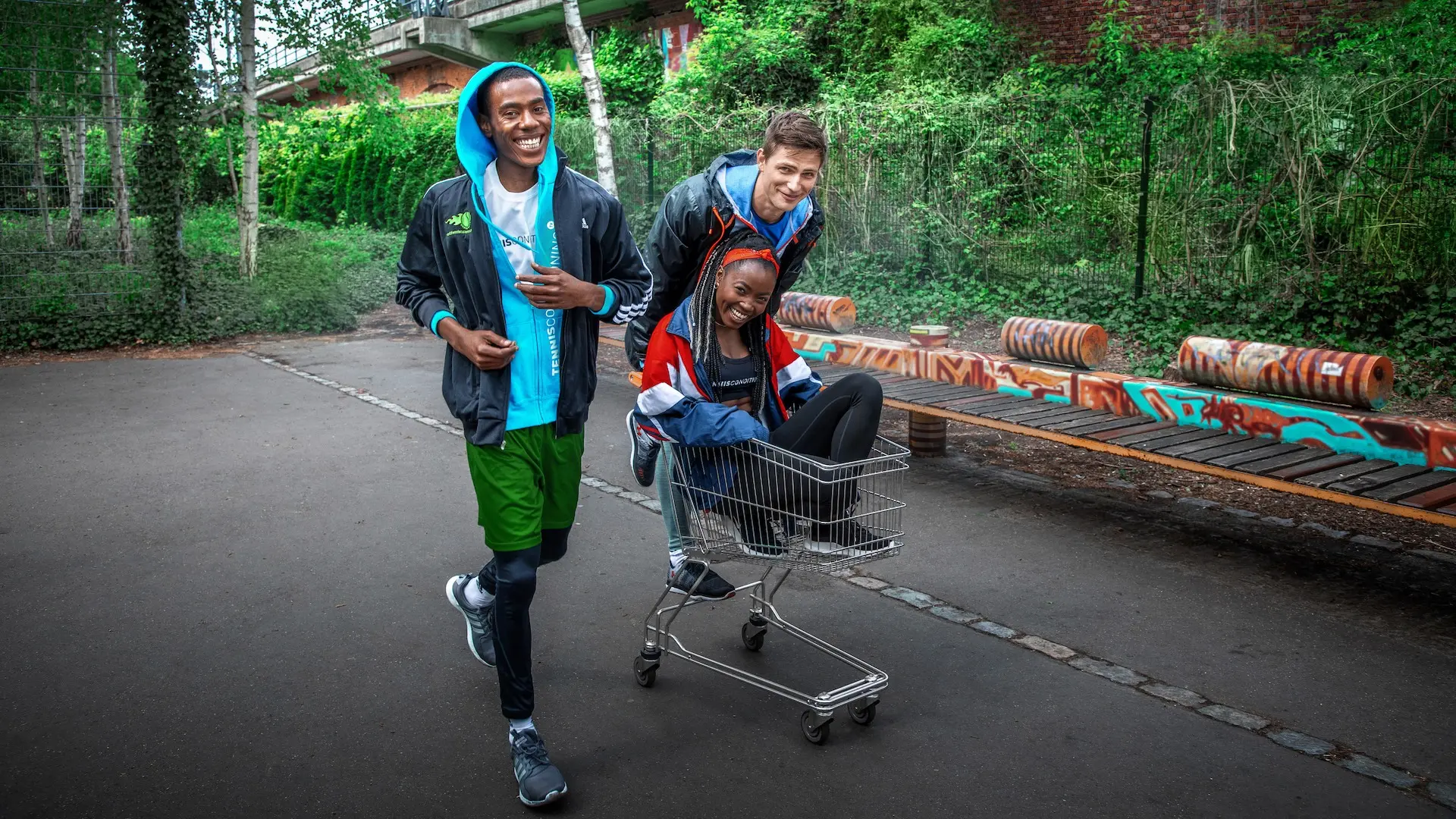
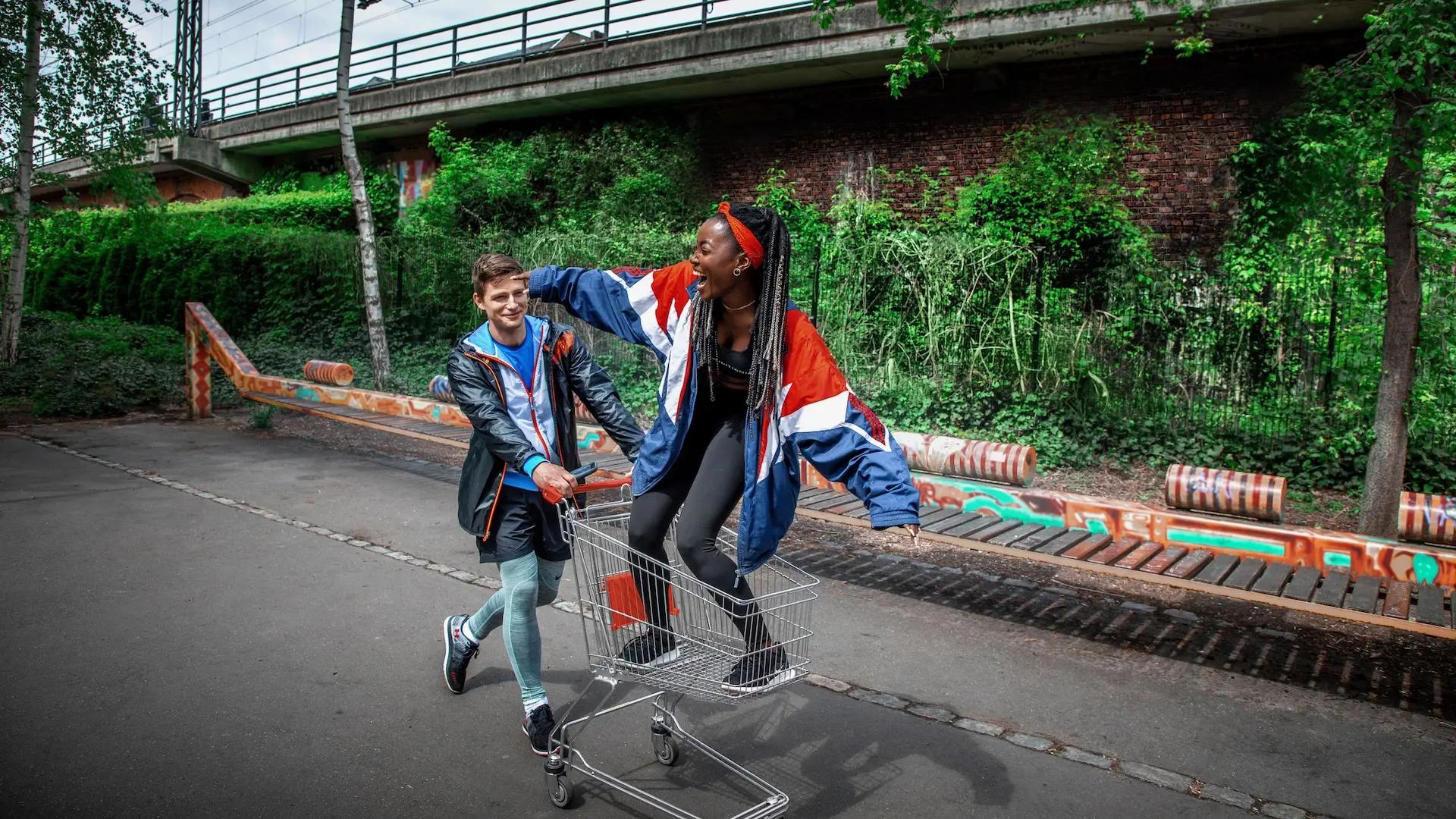
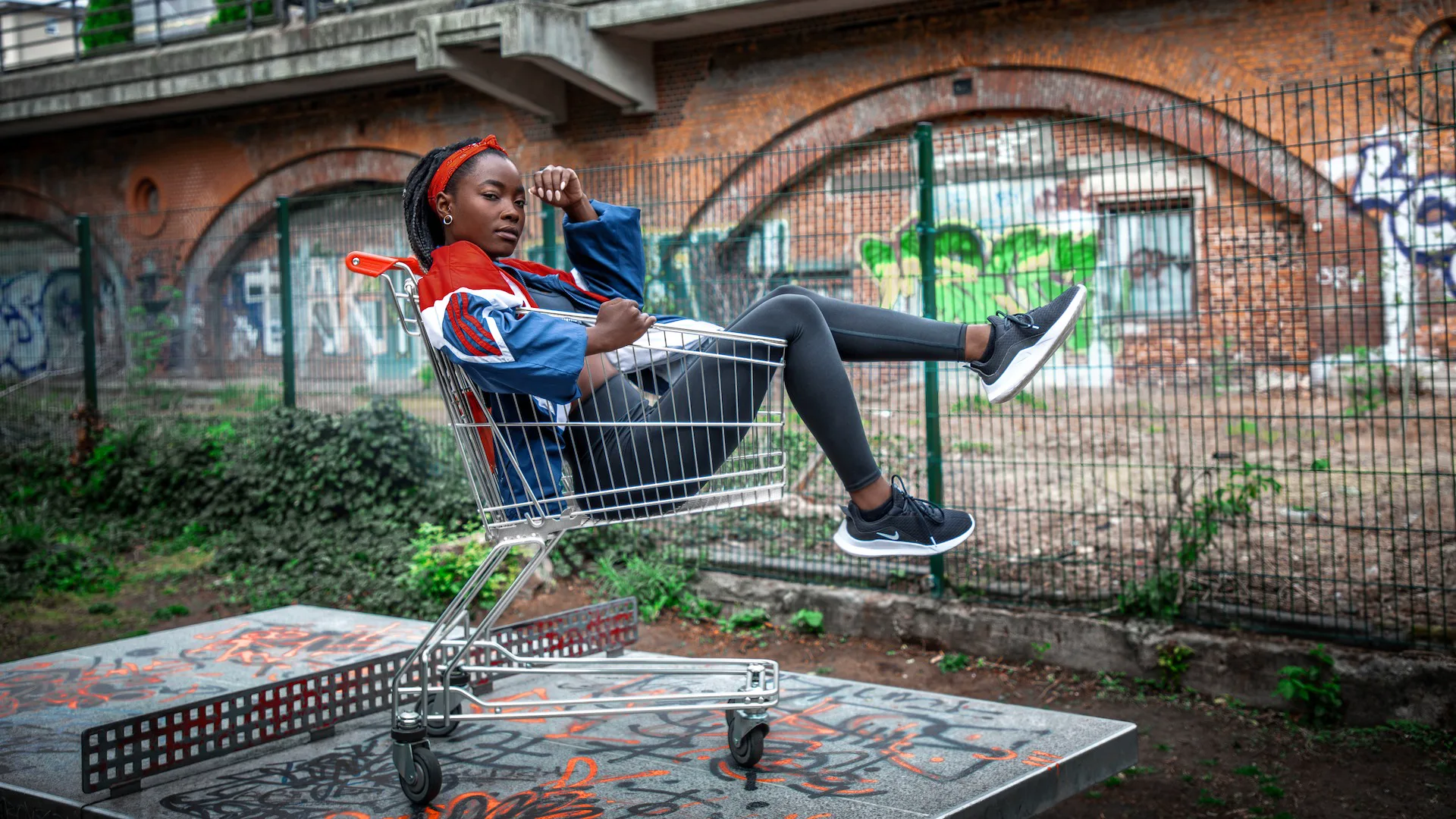
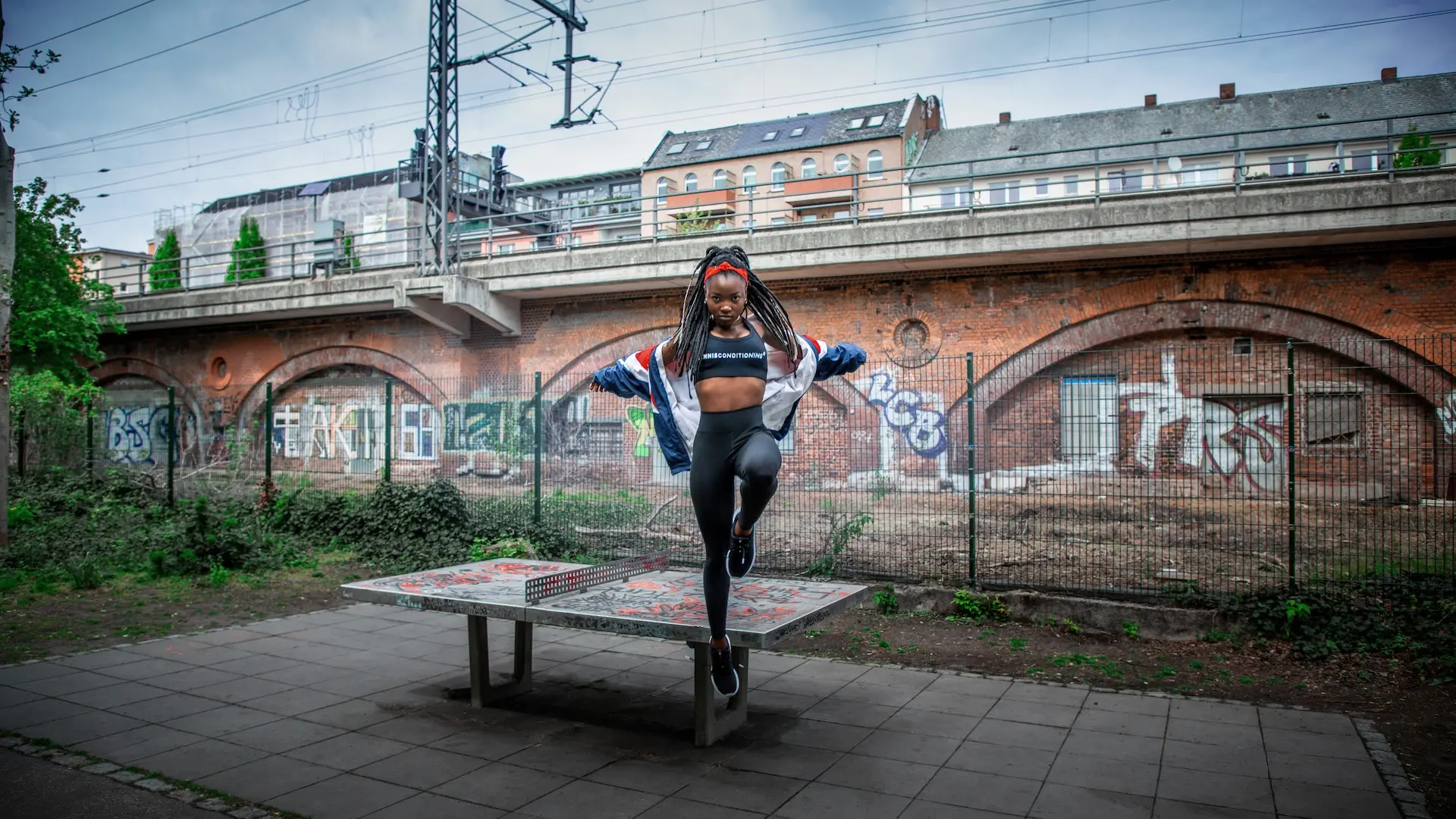
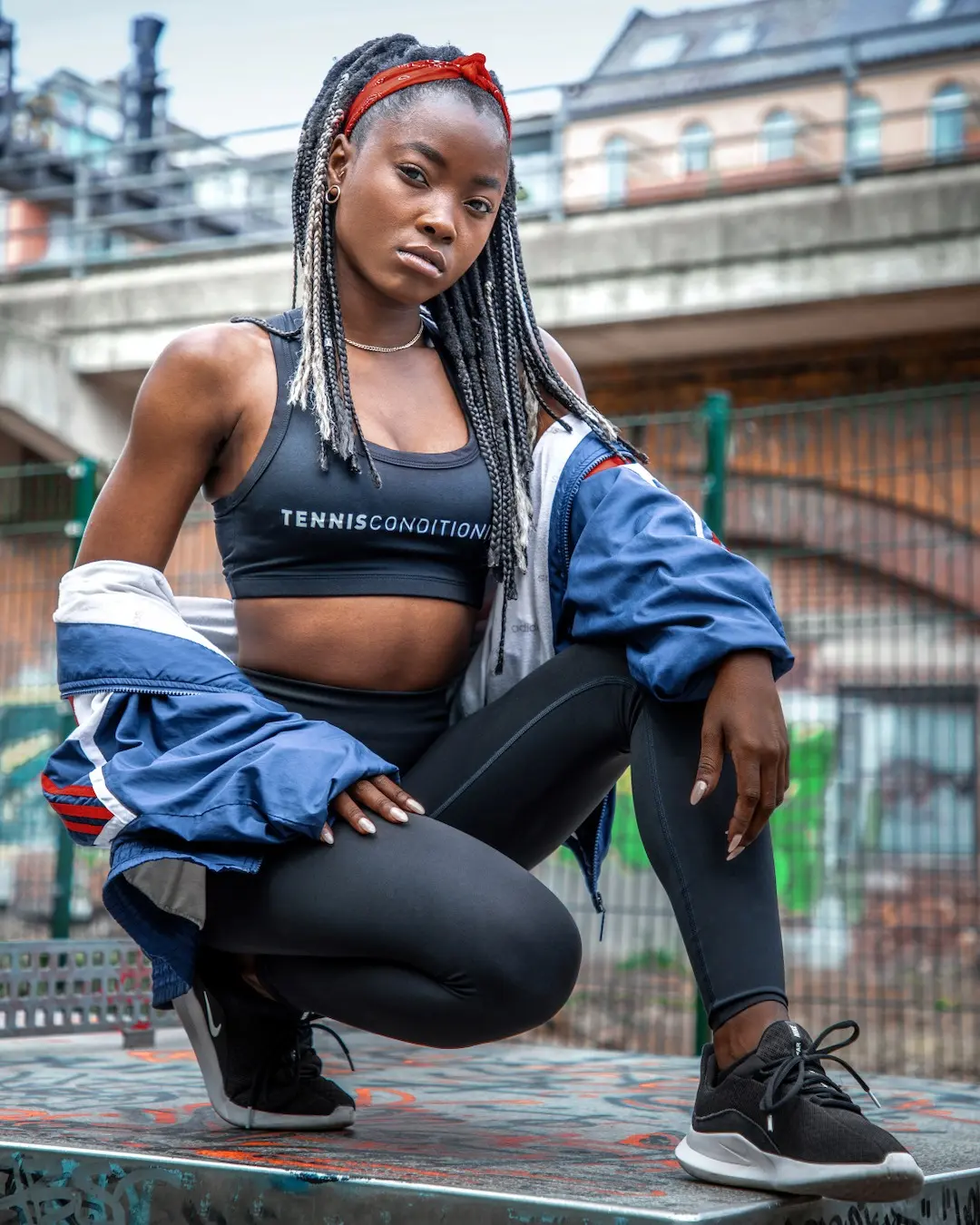
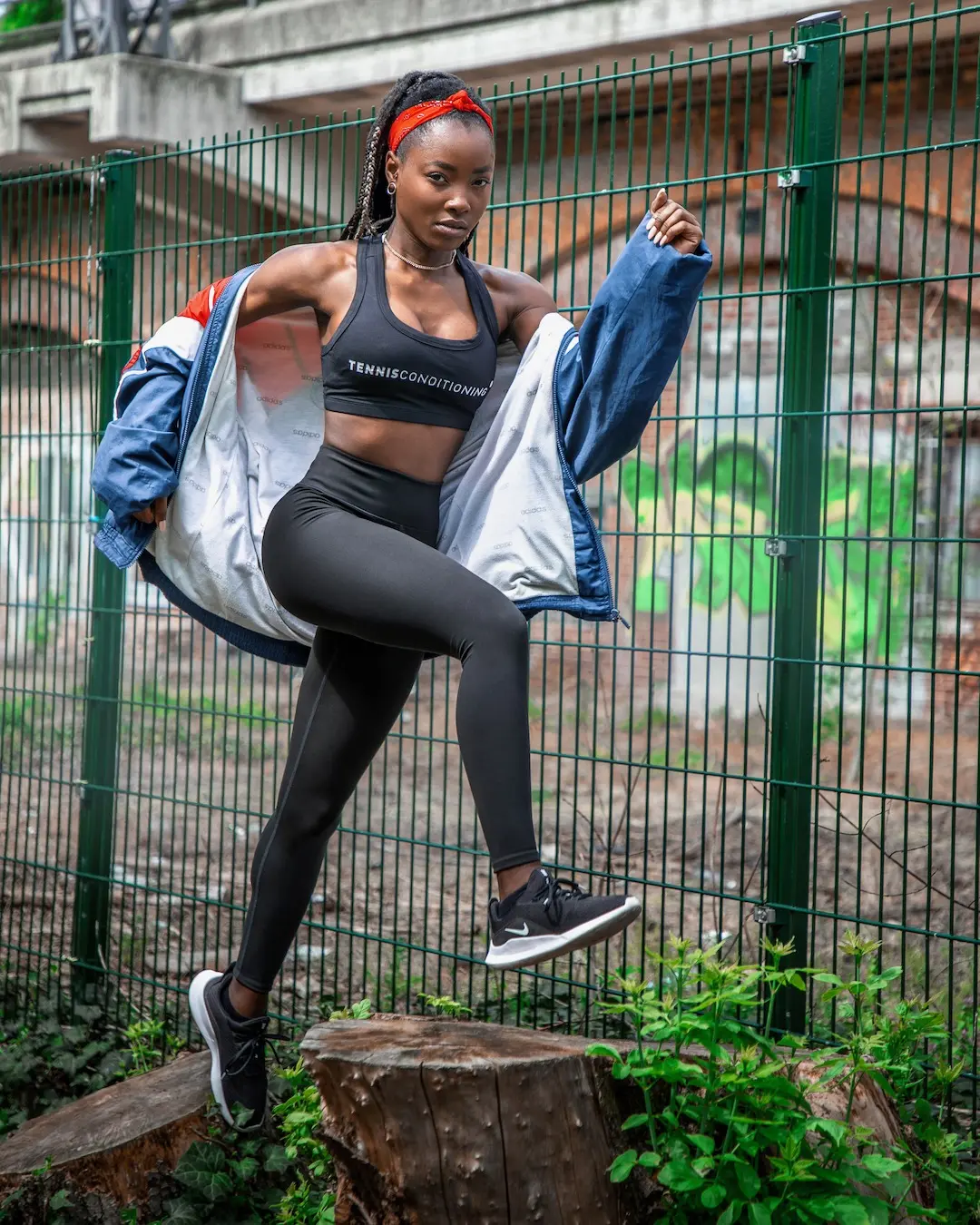
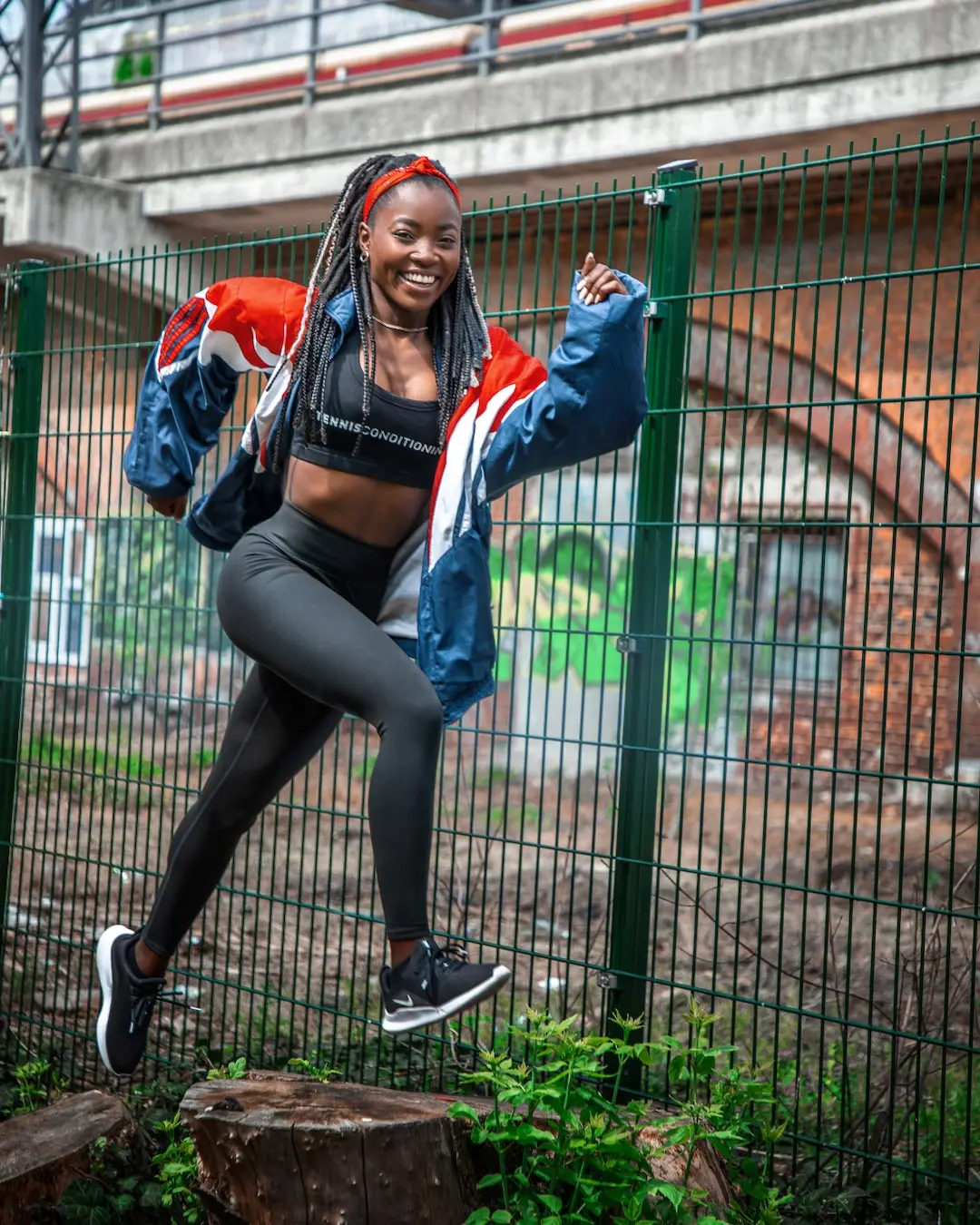
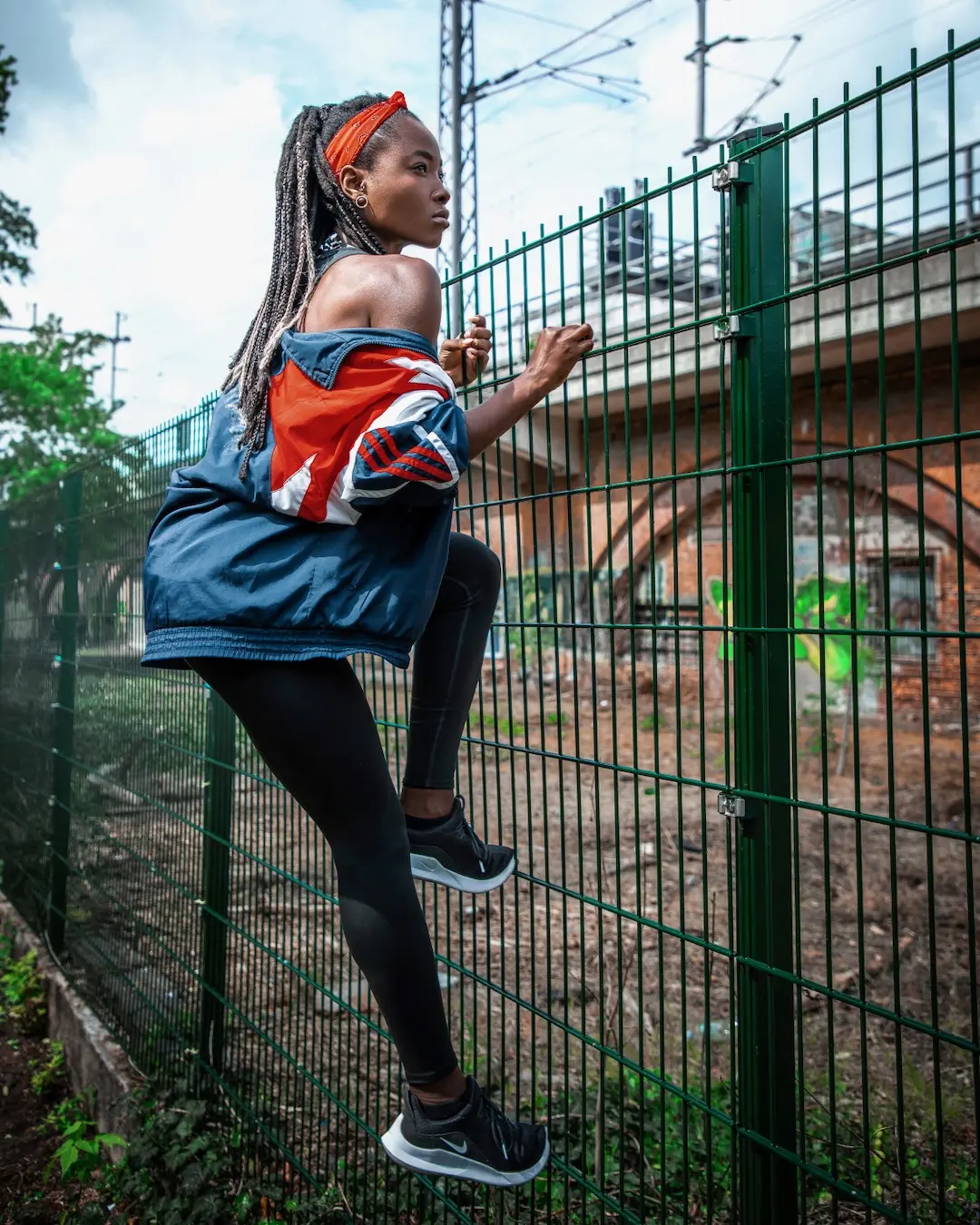
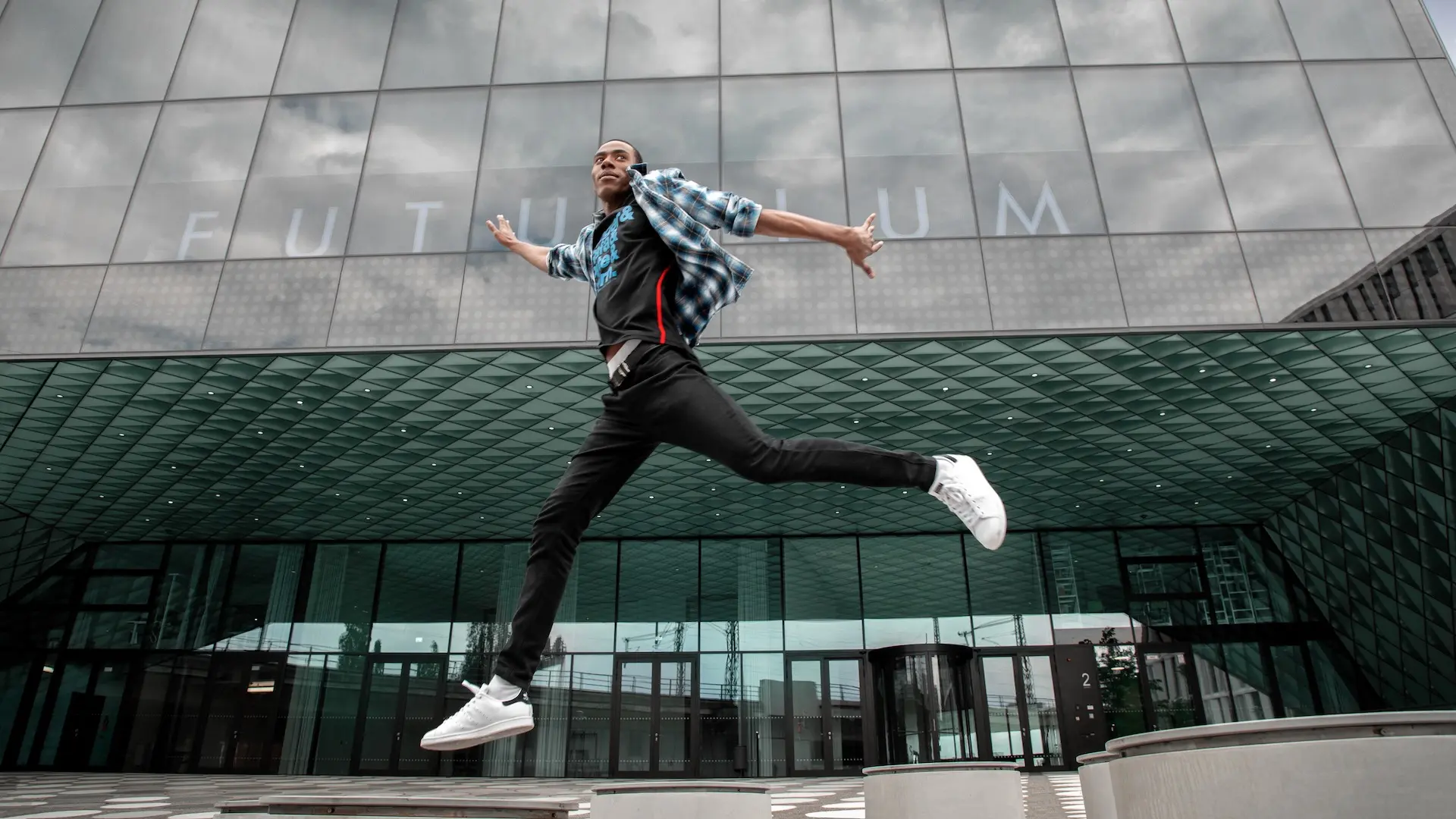
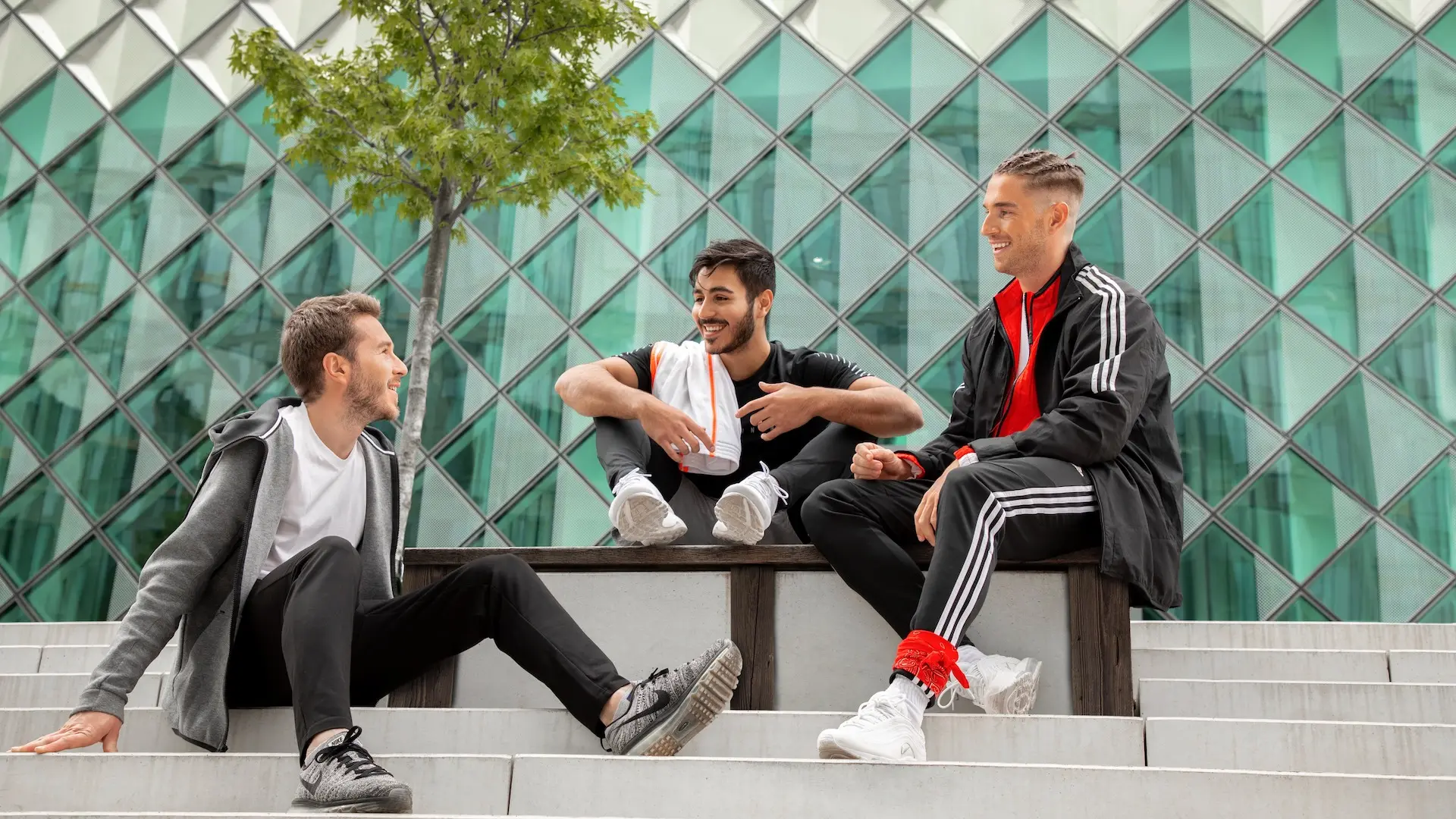
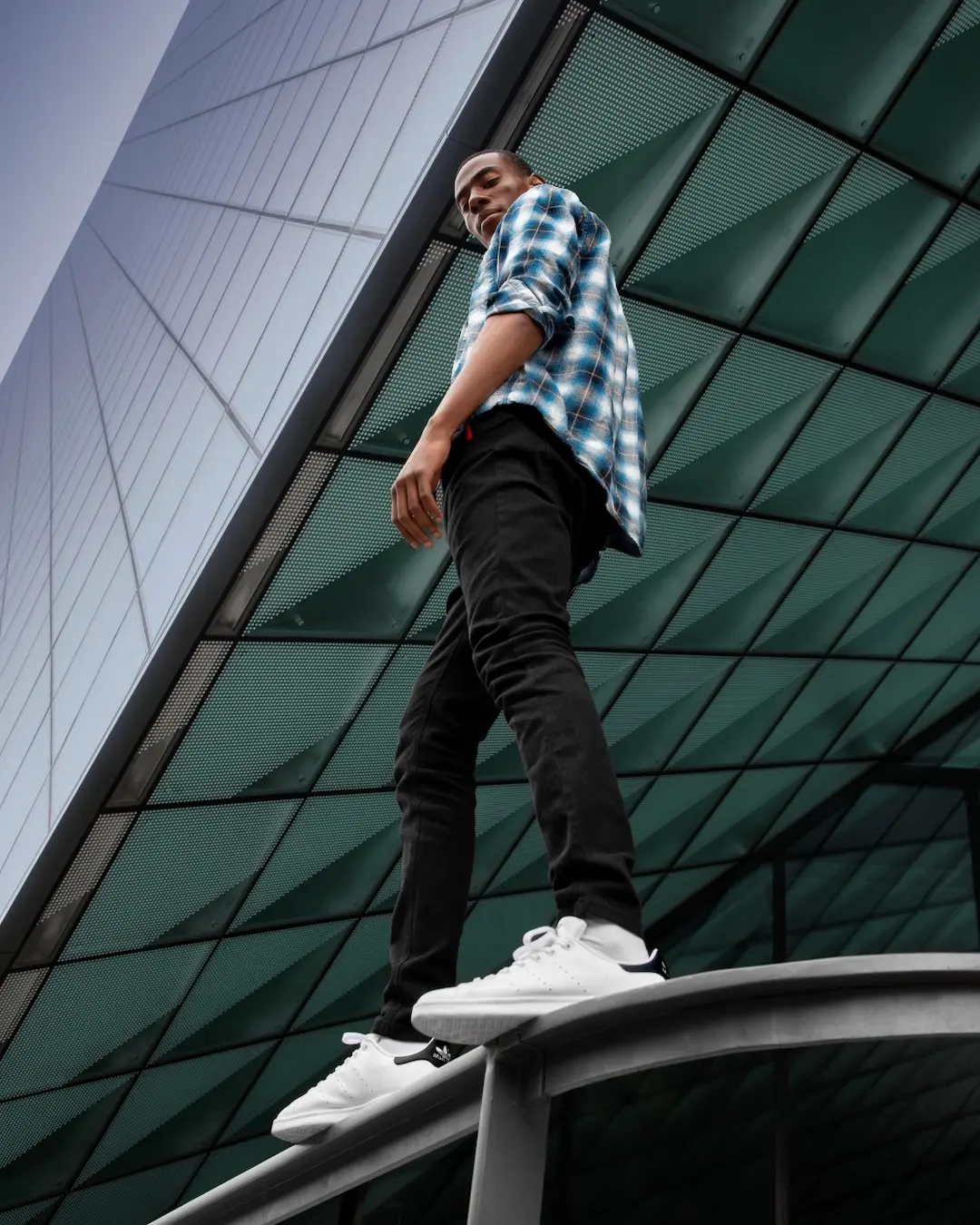
The second chapter strips away the court’s visual noise. Geometric glass, concrete steps and low camera angles produce a more graphic language. The location shift expands the campaign without breaking it: movement, styling and the cool-toned grade connect both environments.
The accompanying 60-second film extends the still campaign through quick cuts, close product details, group interaction and running sequences. Its role is not to recap the photographs. It adds pace, sound and transitional moments that make the campaign usable as a launch film, social edit or creative treatment.
The wider edit adds football, calisthenics, warm-up movement and quieter team portraits. These frames are not filler. They give a campaign the connective material needed between headline images: alternate athletes, secondary locations, human moments and vertical assets that can carry a social sequence without repeating the same action.
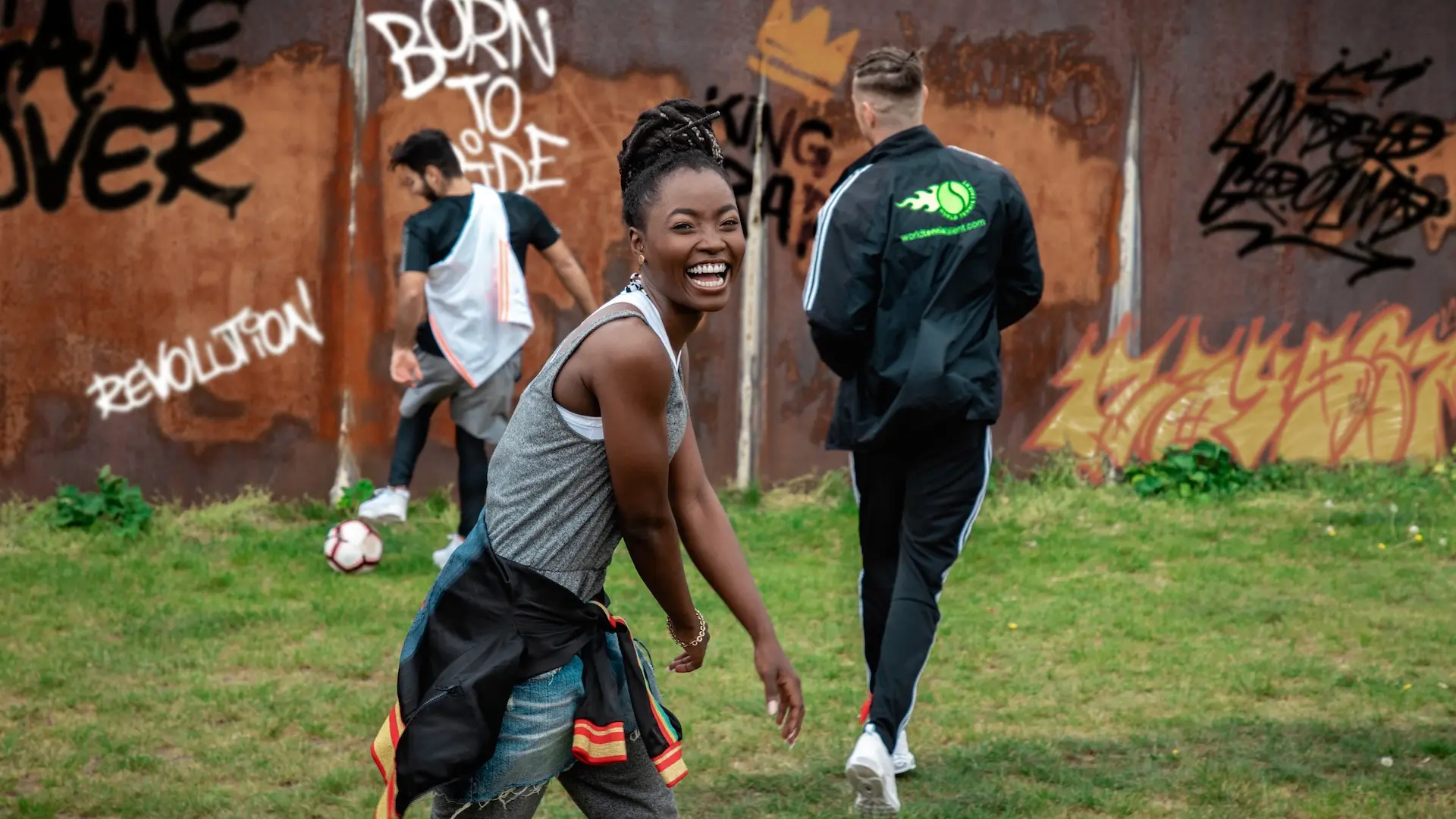
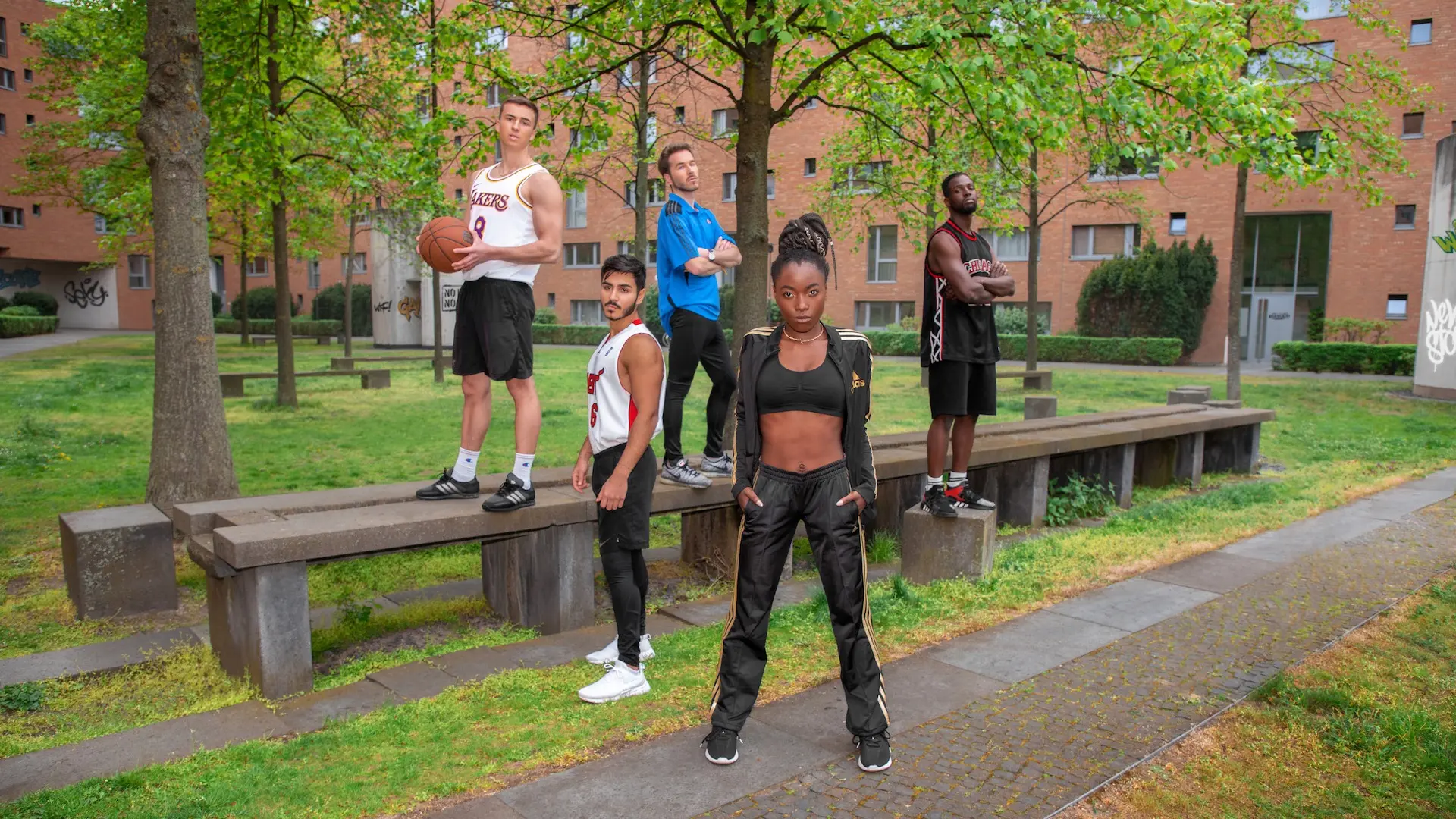
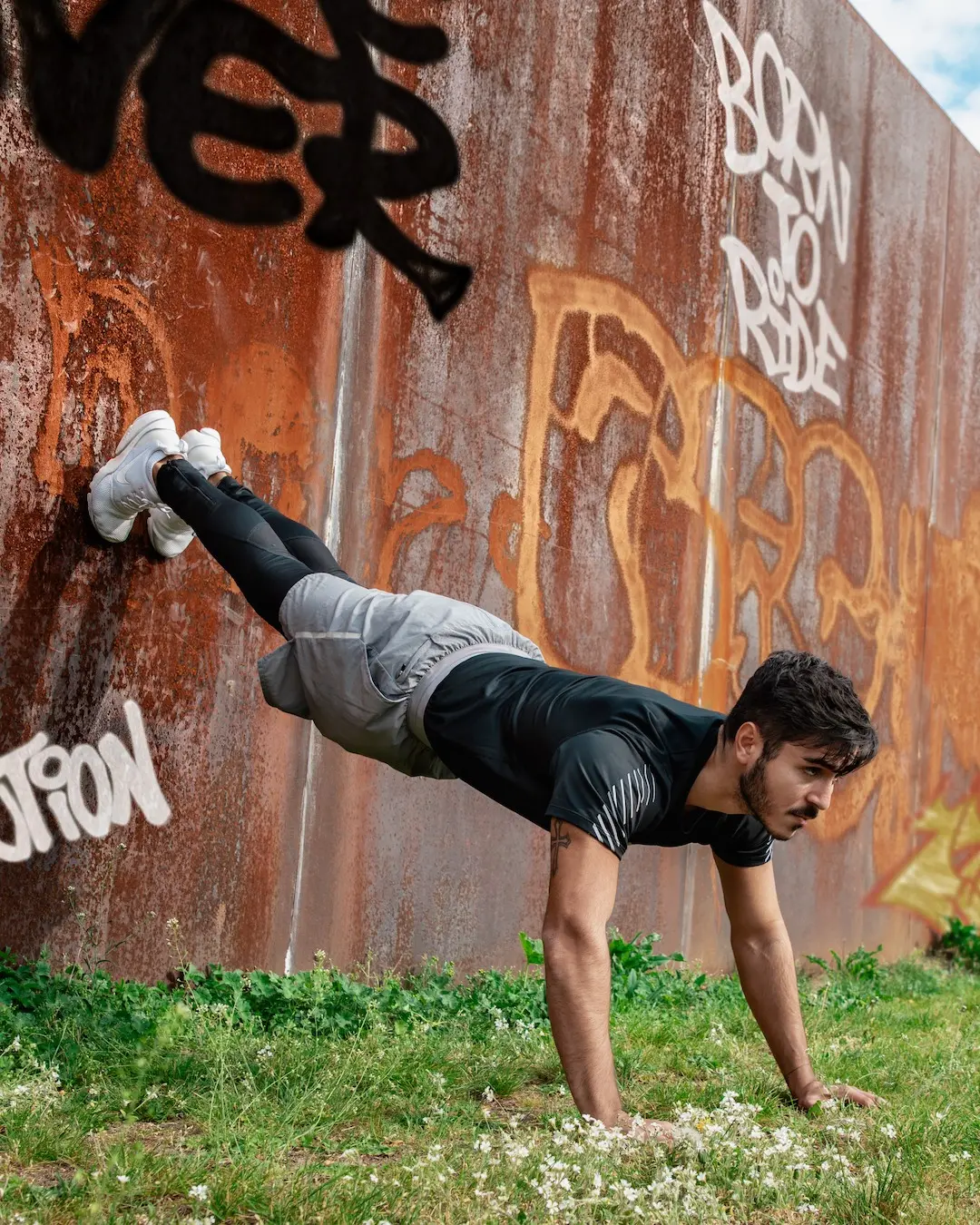
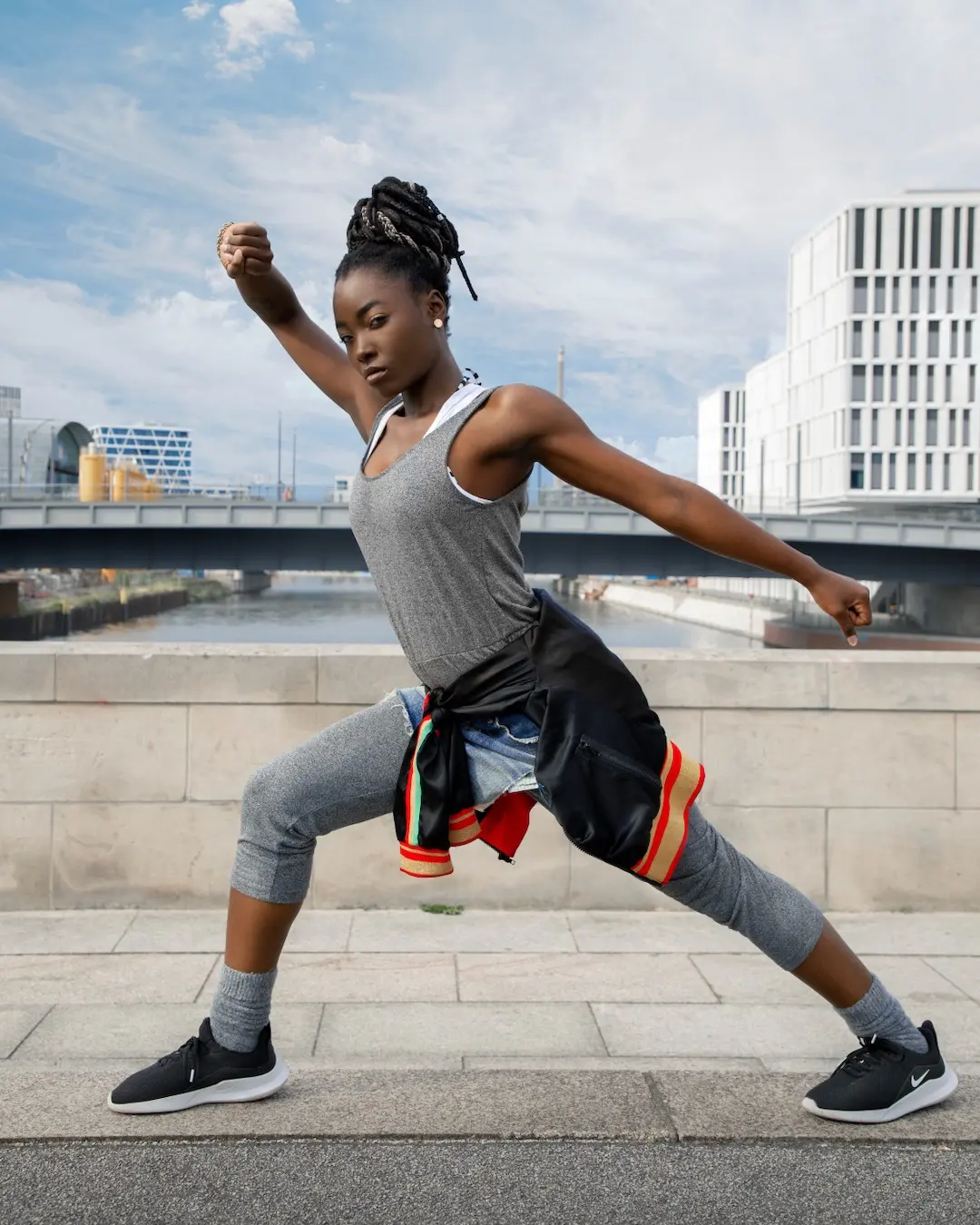
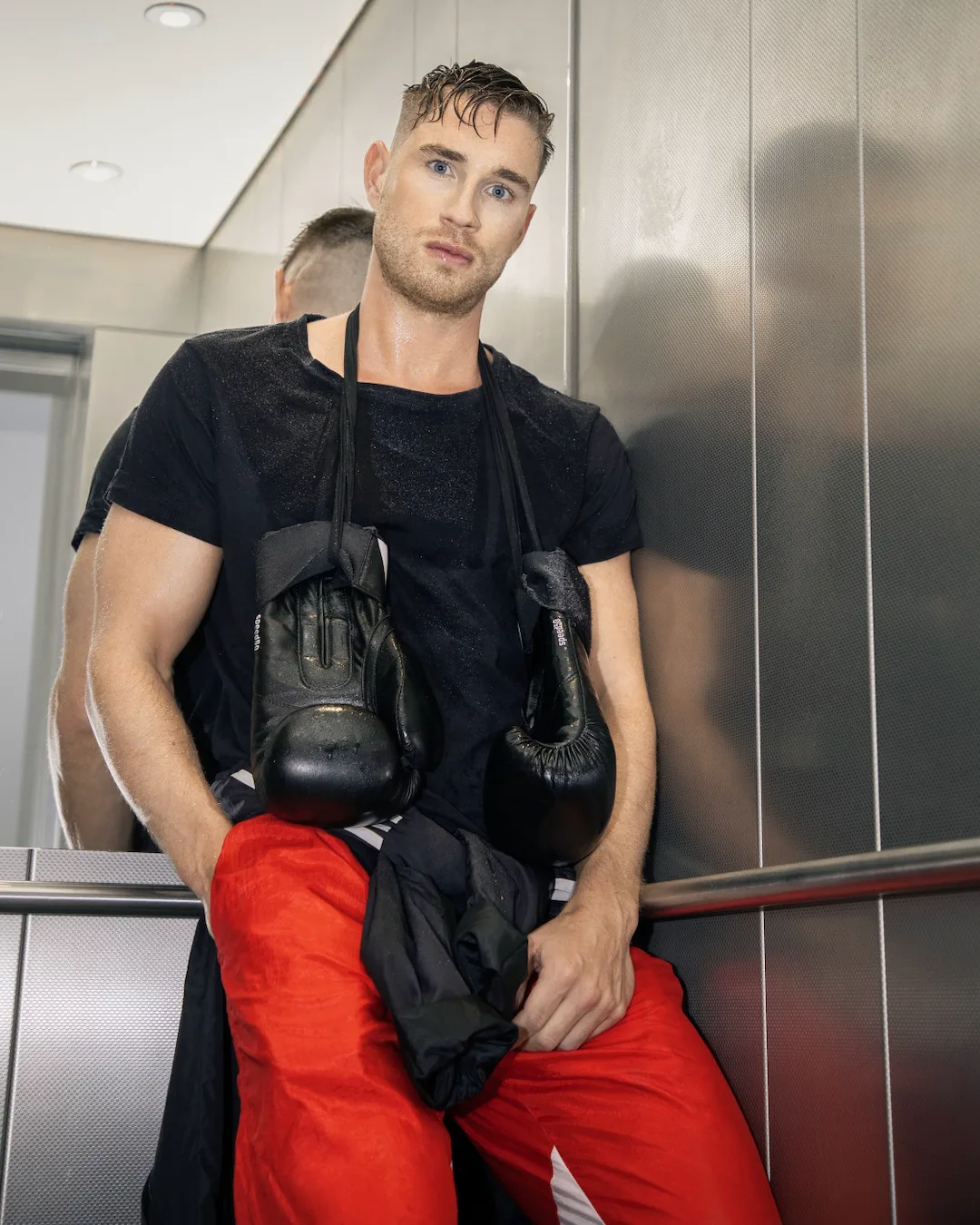
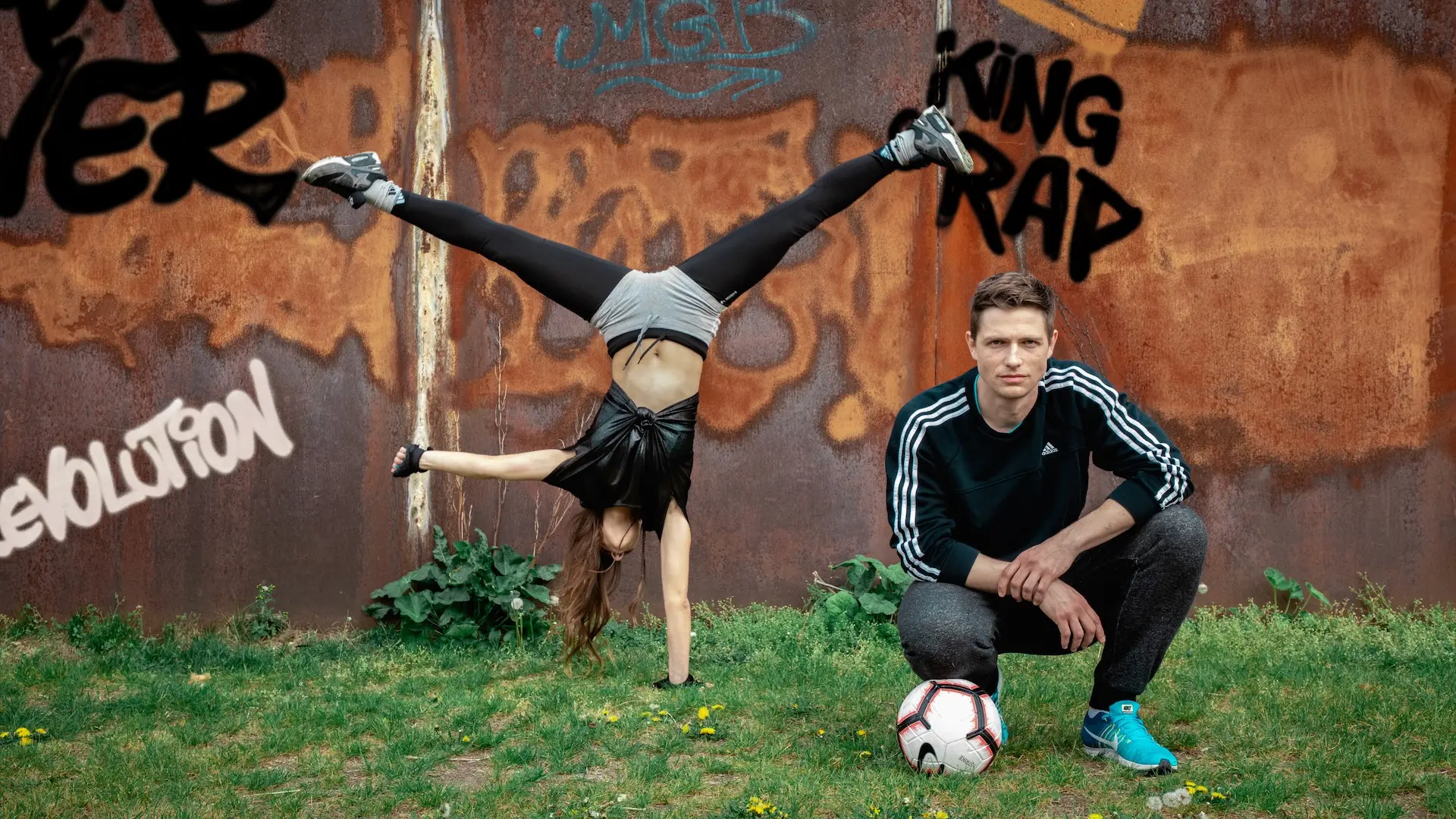
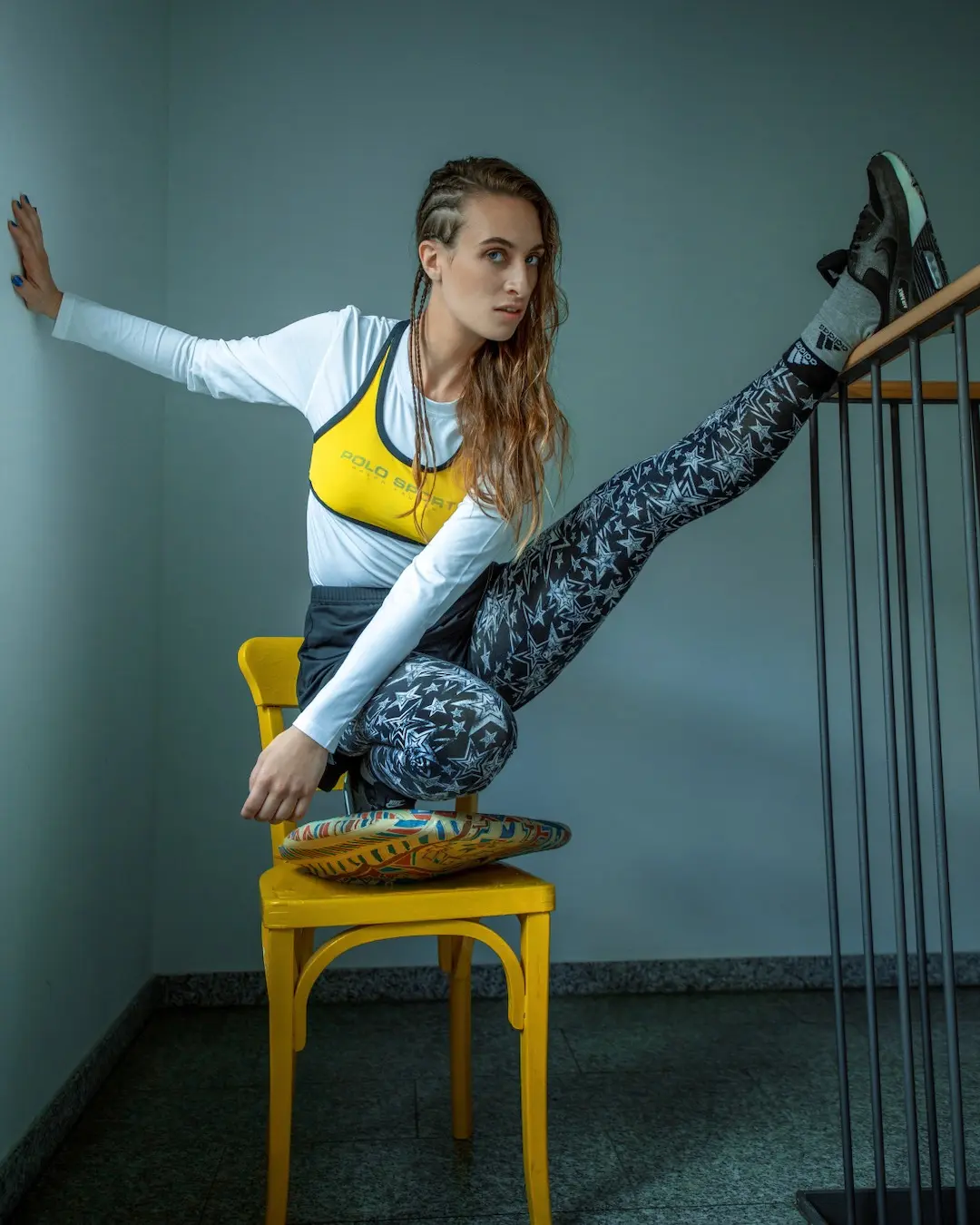
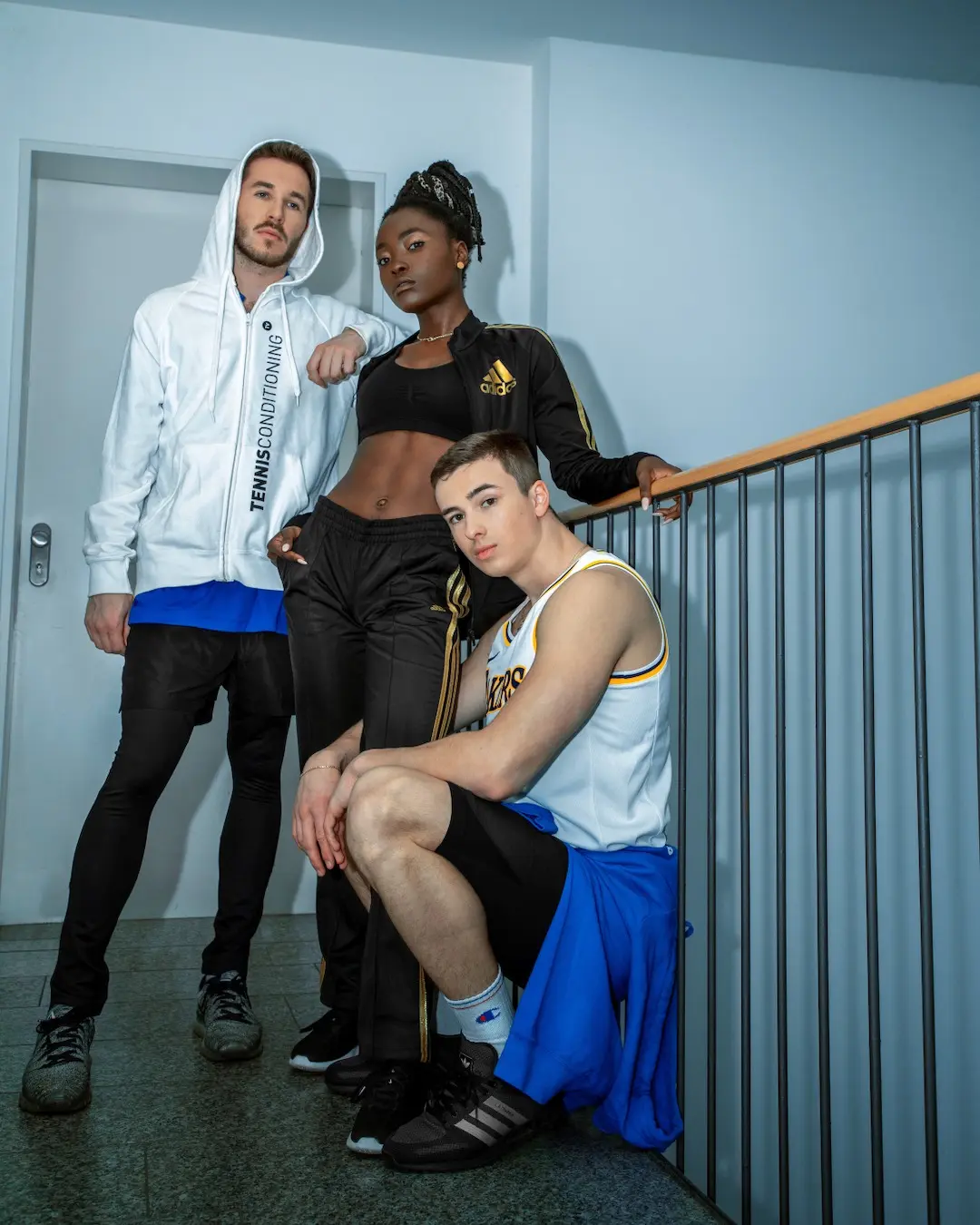
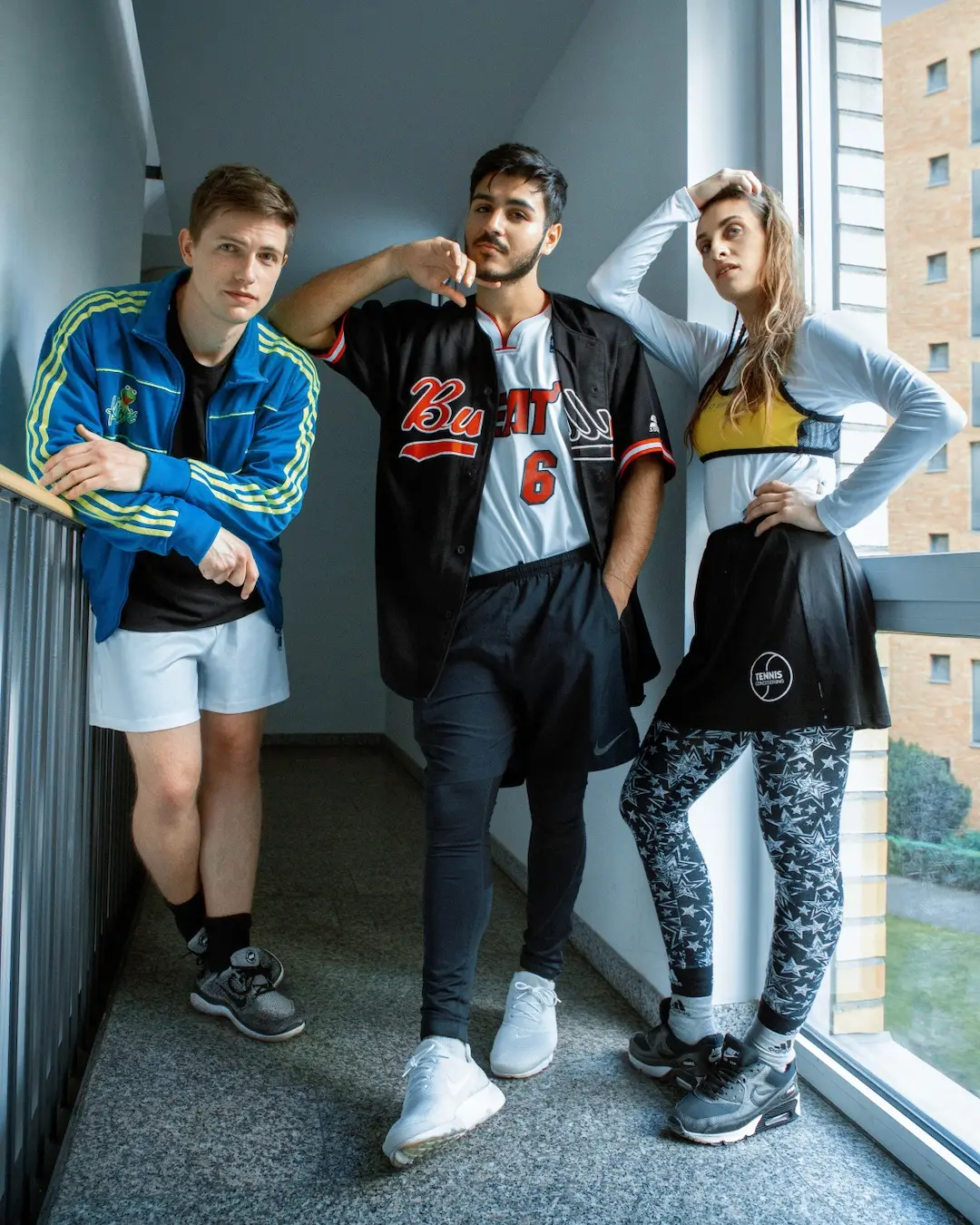
The four-location production moved from the Paulstraße basketball court to the Futurium, a soccer area near Berlin Hauptbahnhof and a street-workout park on Lehrter Straße. Planning the chapters together made it possible to vary the atmosphere while preserving continuity across cast, wardrobe, color and movement.
The production delivered a broad asset mix in one campaign language: group action, individual portraits, environmental frames, product-detail moments, horizontal hero options, vertical social crops and a finished one-minute video.
Before the cameras came out, the production needed a hierarchy. Hero images had to carry a page or presentation on their own. Supporting frames needed to connect the larger moments. Portraits had to introduce individual athletes, while group scenes established community and scale. Capturing those roles deliberately prevented the final edit from becoming a collection of similar action shots.
The location order was also a creative decision. The enclosed basketball court supplied texture, color and intimacy. The Futurium introduced open sight lines and graphic architecture. Football and workout settings widened the athletic vocabulary. Together, the locations created variation without forcing the campaign into unrelated visual styles.
The shot plan treated orientation as part of production rather than an afterthought. Horizontal frames leave room for headlines and work naturally across campaign pages, presentations and video thumbnails. Vertical portraits give social placements stronger subject scale. Wider group images provide context, while tighter frames create rhythm between action sequences.
Motion was planned as a parallel deliverable. The film uses details, movement and interaction that cannot be communicated by still photographs alone. Photographing and filming within the same production system kept the cast, styling, locations and color language consistent. For a brand, that approach reduces the visual drift that often appears when still and motion assets are commissioned separately.
The completed work demonstrates a campaign-level capability rather than a single photographic style. It shows how pre-production, location strategy, casting, framing and motion can turn one shoot day into a connected asset library.
Important context: Because this was a speculative portfolio project, the outcome should be evaluated as creative proof—not as evidence of Nike commissioning, publishing or measuring the work.
Photography: Phil Halfmann
Creative and art direction: Sophia Lenore
Film: Ben Zola
Makeup: Guerdy Casimir
Hair: Besie Jide-Pedro
Wardrobe styling: Yui Iida
Build the stills and motion system before shoot day. I help brands translate a campaign idea into a practical image plan—covering creative direction, production, photography, short-form video and usage.
