
A Gentle Spirit began as a studio fashion and beauty editorial with a simple idea. The goal was to create a quiet, controlled visual world without making the final image library repetitive. Three styling chapters, planned framing variations and coordinated beauty direction moved the story from tailored portraits to expressive full-length images and close beauty work.
The result is a useful example of multi-format fashion and beauty content production. It shows how a focused shoot can create horizontal hero images, vertical fashion portraits, full-length wardrobe coverage and beauty close-ups while preserving one recognizable visual language.
Project Overview
- Production: Studio fashion and beauty editorial
- Creative structure: Three looks with four planned framing families per look
- Primary asset types: Full-length, three-quarter, seated portrait and headshot
- Orientation plan: A deliberate mix of horizontal and vertical images
- Location: Florida, USA
This was an editorial production, not a client campaign with measured sales or advertising results. Therefore, this case study does not claim conversion results. Instead, it shows how pre-production, coordinated styling and disciplined coverage can turn one visual idea into a versatile image library.
The Creative Challenge: Variety Without Losing Cohesion
A shoot can deliver many technically strong images and still produce a weak content library if the frames are too similar. Conversely, adding looks, props and lighting changes without a clear system can make the final edit feel disconnected.
For A Gentle Spirit, the challenge was to balance both needs. The imagery had to feel restrained and elegant, yet the final selection also needed enough visual range to move between fashion, portrait and beauty applications.
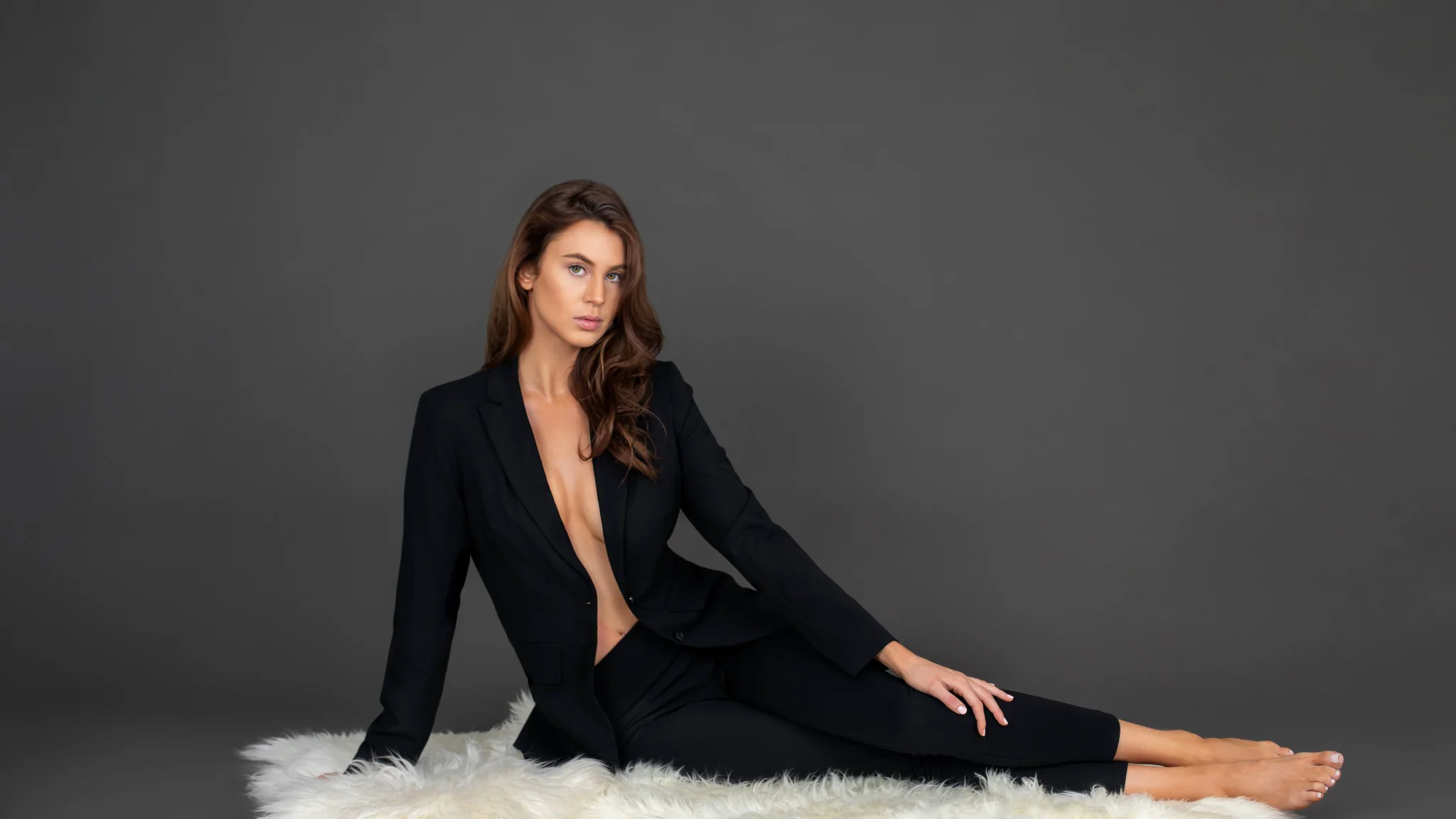
The solution was a controlled visual foundation: a largely monochromatic wardrobe, neutral studio backgrounds, warm skin tones and selective accents such as the red heels. Rather than reinventing the aesthetic for each setup, the team changed pose, crop, styling emphasis and energy while maintaining the same tonal world.
This is the same principle that makes creative direction for fashion campaigns commercially useful. Cohesion creates recognition; planned variation makes the work deployable.
How the Shot Lists Structured the Production
Three shot lists defined the intended coverage before the production began. Each styling chapter was planned around four framing families:
- A full-length seated or reclining image
- A full-length standing image
- A three-quarter standing portrait
- A seated headshot in vertical and horizontal formats
Most fashion frames used a two-light setup from the left and right. The seated headshots simplified the lighting to one dominant source from camera right. That change helped the closer images feel more intimate without breaking the overall visual continuity.

The shot lists were not rigid pose diagrams. They defined coverage, orientation, camera angle and lighting requirements while leaving room for the model, photographer and creative director to refine each frame on set. This is an important distinction: a useful fashion editorial shot list protects the deliverables without scripting every gesture.
Behind the Scenes: From Plan to Finished Frames
The behind-the-scenes video shows how the production moved between styling chapters and framing requirements. It also reveals work that the final still images cannot show. This includes pose direction, small wardrobe adjustments, lighting continuity and the collaboration needed to maintain the visual idea throughout the day.
Three Styling Chapters, One Visual Language
1. Black Tailoring and Controlled Portraiture
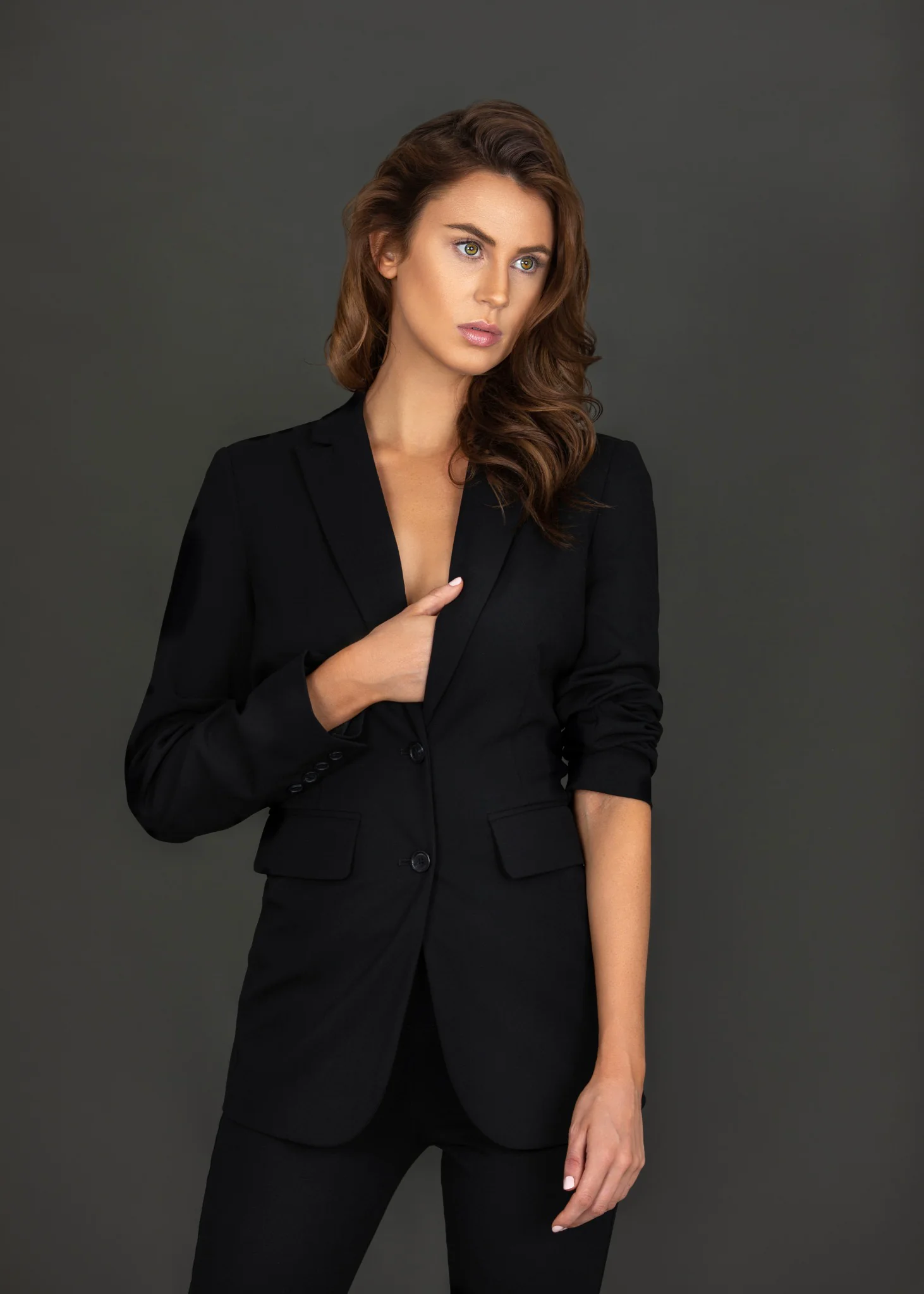
The tailored black look established the production’s most restrained chapter. Clean blazer lines, direct eye contact and a charcoal background created images that feel polished without relying on a complex set.
The horizontal seated frame provides useful negative space for a website header, editorial title or campaign copy. The vertical standing portrait delivers a stronger fashion silhouette for mobile layouts and social publishing. Together, the two images perform different layout roles while clearly belonging to the same visual family.
2. Movement, Pleating and the Red Accent
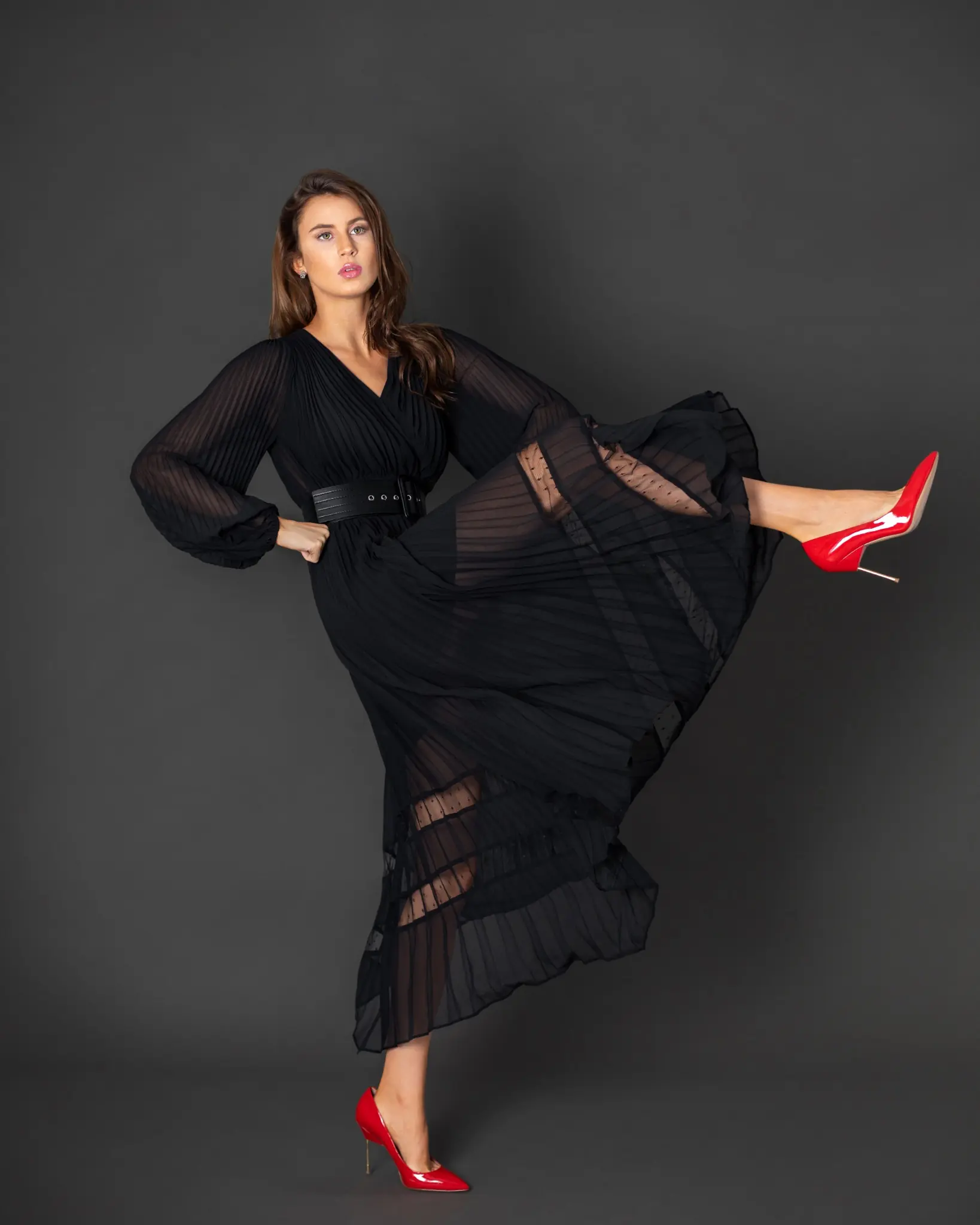
The pleated black dress expanded the range from still portraiture into movement. The wide-brim hat created a graphic horizontal silhouette, while the red heels introduced the production’s clearest color accent.
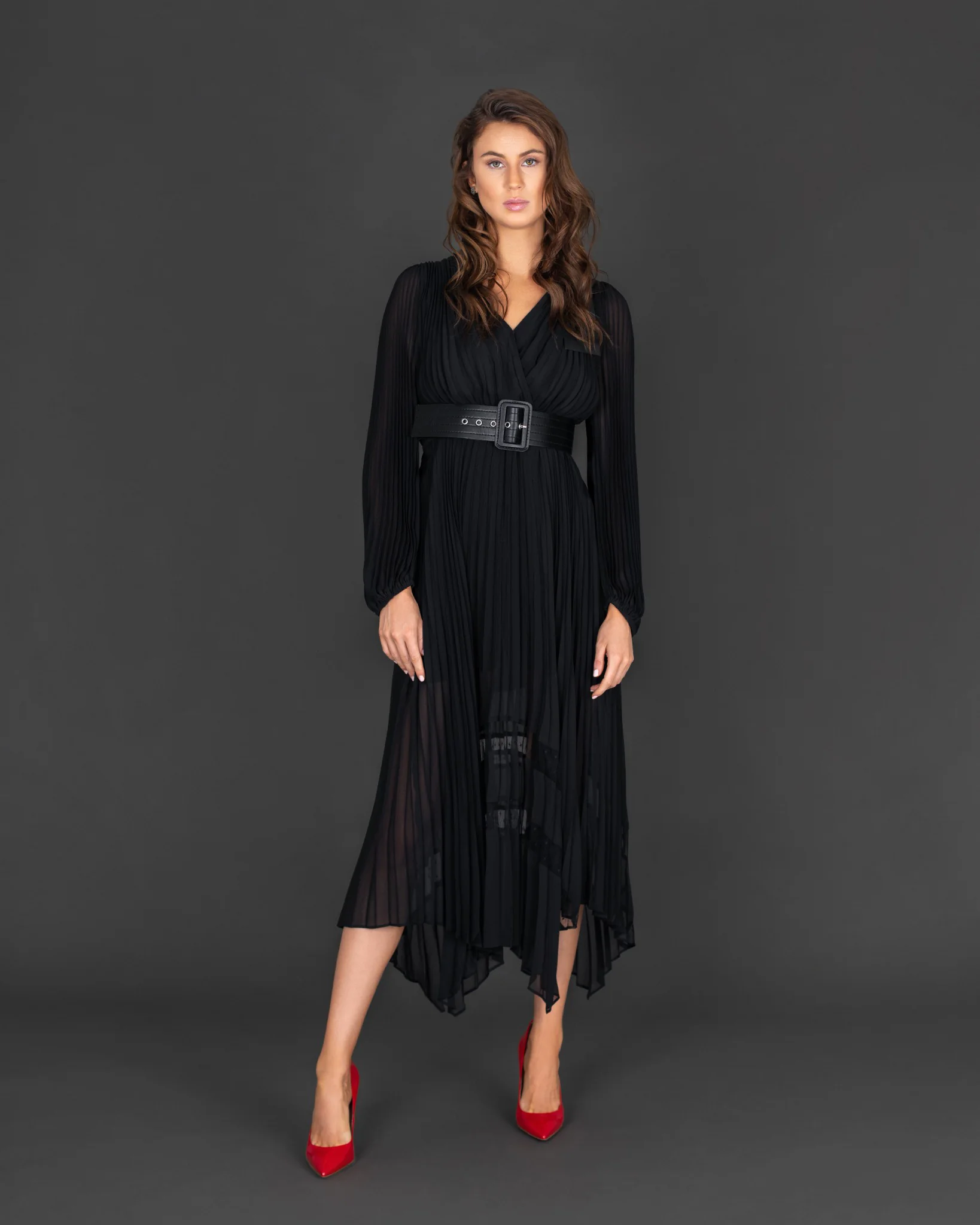
The full-length standing frame records the garment cleanly. The dynamic movement image does something different: it gives the fabric volume, introduces energy and creates a more expressive editorial moment. A content library benefits from both. Garment clarity and visual impact are related, but they are not interchangeable.
3. Beauty Details and Closer Human Connection
The beauty frames simplified the composition and moved attention toward skin, hair, nails and expression. Hair and makeup direction remained soft enough to connect with the fashion images, while the tighter crop made the work suitable for beauty-led storytelling.
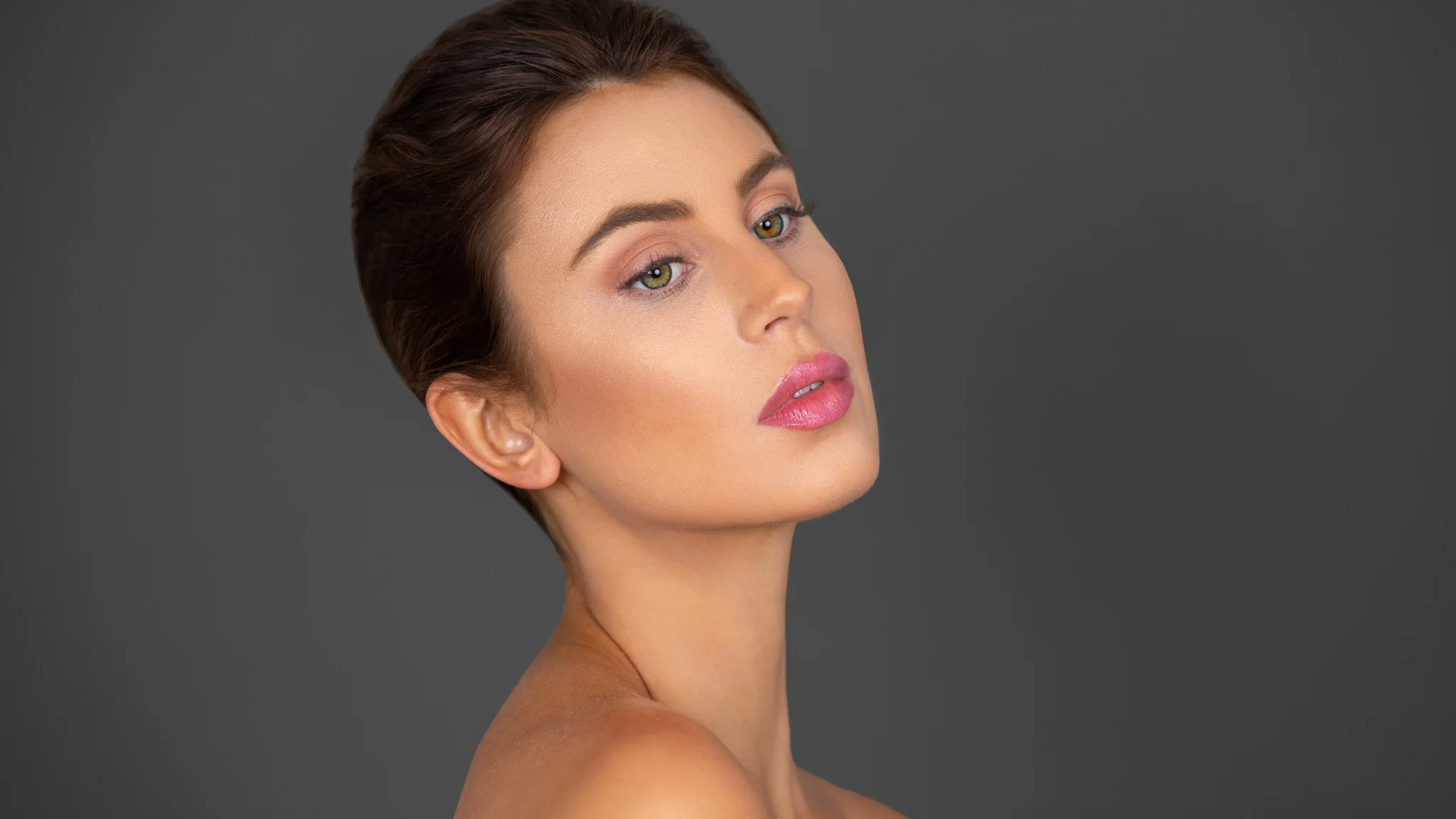
These images also demonstrate why beauty coverage should be planned rather than treated as an accidental crop from a wider photograph. A dedicated headshot allows lighting, pose, hand placement and facial detail to be resolved for the closer frame.

What the Final Image Library Can Support
The completed edit spans several practical asset roles:
| Asset family | Potential use | Why it matters |
|---|---|---|
| Horizontal fashion portraits | Website heroes, editorial headers, PR features | Negative space allows room for copy and flexible cropping. |
| Vertical full-length images | Lookbooks, mobile pages, Pinterest and social posts | The complete silhouette and styling remain visible. |
| Three-quarter portraits | Editorial layouts, organic social and profile features | They balance fashion information with human connection. |
| Beauty close-ups | Beauty storytelling, hair and makeup features, press use | They provide detail that cannot be recovered reliably from a wide frame. |
| Movement frames | Campaign storytelling, social sequences and visual pacing | They add energy and prevent the library from feeling static. |
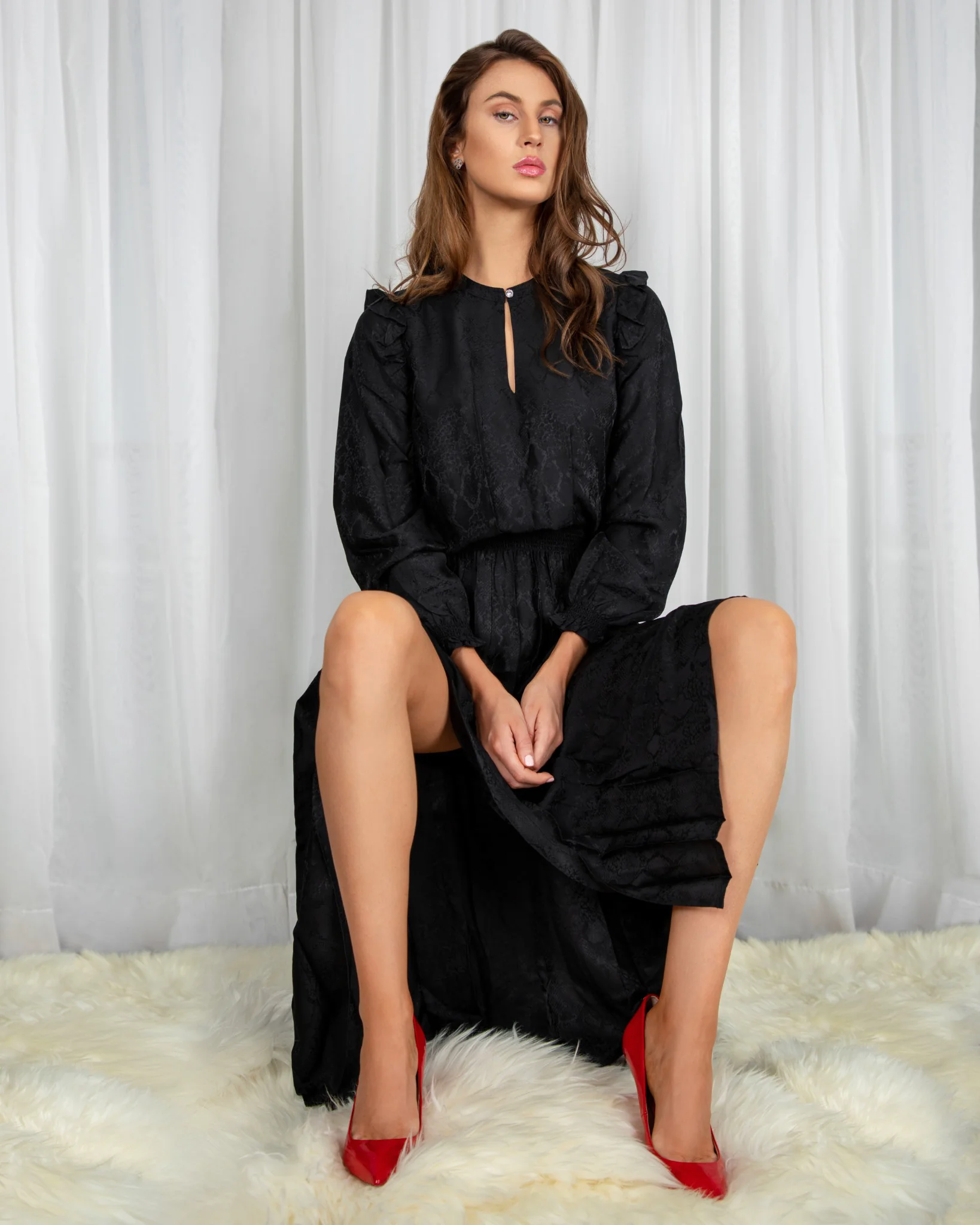
That does not mean every image is automatically suitable for every commercial placement. Usage rights, brand fit, product visibility, platform dimensions and campaign objectives still need to be defined. However, the range demonstrates why teams should decide which campaign images they need before production rather than trying to recover missing formats afterward.
Multi-Format Fashion and Beauty Content Production: The Brand Lesson
The most useful lesson from A Gentle Spirit is not that every shoot needs three looks or twelve planned frames. It is that the shot list should connect each setup to a distinct asset role.
A focused studio production can deliver useful variety without fragmenting the brand aesthetic. The key is to plan horizontal and vertical coverage, fashion and beauty crops, stillness and movement. When teams postpone those decisions, they often receive many beautiful images that compete for the same placement.
Once the final assets are delivered, consistent filenames, orientations, credits and usage information should also be recorded. The guide to marketing asset metadata explains how that information turns a folder of files into a searchable content library.
Production Credits
- Photographer: Phil Halfmann
- Creative Director: Sophia Lenore
- Wardrobe Stylist: Sophia Lenore
- Hair & Makeup Artist: Sophia Lenore
- Nail Technician: Sophia Lenore
- Model: Rebecca, FRONT Models
- Makeup used: Charlotte Tilbury Makeup
- Hair products used: L’Oréal
- Nail products used: USLU Airlines
Product references identify items used during the editorial and do not imply that the production was commissioned or sponsored by the named brands.
Explore Related Work
Berlin Sports Campaign Photography · Sculptural Headpieces in Berlin · Pretty Boy Joy
Plan a More Versatile Campaign Image Library
For a commissioned production, review the fashion and beauty photography services or send a project inquiry with your launch date, required stills and motion, intended channels and usage. The editorial above demonstrates production choices; commercial scope and licensing are agreed separately.
If your next fashion or beauty production needs to support a website, launches, social content, paid media or PR, the asset mix should be defined before the shoot. Explore more fashion and beauty photography case studies, or request a free Visual Audit to identify gaps in your current campaign content.