
A fashion campaign location release should be signed before a brand treats a location as production-ready. The document confirms who may enter the property, what the crew may do there and how the resulting photography or footage may be used. However, a release is not a universal permission slip. It may not replace a public-space permit, insurance certificate, drone authorization, artwork clearance or consent from people who appear in frame.
That distinction matters because location risk does not end when the crew wraps. A vague agreement can disrupt access on the shoot day, create an unexpected restoration bill or limit the campaign after the assets have been delivered. Brands therefore need to evaluate the location as both a physical production environment and a rights-controlled commercial asset.
This guide explains what a fashion campaign location release should cover, how it differs from related documents and what the brand, producer and creative team should verify before deposits become non-refundable. It provides a practical framework rather than jurisdiction-specific legal advice. For complex, international or high-value campaigns, the final agreement should be reviewed by qualified local counsel.
Table of Contents
- What is a fashion campaign location release?
- Release vs. permit vs. insurance
- Who can authorize the location?
- Fourteen terms to verify
- What the release does not clear
- Pre-production approval workflow
- Practical fashion campaign example
- Location-release checklist
- Common mistakes
- Frequently asked questions
What Is a Fashion Campaign Location Release?
A fashion campaign location release—also called a location agreement, property release or location licence—is a written agreement between the production party and the person or organization authorized to control the property. It grants defined access for photography, filming and related production activity. It should also address the right to reproduce and commercially use recognizable elements of the approved location in the finished campaign.
The production party may be the brand, agency, production company or another legal entity. The correct choice depends on who is hiring the location, carrying the insurance and accepting responsibility for the crew. Naming “the photographer” informally when the brand’s company is actually commissioning and controlling the campaign can create uncertainty about who holds the rights and obligations.
The release belongs downstream from fashion campaign location scouting. Scouting determines whether the environment works creatively and operationally. The release converts the selected option into defined access, activity and usage rights. One process cannot substitute for the other.
Production-ready means more than booked. A location is ready only when access, permitted activity, usage, insurance, safety, cost and contingency have been resolved in writing.
Location Release vs. Permit vs. Insurance
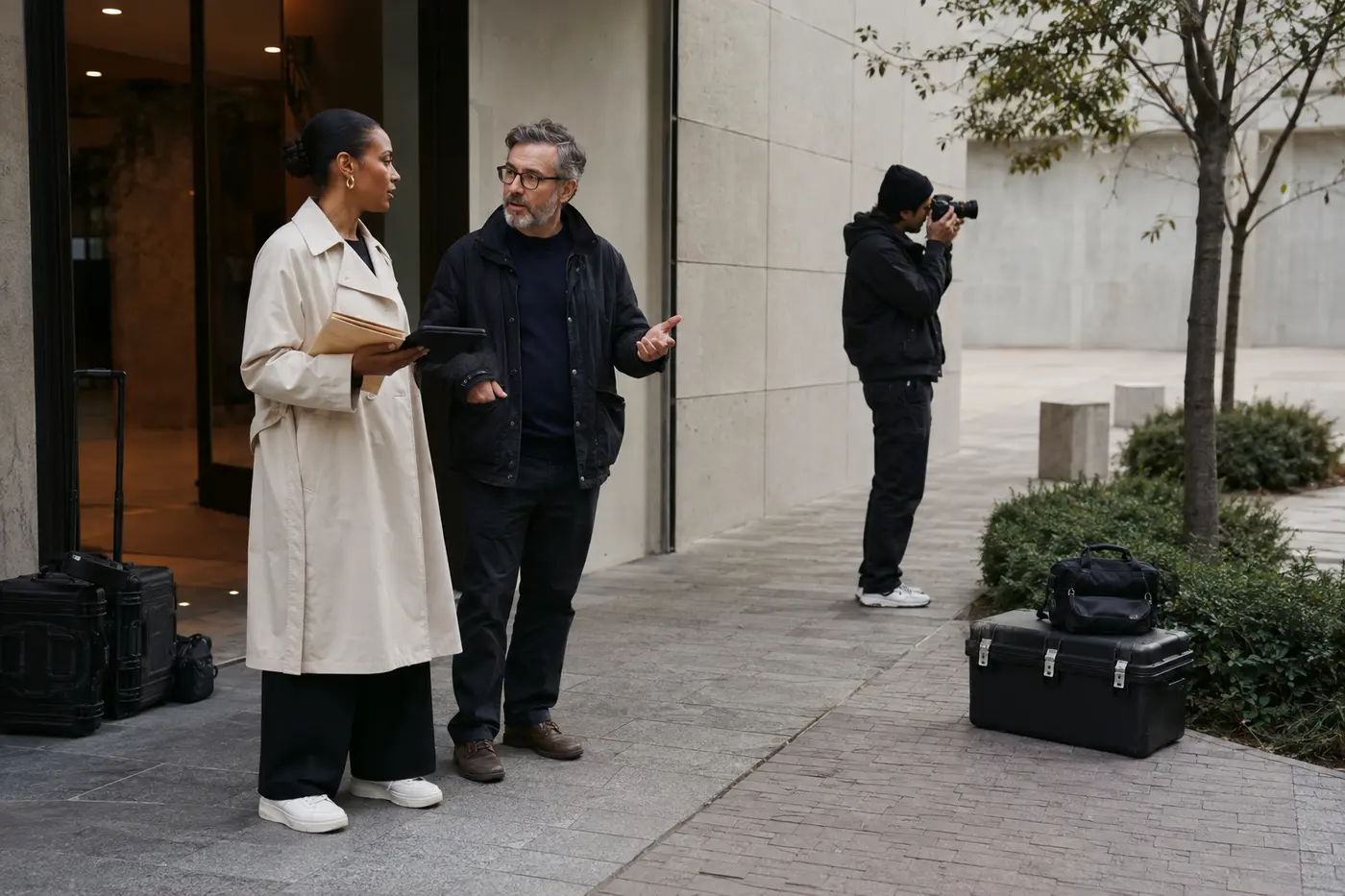
Teams often use “permission” as if it were one document. In practice, several approvals may apply to the same shoot. The exact requirements depend on the location, jurisdiction, footprint and activity.
| Document or clearance | Primary purpose | Usually issued or signed by | What it does not automatically solve |
|---|---|---|---|
| Location release or agreement | Grants defined access and property-use rights | Owner, lawful occupier or authorized representative | Municipal controls, traffic, public land or unrelated third-party rights |
| Film or photography permit | Authorizes regulated production activity in a public or controlled area | City, municipality, film office, park authority or other agency | Permission from a private owner or rights embedded in the scene |
| Certificate of insurance | Shows that required coverage is in force | Insurer or broker | Permission to enter, film or alter the property |
| Additional-insured endorsement | Adds a specified party to relevant coverage | Insurer | The commercial terms of the location booking |
| Third-party clearance | Addresses artwork, trademarks, music, people or other protected material | Applicable rights holder | General property access or public authority |
A campaign may need several rows from this table. For example, a model may stand inside a privately owned hotel while the camera, lighting or vehicle occupies a public sidewalk. The private location agreement may cover the hotel interior, yet a municipal permit may still be required for the public footprint. Film London states that proof of public liability insurance is required for permission to film or conduct commercial photography, while the City of Amsterdam explains that filming and photography may require notification, a permit or other approval depending on the activity.
The operational truth is simple: a property owner cannot grant authority the owner does not possess and a city permit does not automatically grant a private owner’s consent.
Who Can Authorize a Fashion Campaign Location?
The signature is useful only if the signer has authority to grant the promised rights. A friendly venue manager may control daily access but lack authority to approve commercial image use, structural changes or a large crew. Likewise, a tenant may need the landlord’s consent, while a property-management company may have authority only within a written mandate.
Before signing, verify:
- the full legal name of the owner or controlling entity
- the signer’s title and relationship to that entity
- whether a landlord, board, municipality or parent company must also approve
- whether different parties control the building, exterior, parking area, artwork or adjacent land
- whether the agreement identifies the brand, agency or production company that will use the location
If authority is uncertain, request evidence or an additional signature before paying a substantial non-refundable fee. This is not distrust; it is chain-of-authority verification. The campaign should not depend on permission that disappears when a more senior decision-maker sees the call sheet.
14 Terms Every Fashion Campaign Location Release Should Address
No single template works for every country, property or production. Nevertheless, the following terms form a practical review framework for brands and producers.
1. Correct parties and authorized representatives
Use complete legal names, addresses and contact details. Identify who can approve changes during prep, production and wrap. If an agency signs for the brand, confirm whether the rights can be assigned or extended to the brand, its affiliates, media partners and distribution vendors as required.
2. Exact property and permitted areas
Define the street address plus the rooms, exterior zones, entrances, loading areas, parking spaces, restrooms and holding areas included. Attach a floor plan or annotated scout photographs when boundaries are not obvious. Also list excluded areas. “Use of the property” is too broad for the owner and too vague for the crew.
3. Prep, shoot, hold and restoration dates
Specify every access window, not only the hours when the camera is active. Load-in, lighting setup, hair and makeup, wardrobe, client arrival, strike, cleaning and final inspection all consume time. If the location must remain on weather hold, document the hold date and decision deadline separately.
4. Approved production activity
Describe still photography, motion, sound recording, behind-the-scenes capture and any live or remote client review. Add crew size, talent count, equipment footprint, generators, vehicles, drones, music playback, animals, minors, haze, water, food styling, rigging or stunts when relevant. An agreement for “a photoshoot” may not cover a combined stills-and-motion campaign with a larger technical footprint.
5. Access, security and site representation
Name the key holder or site representative and state whether that person must remain on location. Confirm access codes, security procedures, lift reservations and delivery rules. The fashion campaign call sheet should repeat operational contacts and arrival instructions, but it should not be the only record of agreed access.
6. Fees, deposits, overtime and extra charges
Separate the location fee from tax, security, cleaning, utilities, parking, site-representative time, overtime and restoration charges. Define when overtime begins, how it is measured and who may approve it. A low headline rate can become expensive when mandatory extras remain undefined.
7. Cancellation, postponement and weather
State what happens if the brand cancels, the owner withdraws access, weather makes the shoot impractical or a force-majeure event prevents production. Include rescheduling rights, retained deposits, replacement dates and deadlines. A weather-dependent exterior needs a decision process, not simply a hope that conditions improve.
8. Physical changes and restoration
List what may be moved, covered, attached, painted, dressed or removed. Clarify floor protection, footwear, wall fixings, furniture handling, practical lights and landscape restrictions. Then define the restoration standard, inspection process and timeline for reporting damage.
9. Condition report and damage procedure
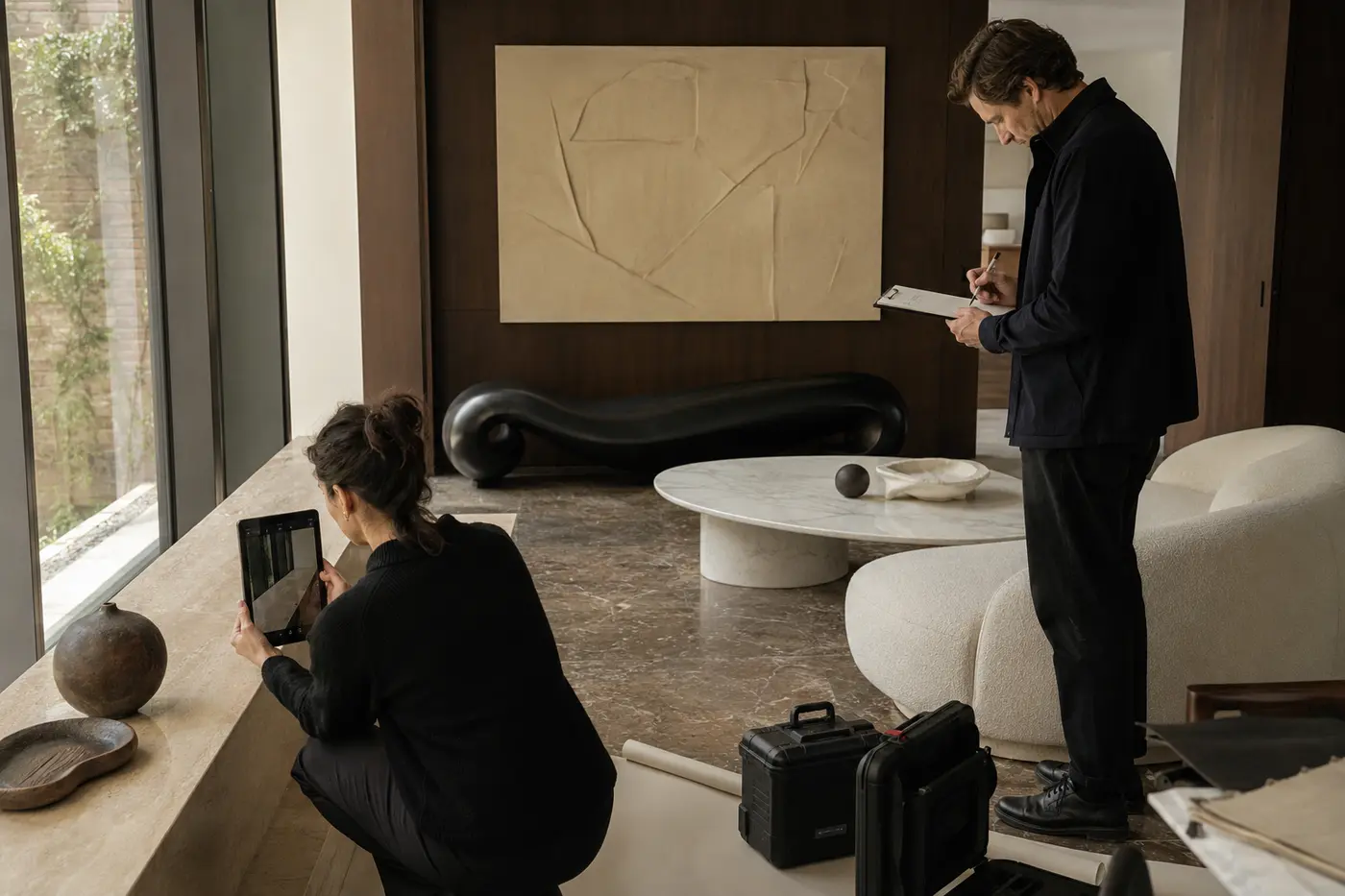
Photograph or video the property before equipment enters. Record existing marks, fragile items and restricted surfaces. Ideally, both sides acknowledge the condition record. The agreement should explain notification, evidence, repair estimates and payment if damage occurs.
10. Insurance and allocation of responsibility
Confirm required coverage types, limits, certificate deadlines and any additional-insured wording. The agreement may also allocate responsibility through indemnity or limitation clauses. Those provisions can carry material financial consequences and should be reviewed by a qualified professional rather than accepted as harmless boilerplate.
11. Safety, emergency and regulatory requirements
Identify site rules, fire capacity, exits, electrical limits, working-at-height restrictions and emergency contacts. Determine who supplies risk assessments, method statements or other required documents. The guide to fashion campaign production roles helps assign responsibility, but the location pack must name the actual person who owns each safety dependency.
12. Right to depict and use the location
The fashion campaign location release should state whether the production may photograph or film the approved property and use recognizable depictions in the finished assets. Align the language with the intended campaign media, territories and duration. Also confirm whether the right covers edits, crops, composites, adaptations, paid advertising, PR, retail, print, out-of-home and third-party distribution.
Do not assume that physical access automatically grants unrestricted commercial exploitation. Conversely, avoid buying unnecessarily broad rights without understanding the value and cost. The intended use should match the photography licensing and usage plan for the campaign.
13. Owner approvals and restrictions
Some agreements give the owner approval over how the property appears. That may affect selects, retouching, captions, brand adjacency or publication. If approval is unavoidable, define the review material, objective criteria, deadline and result of silence. An open-ended veto can block a launch after production costs are committed.
14. Confidentiality, publicity and credits
Clarify whether the owner may post behind-the-scenes content, identify the brand or announce the shoot before launch. Fashion campaigns often involve unreleased products, talent or positioning. Confidentiality should therefore bind site representatives and any third parties they control when appropriate. Address required location credits separately; they should never appear by assumption.
What a Location Release Does Not Automatically Clear
A signed location agreement controls only the rights held by the signing party. The camera can still capture material controlled by someone else. Review the frame, not only the address.
- Artwork and photography: Paintings, murals, sculptures and framed images may require separate clearance
- Trademarks and trade dress: Logos, distinctive packaging, signs and branded interiors may create legal or brand-conflict concerns
- People: Models, employees, visitors and recognizable members of the public may require consent depending on context and jurisdiction
- Music and audio: Music playing at the venue is not cleared merely because sound was recorded there
- Neighboring property: A rooftop owner may not control the recognizable building next door
- Drones and airspace: Owner approval does not replace aviation, privacy, safety or municipal requirements
- Vehicles and animals: Separate owner, handler, welfare or operational permissions may apply
Where possible, remove or avoid unnecessary rights complications during the technical scout. Reframing an uncleared artwork before production is usually faster and cheaper than licensing it or removing it in post.
A Pre-Production Workflow for Location Approval
The fashion campaign location release should move through a defined approval path rather than circulate as an isolated attachment.
- Translate the approved concept into location requirements. Use the fashion campaign brief and art direction checklist to define creative, channel and production needs
- Scout and score realistic options. Test concept fit, light, formats, access, safety, facilities, rights and contingency
- Identify the controlling parties. Verify ownership, occupancy and signing authority before commercial negotiation is treated as final
- Map every permission layer. List property release, public permit, insurance, additional-insured requirements and third-party clearances separately
- Negotiate the complete operating scope. Confirm activities, areas, people, equipment, access windows, costs and restoration
- Align usage with the media plan. Ensure the location terms support the intended channels, territories and campaign duration
- Complete the technical scout and condition plan. Record restrictions, fragile elements, power, emergency procedures and pre-existing condition
- Submit a controlled approval package. Use the fashion campaign approval workflow to capture legal, production, creative and budget sign-off
- Transfer operational terms into the production pack. The call sheet, schedule and department notes should reflect access and restrictions without exposing confidential commercial terms unnecessarily
- Archive the executed documents. Store the signed release, permits, certificates, condition record, amendments and final usage summary with the campaign rights record
Place these steps inside the broader fashion campaign timeline. Permit lead times, insurance endorsements and owner approvals can become critical-path dependencies. Discovering them two days before production does not make the process faster; it only removes options.
Practical Example: An Architectural Fashion Campaign
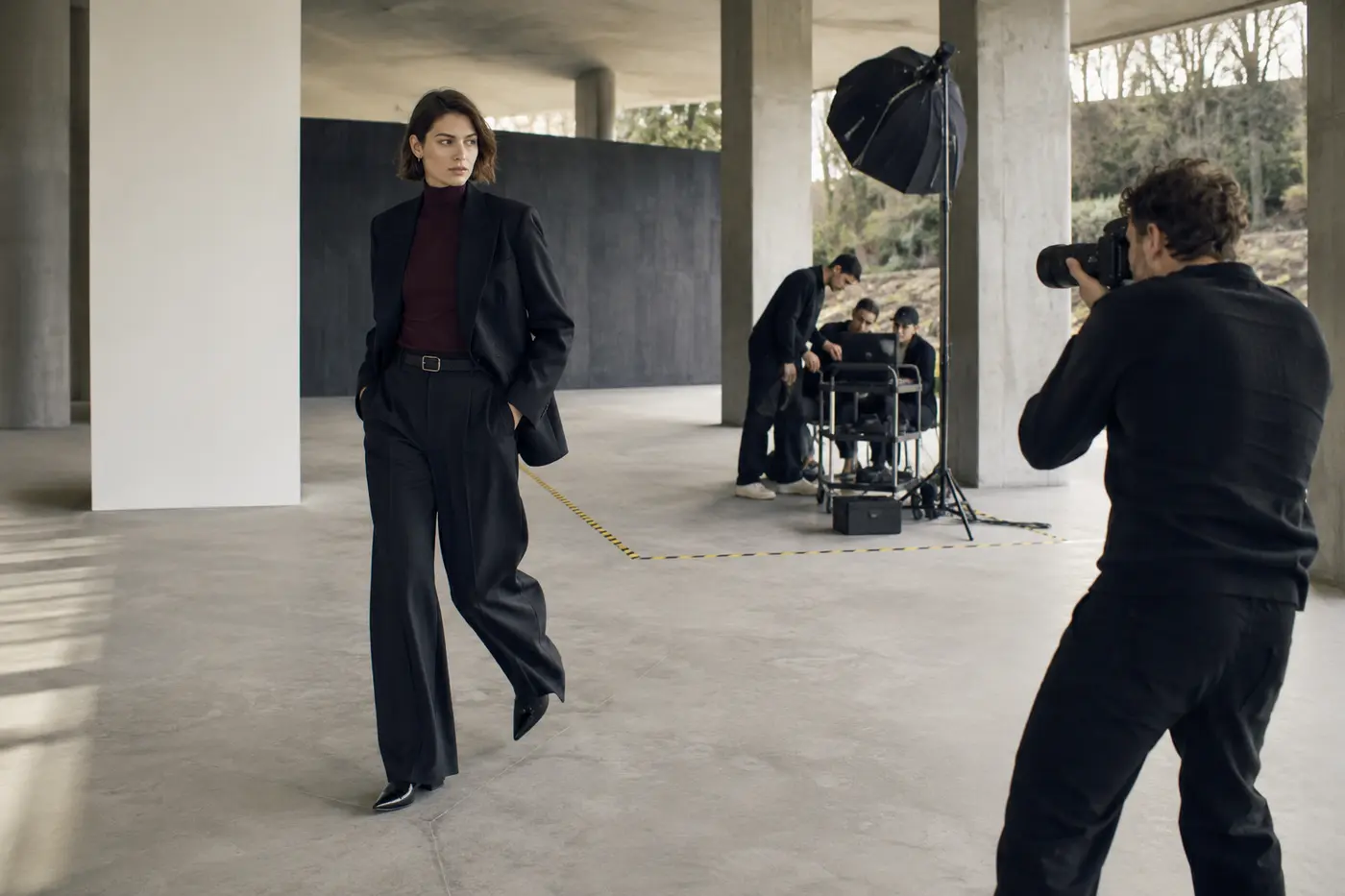
Consider a fashion brand launching a premium tailoring collection. The creative direction uses a privately owned gallery with concrete columns, a covered exterior and a public plaza beyond the entrance. The asset plan includes a website hero, vertical paid-social stills, short-form motion, PR images and behind-the-scenes content.
The initial booking email confirms “full use of the gallery for one day”. That sounds sufficient but leaves several material questions unresolved:
- Does the gallery control the covered exterior?
- Can the camera shoot from the public plaza toward the entrance?
- May the team move benches and bring a battery-powered light outside?
- Are the installations in the gallery cleared or must they be removed from frame?
- Does “one day” include load-in, wardrobe setup and restoration?
- Can the brand use recognizable views in paid advertising worldwide?
- May the gallery post behind-the-scenes images before the launch?
The producer separates the problem into four tracks. First, the fashion campaign location release defines the interior, covered exterior, access hours, furniture movement, condition record, campaign usage and confidentiality. Second, the local authority confirms whether the public footprint needs a permit. Third, the insurer supplies the required certificate and endorsement. Fourth, the art department removes or covers uncleared installations.
The final production pack then states where equipment may stand, which surfaces need protection and who approves overtime. The photographer can work confidently because restrictions were translated into the shot plan before the crew arrived. More importantly, the marketing team receives assets whose location rights match the intended campaign uses.
Fashion Campaign Location Release Checklist
Use this checklist before the location is marked “locked”. A “pending” answer should have a named owner and deadline.
- The correct brand, agency or production entity is named
- The owner or authorized controller has been verified
- Every included and excluded area is documented
- Prep, shoot, hold, wrap and inspection windows are defined
- Stills, motion, sound and behind-the-scenes capture are covered
- Crew, talent, equipment, vehicles and special activity are disclosed
- Location fee, deposit, overtime and mandatory extras are clear
- Cancellation, postponement and weather terms are workable
- Furniture movement, set dressing, rigging and restoration are approved
- A condition record and damage process are agreed
- Insurance certificates and endorsements have deadlines
- Safety rules, emergency access and electrical limits are recorded
- Property depiction and commercial usage match the media plan
- Any owner approval is limited by material, criteria and deadline
- Confidentiality and location publicity are addressed
- Public permits and notifications have been checked separately
- Artwork, trademarks, people, music and adjacent property have been reviewed
- All amendments are written and signed by authorized parties
- The executed documents are stored with the campaign rights record
Download the Fashion Campaign Location Release Checklist
Use this production-ready checklist to verify property authority, access, permitted activities, insurance, public permits, usage rights, restoration responsibilities and third-party clearances before the location is marked “locked.”
Download the Fashion Campaign Location Release Checklist
Common Location-Release Mistakes
Relying on an email that says “approved”
An email may show intent, yet it often omits authority, areas, activity, hours, fees, liability, restoration and content usage. It is not a substitute for a complete agreement when meaningful production or distribution risk exists.
Signing after the deposit or creative lock
Once the team has paid, booked talent and built the concept around one site, its negotiating leverage falls. Review material restrictions before the location becomes emotionally or financially indispensable.
Using the broadest template without adapting it
A long template can still be inaccurate. If the document describes a small stills shoot while the actual plan includes motion, a drone, a generator and forty people, the paperwork is not conservative, it is wrong.
Ignoring the campaign’s future media plan
Owned social may become paid advertising. A regional launch may expand. However, brands should not assume expansion rights or purchase unlimited rights automatically. Document the expected use and create a clear process for extensions.
Giving the owner an unlimited creative veto
Approval rights without deadlines or criteria can delay delivery and weaken creative control. Narrow the review to legitimate property concerns and define what happens if feedback is late.
Treating a public permit as private consent
Public authorities regulate public activity. They do not necessarily control private interiors, façades or adjacent land. Map each physical zone to the party that actually controls it.
Failing to document pre-existing damage
Memory becomes unreliable after a busy production day. A timestamped, acknowledged condition record protects both the location and the production.
Build Rights Into Production, Not Around It
A strong fashion campaign location release does not slow creative production. It creates the operating boundaries that allow the team to move quickly without improvising access, cost or rights decisions on set.
The document works best as part of a larger system: the brief defines what the campaign needs, scouting tests whether the environment can deliver it, the release and permits establish authority, the call sheet communicates approved logistics and the final rights record supports publication and reuse. When those layers agree, the location becomes more than a backdrop. It becomes a controlled part of the campaign’s media infrastructure.
Is Your Campaign Ready for Production?
A free Visual Audit can identify where inconsistent assets, missing formats, unclear approvals or licensing gaps may be weakening your campaign. It is a practical working session, not a sales call, focused on how your visual system supports launches, paid media, web, email and long-term reuse.
Request your free Visual Audit.
Frequently Asked Questions
Do fashion brands need a location release for private property?
Commercial photography or filming on private property should generally be supported by written permission from the authorized owner or controller. The precise legal requirement and appropriate form vary by jurisdiction, property and production. A written agreement also resolves practical terms that verbal permission usually leaves open.
Is a location release the same as a film permit?
No. A location release addresses access and rights granted by the property controller. A permit authorizes regulated activity under the authority of a city, film office, park, transport body or other agency. A campaign may require both.
Who should sign the fashion campaign location release?
The production side should be the legal entity accepting the booking obligations and obtaining the usage rights. The location side should be the owner, lawful occupier or representative with documented authority to grant the specific access and rights promised.
Should the location release cover paid advertising?
If paid advertising is part of the intended campaign use, the agreement should not leave that use ambiguous. Align location terms with the full media, territory and duration plan. If future expansion is possible, establish a written extension process.
Does property permission clear artwork and logos inside the location?
Not automatically. The property controller may not own copyrights, trademarks or other rights in objects visible on site. Review artwork, branded elements, music and recognizable people separately.
When should the location agreement be signed?
Material terms should be resolved before non-refundable production commitments depend on the location. The executed agreement, required permits and insurance documentation should be complete before access begins, subject to local requirements and the production’s risk profile.
Can a location owner approve the final campaign images?
Only if the agreement grants that right. Brands should avoid open-ended approval language. When review is justified, define what the owner may review, the criteria, the response deadline and the consequence of no response.
How long should brands keep location documents?
Retain the executed agreement, amendments, permits, insurance records, condition report and usage summary for at least as long as the assets remain in use or may be reused, plus any longer period required by contract, law, insurer or record-retention policy.