
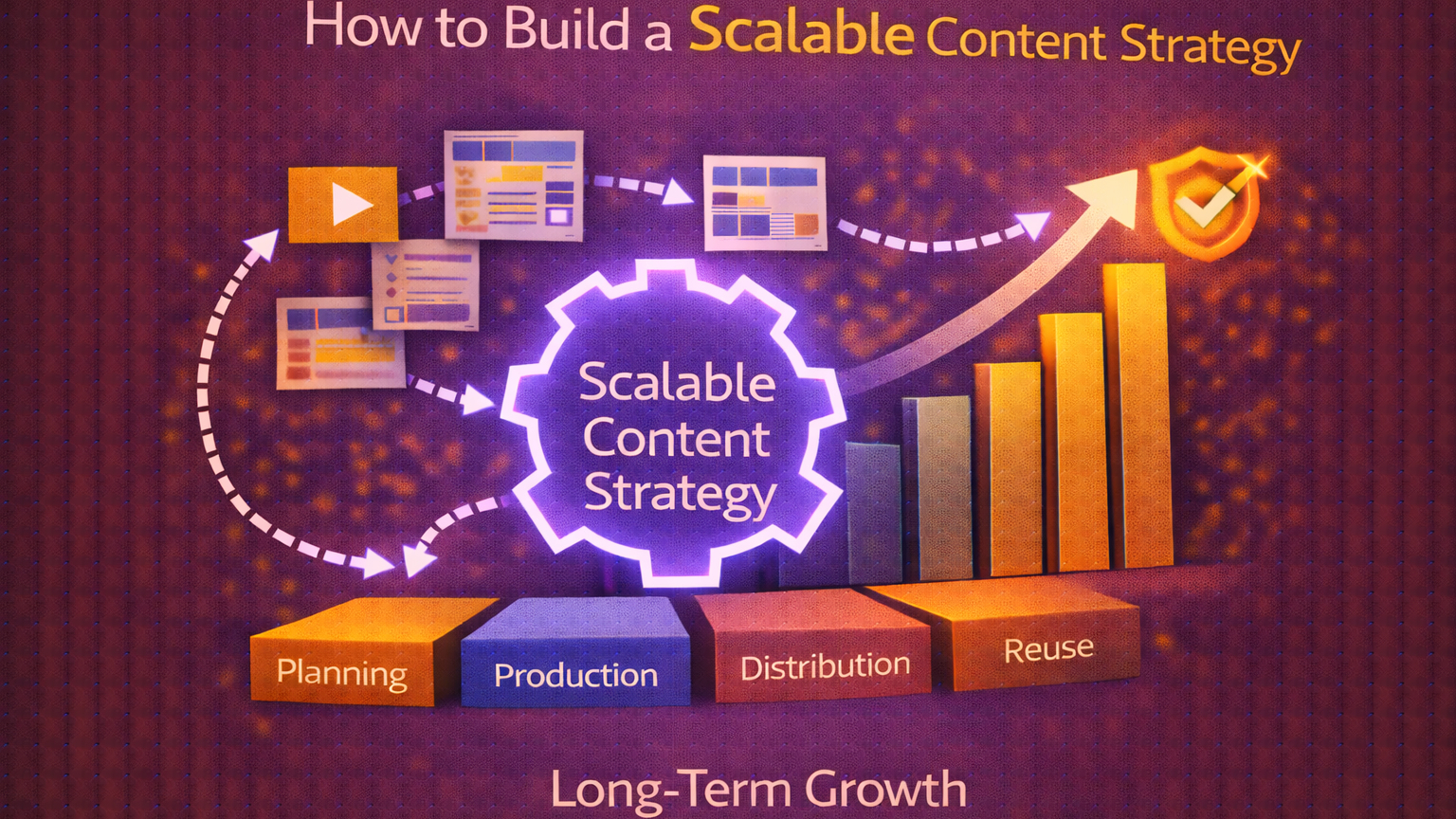
A scalable content strategy isn’t about producing more content — it’s about building a system that performs consistently over time. While many brands focus on output, the ones that grow sustainably invest in structure, planning, and repeatability. As a result, content becomes a long-term asset rather than a recurring expense.
In other words, scale comes from systems, not volume.
What Makes A Content Strategy Truly Scalable
A scalable content strategy is designed to grow without increasing complexity. Instead of relying on constant reinvention, it depends on clear processes and defined priorities.
Therefore, scalability starts with clarity: who the content is for, where it will live, and how it will be reused.
Start With A Content Planning Framework
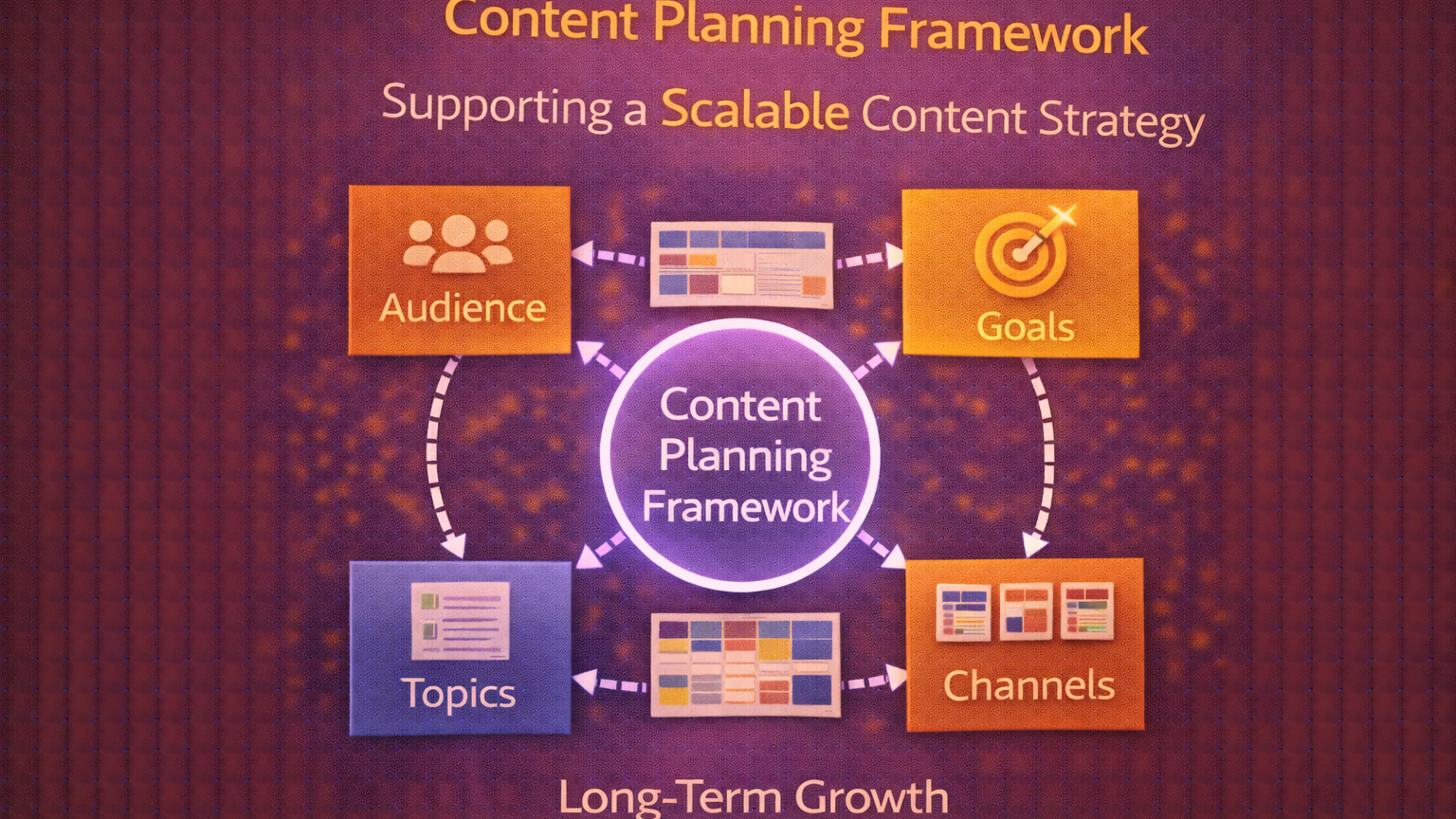
A strong content planning framework aligns content with business goals, audience needs, and distribution channels. Without this foundation, even high-quality content struggles to perform.
By planning content in advance, teams reduce guesswork and improve consistency.
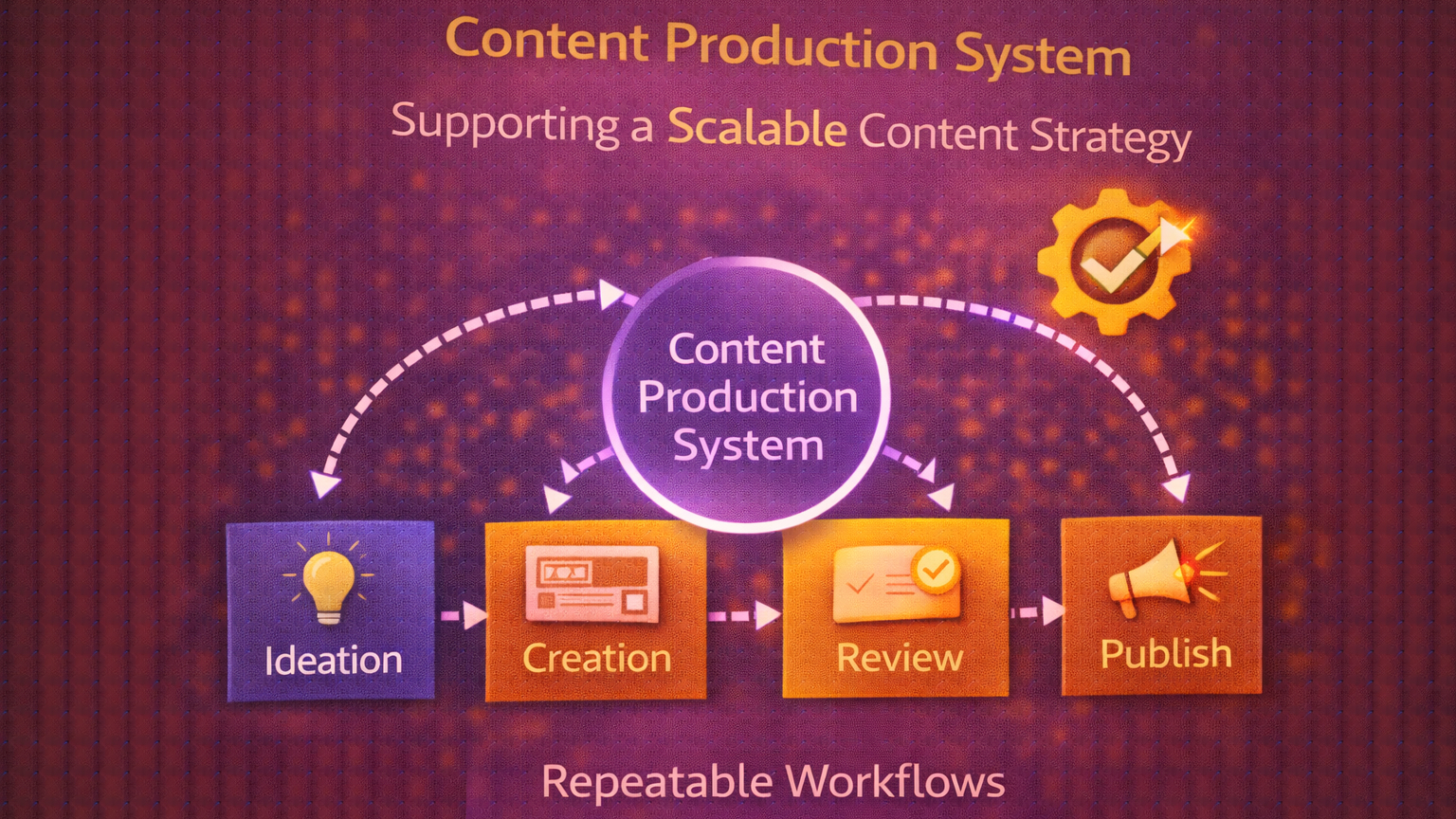
Build a Content Production System
A content production system turns ideas into repeatable workflows. Instead of reinventing the process, teams rely on established formats, timelines, and responsibilities.
As a result, output becomes predictable, quality stabilizes, and collaboration improves.
Why Systems Enable Long-Term Content Growth
Long-term content growth happens when each piece of content builds on what already exists. Systems allow teams to refine, reuse, and improve content over time.
Consequently, performance compounds instead of resetting with every new campaign.
Align Your Scalable Content Strategy With Marketing Goals
A content marketing strategy should not operate in isolation. Instead, it must support broader marketing objectives such as brand awareness, demand generation, and customer education.
When alignment is clear, content becomes more effective — and easier to scale.
Document And Standardize What Works
Once patterns emerge, document them. This transforms intuition into a content production system that others can follow.
Over time, documentation reduces friction and supports long-term content growth.
Measure, Refine And Iterate
Scalability requires feedback. By reviewing performance regularly, teams can refine their content planning framework and improve execution.
Therefore, measurement isn’t about perfection — it’s about progress.
Why Trust Is Built Through Consistency
Audiences trust brands that show up reliably. A scalable content strategy ensures consistent presence without burnout.
This consistency strengthens credibility and supports a stronger content marketing strategy.
Final Thoughts
Learning how to build a scalable content strategy is less about creativity and more about discipline.
With the right content planning framework and a reliable content production system, brands unlock long-term content growth built on trust, consistency, and repeatable execution.
Recommended Next Reads
- We Use The Content Planning Framework Before Every Shoot
- The Compounding ROI Of Planned Content Systems
- Consistency As A Growth Lever