
Brand photography for fashion brands is no longer just about aesthetics. Instead, it has become a critical driver of positioning, perception, and performance. In increasingly competitive markets, brands that invest in structured, high-quality brand photography consistently outperform those that rely on inconsistent or reactive visuals.
Therefore, the goal is not simply to create content — but to create a system of visuals that scales.
What Will You Learn About Brand Photography For Fashion Brands?
Topics Covered
- What is brand photography?
- Why does brand photography matter?
- How does it improve campaign performance?
- How much does brand photography cost?
- What assets should a brand shoot create?
- How often should fashion brands update photography?
- How does photography affect conversions?
- How can brands improve content ROI?
- What mistakes should brands avoid?
What Is Brand Photography?
Brand photography is the intentional creation of visual assets that communicate a brand’s identity, values, personality, and positioning across all marketing channels.
Unlike traditional photography, which may focus on a single product, campaign, or event, brand photography is designed to support the long-term growth of a business.
Its purpose is not simply to create attractive images. Its purpose is to create visual consistency that helps customers recognize, trust, and remember a brand.
For fashion brands, brand photography serves as the foundation of marketing, advertising, website content, social media, email marketing, public relations, and future campaigns.
What Is The Purpose Of Brand Photography?
The goal of brand photography is to create a visual identity that customers can instantly associate with a brand. Strong brand photography helps fashion brands:
- build recognition
- establish credibility
- create consistency
- strengthen customer trust
- improve campaign performance
- support product launches
- improve content ROI
The most successful fashion brands are often recognized before customers even see a logo. Their photography creates a recognizable visual language that appears consistently across every customer touchpoint.
What Is Included In Brand Photography?
Brand photography typically includes a wide range of assets designed for ongoing marketing use.
Brand Story Images
Images that communicate:
- brand values
- company culture
- lifestyle positioning
- target audience aspirations
Campaign Content
Visuals that support:
- seasonal launches
- marketing campaigns
- advertising initiatives
Website Photography
Assets created for:
- homepage banners
- collection pages
- about pages
- landing pages
Social Media Content
Photography optimized for:
- TikTok
Advertising Assets
Images designed for:
- Meta Ads
- TikTok Ads
- Google Display Ads
- Pinterest Ads
Founder And Team Photography
Content that humanizes the brand and builds trust.
Brand Photography vs Product Photography
Many brands confuse brand photography with product photography. However, they serve different purposes.
| Brand Photography | Product Photography |
|---|---|
| Builds brand identity | Showcases products |
| Long-term marketing asset | Sales-focused asset |
| Creates emotional connection | Provides product information |
| Supports multiple channels | Supports product pages |
| Brand-focused | Product-focused |
Product photography helps customers understand a product. Brand photography helps customers understand the brand behind the product. The strongest fashion brands invest in both.
Brand Photography vs Campaign Photography
Another common misconception is that brand photography and campaign photography are the same. They are related, but not identical.
| Brand Photography | Campaign Photography |
|---|---|
| Evergreen content | Launch-specific content |
| Long-term focus | Short-term focus |
| Supports multiple campaigns | Supports one campaign |
| Builds brand recognition | Drives campaign awareness |
Campaign photography may change every season. Brand photography provides the visual consistency that ties everything together.
Why Brand Photography Matters For Fashion Brands
Fashion is highly visual. Customers often form opinions about a brand before reading a single word.
Strong brand photography influences:
Customer Trust
Professional, consistent imagery increases credibility.
Brand Recognition
Customers learn to recognize the brand across channels.
Campaign Performance
Advertising and marketing assets become more effective.
Perceived Value
Strong visuals often justify premium pricing.
Content Efficiency
Assets can be reused across multiple campaigns and platforms. As a result, brand photography contributes directly to marketing performance and business growth.
What Makes Brand Photography Effective?
Effective brand photography typically includes:
Consistency
Visuals feel connected regardless of platform.
Strategic Planning
Images are created with marketing objectives in mind.
Multi-Channel Usability
Assets work across:
- websites
- social media
- advertising
- email marketing
Strong Brand Positioning
Photography reinforces how the brand wants to be perceived.
Long-Term Value
Assets remain useful long after production ends.
Examples Of Brand Photography Assets
A fashion brand photography project may create:
- homepage banners
- founder portraits
- lifestyle imagery
- campaign visuals
- social media content
- advertising assets
- email marketing imagery
- retail marketing content
- behind-the-scenes photography
The objective is to build a content library that supports marketing activities throughout the year.
Brand Photography Is More Than A Photoshoot
Many fashion brands think brand photography is simply a collection of images. However, the strongest brands view it differently. They see brand photography as a strategic business asset.
Effective brand photography helps brands:
- Build recognition
- Improve trust
- Support campaigns
- Increase content ROI
- Strengthen visual identity
- Improve marketing performance
Ultimately, brand photography creates the visual foundation that supports every marketing effort. It ensures that customers experience a consistent, recognizable, and trustworthy brand regardless of where they encounter it.
Why Brand Photography for Fashion Brands Defines First Impressions
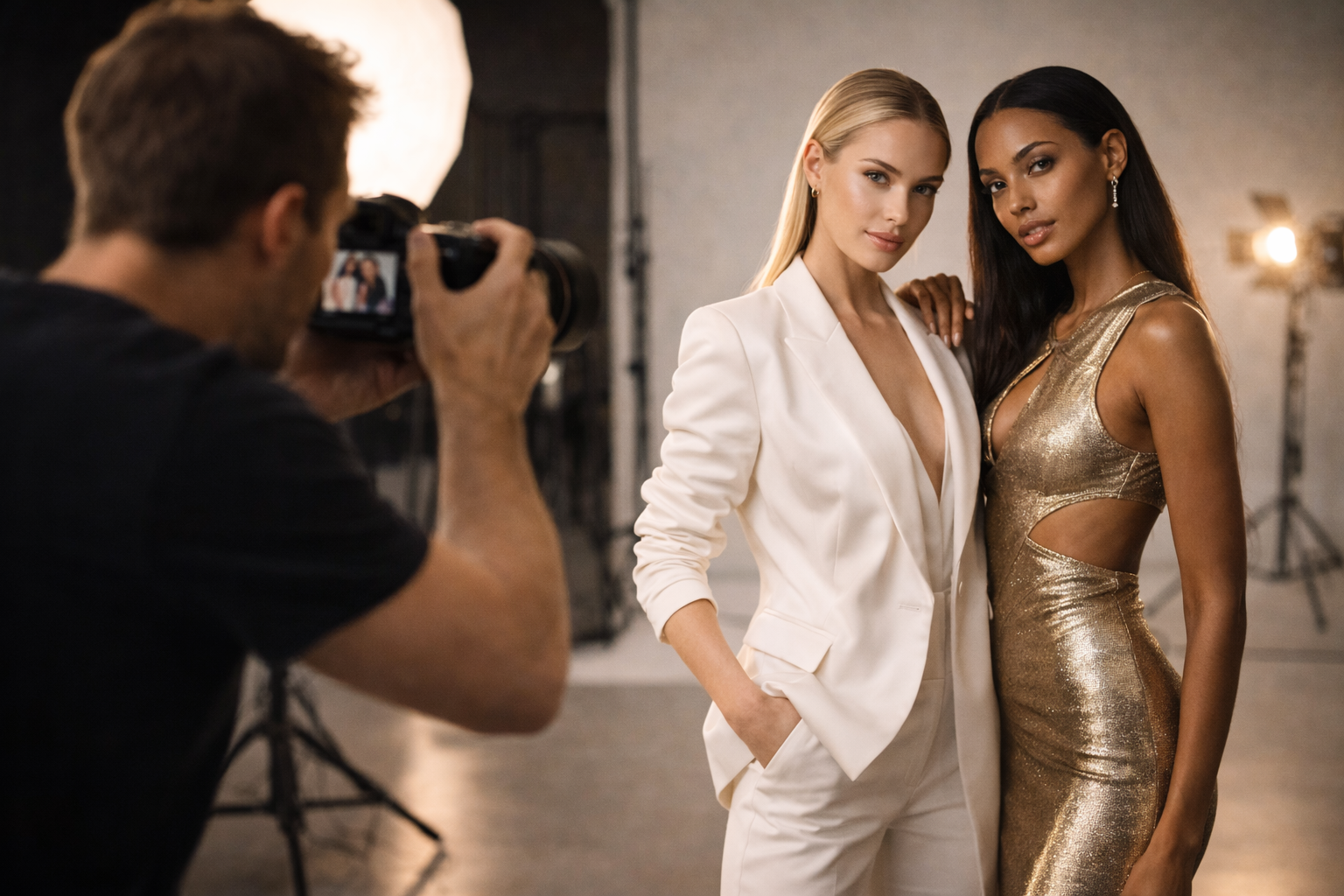
First impressions happen instantly. As a result, photography for fashion brands directly influences how a brand is perceived within seconds.
Strong fashion brand visuals create trust, clarity, and desirability. Meanwhile, inconsistent visuals create friction and weaken brand identity.
The Strategic Role of Fashion Campaign Photography
Fashion campaign photography is where brand identity becomes visible. However, successful campaigns require more than creative direction — they require structure and planning.
For example, strong campaigns generate a range of fashion brand visuals that work across e-commerce, paid media, and social platforms. Consequently, the value of each shoot increases significantly.
Free Visual Audit for Your Fashion Brand
If your visuals are not performing, the problem is often strategic—not creative.
Request a free visual audit to improve your brand photography for fashion brands, strengthen your fashion campaign photography, and optimize your fashion content production.
How Does Brand Photography Improve Campaign Performance?
Many fashion brands evaluate campaign performance based on:
- advertising budgets
- audience targeting
- marketing channels
- promotional offers
However, one of the most overlooked factors is brand photography. Every campaign relies on visual assets to attract attention, communicate value, and build trust.
If those assets are weak, inconsistent, or disconnected from the brand, campaign performance often suffers. Strong brand photography creates a visual foundation that makes every marketing effort more effective.
Improves Brand Recognition
Customers rarely buy the first time they encounter a brand. Instead, they often interact with a business multiple times before making a purchase.
These touchpoints may include:
- social media
- paid advertising
- email marketing
- websites
- influencer partnerships
When brand photography remains consistent across channels, customers begin to recognize the brand more quickly. Recognition reduces friction and increases familiarity.
As a result, campaigns often perform better because customers already have a visual connection with the brand.
Creates Consistency Across Marketing Channels
Many campaigns fail because the customer experience feels fragmented.
For example:
- advertisements look different from the website
- social media uses a different visual style
- product launches feel disconnected from previous campaigns
This inconsistency creates confusion. Strong brand photography creates a unified visual identity that connects:
- Website Content
- Paid Advertising
- Social Media
- Email Marketing
- Retail Assets
As a result, campaigns feel more professional, cohesive, and trustworthy.
Increases Customer Trust
Trust is one of the most important drivers of purchasing behavior. Customers often judge the quality of a fashion brand based on its visual presentation.
Professional brand photography communicates:
- credibility
- professionalism
- quality
- attention to detail
When photography appears inconsistent or outdated, customers may question the quality of the products themselves. Strong visuals help reinforce confidence throughout the customer journey.
Makes Advertising More Effective
Advertising performance depends heavily on creative quality. Even with excellent targeting, weak visuals can limit results. Brand photography improves advertising by providing:
- recognizable imagery
- consistent visual identity
- stronger storytelling
- premium brand presentation
When customers repeatedly encounter a recognizable visual style, advertising becomes more memorable.
This often leads to:
- higher engagement
- better click-through rates
- stronger conversion performance
Supports Faster Campaign Launches
Many brands lose valuable time because campaign assets are not ready when needed. Without a strong library of brand photography, teams often scramble to create content for:
- new collections
- product launches
- advertising campaigns
- seasonal promotions
Brand photography provides a bank of evergreen assets that can be deployed quickly.
As a result:
- launches happen faster
- campaigns become easier to execute
- marketing teams become more efficient
Improves Content Utilization
One of the biggest challenges in marketing is creating enough content. Brand photography helps solve this problem because assets can be used repeatedly across multiple campaigns.
For example, a single image may appear in:
- website banners
- social media posts
- paid advertising
- email marketing
- PR features
The more ways an asset can be used, the greater its value. This significantly improves content ROI.
Strengthens Brand Positioning
Fashion brands compete for attention in crowded markets. Brand photography helps communicate:
- premium positioning
- sustainability
- innovation
- craftsmanship
- luxury
- lifestyle aspirations
The stronger the positioning, the easier it becomes for customers to understand why they should choose one brand over another.
Campaigns become more persuasive because they reinforce a clear brand message.
Reduces Creative Fatigue
Many brands rely on the same campaign imagery until performance declines. Over time, audiences become less responsive to repetitive content. Strong brand photography provides a broader library of assets that can be rotated across campaigns.
This helps:
- maintain engagement
- refresh advertising creatives
- support new marketing initiatives
As a result, campaigns remain effective for longer periods.
Better Photography Creates Better Campaigns
Many brands think campaign performance starts with advertising. In reality, campaign performance often starts with content. Strong brand photography helps campaigns by:
- Improving brand recognition
- Creating cross-channel consistency
- Increasing customer trust
- Supporting advertising performance
- Accelerating campaign launches
- Improving content utilization
- Strengthening brand positioning
- Reducing creative fatigue
Ultimately, brand photography is not just about creating beautiful images. It is about creating visual assets that help every marketing channel perform better.
That is why the strongest fashion brands view brand photography as a strategic investment rather than a creative expense. Every campaign becomes more effective when it is built on a consistent and recognizable visual foundation.
How Much Does Brand Photography Cost?
One of the most common questions fashion brands ask is: “How much does brand photography cost?”
The answer depends on several factors, including:
- production complexity
- talent requirements
- licensing needs
- deliverables
- content usage
A simple content shoot may cost a few thousand euros, while a large-scale brand campaign can easily exceed €20,000 or more. However, the most important consideration is not the cost of the photoshoot itself.
It is the business value the content creates over time.
Strong brand photography supports:
- website performance
- paid advertising
- social media
- email marketing
- product launches
- retailer partnerships
As a result, brand photography should be evaluated as a marketing investment rather than simply a production expense.
Brand Photography Cost Breakdown
Most fashion brand photography projects include four major cost categories:
- Production
- Talent
- Licensing
- Deliverables
Understanding each category helps brands budget more accurately and avoid surprises.
Production Costs
Production is the foundation of the shoot. These costs cover everything required to plan and execute the project.
Typical Production Expenses
- photographer fees
- creative direction
- producer fees
- location rentals
- studio rentals
- equipment rentals
- set design
- props
- retouching
- project management
Typical Investment Range
€2,000–€15,000+
The final cost depends largely on the complexity of the production.
For example:
Smaller Brand Shoot
- studio location
- one model
- half-day production
May range from: €2,000 – €5,000
Campaign-Level Production
- multiple locations
- larger crew
- multiple models
May range from: €8,000 – €20,000+
Talent Costs
Talent often represents a significant portion of the budget. This category includes everyone appearing in or supporting the production.
Models
Fashion model rates vary significantly based on:
- experience
- market
- agency representation
- campaign usage
Typical ranges: €300 – €3,000+ per model
Hair & Makeup Artists
Professional beauty preparation is often essential.
Typical ranges: €300 – €1,500+ per day
Stylists
Fashion stylists help create cohesive visual direction.
Typical ranges: €500 – €3,000+
Additional Crew
May include:
- assistants
- digital technicians
- producers
- art directors
These costs increase with production scale.
Licensing Costs
One of the most misunderstood areas of brand photography pricing is licensing. Many brands assume photography costs cover unlimited usage. However, usage rights often influence pricing significantly.
Photography value is determined not only by production effort but also by commercial usage.
Website Usage
Typical usage:
- homepage banners
- landing pages
- product pages
Generally the most affordable licensing category.
Organic Social Media Usage
Typical usage:
- TikTok
Often included in many brand photography agreements.
Paid Advertising Usage
Advertising generates commercial value. As a result, paid media usage typically requires additional licensing.
Examples:
- Meta Ads
- TikTok Ads
- Pinterest Ads
- Google Display Ads
Paid advertising often increases licensing costs significantly.
Print Advertising
Examples:
- magazines
- brochures
- catalogs
- outdoor advertising
Print distribution usually requires additional licensing consideration.
Global Campaign Usage
The broader the audience, the greater the commercial value.
Examples:
- international campaigns
- multi-market launches
- global advertising
Global usage rights generally command the highest licensing fees.
Typical Licensing Investment
€500 – €10,000+
depending on:
- audience reach
- duration
- distribution channels
- geographic scope
Deliverables
Deliverables influence both production scope and post-production workload. Examples include:
Brand Photography Assets
- hero images
- lifestyle content
- brand storytelling imagery
Website Content
- homepage banners
- landing page visuals
Advertising Assets
- campaign imagery
- creative testing variations
Social Media Assets
- posts
- stories
- reels
Video Content
- short-form video
- campaign films
- behind-the-scenes content
More deliverables typically require:
- additional shooting time
- increased retouching
- more post-production
Typical Brand Photography Investment Levels
Startup Fashion Brands
Investment Range
€2,000 – €5,000
Typically includes:
- smaller productions
- limited crew
- foundational brand content
Expected Outcomes
- professional website imagery
- social media assets
- initial content library
Emerging Fashion Brands
Investment Range
€5,000 – €10,000
Typically includes:
- campaign photography
- multiple content formats
- strategic planning
Expected Outcomes
- stronger brand consistency
- launch support
- advertising assets
Growth Fashion Brands
Investment Range
€10,000 – €20,000+
Typically includes:
- larger productions
- advertising support
- broader content ecosystems
Expected Outcomes
- improved campaign performance
- larger content libraries
- stronger content ROI
Established Fashion Brands
Investment Range
€20,000+
Typically includes:
- campaign-level productions
- international usage
- extensive content creation
Expected Outcomes
- consistent brand visibility
- scalable marketing support
- long-term content systems
What Determines The Real Value?
Many brands focus on: “How many images do we receive?”
A more valuable question is: “How many marketing objectives will these assets support?”
A strong brand photography project may support:
- Website content
- Paid advertising
- Social media
- Email marketing
- Product launches
- Retail partnerships
- Public relations
The more business activities the content supports, the higher the return on investment.
Brand Photography Is An Investment, Not A Cost
The most successful fashion brands rarely evaluate photography based solely on production expenses. Instead, they evaluate:
- content lifespan
- campaign performance
- advertising effectiveness
- content reuse
- brand consistency
That is why brand photography should be viewed as a strategic marketing investment.
When planned correctly, a single production can generate assets that support multiple campaigns, channels, and revenue opportunities long after the shoot is complete.
What Assets Should A Brand Shoot Create?
One of the biggest mistakes fashion brands make is planning a shoot around images instead of marketing needs. The result is often predictable:
- the website gets updated
- a few Instagram posts are published
- one campaign launches
Then, a few weeks later, the team realizes they need more content. A successful brand shoot should create assets that support the entire marketing ecosystem, not just a single channel.
The goal is not to create more content. The goal is to create content that can be used repeatedly across multiple marketing activities.
Website Content
Your website is often the most valuable marketing asset your brand owns.
A brand shoot should create content specifically for:
Homepage Banners
- hero imagery
- collection highlights
- promotional campaigns
Collection Pages
- category imagery
- seasonal visuals
Product Pages
- lifestyle photography
- contextual product imagery
About Pages
- founder imagery
- team photography
- brand story visuals
Landing Pages
- campaign assets
- launch content
Strong website content improves both brand perception and conversion performance.
Campaign Photography
Every brand shoot should generate campaign-level assets. These images become the visual centerpiece of:
- product launches
- seasonal campaigns
- advertising initiatives
- brand storytelling
Campaign photography typically includes:
- Hero Images
- Lifestyle Photography
- Editorial Content
- Collection Imagery
- Storytelling Assets
These assets often have the longest lifespan and highest strategic value.
Product Photography
Fashion brands need product-focused assets alongside campaign imagery. These assets support:
- e-commerce
- retailer partnerships
- catalogs
- product launches
Typical deliverables include:
- Product-Only Images
- Flat Lays
- Detail Photography
- Styled Product Content
- Collection Photography
Product photography helps customers understand what they are buying.
Paid Advertising Assets
Many shoots fail because advertising content is never planned. Advertising platforms require specific asset types. A brand shoot should create:
- Meta Ad Creatives
- Instagram Ad Assets
- TikTok Ad Content
- Pinterest Ad Imagery
- Google Display Assets
In addition, the shoot should create:
- vertical formats
- square formats
- landscape formats
Advertising content often generates the highest direct revenue impact.
Social Media Content
Social media requires far more content than most brands expect. A successful brand shoot should create:
- Feed Content
- Stories
- Reels
- Behind-The-Scenes Assets
- Lifestyle Content
- Educational Content
- Founder Content
The objective is to create enough content to maintain consistency between major campaigns.
Email Marketing Assets
Email remains one of the highest-performing marketing channels. However, many brands fail to create content specifically for email. A brand shoot should provide:
- Product Launch Visuals
- Promotional Banners
- Seasonal Campaign Assets
- Newsletter Content
- VIP Campaign Visuals
These assets help improve:
- click-through rates
- engagement
- conversions
Brand Story Assets
Customers increasingly want to understand the people behind the brand. A brand shoot should include:
- Founder Photography
- Team Photography
- Behind-The-Scenes Imagery
- Process Photography
- Studio Or Workplace Content
These assets help build trust and strengthen brand identity.
Retail & Wholesale Assets
Brands selling through retailers often require content beyond direct-to-consumer marketing. Examples include:
- Retailer Marketing Materials
- Wholesale Presentations
- Trade Show Content
- Point-Of-Sale Assets
- Product Launch Materials
Retail partners frequently expect brands to provide professional marketing content.
Public Relations Assets
PR opportunities often appear unexpectedly. Without prepared assets, brands may struggle to capitalize on media coverage. A brand shoot should include:
- Press Images
- Founder Portraits
- Brand Story Photography
- Collection Highlights
- Editorial Content
These assets help support:
- magazine features
- interviews
- media coverage
- influencer partnerships
Short-Form Video Content
Modern marketing increasingly requires video. Whenever possible, photography productions should also create:
- Instagram Reels
- TikTok Content
- Advertising Videos
- Product Demonstrations
- Behind-The-Scenes Clips
- Campaign Films
Capturing video during the same production dramatically increases content ROI.
Content Variations
One of the most overlooked deliverables is variation. A single image rarely performs well forever. Every shoot should create:
- Multiple Crops
- Different Backgrounds
- Alternative Compositions
- Different Model Expressions
- Product-Focused Variations
- Lifestyle Variations
These variations help support advertising testing and content longevity.
The Best Brand Shoots Create Content Ecosystems
Many brands think a brand shoot should deliver images. The strongest brands expect something much larger. A successful brand shoot should create assets for:
- Website Content
- Campaign Photography
- Product Photography
- Paid Advertising
- Social Media
- Email Marketing
- Brand Storytelling
- Retail Marketing
- Public Relations
- Short-Form Video
The goal is not simply to fill a Dropbox folder with content. The goal is to create a scalable content ecosystem that supports launches, advertising, sales, and long-term brand growth for months after the shoot is complete.
How Often Should Fashion Brands Update Photography?
One of the most common questions fashion brands ask is: “How often should we update our photography?”
The answer depends on several factors, including:
- growth stage
- product launch frequency
- advertising activity
- content requirements
- marketing objectives
However, one thing is true for almost every brand: If your content is older than your marketing strategy, it’s probably hurting performance.
Many brands continue using the same imagery long after it has stopped supporting growth.
As a result:
- advertising performance declines
- websites feel outdated
- campaigns lose impact
- customers stop paying attention
The most successful fashion brands treat photography as an ongoing business asset rather than a one-time project.
Startup Fashion Brands
Recommended Update Frequency
Every 6 – 12 Months
Typical Characteristics
Startup brands often:
- launch limited collections
- operate with smaller budgets
- focus on building awareness
- rely heavily on organic marketing
At this stage, the objective is creating a foundational content library.
This often includes:
- brand photography
- website imagery
- product photography
- social media content
The goal is consistency rather than volume.
Signs You Need New Photography Sooner
- launching a new collection
- major rebrand
- website redesign
- entering paid advertising
Emerging Fashion Brands
Recommended Update Frequency
Every 3 – 6 Months
Typical Characteristics
Emerging brands usually:
- launch products more regularly
- grow their marketing activity
- increase advertising investment
- expand distribution channels
At this stage, content demand increases significantly.
New photography may be needed to support:
- collection launches
- seasonal campaigns
- advertising initiatives
- retailer partnerships
Brands updating photography every 3–6 months often maintain stronger consistency and customer engagement.
Growth Fashion Brands
Recommended Update Frequency
Quarterly
Typical Characteristics
Growth-stage brands often:
- run active paid advertising
- launch multiple collections annually
- maintain larger content calendars
- require constant creative testing
Quarterly updates allow brands to:
- refresh campaigns
- support advertising
- maintain website relevance
- create seasonal content
This frequency also helps combat creative fatigue in paid advertising. For many growth-stage brands, quarterly content production becomes the minimum requirement.
Established Fashion Brands
Recommended Update Frequency
Monthly Or Ongoing
Typical Characteristics
Established brands typically:
- operate across multiple channels
- launch products continuously
- support international campaigns
- maintain aggressive marketing calendars
At this level, content production becomes a permanent business function.
Many established brands produce content monthly to support:
- advertising
- social media
- website updates
- email marketing
- retail initiatives
- PR campaigns
Rather than scheduling isolated photoshoots, they build ongoing content systems.
Update Photography Immediately If These Signs Appear
Regardless of company size, certain warning signs indicate that your content may already be outdated.
Your Website Feels Stale
Customers see the same imagery month after month. Homepage banners remain unchanged. Collections evolve while visuals stay the same.
Paid Ads Are Losing Performance
Creative fatigue often signals that advertising content needs refreshing. Signs include:
- declining click-through rates
- rising customer acquisition costs
- lower engagement
Product Launches Feel Weak
New collections deserve fresh content. If launches rely on old imagery, excitement and impact decrease.
Your Brand Identity Has Evolved
Changes in:
- positioning
- audience
- visual direction
often require updated photography.
Competitors Look More Current
Fashion is highly visual. Brands with fresh content often appear more relevant and more active.
The Better Question Isn’t “How Often?”
Many brands focus on a calendar. However, the better question is: “How often do we need new content to support our marketing?”
For example:
Brands Running Paid Ads
Usually require more frequent updates.
Brands Launching Collections Regularly
Need ongoing content production.
Brands Focused On Organic Growth
May require fewer updates.
The right schedule depends on content demand rather than arbitrary timelines.
The Most Successful Fashion Brands Don’t Wait For Content Problems
Many brands update photography only after:
- engagement drops
- campaigns underperform
- websites feel outdated
- content runs out
The strongest brands take the opposite approach.
They create content proactively.
As a result, they maintain:
- Consistent branding
- Stronger campaign performance
- Better advertising results
- More content flexibility
- Improved content ROI
- Faster launch execution
For most growing fashion brands, updating photography every 3–6 months is a good starting point.
For brands actively investing in growth, ongoing content production and content retainers often provide the most effective long-term solution because they eliminate the cycle of running out of content altogether.
Fashion Content Production Should Be Built for Scale
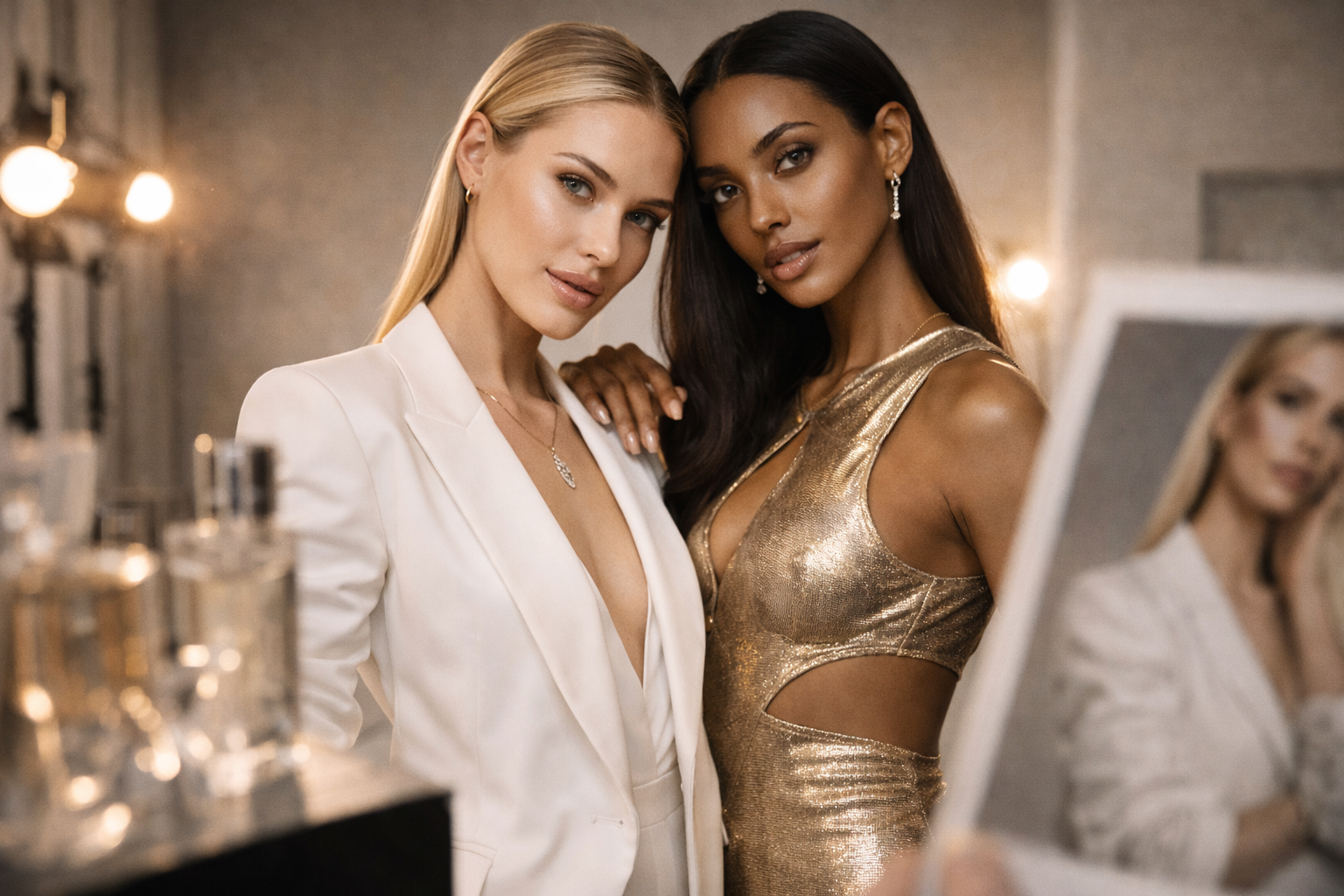
Many brands still approach fashion content production as a one-off activity. However, this approach limits efficiency and reduces long-term value.
Instead, brand photography should be designed to generate reusable assets across multiple campaigns and channels.
Explore fashion campaign photography →
Consistency in Fashion Brand Visuals Builds Recognition
Consistency is what transforms content into identity. That is why strong fashion brand visuals rely on aligned lighting, styling, casting, and color direction.
Over time, consistent fashion marketing photography improves recognition and strengthens positioning.
How Does Photography Affect Conversions?
Many fashion brands think conversion rates are primarily influenced by:
- pricing
- advertising
- product quality
- website design
While these factors certainly matter, photography often has a greater impact than brands realize.
In online retail, customers cannot:
- touch the product
- feel the fabric
- try on the garment
- inspect the details
As a result, photography becomes one of the most important factors influencing purchase decisions. Strong photography helps customers move from interest to purchase. Poor photography creates hesitation, uncertainty, and doubt.
Photography Creates First Impressions
Customers form opinions extremely quickly. In many cases, visitors decide within seconds whether a brand feels:
- trustworthy
- premium
- fashionable
- professional
Photography is often the first thing they notice. If imagery appears outdated, inconsistent, or low quality, customers may leave before evaluating the product itself.
Strong photography creates a positive first impression that encourages further exploration.
Photography Builds Customer Confidence
Customers buy when they feel confident. Photography helps reduce uncertainty by showing:
- fit
- styling
- product details
- fabric texture
- craftsmanship
The more information customers can gather visually, the easier it becomes to make a purchasing decision.
For example:
A customer considering a €200 jacket wants to understand:
- how it fits
- how it drapes
- how it looks from different angles
- how it appears in real-world situations
Strong photography answers these questions before they are asked.
Photography Reduces Purchase Friction
Every unanswered question creates friction. Customers hesitate when they cannot clearly understand:
- sizing
- fit
- materials
- product details
- styling possibilities
High-quality photography removes many of these obstacles.
Examples include:
Detail Images
Show stitching, fabric texture, and craftsmanship.
Lifestyle Photography
Shows how products look in real-world environments.
Multiple Angles
Provides a complete understanding of the garment. When customers find answers visually, the path to purchase becomes easier.
Photography Increases Perceived Value
Customers often associate image quality with product quality. Luxury fashion brands understand this extremely well.
Strong photography can help communicate:
- craftsmanship
- exclusivity
- premium positioning
- attention to detail
As a result, customers may perceive greater value in the product.
This often supports:
- higher conversion rates
- stronger margins
- premium pricing
The photography does not change the product. However, it changes how customers perceive the product.
Photography Improves Product Understanding
Customers are more likely to purchase products they understand. Strong photography helps communicate:
- Fit
- Fabric
- Function
- Styling Options
- Product Features
The easier it is to understand the product, the easier it becomes to purchase. Confusion rarely increases conversions. Clarity does.
Photography Builds Trust
Trust is one of the most important factors in e-commerce. Customers often judge a brand’s professionalism based on its visual presentation.
Consistent, professional photography signals:
- credibility
- quality
- reliability
- attention to detail
When photography appears inconsistent, customers may question:
- product quality
- brand legitimacy
- purchase safety
Trust directly influences conversion performance.
Photography Supports Better Advertising Performance
Photography affects conversions long before customers reach the website. Advertising performance often depends heavily on creative quality. Strong photography can improve:
- click-through rates
- engagement
- ad relevance
- campaign performance
Better advertising creatives attract higher-quality traffic. Higher-quality traffic often converts more effectively. As a result, photography influences multiple stages of the customer journey.
Photography Strengthens Brand Recognition
Customers rarely purchase after a single interaction. Most buying journeys involve multiple touchpoints.
Examples include:
- TikTok
- paid ads
- email marketing
- website visits
Consistent photography creates familiarity. The more familiar a brand feels, the more comfortable customers become. This increased familiarity often contributes to higher conversion rates over time.
Photography Improves The Entire Shopping Experience
The best-performing fashion brands create a seamless visual experience. Customers should be able to:
- browse products easily
- understand collections quickly
- compare products confidently
- visualize ownership
Strong photography helps create a shopping experience that feels effortless. When the customer experience improves, conversion rates often improve as well.
The Conversion Impact Of Strong Photography
Photography influences conversion rates by:
- Creating strong first impressions
- Building customer confidence
- Reducing purchase friction
- Increasing perceived value
- Improving product understanding
- Building trust
- Supporting advertising performance
- Strengthening brand recognition
- Enhancing the shopping experience
Ultimately, photography is not simply a creative asset. It is a conversion tool.
The strongest fashion brands understand that every image plays a role in helping customers move from awareness to consideration and from consideration to purchase. That is why photography should be viewed as a strategic investment in customer acquisition, conversion performance, and long-term brand growth.
From Campaigns to Content Systems
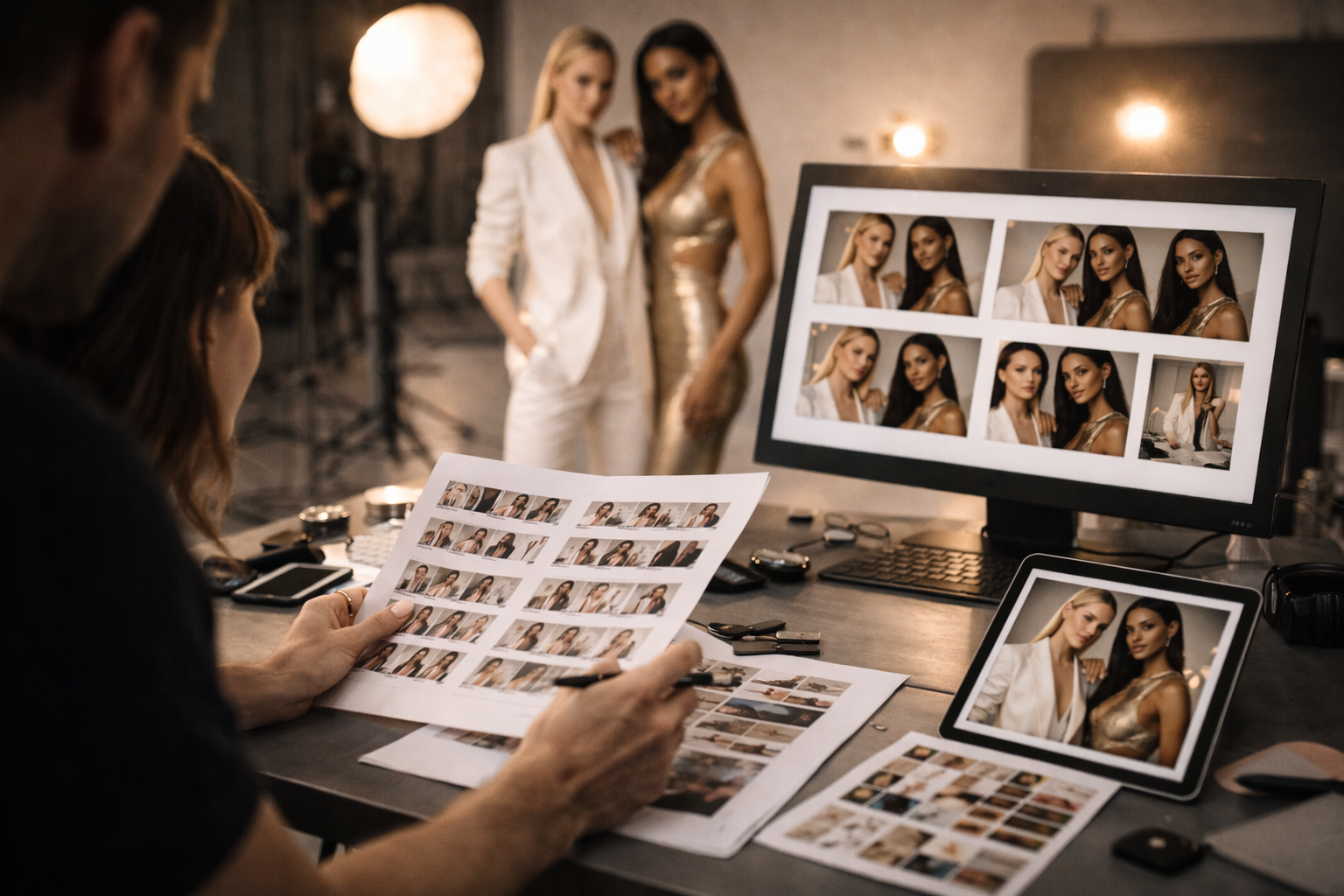
High-performing brands move beyond isolated campaigns. Instead, they build structured fashion content production systems that improve over time.
As a result, fashion campaign photography becomes more efficient, more consistent, and more scalable.
Read: Content systems vs random shoots →
Choosing the Right Approach to Brand Photography for Fashion Brands
Choosing the right approach to brand photography requires more than selecting a photographer. It involves aligning creative direction, production planning, and distribution strategy.
Ultimately, the goal is to create visuals that work across every touchpoint — not just one campaign.
How Can Brands Improve Content ROI?
Many fashion brands believe improving content ROI means producing more content. However, the brands generating the highest returns usually achieve the opposite.
They create content more strategically. Content ROI improves when every asset works harder, lasts longer, and supports multiple business objectives.
The goal is not to fill content calendars. The goal is to maximize the value generated by every production.
Plan Content Before The Shoot
One of the biggest reasons content underperforms is poor planning. Many brands organize a photoshoot before determining:
- how the content will be used
- which channels need support
- what deliverables are required
- how long the assets should remain useful
As a result, important content is often missing. The highest-performing brands start with marketing needs first. They identify requirements for:
- Website Content
- Paid Advertising
- Social Media
- Email Marketing
- Product Launches
- Retail Partnerships
Only then do they begin planning production. The more intentional the planning process, the greater the ROI.
Create Assets For Multiple Channels
A common mistake is producing content for a single platform. For example, many brands create imagery primarily for Instagram. However, the same production should ideally support:
- websites
- advertising
- social media
- email marketing
- retailer marketing
- PR opportunities
A single image that supports six marketing channels is significantly more valuable than an image that supports only one. The most profitable content is often the most versatile.
Design Content For Paid Advertising
Advertising often consumes more content than any other marketing activity. Yet many brands fail to plan for it. Content should include:
Vertical Assets
For:
- Instagram Stories
- Reels
- TikTok
Square Assets
For:
- Instagram feeds
- Meta Ads
Landscape Assets
For:
- websites
- Google Display Ads
- email marketing
Additionally, campaigns should include multiple creative variations to support testing and optimization. Advertising-focused content often generates some of the highest ROI opportunities.
Create More Variations During Production
Many brands focus on creating a few hero images. However, long-term ROI often comes from variety. Examples include:
- different crops
- different backgrounds
- different model poses
- different product arrangements
- different messaging angles
These variations allow marketing teams to:
- test advertising performance
- refresh campaigns
- extend content lifespan
The more flexibility an asset provides, the greater its value.
Build A Content Library
Content should continue generating value long after a campaign ends. However, many brands lose track of assets because content is poorly organized. A content library should categorize assets by:
- campaign
- collection
- season
- product category
- marketing channel
A well-managed content library makes it easier to:
- repurpose content
- launch campaigns faster
- reduce duplicate productions
As a result, brands extract more value from existing assets.
Repurpose Existing Content
One of the fastest ways to improve content ROI is to reuse content more effectively. A single campaign can often generate:
- Website Assets
- Social Media Content
- Advertising Creatives
- Email Marketing Visuals
- Blog Content
- PR Materials
The highest-performing brands rarely use content once. They continuously find new ways to distribute existing assets.
Improve Content Lifespan
Many brands evaluate content based on how it performs during the first few weeks. However, long-term value is often more important. Strong content should remain useful for:
- future launches
- seasonal campaigns
- advertising
- evergreen marketing
The longer an asset remains relevant, the greater its return on investment. This is one reason why brand photography often delivers higher ROI than highly seasonal content.
Produce Content Consistently
Consistency often outperforms occasional bursts of production. Brands that produce content regularly benefit from:
- larger content libraries
- greater advertising flexibility
- improved brand recognition
- stronger marketing execution
Over time, these advantages compound. Content production becomes more efficient while marketing performance improves.
Track Content Performance
Many brands measure content creation. Far fewer measure content effectiveness. To improve ROI, brands should monitor:
- Conversion Rates
- Advertising Performance
- Engagement Rates
- Click-Through Rates
- Asset Utilization
- Content Lifespan
Understanding what performs best helps guide future production decisions. The most successful brands use performance data to refine their content strategy continuously.
Build Content Systems Instead Of Random Shoots
The brands generating the highest content ROI rarely rely on isolated productions. Instead, they build systems. Content systems help brands:
- plan proactively
- create reusable assets
- support multiple channels
- maintain consistency
- reduce production waste
As a result, every production contributes to long-term business growth.
The Biggest Content ROI Mistake
Many brands ask: “How many images will we get?”
The better question is: “How many marketing objectives will these assets support?”
A campaign that generates content for:
- Website Content
- Paid Advertising
- Social Media
- Email Marketing
- Product Launches
- Retail Partnerships
will almost always outperform a campaign that creates the same number of images for a single channel.
Ultimately, content ROI is not determined by the quantity of content produced. It is determined by how effectively that content supports growth.
The highest-performing fashion brands improve content ROI by creating assets that work harder, last longer, and support more of the customer journey.
What Mistakes Should Fashion Brands Avoid?
Many fashion brands invest significant time and money into photography, content production, and marketing. However, the biggest challenges often come from avoidable mistakes rather than insufficient budgets.
In many cases, brands do not struggle because they lack content. They struggle because they create the wrong content, use it inefficiently, or fail to align it with business objectives.
Avoiding the following mistakes can dramatically improve campaign performance, content ROI, and long-term brand growth.
Creating Content Without A Marketing Strategy
One of the most common mistakes is treating content production as an isolated activity. Many brands organize a photoshoot before answering critical questions such as:
- What is the campaign objective?
- Who is the target audience?
- Which channels will use the content?
- How will success be measured?
Without clear goals, content often lacks purpose.
The strongest brands plan content around:
- launches
- advertising campaigns
- website updates
- customer acquisition goals
Content should support a marketing strategy, not replace one.
Prioritizing Aesthetics Over Performance
Beautiful content does not automatically generate results. Many brands become focused on creating visually impressive imagery while overlooking business performance. Effective content should support:
- conversions
- advertising performance
- customer trust
- product launches
- brand recognition
The most successful content balances creativity with usability.
The question should not be: “Does this look good?”
The question should be: “Will this help achieve our marketing objectives?”
Ignoring Paid Advertising Requirements
Many fashion brands create content primarily for:
- TikTok
- websites
However, paid advertising often becomes the largest consumer of content.
Advertising requires:
- creative variations
- multiple formats
- audience-specific assets
- ongoing content refreshes
When advertising needs are not considered during production, brands often find themselves running out of usable content. Advertising should be planned before the shoot begins.
Producing Too Few Content Variations
Many productions focus heavily on a small number of hero images. While hero assets are important, they are rarely enough to support long-term marketing. High-performing brands create:
- multiple crops
- alternative compositions
- product-focused variations
- lifestyle variations
- advertising variations
These assets increase flexibility and extend content lifespan. More variations often create more value than more photoshoots.
Not Planning Multiple Formats
Modern marketing requires content in different formats. Brands frequently overlook this during production. A successful shoot should create:
Vertical Assets
For:
- TikTok
- Reels
- Stories
Square Assets
For:
- Meta Ads
- Instagram feeds
Landscape Assets
For:
- websites
- email marketing
- display advertising
Planning formats during production improves content usability and ROI.
Treating Every Shoot As A One-Off Project
Many brands repeatedly solve the same problem. The cycle often looks like this:
- Create content.
- Launch campaign.
- Use content.
- Run out of content.
- Repeat.
This approach is expensive and inefficient.
The strongest brands build content systems that create:
- consistency
- predictability
- scalability
Rather than reacting to content shortages, they plan content proactively.
Focusing Only On Social Media
Social media is important. However, it is only one part of the marketing ecosystem. Many brands overlook content needs for:
- websites
- advertising
- email marketing
- retail partnerships
- public relations
- landing pages
The most valuable assets support multiple channels simultaneously. The more uses an asset has, the higher its return on investment.
Ignoring Licensing And Usage Rights
Licensing is one of the most misunderstood aspects of content production. Brands often assume photography includes unlimited usage rights. However, usage may vary based on:
- website usage
- social media usage
- paid advertising
- print advertising
- global campaigns
Failure to discuss licensing early can lead to unexpected costs later. Understanding usage rights before production begins helps avoid costly surprises.
Not Tracking Content Performance
Many brands measure content production. Few measure content effectiveness. Brands should evaluate:
- Advertising Performance
- Conversion Rates
- Engagement Rates
- Content Lifespan
- Asset Utilization
Understanding what performs best helps guide future content investments. Data should influence production decisions whenever possible.
Underestimating Content Requirements
Many brands underestimate how much content modern marketing requires. Content is needed for:
- websites
- product launches
- paid advertising
- email marketing
- social media
- retailers
- PR campaigns
As brands grow, content demand increases rapidly. Planning for future needs helps prevent content shortages and emergency productions.
The Biggest Mistake Of All
The biggest mistake is viewing photography as a creative expense rather than a business asset. The strongest fashion brands understand that content influences:
- Campaign performance
- Advertising effectiveness
- Customer trust
- Conversion rates
- Brand recognition
- Long-term growth
That is why successful brands do not ask: “How many images will we receive?”
Instead, they ask: “How will these assets help us grow?”
That shift in thinking often determines whether content becomes a recurring cost or one of the most valuable investments a brand makes.
Work With a Fashion Campaign Photographer
If you’re planning your next campaign, working with a specialist in brand photography can significantly improve your results.
Final Thoughts
Brand photography for fashion brands is one of the most powerful tools in modern brand building. When executed strategically, it improves perception, increases consistency, and drives performance.
Therefore, brands that invest in fashion campaign photography, strong fashion brand visuals, and scalable fashion content production are better positioned to compete and grow.
Next Recommended Reads
How to Plan a Fashion Campaign Shoot That Delivers Better Content and Better Results
Why a Fashion Content Retainer Is the Smartest Investment for Scalable Brand Growth