
Learn how a fashion campaign photographer strengthens brand identity, improves campaign visuals, and supports scalable fashion content production.
A fashion campaign photographer does far more than capture attractive images. When chosen strategically, a fashion campaign photographer helps a brand shape perception, elevate creative direction, and produce assets that perform across channels. As a result, the right photographer becomes a key driver of campaign success, not just a production vendor.
In competitive markets, strong visuals are no longer optional. Instead, they define how a brand is perceived within seconds.
What Will You Learn About Fashion Campaign Photographers?
Topics Covered
- What does a fashion campaign photographer do?
- How does a fashion campaign photographer improve campaign performance?
- How much does a fashion campaign photographer cost?
- What should a campaign photographer deliver?
- How do you choose the right photographer?
- What questions should brands ask before hiring?
- What mistakes should brands avoid?
- How can campaign photography improve ROI?
Why a Fashion Campaign Photographer Matters More Than Ever
A skilled fashion campaign photographer understands how to translate brand positioning into visuals that feel both elevated and commercially effective. Therefore, the work extends beyond aesthetics into strategy, consistency, and performance.
Moreover, strong brand campaign visuals must function across e-commerce, paid media, social, and editorial placements. Because of that, photography decisions directly impact marketing outcomes.
What Does A Fashion Campaign Photographer Do?
Many fashion brands assume a fashion campaign photographer’s job begins when the camera comes out. In reality, the photography itself is often only a small part of the overall process.
A skilled fashion campaign photographer helps brands plan, create, and deliver content that supports marketing objectives, product launches, advertising campaigns, and long-term brand growth.
The best fashion campaign photographers do far more than capture beautiful images. They help brands create campaigns that perform.
Campaign Planning
Successful campaigns begin long before production starts. One of the most valuable roles a fashion campaign photographer plays is helping brands plan content strategically.
Campaign planning typically includes:
Defining Campaign Objectives
Examples:
- product launches
- seasonal campaigns
- brand awareness initiatives
- advertising campaigns
Identifying Target Audiences
Understanding:
- who the campaign is for
- customer motivations
- purchase drivers
Mapping Content Requirements
Determining which assets are needed for:
- websites
- paid advertising
- social media
- email marketing
- retail partnerships
Campaign Timelines
Aligning production with:
- launch schedules
- marketing calendars
- promotional periods
Strong planning ensures the campaign supports business objectives rather than simply generating content.
Creative Direction
Creative direction helps transform marketing goals into visual communication. A fashion campaign photographer often collaborates with brands to develop a clear visual strategy.
This process may include:
Moodboards
Visual references that define:
- style
- atmosphere
- creative direction
Concept Development
Creating a visual story that supports the campaign.
Styling Recommendations
Guidance on:
- wardrobe
- accessories
- visual consistency
Location Selection
Choosing environments that strengthen the campaign narrative.
Visual Identity Alignment
Ensuring content reflects the brand’s positioning and aesthetic. Strong creative direction helps every image contribute to a consistent campaign message.
Production Management
Many brands underestimate how much coordination goes into a campaign shoot. A fashion campaign photographer often oversees or supports key production elements.
This may include:
Scheduling
Coordinating:
- shoot dates
- production timelines
- crew availability
Team Coordination
Working with:
- models
- stylists
- hair and makeup artists
- assistants
- producers
Location Management
Securing and organizing shoot locations.
Shot Planning
Creating structured shot lists that ensure all deliverables are captured efficiently.
Problem Solving
Managing unexpected challenges during production. Strong production management helps keep campaigns on schedule, on budget, and aligned with objectives.
Photography Execution
Photography execution is where planning becomes reality. However, successful execution involves far more than taking photographs. A fashion campaign photographer is responsible for creating assets that support multiple marketing goals.
This often includes:
Hero Campaign Images
High-impact visuals that define the campaign.
Lifestyle Photography
Images that communicate brand identity and aspiration.
Product-Focused Content
Assets that highlight garments, details, and collections.
Advertising Creatives
Content optimized for:
- Meta Ads
- TikTok Ads
- Pinterest Ads
- Google Display Ads
Website Content
Images designed for:
- homepage banners
- landing pages
- collection pages
The objective is to create content that performs across multiple channels rather than serving a single purpose.
Content Strategy
One of the most overlooked responsibilities of a modern fashion campaign photographer is content strategy. The strongest photographers understand that content should continue generating value long after the campaign ends.
Content strategy often includes:
Asset Planning
Determining what content should be created before production begins.
Multi-Channel Content Development
Creating assets that work across:
- websites
- social media
- advertising
- email marketing
- retail channels
Content Repurposing Opportunities
Identifying ways assets can be reused across future campaigns.
Content Library Development
Helping brands build long-term content resources.
Content ROI Optimization
Ensuring every production generates maximum marketing value. This strategic approach often separates high-performing campaigns from campaigns that simply look good.
The Best Fashion Campaign Photographers Do More Than Take Pictures
Many brands think a fashion campaign photographer is hired to create images. However, the strongest campaign photographers contribute much more.
They help brands with:
- Campaign Planning
- Creative Direction
- Production Management
- Photography Execution
- Content Strategy
Together, these responsibilities help create campaigns that are more consistent, more effective, and more valuable over time.
That is why the best fashion campaign photographers are not simply image-makers. They are strategic creative partners who help fashion brands create content that supports launches, advertising, customer acquisition, and long-term growth.
How A Fashion Campaign Photographer Improves Campaign Performance
Many fashion brands focus heavily on campaign budgets, advertising spend, product development, and marketing channels.
However, one of the biggest factors influencing campaign success is often overlooked: The quality and effectiveness of the content itself.
A fashion campaign photographer does much more than create attractive images. The right photographer helps brands create content that performs across websites, paid advertising, social media, email marketing, retail partnerships, and product launches.
Ultimately, stronger content leads to stronger campaigns. Here’s how a fashion campaign photographer directly improves campaign performance.
Better Creative Quality
Every campaign relies on visual assets to communicate value, capture attention, and create desire. When creative quality is weak, campaigns struggle regardless of budget.
A fashion campaign photographer helps improve:
Visual Impact
Images immediately attract attention.
Storytelling
Campaigns communicate a clear narrative.
Product Presentation
Products appear more desirable and aspirational.
Brand Positioning
Photography reinforces how the brand wants to be perceived. High-quality creative helps campaigns stand out in increasingly crowded markets.
As a result:
- engagement improves
- attention increases
- campaigns become more memorable
Stronger Brand Consistency
One of the most common reasons campaigns underperform is inconsistency. Customers encounter a brand across multiple channels, including:
- websites
- social media
- paid advertising
- email marketing
- retail environments
If every campaign looks different, customers struggle to recognize the brand. A fashion campaign photographer helps establish concistent:
- Visual Identity
- Lighting
- Styling
- Creative Direction
- Brand Messaging
Over time, consistency improves recognition and trust. Customers become familiar with the brand’s visual language. This familiarity often contributes to stronger campaign performance.
More Advertising Assets
Advertising platforms consume content at an incredible rate. Many campaigns fail because marketing teams run out of creative assets. A fashion campaign photographer helps generate:
- Hero Images
- Product-Focused Assets
- Lifestyle Photography
- Vertical Ad Formats
- Square Ad Formats
- Creative Variations
- Short-Form Video Content
These assets support:
- Meta Ads
- Instagram Ads
- Facebook Ads
- TikTok Ads
- Pinterest Ads
- Google Display Campaigns
The more creative options available, the more effectively marketing teams can test and optimize campaigns.
Faster Launch Execution
Many product launches experience delays because content is not ready. Without proper planning, brands often discover they are missing:
- campaign imagery
- advertising creatives
- website content
- launch assets
A fashion campaign photographer helps streamline production by:
- Planning Deliverables Early
- Building Detailed Shot Lists
- Aligning Production With Launch Calendars
- Capturing Multi-Channel Assets During One Shoot
As a result:
- launches become more organized
- campaigns launch on time
- marketing teams operate more efficiently
Content becomes an asset rather than a bottleneck.
Better Content ROI
One of the biggest advantages of working with an experienced fashion campaign photographer is improved content ROI. Many brands create content that supports only one campaign.
The strongest photographers create assets that support multiple business objectives. For example, a single production may generate content for:
- Website Banners
- Paid Advertising
- Social Media
- Email Marketing
- Product Launches
- Retail Partnerships
- Public Relations
The more uses an asset has, the greater its value. As a result, brands generate more return from every production investment.
Improved Customer Perception
Customers often evaluate a brand before evaluating the product. Photography heavily influences perceptions of:
- Quality
- Credibility
- Professionalism
- Exclusivity
- Brand Value
Strong campaign photography helps customers view products as more desirable and more trustworthy.
This can influence:
- engagement
- purchase intent
- conversion rates
- brand loyalty
In highly competitive fashion markets, perception often becomes a competitive advantage.
Better Campaign Performance Starts With Better Content
Many brands believe campaign performance is driven primarily by:
- advertising budgets
- audience targeting
- marketing channels
While these factors matter, content remains one of the most influential variables. A fashion campaign photographer helps improve campaign performance by delivering:
- Better Creative Quality
- Stronger Brand Consistency
- More Advertising Assets
- Faster Launch Execution
- Better Content ROI
- Improved Customer Perception
The result is not simply better photography. The result is more effective campaigns that support customer acquisition, stronger brand recognition, higher engagement, and long-term business growth.
That is why the best fashion campaign photographers should be viewed as strategic marketing partners rather than simply content creators.
How Much Does A Fashion Campaign Photographer Cost?
One of the most common questions fashion brands ask before planning a campaign is: “How much does a fashion campaign photographer cost?”
The answer varies significantly depending on:
- production complexity
- team size
- content requirements
- licensing needs
- campaign scope
A simple campaign shoot may cost a few thousand euros, while a large-scale commercial campaign can exceed €25,000 or more.
However, brands should avoid focusing exclusively on photographer fees.
The true investment typically consists of four major categories:
- Production
- Talent
- Licensing
- Deliverables
Understanding these categories helps brands budget accurately and make better decisions.
Production Costs
Production is often the largest portion of a fashion campaign budget. These expenses cover everything required to plan and execute the campaign. Production costs may include:
Photographer Fee
The photographer’s creative expertise, planning, shooting, and project management.
Creative Direction
Developing:
- campaign concepts
- moodboards
- visual strategy
- shot lists
Studio Rental
For controlled campaign productions.
Location Fees
For outdoor or commercial locations.
Equipment Rental
Examples include:
- lighting
- grip equipment
- specialty lenses
- production equipment
Production Crew
May include:
- assistants
- digital technicians
- producers
- art directors
Retouching
Professional post-production and image finishing.
Typical Production Investment
Small Campaign Production
€2,000 – €5,000
Suitable for:
- startup brands
- capsule collections
- limited campaigns
Mid-Level Campaign Production
€5,000 – €10,000
Suitable for:
- emerging fashion brands
- seasonal launches
- advertising campaigns
Large Commercial Campaign
€10,000 – €25,000+
Suitable for:
- established brands
- multi-channel campaigns
- international launches
Talent Costs
Talent expenses often represent a significant portion of campaign budgets. These costs depend on the scale and positioning of the campaign.
Models
Model rates vary based on:
- experience
- market
- agency representation
- campaign usage
Typical Investment
€300 – €3,000+ per model
International or highly recognizable talent may cost significantly more.
Hair & Makeup
Professional grooming helps ensure campaign consistency and premium presentation.
Typical Investment
€300 – €1,500+ per day
Wardrobe Styling
Stylists help create cohesive visual direction and ensure products are presented effectively.
Typical Investment
€500 – €3,000+
Additional Talent
May include:
- creative directors
- movement directors
- set designers
- assistants
These expenses increase as campaign complexity grows.
Licensing Costs
Licensing is one of the most misunderstood aspects of campaign photography. Many brands assume they are purchasing photographs. In reality, they are usually licensing the right to use the photographs.
The broader the usage, the greater the licensing value.
Organic Social Media Usage
Includes:
- TikTok
Typical Licensing
Often included in many campaign agreements.
Additional value: €0 – €1,500+ depending on scale.
Website Usage
Includes:
- homepage banners
- landing pages
- collection pages
Typical Licensing
€500 – €2,500+ depending on duration and traffic.
Paid Advertising Usage
Includes:
- Meta Ads
- Instagram Ads
- TikTok Ads
- Pinterest Ads
- Google Ads
Paid advertising generally commands higher licensing fees because it directly supports customer acquisition.
Typical Licensing
€1,000 – €10,000+
depending on:
- duration
- spend levels
- geographic scope
Print Advertising
Includes:
- magazines
- lookbooks
- brochures
- retail displays
Typical Licensing
€1,000 – €10,000+ depending on circulation.
Global Campaign Usage
Includes:
- international distribution
- multi-market campaigns
- worldwide advertising
Typical Licensing
€5,000 – €50,000+ depending on brand size and campaign reach.
Deliverables
Deliverables significantly influence overall campaign cost. A photographer producing 20 images requires a very different production process than a photographer delivering 150 assets.
Typical Deliverables
Hero Campaign Images
The primary campaign visuals.
Lifestyle Photography
Brand-building and storytelling content.
Product-Focused Images
Collection and garment details.
Website Content
Assets for:
- homepage banners
- landing pages
- collection pages
Advertising Assets
Creative variations for:
- Meta Ads
- TikTok Ads
- Pinterest Ads
Social Media Content
Assets optimized for:
- feeds
- stories
- reels
Short-Form Video
Increasingly included in campaign productions.
Deliverable Volume Examples
Small Campaign
20 – 40 assets
Medium Campaign
40 – 80 assets
Large Campaign
80 – 200+ assets
More deliverables typically require:
- longer productions
- additional retouching
- expanded planning
- larger crews
Typical Fashion Campaign Photographer Investment Levels
Startup Fashion Brands
Investment Range: €3,000 – €6,000
Expected Deliverables:
- campaign imagery
- website content
- social media assets
Emerging Fashion Brands
Investment Range: €6,000 – €12,000
Expected Deliverables:
- campaign photography
- advertising assets
- launch content
- product photography
Growth Fashion Brands
Investment Range: €12,000 – €25,000
Expected Deliverables:
- multi-channel content
- advertising assets
- campaign photography
- short-form video
Established Fashion Brands
Investment Range: €25,000+
Expected Deliverables:
- large-scale campaigns
- international usage
- extensive content libraries
- advanced creative production
The Most Expensive Photographer Is Often The Cheapest
Many brands choose photographers based on day rates alone. However, campaign photography should be evaluated based on value created.
A successful fashion campaign photographer helps brands generate assets that support:
- Website Content
- Paid Advertising
- Social Media
- Email Marketing
- Product Launches
- Retail Partnerships
- Public Relations
The more channels and objectives a campaign supports, the higher the return on investment.
That is why the most successful fashion brands rarely ask: “How much does the photographer cost?”
Instead, they ask: “How much value can this campaign create?”
Because great campaign photography is not simply an expense—it is a marketing asset capable of supporting revenue generation long after the shoot is finished.
What Should A Fashion Campaign Photographer Deliver?
One of the biggest frustrations fashion brands experience after a photoshoot is realizing they received beautiful images but not enough usable marketing assets.
A successful campaign is not measured by how many photos are delivered. It is measured by how effectively the content supports:
- product launches
- paid advertising
- websites
- social media
- email marketing
- retail partnerships
The best fashion campaign photographers deliver far more than photographs. They deliver a content ecosystem that helps the brand execute marketing initiatives efficiently.
Hero Campaign Images
Every campaign needs a set of primary visuals that define the creative direction. These images become the face of the campaign.
Hero images are typically used for:
- homepage banners
- campaign announcements
- advertising campaigns
- PR coverage
- lookbooks
A campaign photographer should deliver multiple hero options rather than a single “best image.”
Typical Deliverables
- 5–15 hero images
- vertical and horizontal crops
- multiple compositions
- campaign-defining visuals
Campaign Storytelling Images
Not every image should focus directly on the product. Campaign storytelling images help communicate:
- mood
- lifestyle
- aspiration
- brand identity
These assets help brands create emotional connections with customers.
Typical Deliverables
- editorial imagery
- environmental portraits
- lifestyle content
- brand storytelling visuals
These images are often used for:
- websites
- magazines
- PR
- social media
Product-Focused Campaign Images
Customers still need to see the products clearly. Campaign photographers should create content that highlights:
- Product Details
- Craftsmanship
- Materials
- Fit
- Styling Possibilities
These assets bridge the gap between brand storytelling and conversion-focused marketing.
Website Content
Many brands forget that campaigns must support website performance. A campaign photographer should provide assets specifically designed for:
- Homepage Banners
- Landing Pages
- Collection Pages
- Category Pages
- About Pages
- Promotional Sections
Website content should be planned before production begins.
Paid Advertising Assets
Advertising often consumes more content than any other marketing channel. A campaign photographer should provide assets optimized for:
- Meta Ads
- Instagram Ads
- Facebook Ads
- TikTok Ads
- Pinterest Ads
- Google Display Ads
Deliverables should include:
- vertical formats
- square formats
- landscape formats
Advertising content should never be treated as an afterthought.
Social Media Content
A campaign should create enough content to support ongoing social media activity. Typical deliverables include:
- Feed Content
- Stories
- Reels Covers
- Carousel Images
- Behind-The-Scenes Assets
- Lifestyle Content
The objective is to extend the lifespan of the campaign long after launch.
Email Marketing Assets
Email marketing is often one of the highest-converting channels. Campaign photography should support:
- Launch Emails
- Promotional Emails
- Seasonal Campaigns
- Newsletter Content
- VIP Campaigns
Many brands overlook these requirements during production planning.
Short-Form Video
Modern fashion campaigns increasingly require motion content. A campaign photographer or production team should consider creating:
- Instagram Reels
- TikTok Videos
- Advertising Videos
- Behind-The-Scenes Clips
- Campaign Films
- Product Demonstrations
Video significantly increases the value of a production.
Retail & Wholesale Assets
Brands selling through retailers often need additional content. Examples include:
- Retail Marketing Materials
- Product Launch Assets
- Wholesale Presentations
- Trade Show Content
- Point-Of-Sale Materials
Campaign photography should support both direct-to-consumer and wholesale growth.
Public Relations Assets
A strong campaign should generate assets suitable for:
- Magazine Features
- Press Releases
- Media Coverage
- Influencer Collaborations
- Brand Announcements
PR-ready imagery often extends the reach of a campaign significantly.
Multiple Crops And Variations
One of the most valuable deliverables is flexibility. Every hero image should ideally generate:
- Vertical Versions
- Square Versions
- Landscape Versions
- Tight Crops
- Wide Crops
- Advertising Variations
These additional assets dramatically increase content usability.
Usage & Licensing Documentation
A professional campaign photographer should clearly outline:
- Usage Rights
- Licensing Terms
- Advertising Rights
- Geographic Scope
- Duration Of Use
Brands should understand exactly how and where content can be used.
A Fashion Campaign Photographer Should Deliver More Than Photos
The strongest fashion campaigns create assets that support every stage of marketing.
A fashion campaign photographer should typically deliver:
- Hero Campaign Images
- Campaign Storytelling Images
- Product-Focused Content
- Website Assets
- Paid Advertising Assets
- Social Media Content
- Email Marketing Assets
- Short-Form Video
- Retail Assets
- PR Assets
- Multiple Crops & Variations
- Clear Licensing Terms
The goal is not simply to provide images. The goal is to create a complete content system that supports launches, advertising, customer acquisition, brand building, and long-term growth.
That is what separates a photographer who delivers files from a campaign photographer who delivers business value.
Fashion Campaign Photographer for Advertising Agencies and Art Buyers
I work directly with advertising agencies, creative directors, art buyers, producers and in-house brand teams. Agency-led projects can begin with a fully approved concept or involve earlier collaboration around visual feasibility, shot architecture, casting, location decisions, stills-and-motion planning and licensing.
The working relationship is designed to protect the agency’s creative direction while making production requirements explicit. Estimates can separate photographer fees, pre-production, crew and suppliers, post-production and image usage so the agency can present a defensible scope to its client.
What agencies can expect
- A clear response to the creative brief and intended campaign use
- Early identification of production risks, missing formats and unrealistic shot counts
- Collaboration with the appointed producer, art director and client stakeholders
- Consistent execution across hero imagery, supporting assets and channel variations
- Transparent deliverables, approvals, post-production and licensing
- Professional handoff of organized, campaign-ready files
Recent campaign case studies show multi-model, multi-location and stills-plus-motion productions. Agencies can send a brief or request availability here.
How To Choose A Fashion Campaign Photographer

Choosing a fashion campaign photographer is one of the most important decisions a fashion brand can make. The right photographer can help improve:
- campaign performance
- brand perception
- advertising results
- content ROI
- product launch success
The wrong photographer can create expensive content that looks beautiful but fails to support business objectives. Many brands evaluate photographers based solely on portfolio images.
However, successful campaign photography requires much more than strong visuals. Before hiring a fashion campaign photographer, consider the following factors.
Review Their Portfolio
The portfolio is often the first thing brands evaluate.
However, don’t simply ask: “Do I like these images?”
Instead, ask: “Can this photographer create content that supports our marketing goals?”
Look for:
Consistency
Do the images maintain a professional standard across multiple projects?
Campaign Experience
Have they photographed complete campaigns rather than isolated images?
Brand Diversity
Can they adapt to different brands while maintaining quality?
Fashion Expertise
Do they understand:
- fashion products
- styling
- visual storytelling
- brand positioning
Strong portfolio images are important, but they should be viewed as the starting point rather than the final decision factor.
Evaluate Campaign Thinking
Many photographers can create beautiful photographs. Fewer understand how campaigns function. A fashion campaign photographer should think beyond aesthetics.
Ask questions such as how do you:
- Plan Campaigns?
- Determine Deliverables?
- Support Product Launches?
- Create Content For Multiple Channels?
- Help Extend Content Lifespan?
The strongest photographers understand that campaigns are marketing tools, not simply creative projects. Campaign thinking often separates strategic partners from image creators.
Review Deliverables
One of the most common mistakes brands make is assuming they know what is included. Before hiring a photographer, clarify:
- Number Of Images
- Retouched Images
- Advertising Assets
- Website Content
- Social Media Assets
- Video Deliverables
- Content Variations
A strong campaign photographer should create assets that support:
- websites
- advertising
- social media
- email marketing
- launch campaigns
The objective is not simply receiving photographs. The objective is receiving usable marketing assets.
Discuss Licensing
Licensing is one of the most misunderstood aspects of campaign photography. Many brands focus entirely on production costs while overlooking usage rights. Before signing an agreement, discuss:
- Website Usage
- Organic Social Media Usage
- Paid Advertising Usage
- Print Advertising Usage
- Global Campaign Usage
- Licensing Duration
Questions to ask include:
- Is paid advertising included?
- How long can we use the images?
- Are renewals required?
- Does licensing cover international usage?
Understanding licensing early helps avoid unexpected costs later.
Assess Strategic Understanding
A photographer’s ability to understand your business often matters as much as their ability to use a camera. Strong campaign photographers should understand:
- Target Audiences
- Customer Journeys
- Marketing Objectives
- Product Launches
- Content Distribution
- Advertising Requirements
Ask yourself: Do they understand our business goals, or only our visual preferences?
The best photographers connect content creation to marketing outcomes.
Understand Their Process
A clear process often indicates professionalism and experience. Ask potential photographers how they manage campaigns from start to finish. A typical process may include:
Discovery
Understanding the brand and objectives.
Campaign Planning
Developing concepts and deliverables.
Creative Direction
Creating moodboards and visual strategy.
Production Planning
Scheduling and logistics.
Shoot Execution
Capturing all required assets.
Retouching
Post-production and image refinement.
Delivery
Organized asset delivery.
Content Support
Guidance on content usage and distribution. A structured process usually results in smoother productions and stronger outcomes.
Questions To Ask Before Hiring
Consider asking:
- What Deliverables Are Included?
- What Licensing Is Included?
- How Do You Support Paid Advertising?
- How Do You Plan Campaign Content?
- What Happens If We Need Additional Assets?
- How Do You Maximize Content ROI?
- How Many Marketing Channels Will This Shoot Support?
The answers often reveal how strategically the photographer approaches campaigns.
Don’t Choose Based On Price Alone
One of the biggest mistakes brands make is selecting a photographer solely because they are the least expensive option. A lower fee may result in:
- fewer deliverables
- limited licensing
- weaker planning
- reduced content lifespan
The true cost of campaign photography is not the invoice. It is the value the content creates after production.
A photographer who helps generate stronger campaigns, better advertising performance, and higher content ROI may ultimately be the most cost-effective option.
The Best Fashion Campaign Photographers Think Beyond Photography
When evaluating a fashion campaign photographer, look beyond the images. The strongest partners provide:
- A Strong Portfolio
- Campaign Thinking
- Comprehensive Deliverables
- Clear Licensing
- Strategic Understanding
- A Proven Process
Ultimately, the best fashion campaign photographers do more than create content.
They help brands build campaigns that launch more effectively, perform better across channels, and generate value long after the shoot is complete.
Common Mistakes Brands Make When Hiring A Photographer
Hiring a fashion campaign photographer can have a significant impact on campaign performance, content quality, and marketing ROI.
However, many brands make avoidable mistakes during the selection process. The problem is that these mistakes often don’t become obvious until after the campaign launches.
By then, the budget has been spent, deadlines have passed, and the content may not support the brand’s marketing objectives.
The best results come from choosing a photographer based on strategic fit rather than surface-level factors. Here are some of the most common mistakes fashion brands make when hiring a photographer.
Choosing Based On Price Alone
One of the biggest mistakes brands make is selecting a photographer solely because they offer the lowest price. While budget considerations are important, photography should be evaluated based on value rather than cost.
For example:
Lower-Cost Photographer
May provide:
- limited planning
- fewer deliverables
- minimal creative direction
- restricted licensing
Strategic Campaign Photographer
May provide:
- campaign planning
- advertising assets
- content strategy
- multi-channel deliverables
The cheapest option often becomes the most expensive when:
- campaigns underperform
- additional shoots become necessary
- advertising assets are missing
The goal is not to find the cheapest photographer. The goal is to find the photographer who creates the most value for the business.
Ignoring Licensing
Licensing is one of the most misunderstood aspects of campaign photography. Many brands focus heavily on production costs while overlooking how content will be used.
Common assumptions include:
- unlimited usage rights
- unrestricted advertising rights
- perpetual usage
- global usage
However, licensing often varies based on:
- Website Usage
- Organic Social Media Usage
- Paid Advertising Usage
- Print Advertising Usage
- Global Campaign Usage
Brands that fail to discuss licensing early often encounter unexpected costs later.
Always clarify:
- usage channels
- geographic territory
- licensing duration
- renewal requirements
before production begins.
Focusing Only On Portfolio Images
A beautiful portfolio does not automatically indicate campaign expertise. Many brands choose photographers because they love a handful of images. However, campaign photography involves much more than creating attractive visuals.
Ask questions such as:
- Can They Plan A Campaign?
- Do They Understand Marketing Objectives?
- Can They Create Advertising Assets?
- Do They Think About Content ROI?
- Can They Support Product Launches?
The strongest photographers understand both visual execution and business outcomes. Portfolio quality matters, but strategic capability matters equally.
Not Discussing Marketing Goals
Many photographers receive briefs focused on aesthetics. Meanwhile, the actual business objectives remain unclear. Before hiring a photographer, brands should discuss:
- Product Launch Goals
- Advertising Requirements
- Website Needs
- Customer Acquisition Objectives
- Brand Positioning
- Content Distribution Plans
When photographers understand the marketing objectives, they can create content that directly supports those goals. Without this discussion, content may look great but fail to perform.
Not Planning Content Usage
One of the most expensive mistakes is creating content without a distribution plan. Many brands organize a shoot before deciding:
- where content will be used
- which formats are required
- how long content should last
As a result, important deliverables are often missing. Before production begins, brands should map content requirements for:
- Website Content
- Paid Advertising
- Social Media
- Email Marketing
- Retail Partnerships
- Public Relations
The more uses an asset has, the higher its return on investment.
Underestimating Deliverable Needs
Many brands significantly underestimate how much content modern marketing requires. A single campaign may need assets for:
- homepage banners
- collection pages
- Meta Ads
- TikTok Ads
- social media posts
- email marketing
- retailer materials
- PR outreach
Brands often request: “Can we get a few campaign images?”
Then later realize they need:
- advertising variations
- vertical formats
- website content
- launch assets
- video content
Discussing deliverables in advance helps prevent costly gaps and emergency productions.
The Best Photographer Is Not Always The Best Choice
Many brands assume the best photographer is:
- the most affordable
- the most famous
- the one with the strongest portfolio
In reality, the best photographer is the one who understands your business objectives and can create content that supports them.
The strongest fashion campaign photographers help brands avoid:
- Choosing Based On Price Alone
- Ignoring Licensing
- Focusing Only On Portfolio Images
- Not Discussing Marketing Goals
- Not Planning Content Usage
- Underestimating Deliverable Needs
Ultimately, successful campaign photography is not just about creating images. It is about creating assets that support advertising, product launches, customer acquisition, and long-term brand growth.
That is why the most successful brands choose photographers based on strategic value rather than photography alone.
The Strategic Value of Fashion Brand Photography
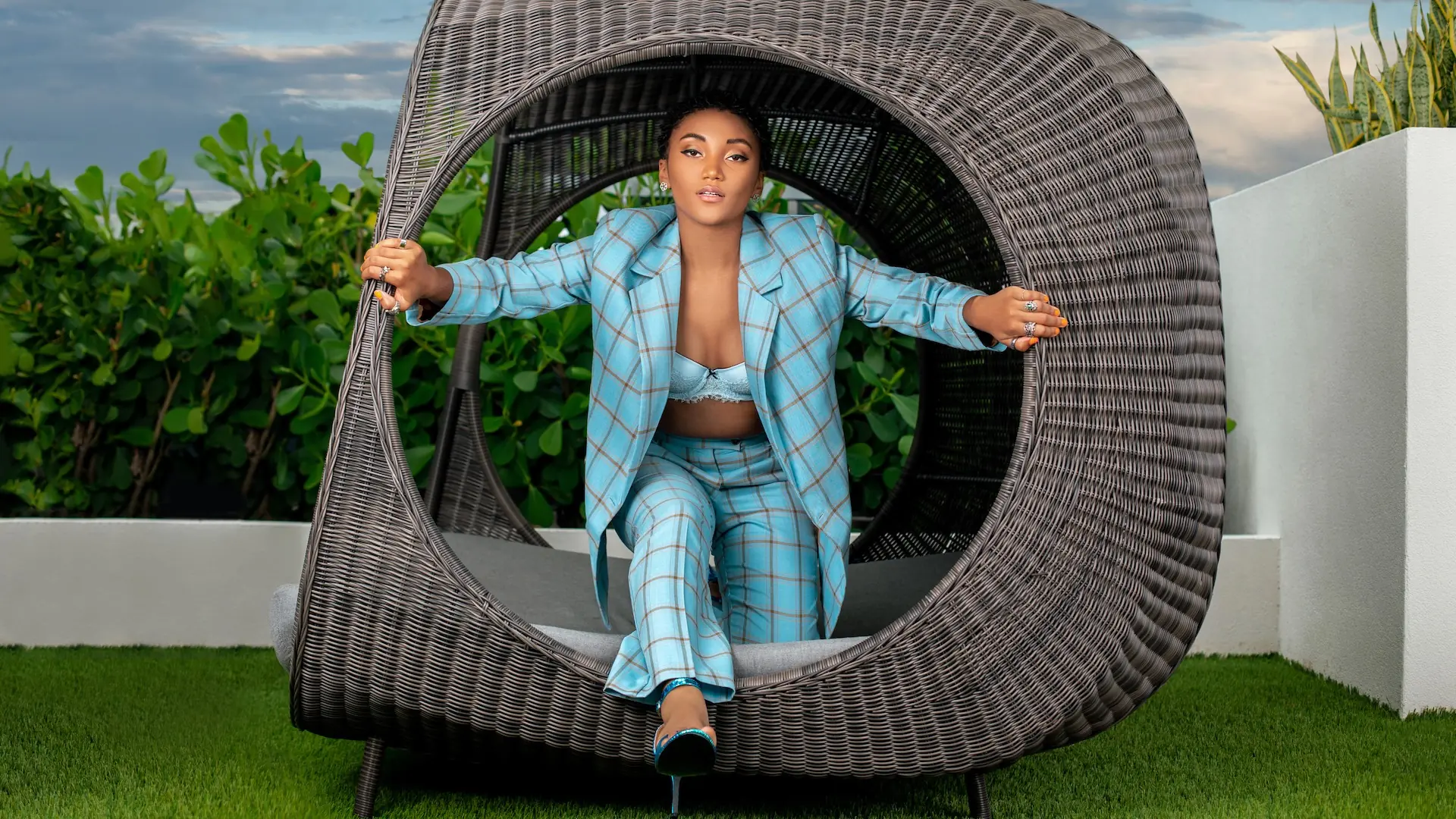
High-quality fashion brand photography creates cohesion and trust. However, that consistency rarely happens by accident. It requires clear art direction, styling alignment, and a photographer who understands how visual language shapes perception.
As a result, brands with strong visual consistency are perceived as more premium, more established, and more credible.
What Makes an Editorial Campaign Shoot Effective
An effective editorial campaign shoot balances creative expression with commercial usability. On one hand, the imagery needs to feel aspirational. On the other hand, it must deliver flexible assets for multiple formats and platforms.
Consequently, an experienced fashion campaign photographer plans beyond the hero shot—capturing variations, crops, and sequences that extend the life of the campaign.
Free Visual Audit for Your Next Campaign
If you’re investing in a campaign, your visuals should do more than look good—they should perform.
Request a free visual audit to identify gaps in your fashion content production, improve your brand campaign visuals, and increase campaign impact.
How Can Campaign Photography Improve ROI?
Many fashion brands evaluate campaign photography based on production costs. However, the most successful brands evaluate campaign photography based on return on investment.
The real question is not: “How much did the campaign cost?”
The real question is: “How much value did the campaign create?”
Campaign photography improves ROI when it generates assets that support multiple marketing activities, increase content lifespan, improve campaign performance, and reduce future production costs.
When planned strategically, a single campaign shoot can continue delivering value long after production ends.
Creates Assets For Multiple Marketing Channels
One of the fastest ways to improve ROI is to increase how many channels a campaign supports. Many brands mistakenly create content for only one purpose.
For example:
- social media only
- a product launch only
- a website refresh only
High-performing campaign photography creates assets that support:
- Website Content
- Paid Advertising
- Social Media
- Email Marketing
- Retail Partnerships
- Public Relations
- Product Launches
The more marketing objectives an asset supports, the greater its overall value.
Extends Content Lifespan
Many brands view campaign photography as short-term content. However, the strongest campaigns generate assets that remain useful for months or even years. Examples include:
- Homepage Banners
- Brand Story Content
- Lifestyle Photography
- Advertising Assets
- Editorial Imagery
- Email Marketing Visuals
Instead of using images once and moving on, brands can continuously repurpose campaign assets across future initiatives. Longer asset lifespan leads directly to higher ROI.
Improves Advertising Performance
Advertising is one of the largest consumers of content. Strong campaign photography improves advertising by providing:
- Creative Variations
- Multiple Formats
- Lifestyle Imagery
- Product-Focused Assets
- Storytelling Content
Marketing teams can then:
- test more creatives
- combat advertising fatigue
- optimize campaigns faster
Improved advertising performance often leads to:
- lower acquisition costs
- higher click-through rates
- stronger conversion rates
As a result, photography directly influences marketing efficiency.
Reduces The Need For Additional Shoots
One of the biggest drains on content budgets is repeated production. Many brands organize multiple shoots because previous campaigns failed to generate enough usable assets.
Campaign photography improves ROI by creating:
- website content
- advertising content
- social media assets
- launch content
- retailer materials
during a single production. This reduces the need for emergency shoots and lowers overall content costs.
Supports Faster Product Launches
Launching products without content often delays marketing activities. Brands may find themselves waiting for:
- campaign imagery
- advertising creatives
- website assets
- launch visuals
Strategic campaign photography helps brands build content libraries before launch deadlines arrive.
As a result:
- campaigns launch faster
- teams work more efficiently
- marketing momentum improves
Faster execution often translates into faster revenue generation.
Improves Content Utilization
Many brands underutilize the content they create. Campaign photography improves ROI by encouraging content planning before production.
A single image may support:
- Homepage Banners
- Instagram Posts
- Meta Ads
- Email Campaigns
- Press Releases
- Retail Marketing
The more uses an asset has, the greater its value. This is one of the most important drivers of content ROI.
Strengthens Brand Recognition
Brand recognition compounds over time. Consistent campaign photography helps customers:
- recognize the brand faster
- remember campaigns longer
- develop trust more quickly
This consistency improves the effectiveness of future marketing efforts. Each new campaign benefits from the visual equity created by previous campaigns.
Over time, this creates significant cumulative value.
Improves Customer Perception
Campaign photography influences how customers perceive:
- Quality
- Credibility
- Professionalism
- Exclusivity
- Brand Value
Strong customer perception often supports:
- higher conversion rates
- stronger customer loyalty
- improved purchase intent
Better perception improves the effectiveness of every marketing channel.
Generates Long-Term Marketing Assets
The strongest campaign photography creates a content library rather than a collection of individual images. Assets may continue supporting:
- future launches
- seasonal promotions
- website updates
- advertising campaigns
- social media content
for months or years after production. This long-term value significantly increases ROI.
Campaign Photography ROI Example
Campaign Investment: €8,000
Assets Created
- 60 campaign images
- 10 advertising variations
- website banners
- social media content
- email marketing assets
Channels Supported
- website
- paid advertising
- social media
- email marketing
- retailer marketing
Asset Lifespan: 6 – 12 months
Instead of supporting a single campaign, the production supports multiple marketing activities throughout the year. This dramatically increases the value of the original investment.
Campaign Photography ROI Is About Asset Value
Many brands focus on: “How many images will we receive?”
The better question is: “How much value will these assets create?”
Campaign photography improves ROI by:
- Supporting Multiple Channels
- Extending Content Lifespan
- Improving Advertising Performance
- Reducing Future Production Costs
- Accelerating Product Launches
- Increasing Content Utilization
- Strengthening Brand Recognition
- Improving Customer Perception
- Building Long-Term Marketing Assets
Ultimately, the highest-performing fashion brands do not treat campaign photography as a creative expense. They treat it as a marketing asset that continues generating value long after the shoot is complete.
That shift in perspective is often what separates brands that constantly need more content from brands that consistently maximize the return on every campaign they produce.
Fashion Content Production Should Support More Than One Launch
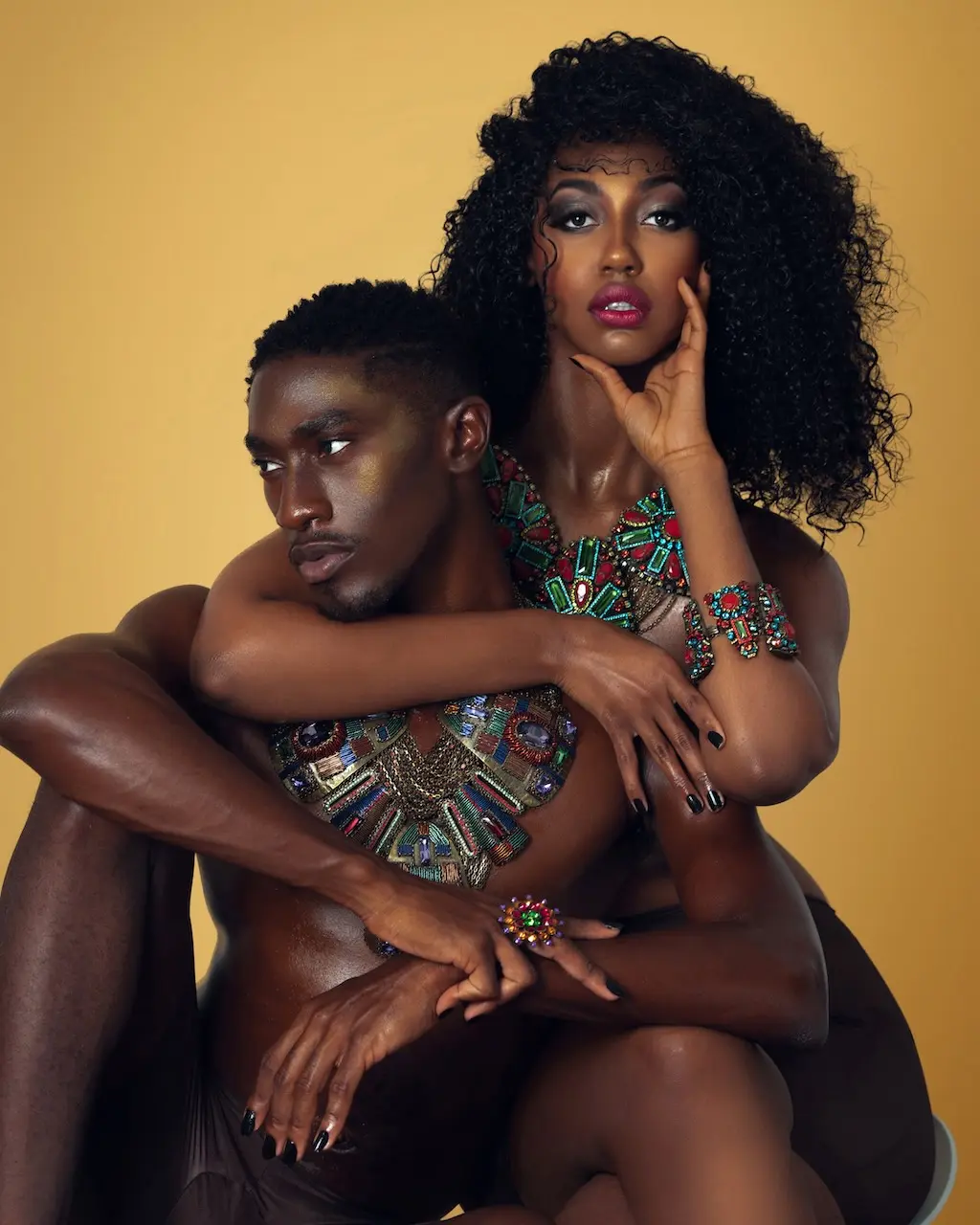
Too often, brands invest heavily in a single shoot and use the content for one campaign window. However, effective fashion content production should generate assets that can be reused, adapted, and scaled over time.
Therefore, the role of a fashion campaign photographer is also strategic. The goal is to create content that works across seasons, platforms, and formats.
Explore more fashion campaign photography work →
How Brand Campaign Visuals Influence Perception
Brand campaign visuals shape how a fashion label is remembered. If the imagery feels inconsistent or generic, the brand loses authority. By contrast, when visuals are distinctive and aligned, they build recognition and trust.
Because of this, fashion brand photography should be treated as a long-term investment rather than a short-term deliverable.
Why Fashion Content Production Needs a Systems Mindset
High-performing brands do not approach every campaign from scratch. Instead, they build systems around repeatable fashion content production.
As a result, an experienced fashion campaign photographer contributes not just to one campaign, but to a scalable visual ecosystem that improves over time.
From One Shoot to a Long-Term Visual Asset System
When executed correctly, one campaign can generate a deep library of brand campaign visuals instead of isolated images. This is where strategy outperforms production volume.
Likewise, stronger fashion content production leads to better reuse, faster campaign launches, and more consistent brand presentation.
Campaign Photography vs Editorial Photography
Fashion campaign photography is created for a defined commercial objective: a product launch, brand repositioning, paid-media campaign or seasonal sales period. The brief must account for the audience, offer, placements, required formats, licensing and launch schedule before production begins.
Editorial photography can explore a visual idea more freely and is often designed around a publication or creative narrative. The two approaches can share the same level of craft, but they are not interchangeable. A commercially useful campaign must still work when the hero image becomes a website banner, vertical advertisement, email header, retailer asset or product-led crop.
This is why campaign planning should begin with an asset map rather than a generic shot count. The visual concept remains important, but every production decision must connect the brand story to an intended use.
Campaign Photography in Practice
Proof should show more than a polished final image. It should demonstrate how planning, photography and delivery supported the complete campaign. The Berlin sports campaign case study shows how still photography and film were produced as one coordinated system. A Gentle Spirit demonstrates multi-format fashion and beauty production built around a cohesive visual direction.
Across these projects, the practical value came from continuity: a clear concept, coordinated talent and styling, multiple usable formats, defined delivery requirements and assets that could work beyond one social post. Review more fashion and beauty campaign case studies before comparing production partners.
Planning a Fashion or Beauty Campaign?
I work with brands that need campaign photography, creative direction and channel-ready production across Germany, with selected Berlin and Miami projects. The right scope depends on the launch, placements, production requirements and intended usage—not an arbitrary image count.
Discuss your campaign requirements or review campaign photography services.
Work With a Fashion Campaign Photographer
If you’re planning a campaign, working with a fashion campaign photographer who combines creative direction with systems thinking can significantly improve your results.
Final Thoughts
A great fashion campaign photographer does not just create images — they build visual systems that scale.
Therefore, brands that take fashion brand photography, editorial campaign shoots, brand campaign visuals, and fashion content production seriously are better positioned to create campaigns that perform longer and more consistently.
Recommended Next Reads
How a Fashion Campaign Photographer Helps Brands Create Higher-Impact Campaigns