
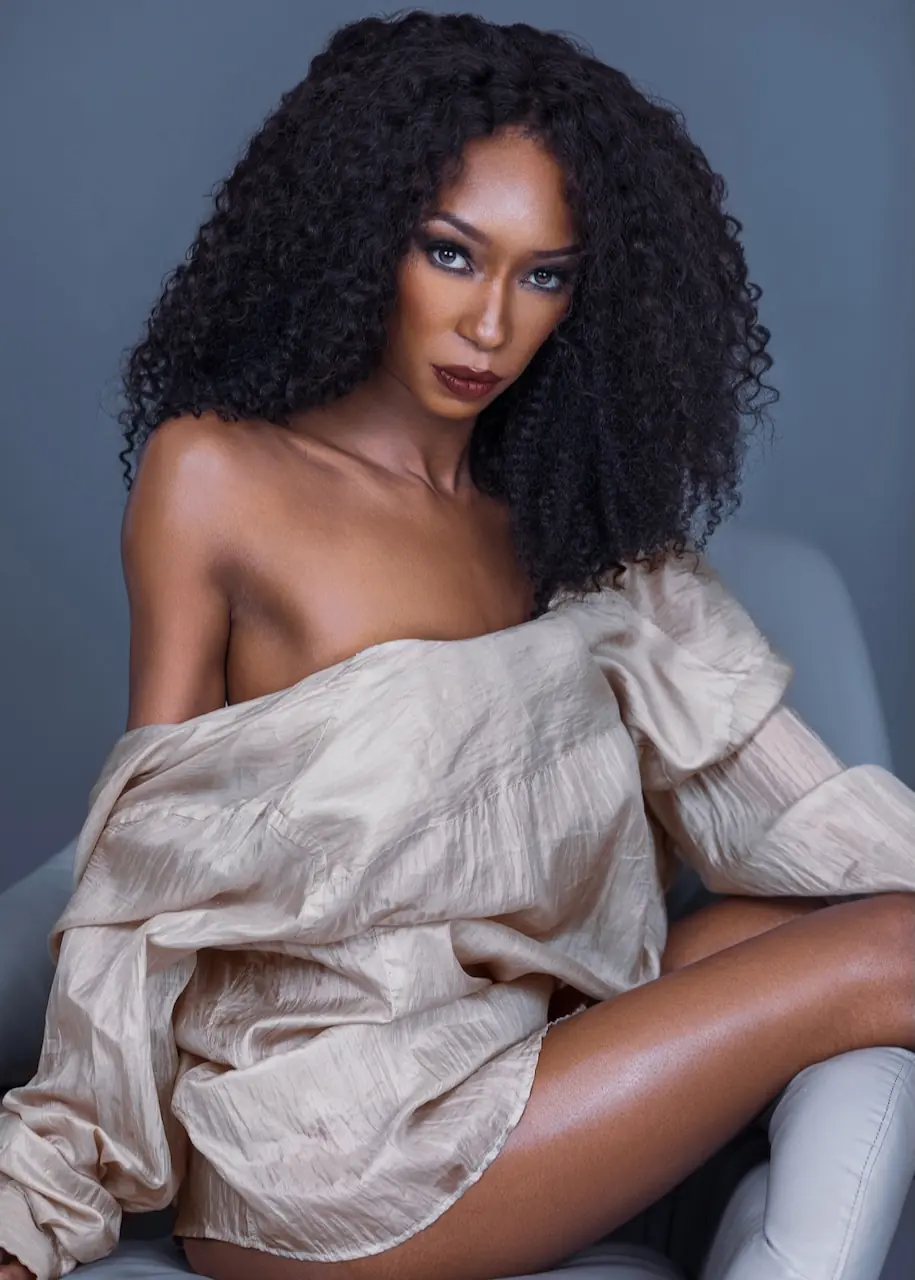
This studio fashion editorial production began with a practical question: how can a controlled studio setup create enough visual range to support an editorial story without losing cohesion? Produced on April 7, 2024, Simple Comforts used structured shot lists, consistent two-light coverage and deliberate changes in styling, hair and pose to move from relaxed tailoring to statement fashion and close beauty portraiture.
At a Glance
- Production: Simple Comforts
- Production date: April 7, 2024
- Format: Multi-look studio fashion and beauty editorial
- Planning: Two surviving five-frame shot lists
- Lighting: Consistent two-light setup from the left and right
- Publication: The Prestige Magazine
The Brief: Comfort Without Visual Passivity
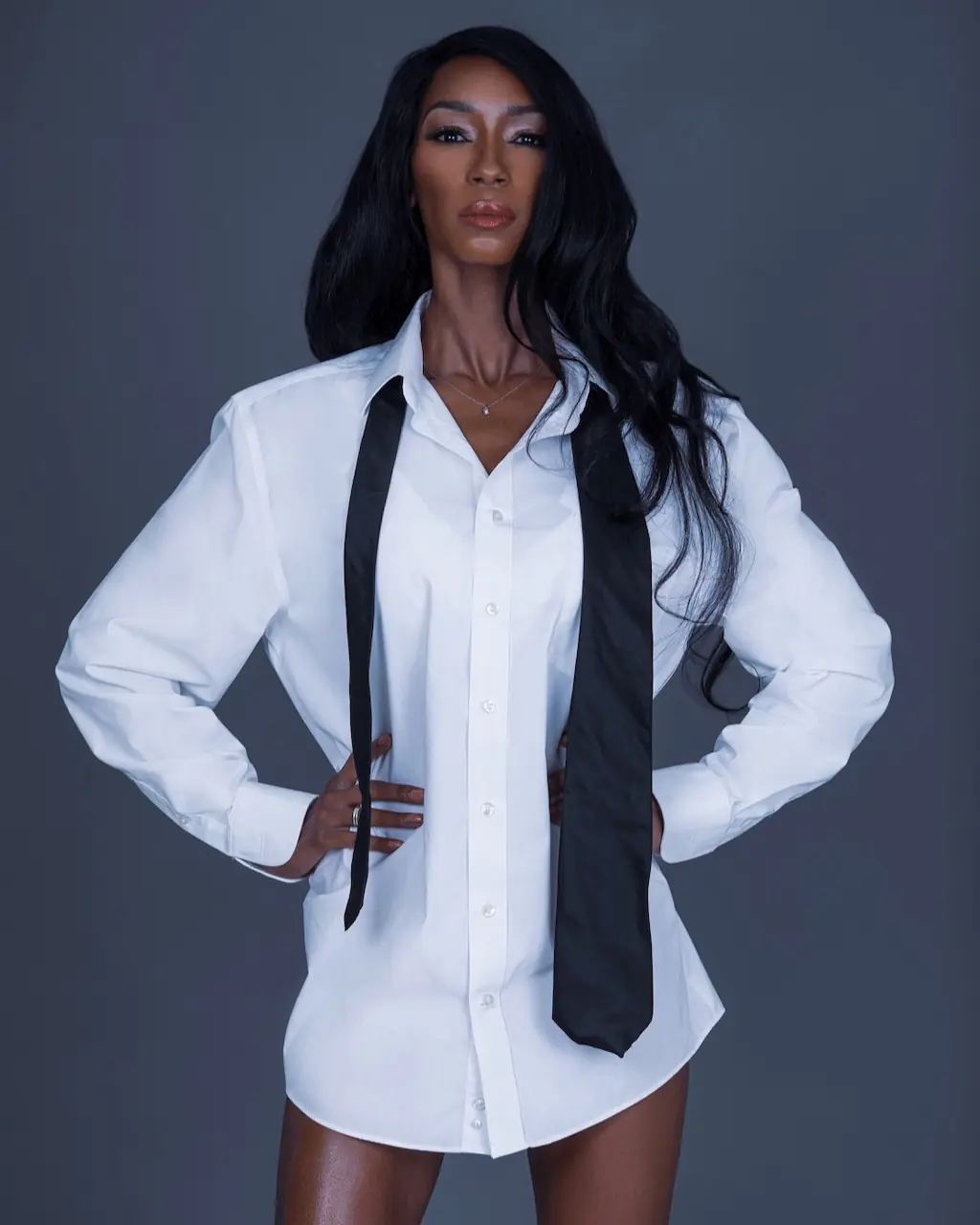
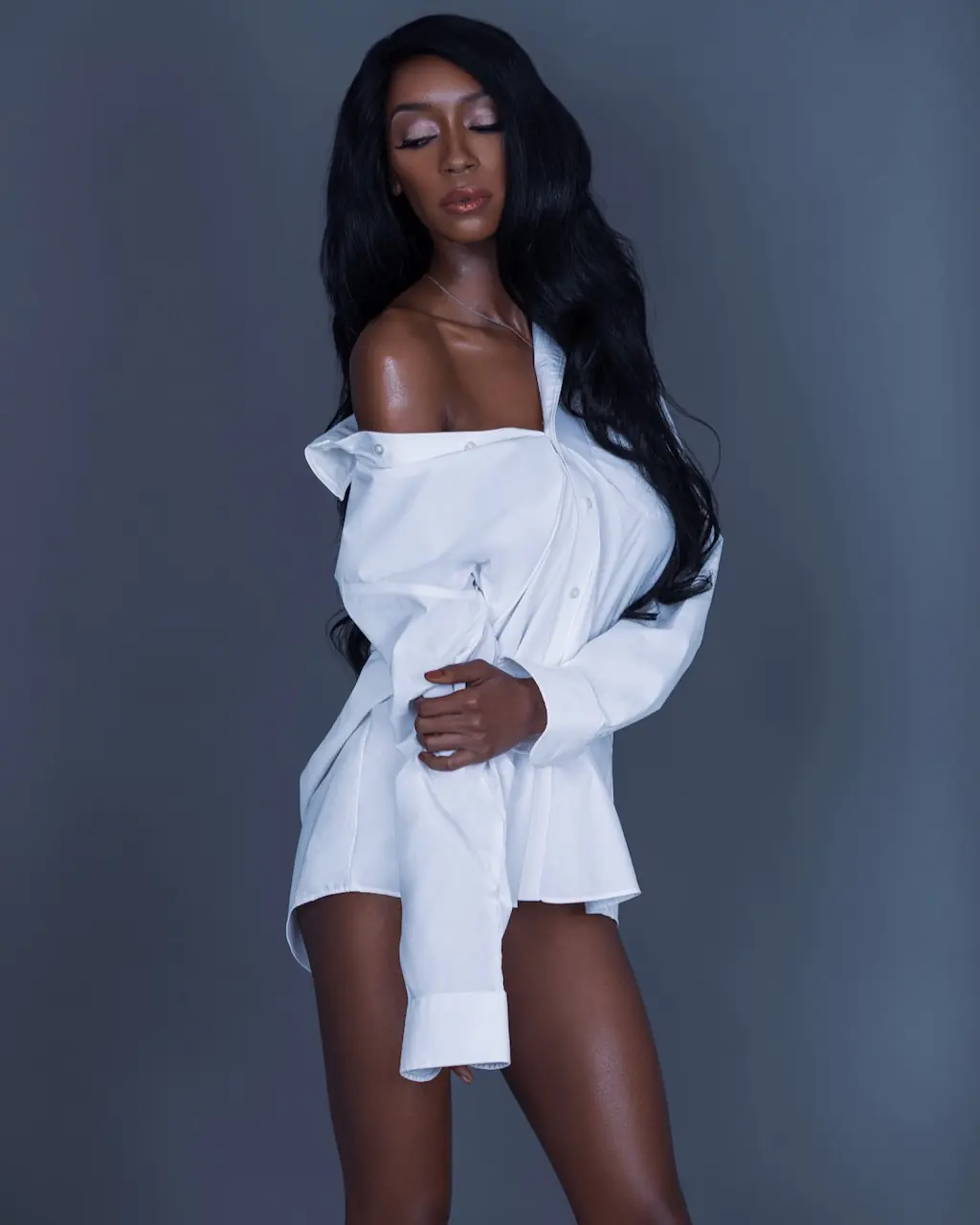
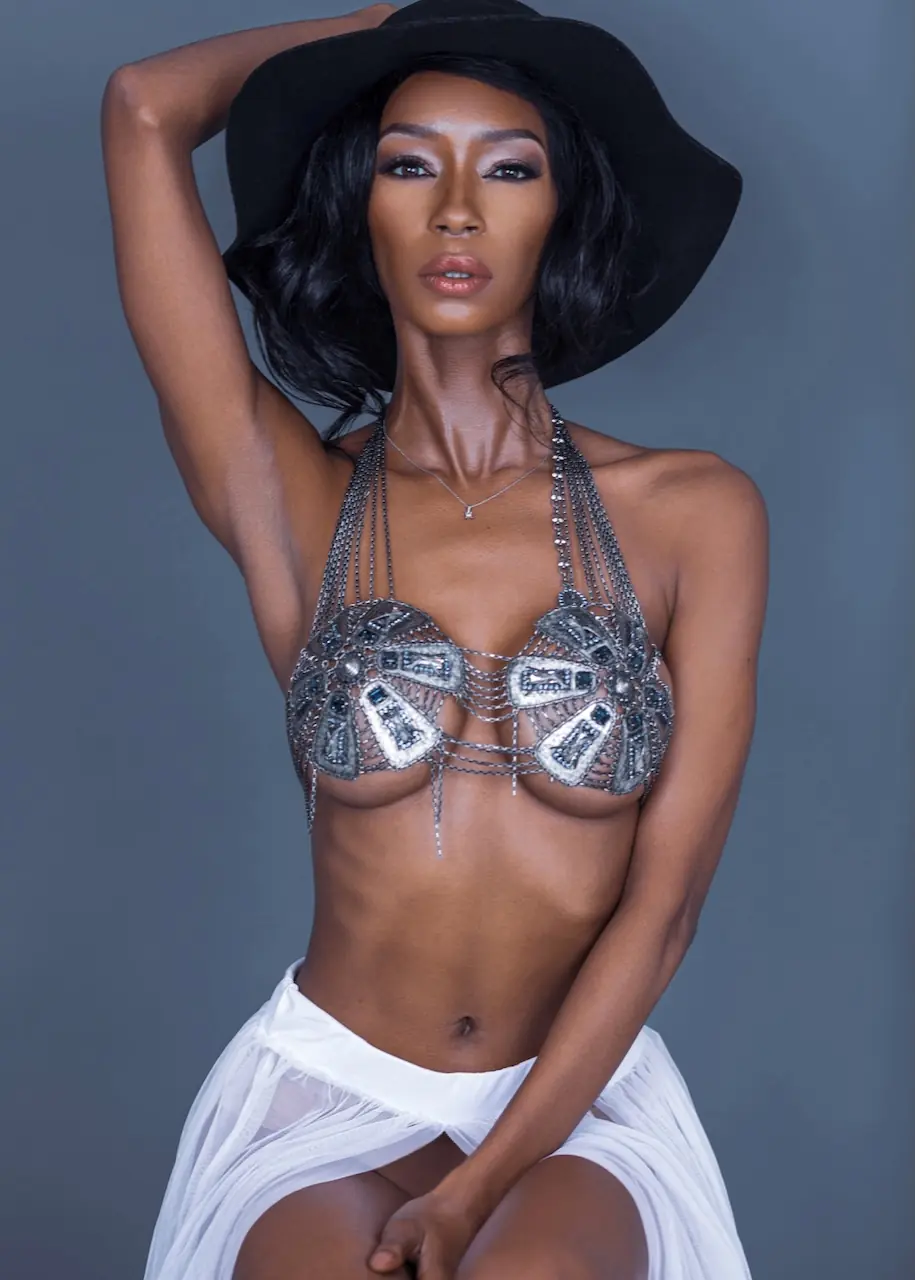
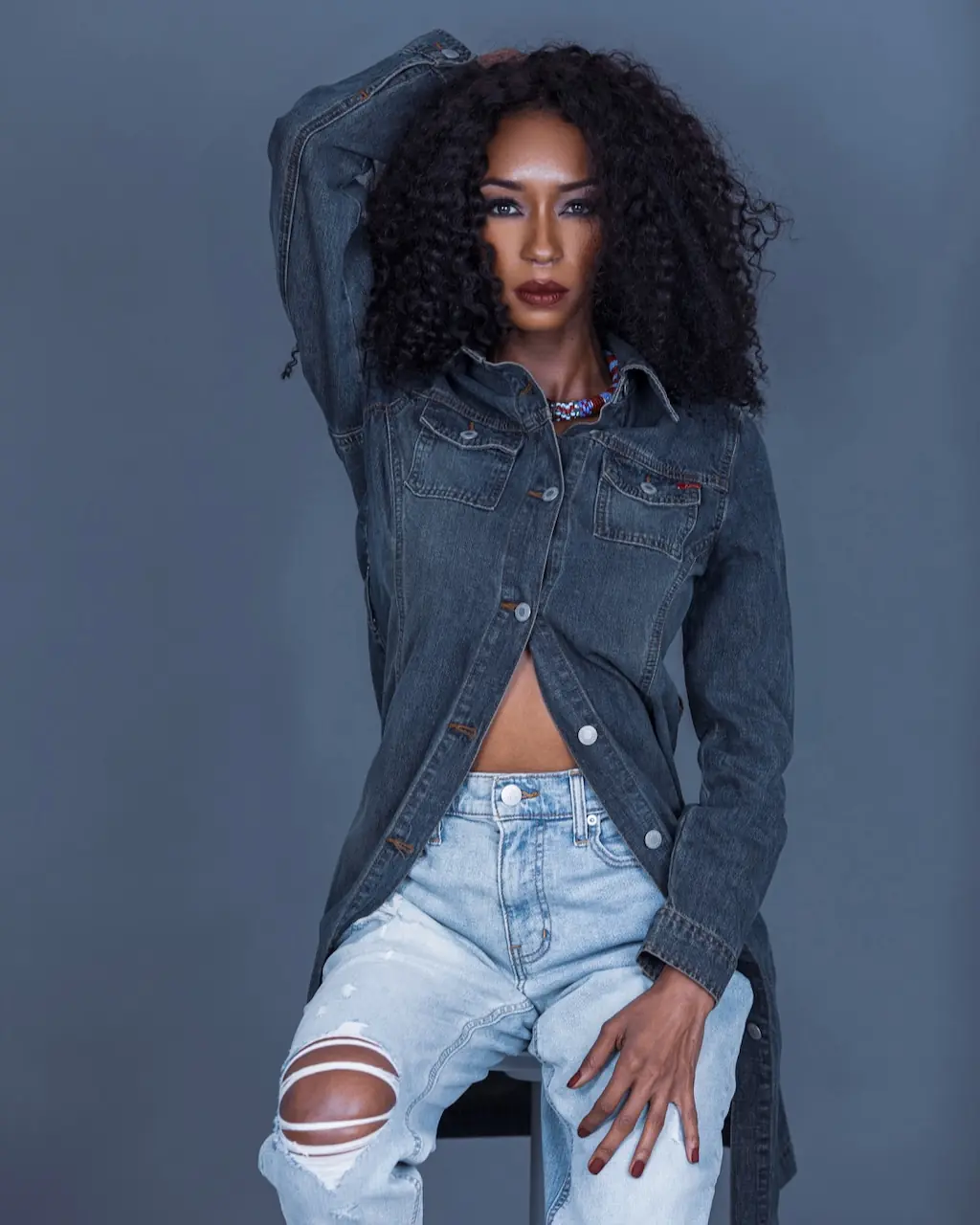
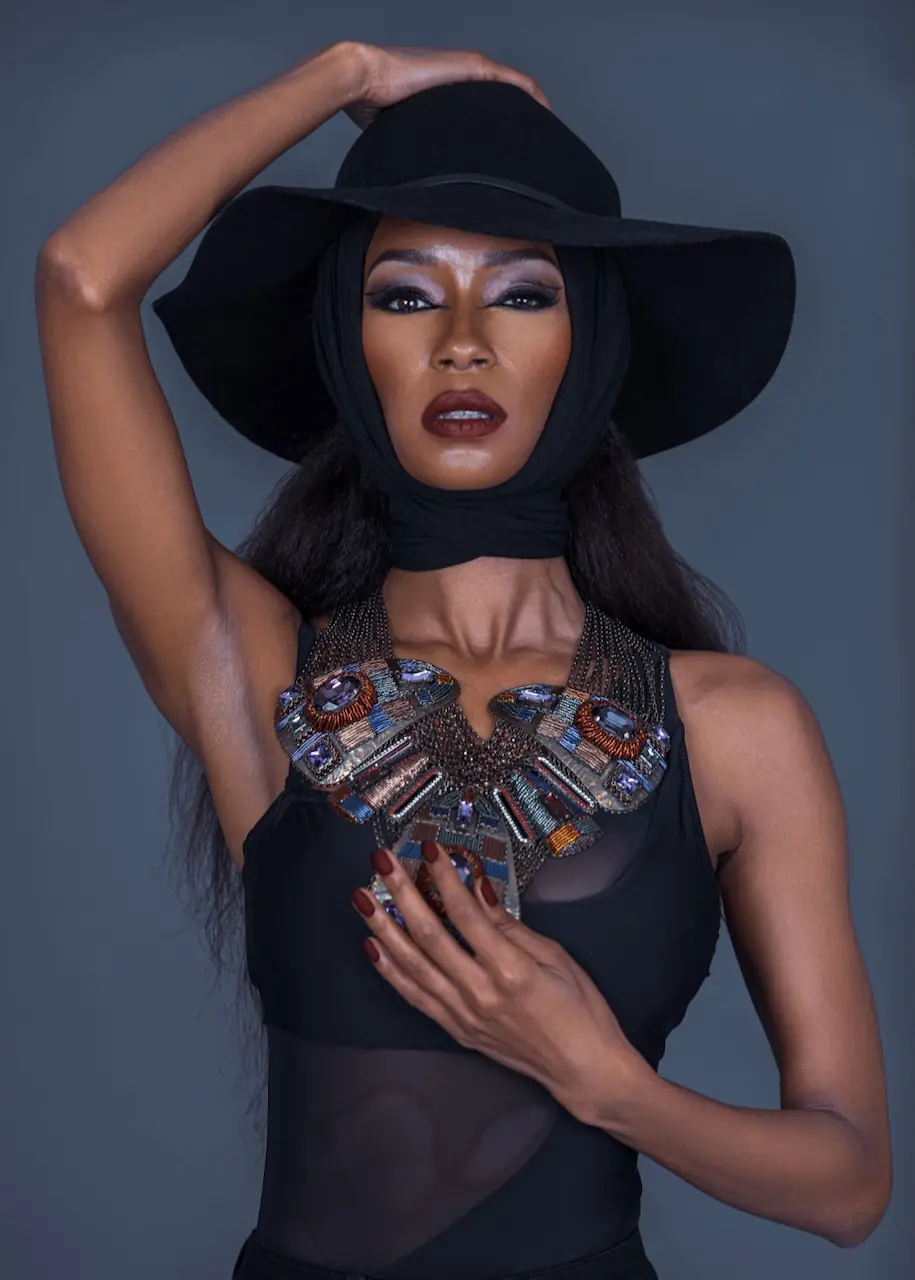
The title Simple Comforts did not mean visually neutral or creatively safe. The editorial treated comfort as a foundation that could support attitude, contrast and transformation. An oversized white shirt introduced ease and familiarity. Denim added structure. Embellished pieces and sculptural accessories brought visual tension. Finally, close beauty portraits reduced the frame to expression, makeup and texture.
That progression gave the story a clear rhythm while allowing each look to retain its own identity. It also demonstrates a central principle of creative direction for fashion campaigns: cohesion does not require every image to look identical. It requires a shared visual logic.
Turning the Shot Lists Into Usable Coverage
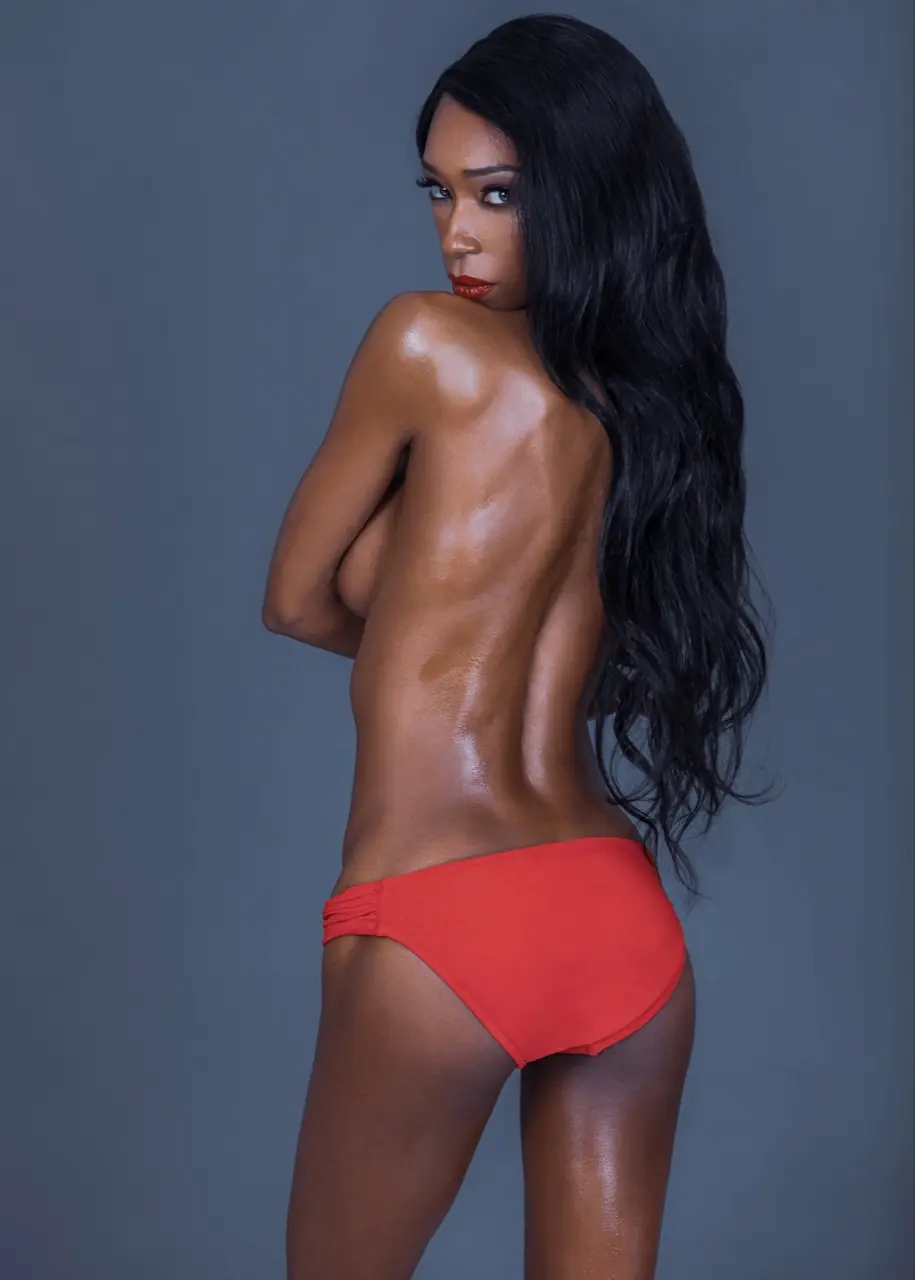
The two surviving shot lists organized the studio fashion editorial production around five planned frames per look: standing full-length images, seated or three-quarter compositions, medium body shots and tighter portraits. Most frames were planned vertically, while selected horizontal images were included for layout flexibility. A camera position from below and a two-light arrangement from the left and right created a consistent starting point.
The value of a photography shot list is not that every frame must reproduce a reference literally. Instead, it protects essential coverage while leaving room for the model, styling and photographer to improve the image on set. The final edit shows both parts of that process: disciplined repetition and purposeful deviation.
Creative Direction Across Contrasting Looks
Sophia Lenore led the creative direction, wardrobe styling and hair styling. Her role connected garments, accessories, hair changes and the order of the looks. Makeup artist Aida Greenidge-Gopie maintained a polished beauty language that remained visible through both wider fashion frames and close portraits. Model Jovona Logan carried the transitions through controlled posture, direct eye lines and changes in energy.
The team structure matters because a coherent editorial is not created by wardrobe alone. Styling, grooming, posing, lighting and framing must reinforce the same idea. Clear ownership of those decisions is one reason defined fashion production roles improve both efficiency and visual consistency.
Where Planning Gave Way to On-Set Adaptation
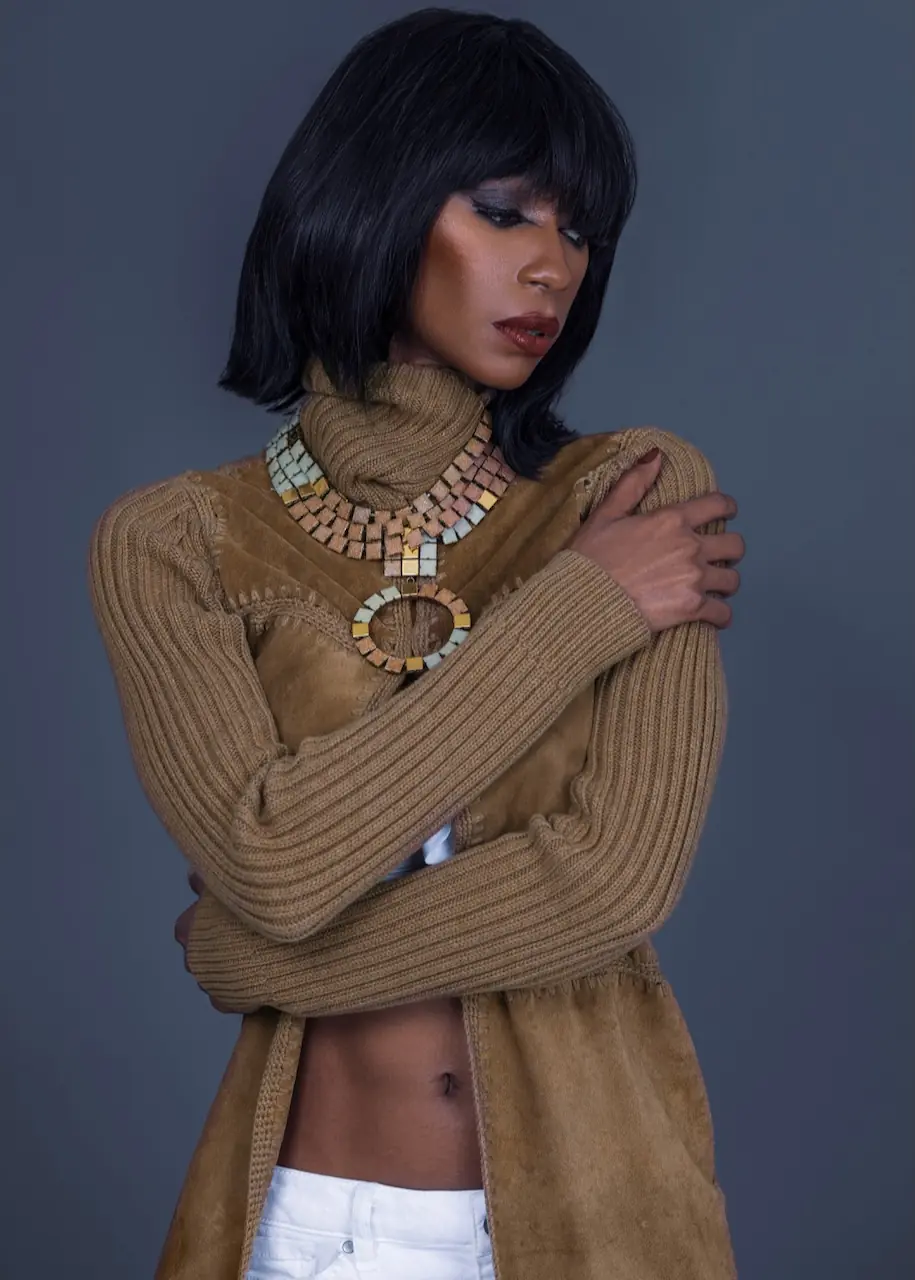
A strong plan creates boundaries; it should not remove discovery. The shot lists established coverage, angle and lighting, but the final images expanded through hand placement, expression, asymmetry and tighter crops. This is especially visible in the embellished black look and the brown knit look. Each retains the same studio environment, yet the change in silhouette and pose makes the images feel like different chapters rather than minor variations.
For brands, the lesson is practical: define the non-negotiable images before production, then protect enough time for responsive creative direction. That balance is also central to a reliable fashion campaign planning process.
The Beauty Portrait Chapter
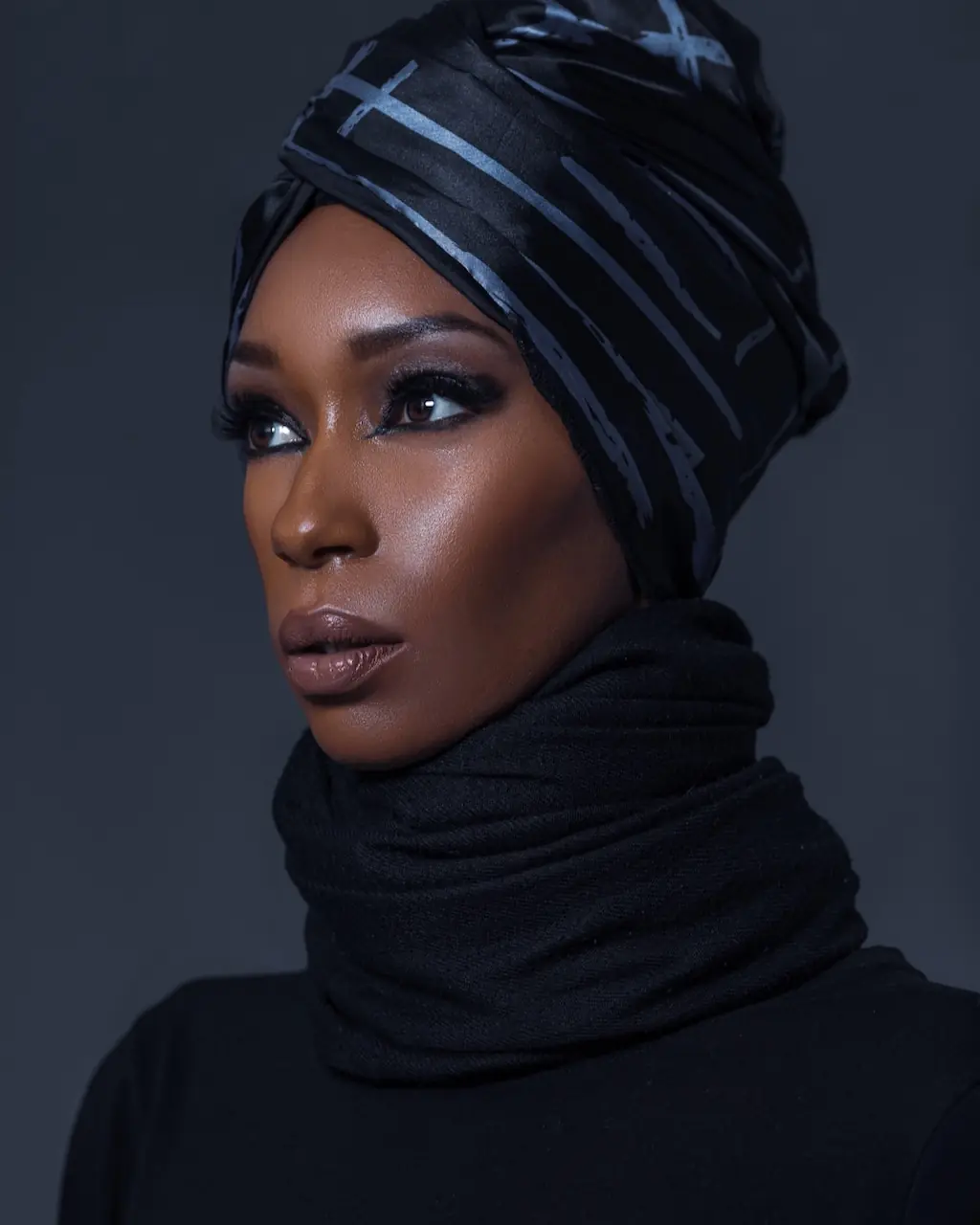
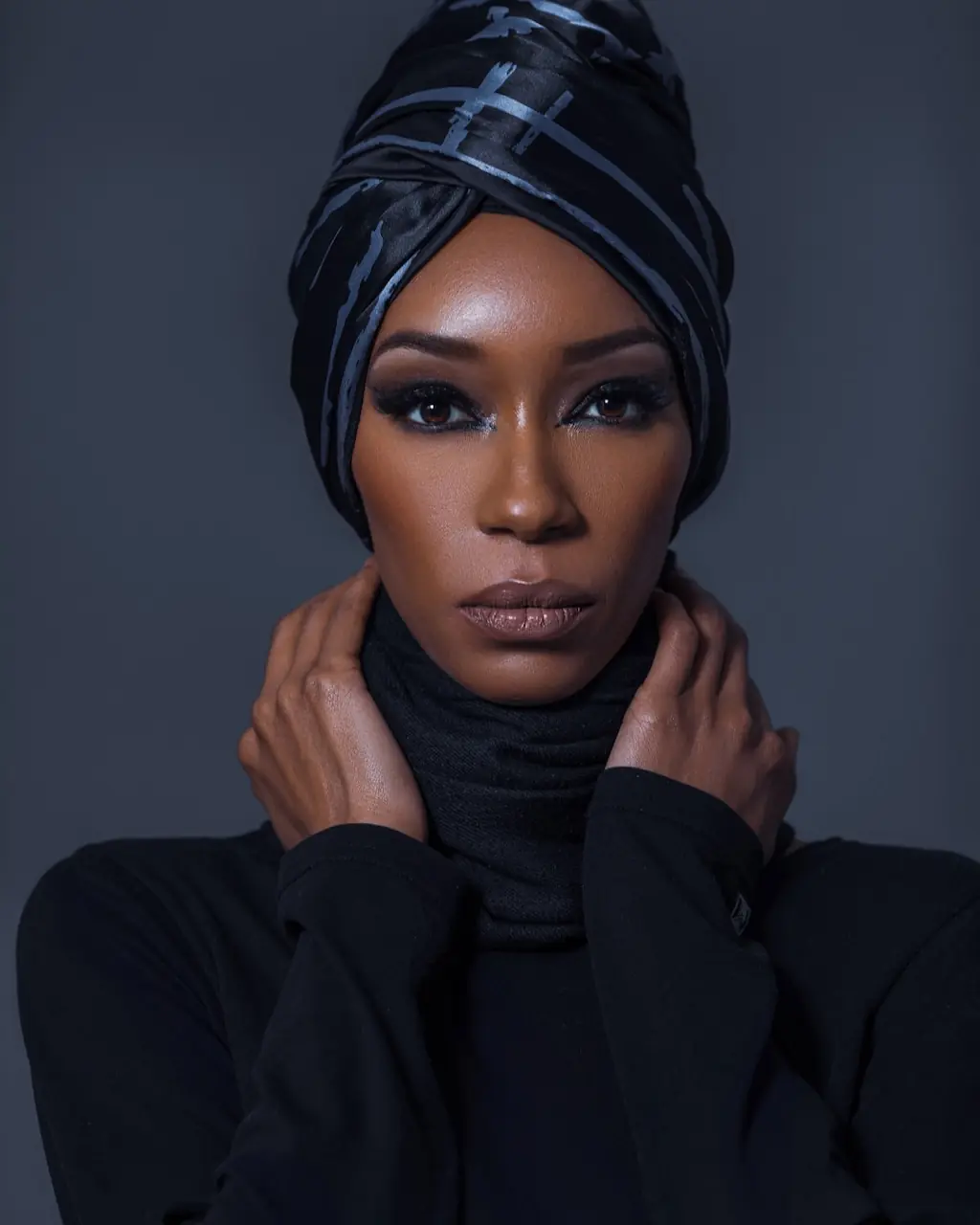
The final beauty portraits reduce the number of competing elements. A patterned black headwrap, wrapped black neckline and clean gray background place attention on makeup, skin finish and expression. The images show why tight portrait coverage should be planned rather than treated as an optional extra at the end of a fashion shoot.
Outcome: A Cohesive Studio Fashion Editorial Production
The finished series moves through relaxed shirting, statement accessories, denim, neutral textures and beauty-led portraiture while retaining one recognizable studio language. Images from the production were later published by The Prestige Magazine in Blooming Narratives: Fashion Editorials 2025 and the New Language of Style.
More importantly, the project provides a real example of how planning and adaptability work together. The shot lists secured essential coverage. Creative direction connected the looks. Consistent lighting protected continuity. On-set decisions then created the variation needed for a complete editorial sequence.
What Brands Can Take From This Case Study
A studio fashion editorial production can be expressive and operationally disciplined at the same time. The key is to define what must be captured without prescribing every creative decision. That distinction gives the team clear priorities while preserving the energy that makes editorial photography feel authored rather than mechanical.
- Plan coverage categories, not only individual poses. Full-length, medium and tight frames create a more useful final edit than several small variations of the same composition.
- Choose visual constants. The gray background and consistent lighting connect contrasting garments, hair changes and beauty treatments.
- Protect time for close portraits. Beauty coverage gives publications and marketing teams additional layout options while documenting makeup and accessory detail.
- Use references as direction, not imitation. The shot lists established angle and format. The final poses developed through collaboration on set.
- Edit for difference. A smaller selection of clearly distinct frames communicates greater range than uploading every technically successful image.
This approach is especially useful when one production must create a coherent story across fashion, beauty and portrait-led outputs. It keeps the shoot efficient without making the results visually repetitive.
Production Credits
- Photographer: Phil Halfmann
- Creative Director: Sophia Lenore
- Wardrobe Stylist: Sophia Lenore
- Hair Stylist: Sophia Lenore
- Makeup Artist: Aida Greenidge-Gopie
- Model: Jovona Logan
Planning a Fashion or Beauty Production?
Explore fashion and beauty photography services, review more campaign case studies, or start with a complimentary Visual Audit to identify the images and formats your brand actually needs.