
Evergreen beauty content begins with photography that can retain its meaning after the original production is complete. Produced on June 2, 2023, Bold, Savage & Materialistic combined controlled studio lighting, sculptural posing, beauty-led details and deliberately varied framing. More than three years later, one of its horizontal images became the hero visual for a skincare guide published by The Prestige Mag on July 12, 2026.
This case study does not claim advertising performance or sales results. Its documented outcome is more specific: a distinctive image created in 2023 remained relevant enough to support a new beauty publishing context in 2026. That is a practical example of how thoughtful planning, technical consistency and disciplined archiving can extend the useful life of a visual asset.
Project at a Glance
- Production: Bold, Savage & Materialistic
- Production date: June 2, 2023
- Format: Independent studio beauty and fashion editorial
- Planning: Two early five-frame shot lists covering horizontal and vertical compositions
- Lighting: Controlled two-light studio setup
- Later application: Hero image for a beauty and skincare article
- Publication date: July 12, 2026
- Publication: The Prestige Mag
The Creative Direction: Strength, Sensuality and Material Detail
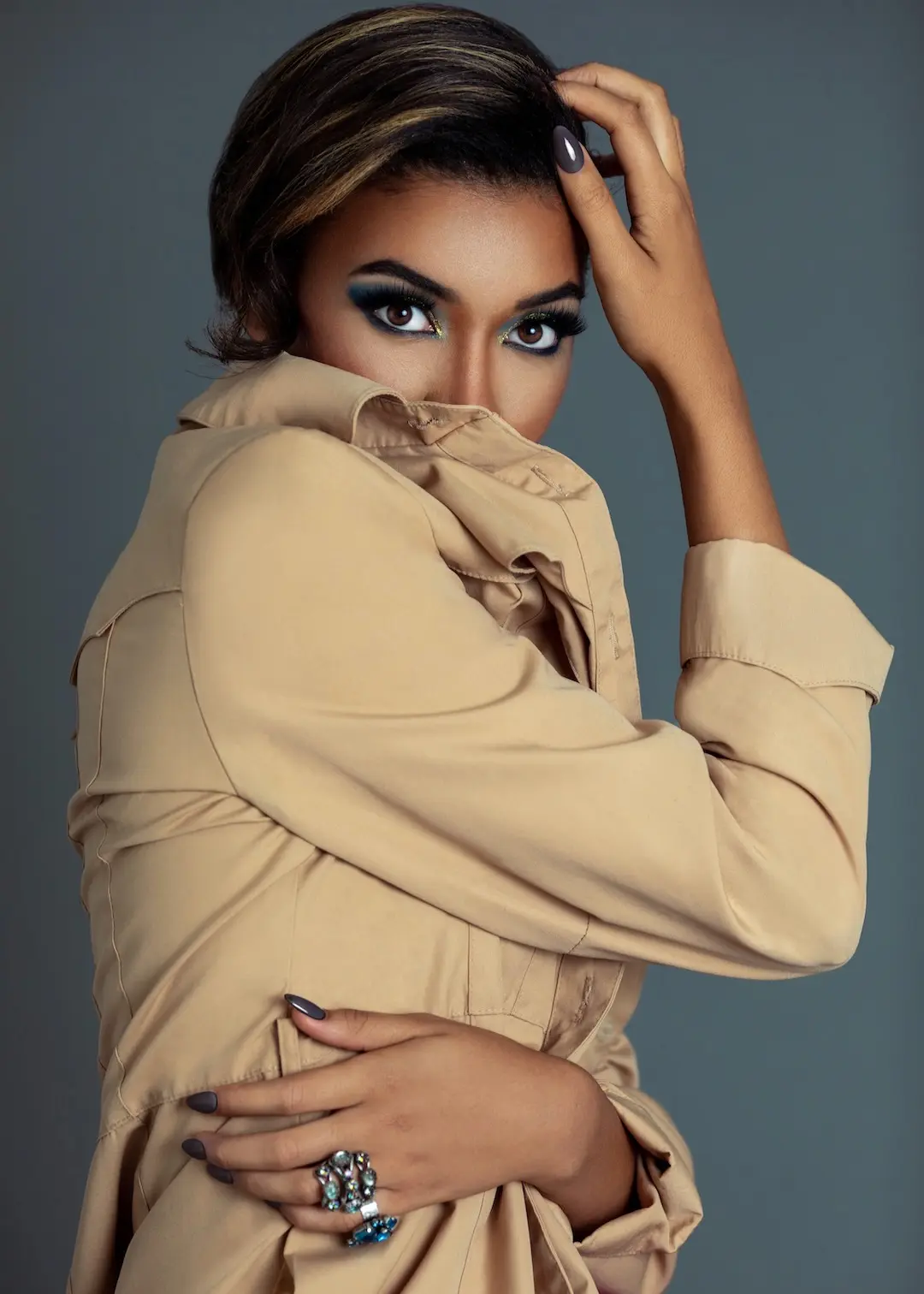
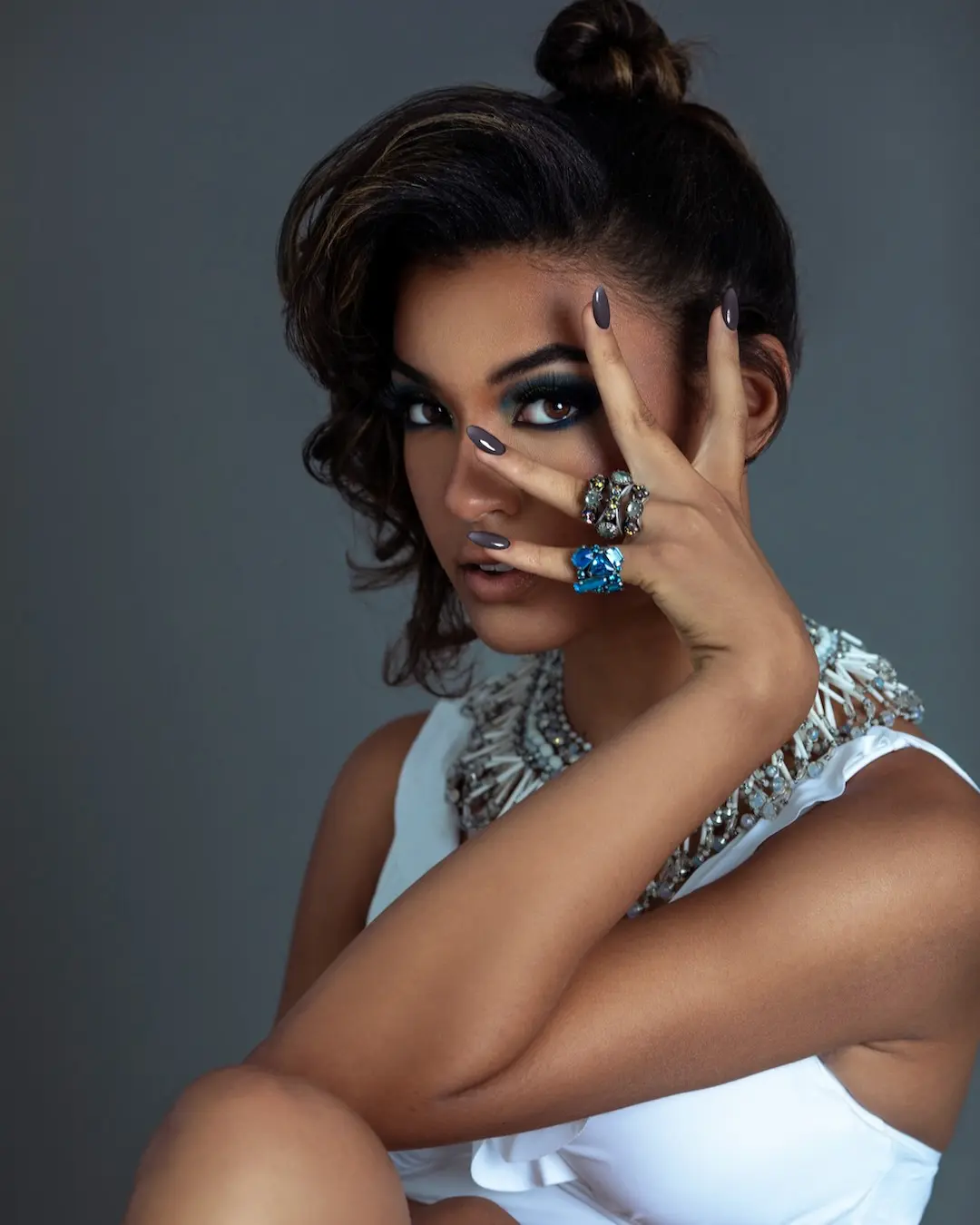
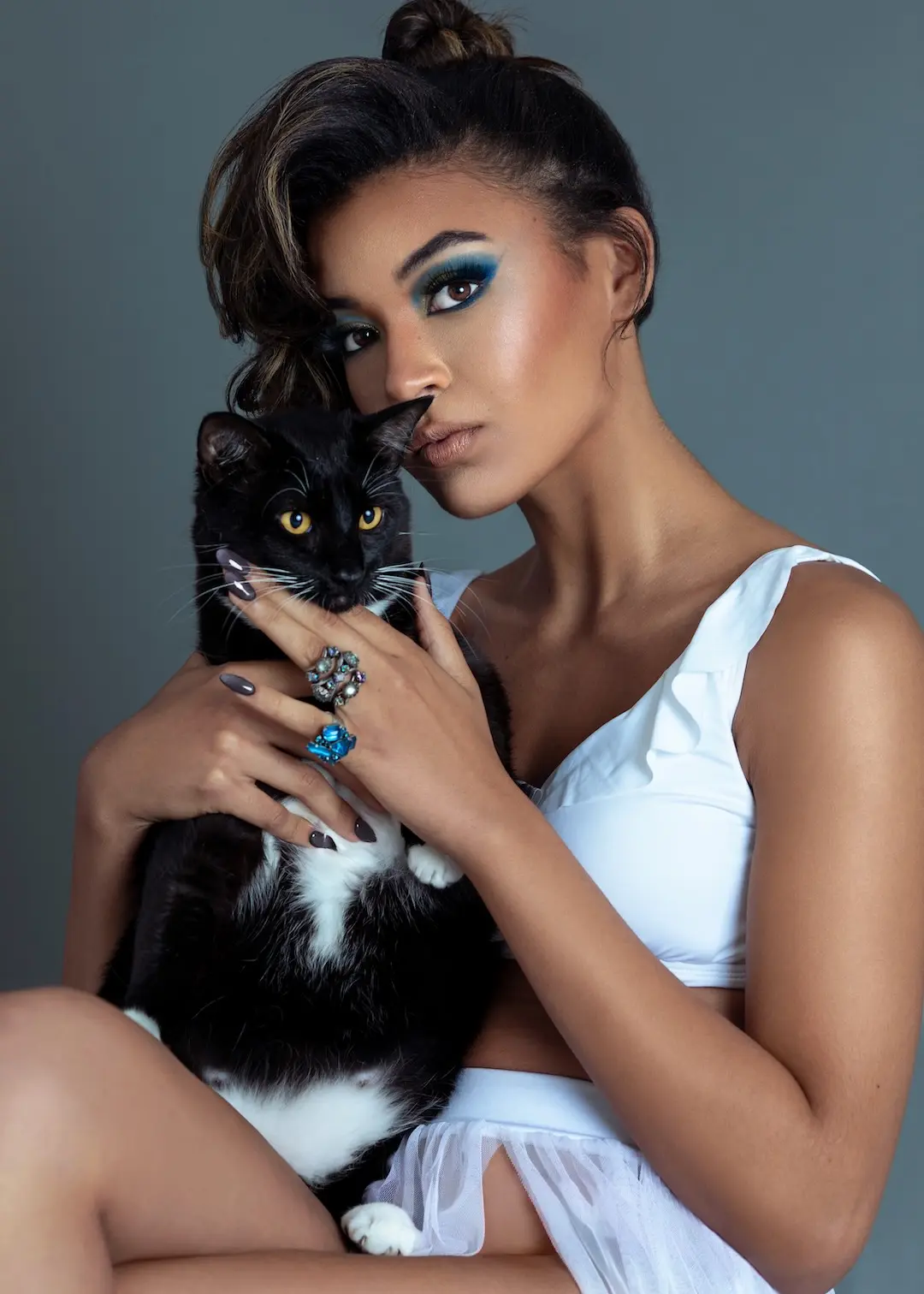
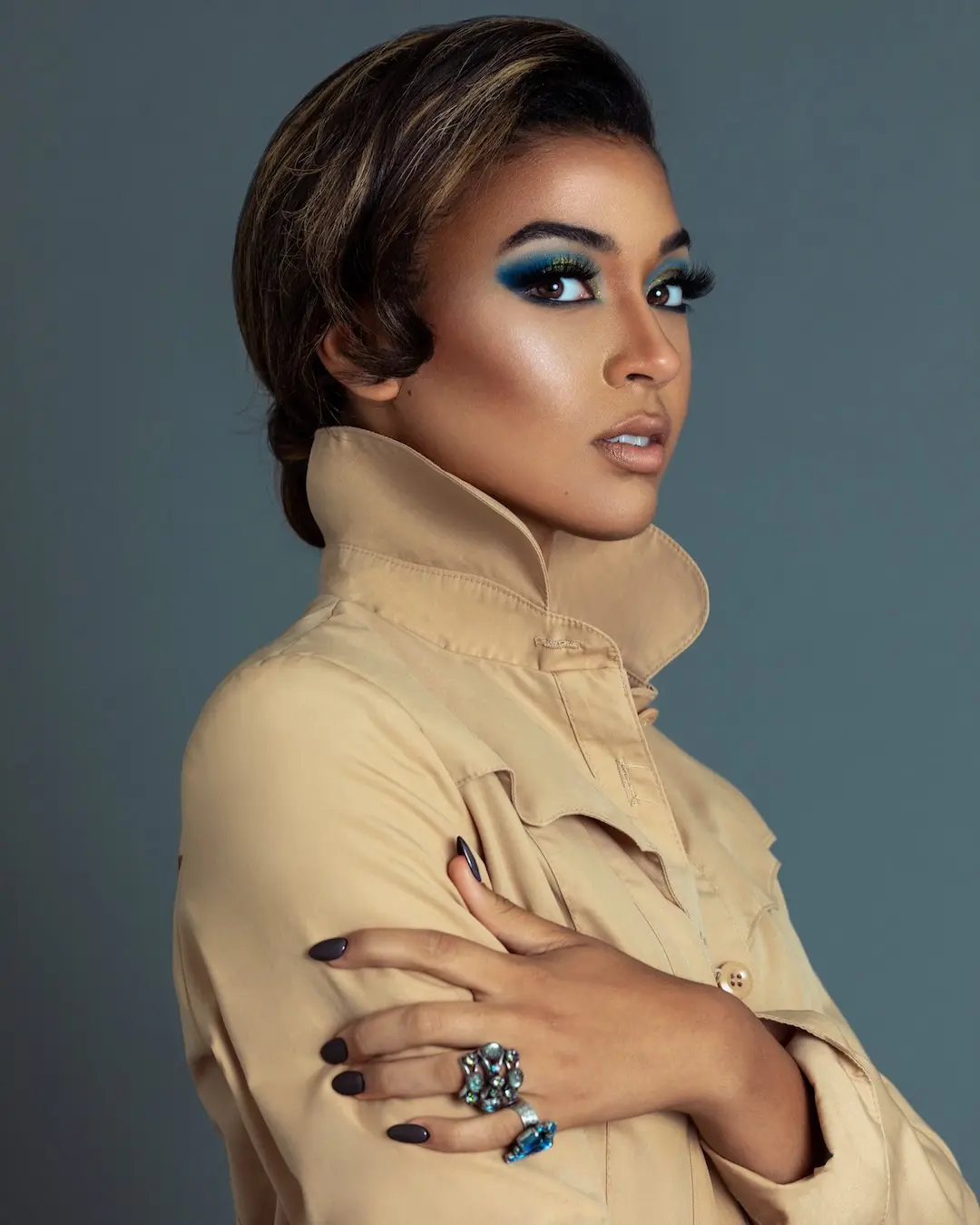
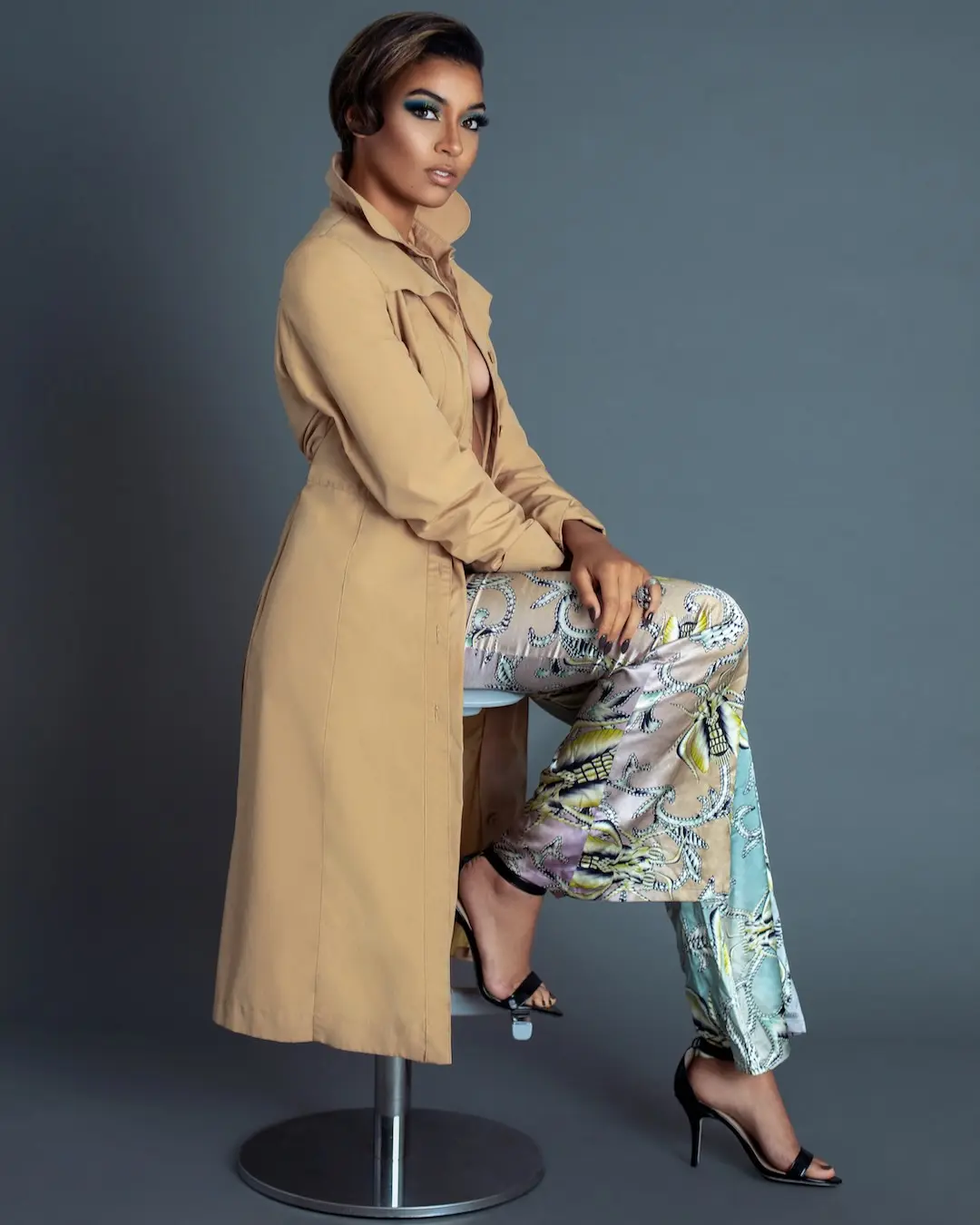
Sophia Lenore developed the creative direction around a character who could move between exposure and protection, restraint and display. The first look placed skin, body line and expression at the center of the frame. The later styling introduced a white garment, statement rings, vivid eye makeup, a black cat and a neutral coat. Those elements made the idea of material display visible without relying on an elaborate set.
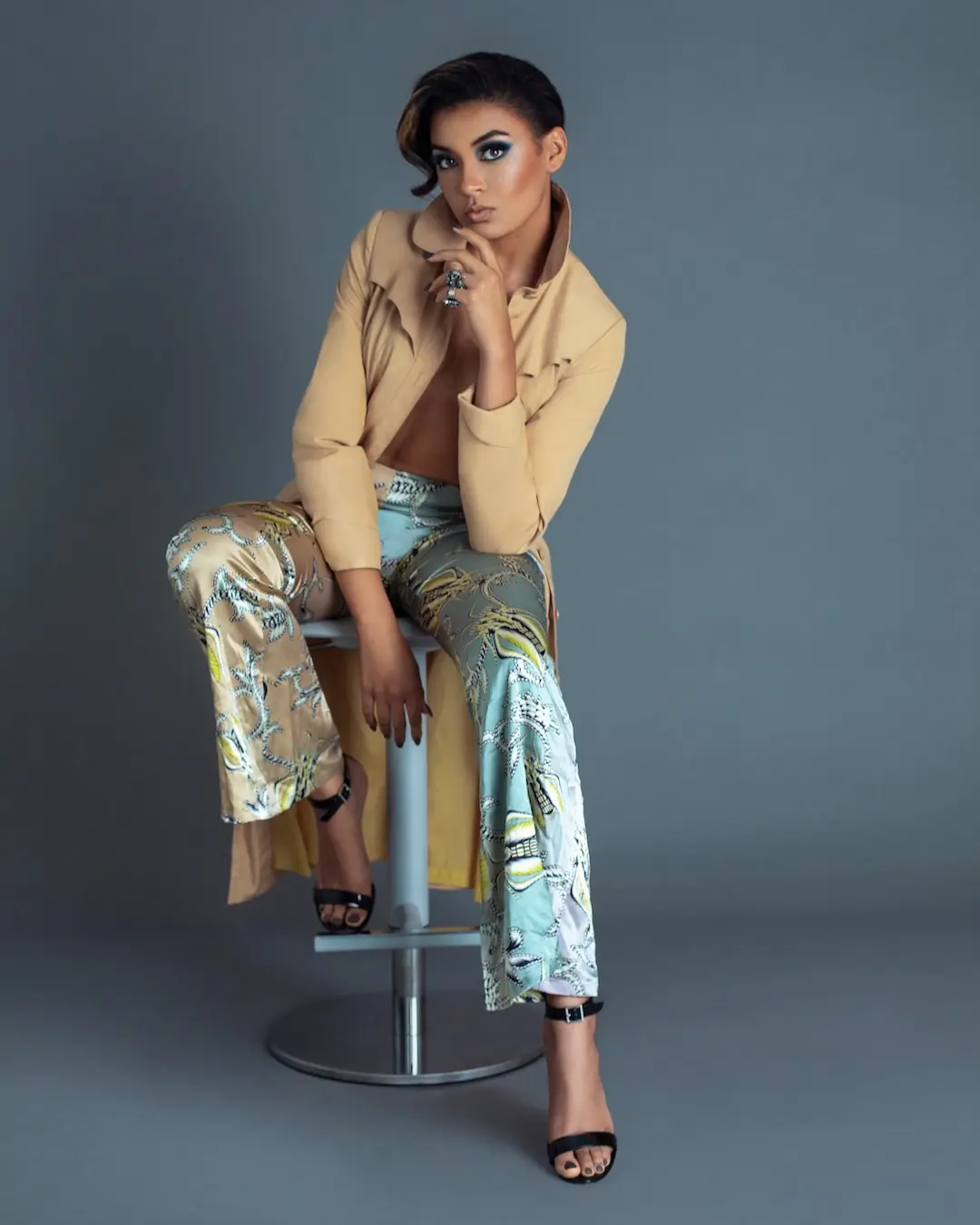
The gray studio background remained deliberately quiet. It separated Fianna’s warm skin tone, dark hair and black cat while allowing turquoise makeup, reflective jewelry and the sand-colored outerwear to carry the palette. This is a central principle of creative direction for fashion campaigns: visual impact does not require every element to compete. A stronger hierarchy allows the audience to understand where to look.
Planning Coverage Beyond a Single Hero Image
The two early shot lists defined five frames for each of the principal looks. They moved between reclining and seated full-body compositions, medium body images and tighter portraits. Horizontal frames created room for editorial layouts, while vertical compositions emphasized gesture, skin, makeup and styling detail. The repeated two-light direction gave the team a stable technical foundation.
This kind of coverage matters because image longevity cannot be predicted from one attractive photograph. A broader library gives future editors and marketing teams more options to match a new layout, topic or crop. A photography shot list is most useful when it protects that range without turning the production into a rigid exercise in copying references.
Turning the Concept Into a Cohesive Image Library
Phil Halfmann translated the direction into a consistent photographic language through light, camera height, crop and on-set posing. The gray set and controlled skin treatment remained stable while the visual emphasis shifted. Wider images prioritized body line and negative space. Medium portraits brought the coat and printed trousers into view. Tight frames concentrated attention on makeup, eyes, rings and hands.
Aida Greenidge-Gopie’s makeup design gave the later images their strongest color signal. Sophia Lenore connected that beauty treatment with hair, wardrobe and accessories, while Fianna carried the character through a direct gaze and precise, sculptural gestures. Together, those contributions produced variation without making the edit feel like several unrelated tests.
The Published Image: A 2023 Asset Used in 2026
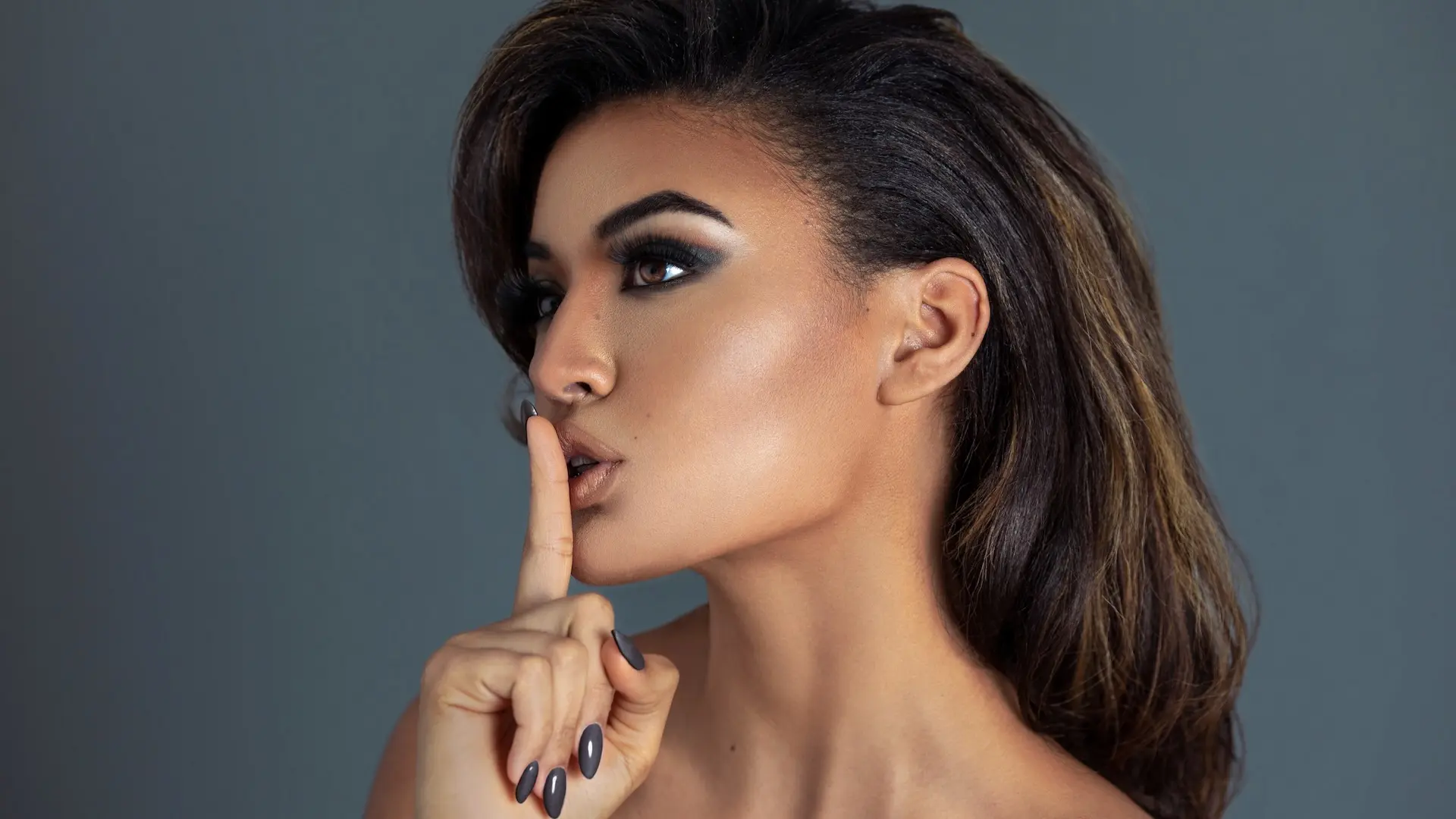
On July 12, 2026, The Prestige Mag published The Complete Guide to Clear, Glowing Skin for Black Men & Women. The publication selected the horizontal image below as its hero and credited the photography to Phil Halfmann.
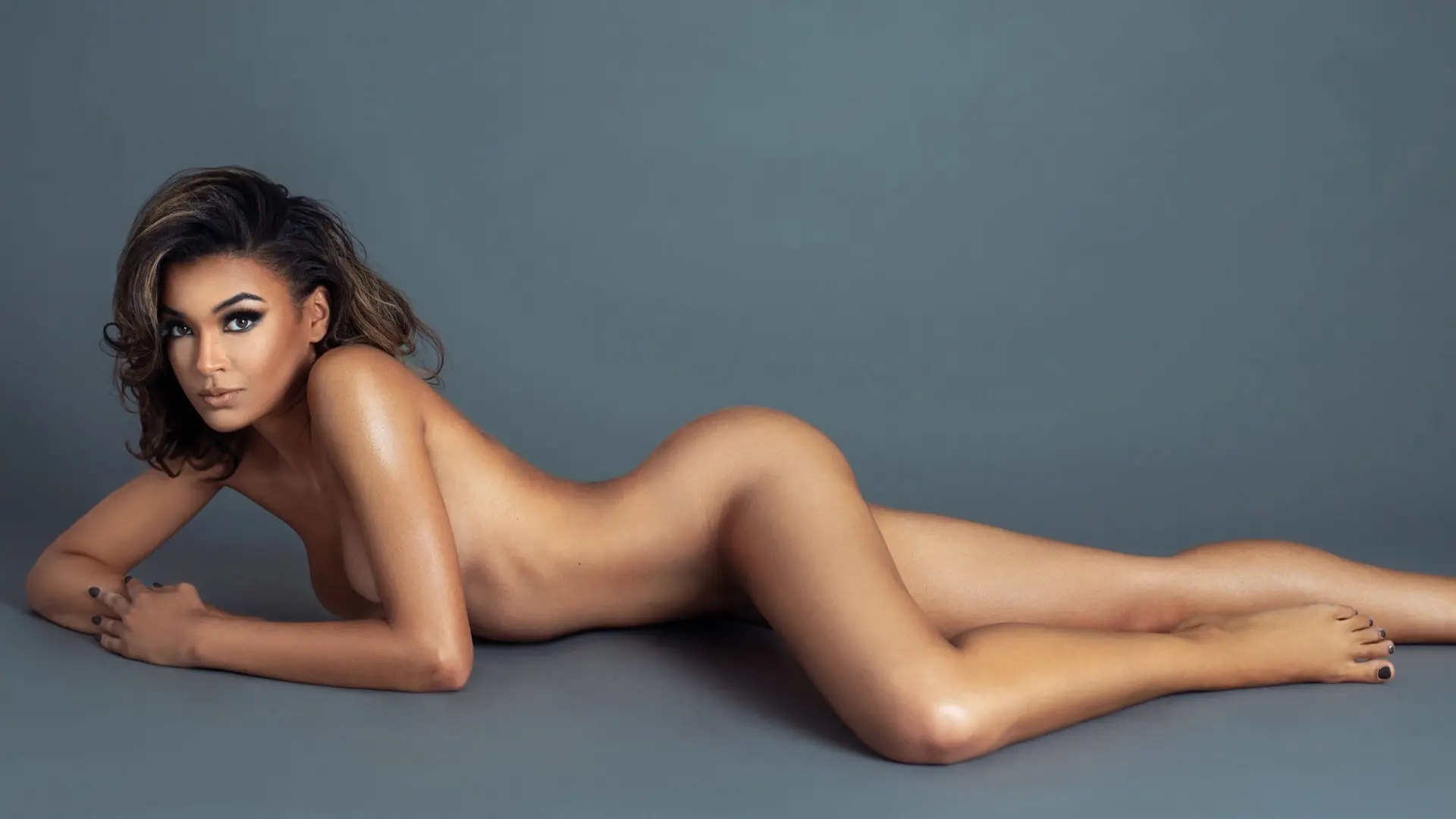
The photograph was not originally presented as a skincare advertisement, and the article was not a dedicated publication of the full series. Its later selection demonstrates contextual adaptability: controlled light, visible skin, a neutral environment and a composition with horizontal breathing room allowed the image to support a new editorial subject more than three years after production.
What Evergreen Beauty Content Actually Requires
Evergreen does not mean generic. An image can be distinctive and still remain usable when its central visual qualities are clear. In this case, the hero frame communicates skin luminosity, confidence and controlled beauty without depending on a short-lived product package, seasonal headline or identifiable campaign graphic.
- Technical longevity: clean lighting, color and retouching remain credible at later publication dates.
- Format flexibility: horizontal and vertical options allow the library to serve different layouts.
- Contextual range: beauty, fashion and detail frames can support different editorial subjects.
- Discoverability: clear filenames, metadata and archive organization make suitable images easier to retrieve.
- Rights clarity: documented image licensing and usage helps teams reuse photography without uncertainty.
The larger lesson is consistent with the compounding value of planned content systems: production value is not determined only on the day an image is delivered. A disciplined visual library can continue creating opportunities when assets are strong, properly archived and matched to relevant future needs. This case proves later editorial reuse; it does not claim paid-media performance, revenue impact or conversion results.
Production Credits
- Photographer: Phil Halfmann
- Creative Director: Sophia Lenore
- Wardrobe Stylist: Sophia Lenore
- Hair Stylist: Sophia Lenore
- Makeup Artist: Aida Greenidge-Gopie
- Model: Fianna
- Published image: The Prestige Mag
Planning Beauty Photography That Can Work Beyond One Launch?
A strong image library begins by identifying the formats, visual roles and usage requirements the brand may need—not merely setting an image-count target. A Free Visual Audit can identify gaps in your current content and opportunities to make future productions more reusable.