
A fashion campaign photographer translates an agreed creative direction into photographs a brand can use across its planned placements. That requires decisions about product visibility, casting, lighting, composition, image variations and delivery before the shoot begins. The quality of the final images depends partly on how clearly those decisions have been made.
When I plan a production, I want to know what the imagery has to communicate, where it will appear and which assets the marketing team actually needs. A hero photograph for a campaign landing page has different framing requirements from a product detail or a vertical placement with copy. Those differences belong in the brief and shot list.
This guide explains how I approach campaign photography and what a brand, agency or art buyer should establish before commissioning a production. For the wider service scope, see campaign and launch photography.
Start With The Campaign Brief And Its Constraints
The brief should identify the collection or product, the intended audience, the campaign message and the required channels. It should also state the delivery deadline, available budget, usage requirements and approval process. A reference board helps communicate a visual direction, but the production still needs instructions that can be carried out on set.
For each planned setup, I consider the relationship between the product, model, styling, location and frame. If the product is the reason for the shoot, its defining features need enough visibility. If a layout requires space for a headline, the composition needs to accommodate that space. Finding these requirements after retouching creates avoidable compromises.
Separate the essential frames from variations that can be explored once the required coverage is secure. A clear priority order helps the team make useful decisions when a location, outfit or lighting setup takes longer than expected.
Agree Who Is Responsible For Each Part Of Production
A photographer may contribute to the brief, visual research and production planning, but the assignment needs a defined scope. Creative direction, casting, styling, hair and makeup, location sourcing, production management, motion capture and post-production each require time and responsibility. Agree who provides them and who approves the work.
For an agency-led production, I need to understand the approved concept, the art director’s role and the client’s sign-off process. For a brand working directly with me, the scope may include more planning and team coordination. The estimate should reflect the work required in either situation.
Nominate one person to consolidate feedback. Conflicting notes from several stakeholders can pull a selection or retouch in different directions. Establish review stages for the creative plan, on-set decisions, image selection and final retouching, with deadlines that leave room for the agreed revisions.

What The Finished Production Should Deliver
The number of final photographs is one part of the specification. The selection also needs enough useful coverage for the placements in the brief. Several nearly identical frames cannot replace a missing product detail, an essential outfit or a composition with room for copy.
| Asset | Decisions To Make Before The Shoot |
|---|---|
| Campaign hero images | Key message, product visibility, image orientation and space required for the intended layout. |
| Supporting photographs | Which outfits, products, model combinations, locations and details need their own coverage. |
| Placement variations | Horizontal, vertical and square requirements, including which frames need a separate composition. |
| Retouched masters and exports | Final image count, retouching scope, dimensions, colour space, file formats and naming. |
| Motion and behind-the-scenes material | Whether it is included, who captures it, required duration and orientation, and editing responsibility. |
| Licensed use | Approved channels, territories, duration and any partner or retailer use included in the agreement. |
Motion needs its own production allowance. A short behind-the-scenes clip and a finished campaign film have different demands on sound, lighting, camera movement, direction and editing. Specify the intended output rather than treating every video requirement as interchangeable.
Campaign photography and fashion ecommerce photography can also require different coverage. A brand may need expressive campaign frames alongside consistent product-page images. Establish both requirements before combining them into one schedule.
Production Evidence From Actual Projects
Mangos Miami: Planned Coverage And Defined Outputs
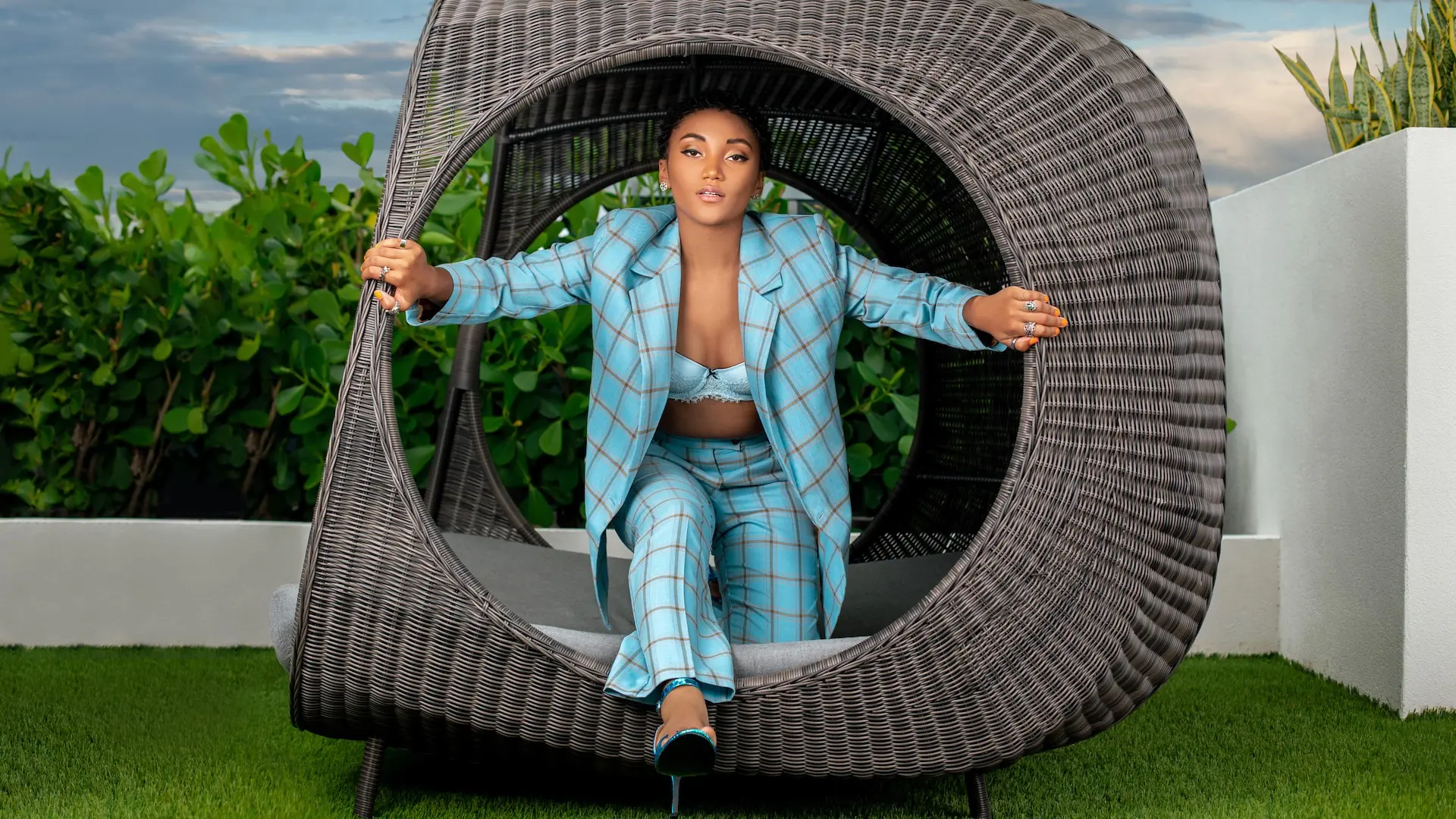
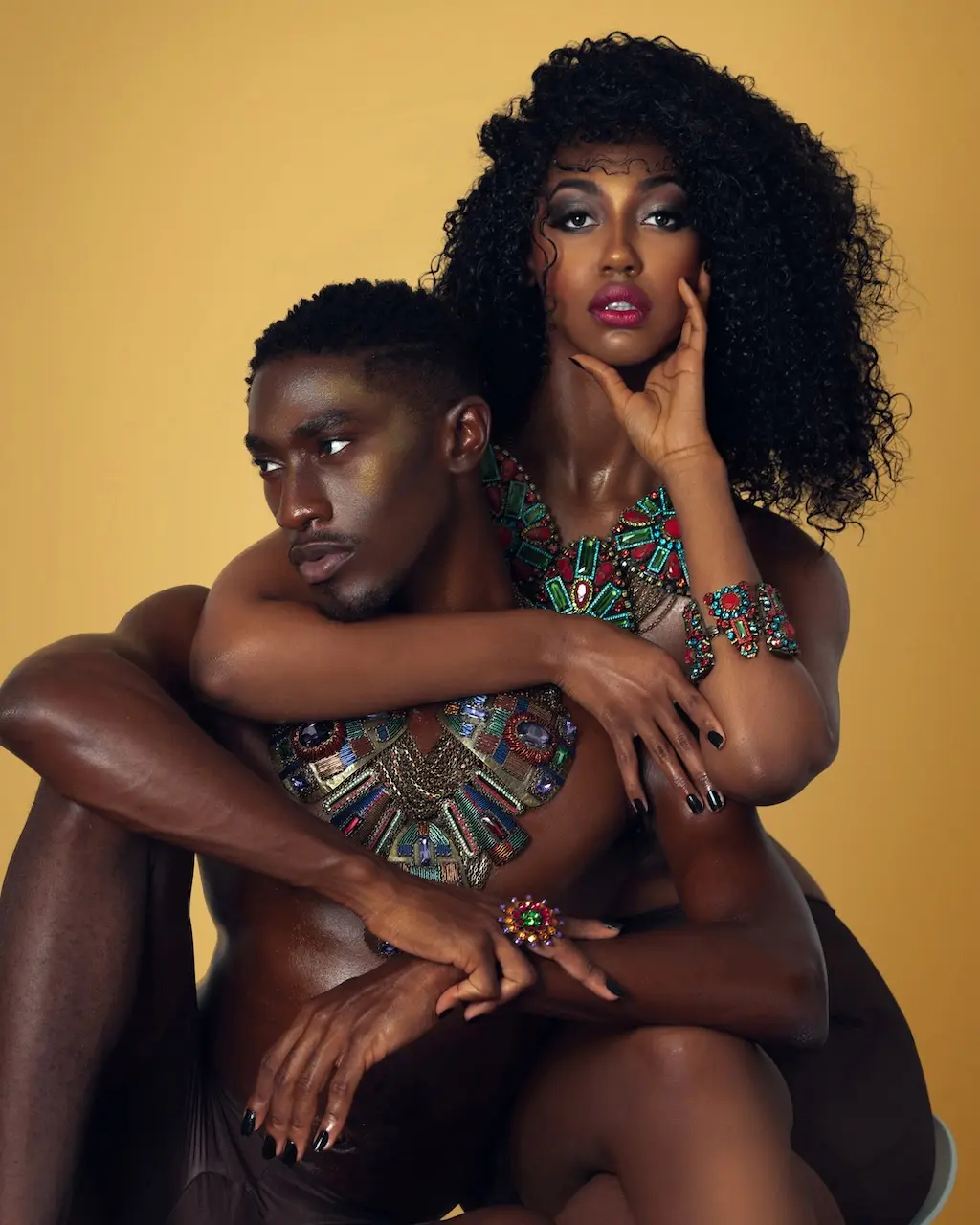
The Mangos Miami “Pool Rocker” production used a mood board and three shot lists to plan individual, two-model and three-model coverage. The finished work included 32 selected and retouched photographs, two behind-the-scenes clips and a 23-page campaign presentation. I photographed the project, with creative direction by Sophia Lenore.
The case study shows how planned coverage developed into a finished image library. It does not provide sales or advertising-return measurements. Its useful evidence is the connection between the production plan, model combinations, visual direction and delivered work.
Trippen Footwear: An Independent Editorial Example
For the independent editorial featuring Trippen footwear, a mood board and two shot lists defined eight planned setups. Posing, props, camera angles and product visibility gave the team a common framework while allowing individual photographs to develop during the shoot.
This production was not commissioned, sponsored or endorsed by Trippen. The footwear brand is credited for the products featured. I include the project because it makes the planning and execution visible; its editorial status is part of that context.
Further examples are collected in the photography case studies. When reviewing a photographer’s work, look at a complete production as well as individual portfolio images. Check whether supporting frames maintain the required quality and visual continuity.
Budget For The Scope And The Intended Use
A campaign estimate should identify the photography fee, planning and production responsibilities, crew, talent, location, equipment requirements, post-production and licensing. Ask which costs are included and which are estimates, allowances or separate expenses. The same shoot duration can support very different productions.
Image count also affects the work after the shoot. Agree what selection and retouching cover, how many review rounds are included and what happens if the final brief changes. Additional outfits, locations, assets or delivery requirements can alter the schedule and estimate.
For ongoing production, the services page sets out my current partnership options. A single campaign should be quoted against its own brief. Comparing a monthly partnership with a one-off assignment requires checking the scope, commitment and intended outputs of both.
Usage needs the same attention. Identify paid advertising, ecommerce, social media, email, print, retailer and partner requirements before the agreement is finalized. Future use outside the agreed scope needs to be discussed separately. The licensing and usage guide explains the points I ask clients to clarify.
Evaluate The Images And Their Marketing Use Separately
At delivery, assess whether the production fulfilled the brief: required products and looks, usable compositions, agreed retouching, correct files and timely handoff. Those are concrete production outcomes that can be checked against the approved specification.
Campaign results require additional evidence. Advertising spend, audience selection, offer, distribution, landing pages and timing all affect performance. An attractive photograph or a larger image library alone cannot establish a sales increase or lower acquisition cost.
If the brand plans creative testing, identify the relevant image variations before production. Keep an asset record showing where each selected image was used and compare results within the context of the placement and test. Document actual findings rather than presenting an assumed lifespan or reuse count as a financial return.
For productions centred on locations, movement and products in use, see lifestyle brand photography. The visual approach should serve the campaign and the product, with enough variation to support the planned applications.
Send A Brief That Can Be Estimated
A first enquiry can be concise. Include the information that determines the production:
- Your brand, collection or product, with the campaign objective and intended audience.
- The required assets and placements, including still photography and any motion.
- Reference imagery and any approved creative direction.
- Preferred location, shoot dates, launch date and final delivery deadline.
- Your available budget and the crew or production support already in place.
- Intended usage, territories and duration, including retailer or partner requirements.
- The person responsible for approvals and the agency or in-house team involved.
I am based near Dortmund in North Rhine-Westphalia, Germany, and work on fashion, beauty and lifestyle productions across Germany and internationally. Share the brief through the campaign enquiry form so we can establish the scope, availability and next planning steps.
For help organizing the brief before you enquire, visit the campaign planning resources.