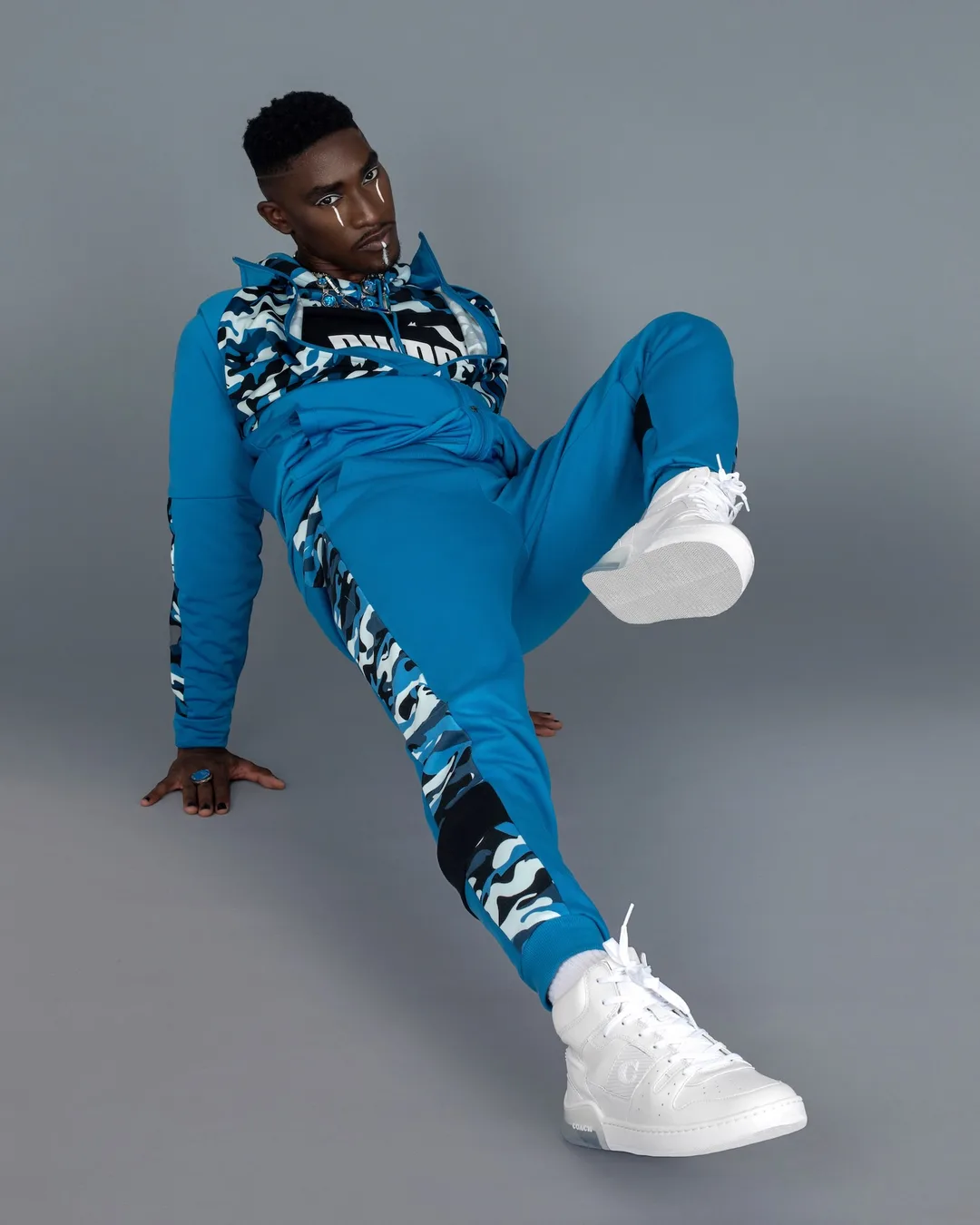
If you’ve ever asked yourself how many images does a fashion brand actually need, it’s probably because something didn’t feel right after your last shoot.

Maybe the fashion campaign photography looked good. However, a few weeks later, you were already running out of content. At first, it feels like a small issue. But then, it keeps happening.

This is where most brands realize they didn’t shoot enough — or the right kind of content.

What I See During Visual Audits

One of the most common findings during visual audits is that brands assume 15–20 edited images will support several months of marketing. In reality, those assets are often consumed within a few weeks once social media, advertising, email marketing, and website requirements are considered.

What You Will Learn About How Many Images Does A Fashion Brand Actually Need?

Free Visual Content Checklist

If you’re unsure how much content you need, the issue is usually planning—not production.

→ Get your checklist

How Many Images Does A Fashion Brand Actually Need For Social Media?

One of the most common questions fashion brands ask is: how many images does a fashion brand actually need for social media?

The answer is usually far more than most brands expect.

Many brands plan a photoshoot around a handful of hero images and assume those assets will support their social media presence for months. However, modern social media platforms require a consistent flow of content across multiple formats, audiences, and marketing objectives.

The question is not simply how many images does a fashion brand actually need. The real question is how many images are needed to maintain visibility, engagement, and marketing momentum over time.

Why Social Media Consumes Content Faster Than Most Brands Realize

A single image is rarely used only once. The same campaign may require content for:

As a result, even a large campaign can feel depleted within a few weeks. This is one reason why many fashion brands believe they need another photoshoot when the real issue is often insufficient content planning.

How Many Images Does A Fashion Brand Actually Need Per Month?

While every brand is different, a typical fashion brand posting consistently may use:

That can easily require 30–60 unique visual assets per month, depending on the marketing strategy. Brands running paid advertising, frequent launches, or multiple product categories often require even more.

Asset Variety Matters More Than Image Count

Many brands focus exclusively on quantity.

However, asset variety is usually more important.

A strong campaign should include:

This variety allows marketing teams to maintain content freshness without constantly repeating the same visuals.

Why Most Fashion Brands Underestimate Social Media Requirements

The biggest mistake brands make is planning content around the photoshoot instead of planning around future marketing needs. For example: A campaign delivers 15 edited images.

Initially, this feels like a substantial amount of content.

However, after:

those 15 images are often exhausted much faster than expected.

The issue is rarely content quality but that the campaign was not designed to generate enough assets for ongoing marketing activity.

How Many Images Does A Fashion Brand Actually Need For Social Media? The Better Answer

Instead of asking how many images a fashion brand actually needs for social media, brands should ask:

For many fashion brands, a realistic goal is creating enough content to support three to six months of marketing activity rather than planning around a specific image count.

The brands that rarely run out of content are not necessarily producing more photoshoots. They are producing more strategic asset libraries that support social media, advertising, email marketing, and future campaigns simultaneously.

What Is A Fashion Content Library?

A fashion content library is a structured collection of visual assets that a fashion brand uses to support marketing, advertising, e-commerce, social media, public relations, and future campaigns.

Rather than treating each photoshoot as a separate project, successful fashion brands build content libraries that grow over time. Every campaign, product launch, and production contributes new assets that can be reused, repurposed, and deployed across multiple channels.

A well-developed fashion content library helps brands maintain consistency, reduce content shortages, and maximize the value of every production investment.

Content Assets

Content assets are the individual pieces of content stored within the library.

These assets may include:

Each asset serves a specific marketing purpose while contributing to the brand’s broader content ecosystem.

The stronger the content library, the more marketing opportunities the brand can support without constantly scheduling new productions.

Image Categories

A fashion content library should contain multiple image categories rather than relying exclusively on hero campaign imagery.

Common categories include:

Hero Campaign Images

Large-scale visuals used for:

Product Photography

Assets designed for:

Lifestyle Content

Images that communicate:

Detail Photography

Close-up visuals highlighting:

Advertising Assets

Content optimized for:

A diverse library provides flexibility and helps extend content lifespan.

Campaign Content

Campaign content is created to support specific launches, promotions, or marketing initiatives.

Examples include:

Campaign content typically has a shorter lifespan because it is tied to a particular marketing objective.

While campaign assets are essential, brands that rely exclusively on campaign content often experience content shortages more quickly.

Evergreen Content

Evergreen content remains useful long after a specific campaign ends.

Examples include:

Unlike campaign-specific imagery, evergreen content can support multiple marketing initiatives over an extended period of time because evergreen assets remain relevant longer, they often generate the highest long-term return on investment.

Content Lifespan

One of the most important functions of a fashion content library is extending content lifespan. Different types of content remain useful for different periods of time.

Typical examples include:

Content Type Typical Lifespan
Launch Content 2–8 weeks
Campaign Content 2–6 months
Advertising Creatives 1–6 months
Website Content 6–18 months
Evergreen Content 12–36+ months

By maintaining a mix of short-term and long-term assets, fashion brands can avoid content shortages and reduce the need for constant reshoots.

Why Fashion Content Libraries Matter

Many brands think they have a content production problem when they actually have a content library problem.

Without a structured library:

With a well-managed fashion content library:

The Goal Of A Fashion Content Library

The goal is not simply to collect more images but to build a strategic library of content assets that can support launches, advertising, social media, email marketing, e-commerce, retail marketing, and future campaigns.

The strongest fashion brands do not create content one campaign at a time. They build fashion content libraries that continue generating value long after the photoshoot is over.

How To Calculate How Many Images Your Fashion Brand Needs

One of the most common mistakes fashion brands make is trying to determine content needs based on a specific image count. The reality is that there is no universal number.

The amount of content your brand requires depends on how frequently you publish, where you distribute content, how often you launch products, how long assets need to last, and how much variety your marketing requires.

Instead of asking: “How many images do we need?”

Ask: “How much content do we need to support our marketing objectives?”

The following framework helps fashion brands calculate realistic content requirements.

Take a look at Content Planning For Fashion Brands: How One Campaign Generated 6 Months Of Marketing Assets.

1. Publishing Frequency

The first factor is how often your brand publishes content. A brand posting once per week requires significantly fewer assets than a brand publishing daily across multiple channels.

Consider:

For example:

Publishing Frequency Approximate Monthly Asset Need
1–2 Posts Per Week 8–15 Assets
3–5 Posts Per Week 20–40 Assets
Daily Publishing 40–80+ Assets

The more frequently you publish, the faster content is consumed.

2. Marketing Channels

Every marketing channel requires content. Many brands underestimate content demand because they only think about social media.

In reality, content may be needed for:

The more channels your business uses, the larger your content library must be.

Example

A brand active on:

requires fewer assets than a brand active on:

Channel count directly influences content requirements.

3. Advertising Requirements

Paid advertising often consumes content faster than any other marketing activity. Advertising campaigns typically require:

For example:

Advertising Activity Asset Requirement
No Paid Ads Minimal
Light Advertising 10–20 Assets
Active Advertising 20–50+ Assets
Scaling Campaigns 50+ Assets

Brands investing heavily in paid media usually need significantly larger content libraries.

4. Product Launch Schedule

How often your brand introduces new products dramatically impacts content demand.

Consider:

A brand launching products every month will require substantially more content than a brand launching twice per year.

Example

Launch Frequency Content Demand
2 Launches Per Year Lower
Quarterly Launches Moderate
Monthly Drops High
Weekly New Arrivals Very High

The more frequently products change, the more content your marketing team will need.

5. Content Lifespan

One of the most overlooked variables is how long content should remain useful. Many brands only plan for launch week. Instead, calculate content requirements based on lifespan.

Ask:

Typical content lifespans include:

Content Type Typical Lifespan
Launch Content 2–8 Weeks
Campaign Content 2–6 Months
Website Content 6–18 Months
Evergreen Brand Content 12–36+ Months

The longer content needs to support marketing activity, the more assets and variations you typically require.

6. Asset Variety

The final factor is asset variety. Many brands focus on image count. However, content variety is often more important than quantity.

A strong campaign may include:

The greater the variety, the longer the content library remains useful.

A Simple Calculation Framework

To estimate content needs, evaluate:

Publishing Frequency

How often do we post?

Marketing Channels

How many channels need content?

Advertising Requirements

How much paid media are we running?

Product Launch Schedule

How often are products changing?

Content Lifespan

How long should the assets remain useful?

Asset Variety

How many content types are required?

The answers to these questions will provide a much more accurate estimate than any universal image count.

The Real Question Is Not How Many Images

The strongest fashion brands rarely focus on image quantity alone. Instead, they focus on whether their content library can support:

For many fashion brands, the answer is not 20 images or 50 images. It is creating enough strategic content to support three to six months of marketing activity without constantly returning to production.

That is the difference between calculating image count and building a content system.

How Many Images Does A Fashion Brand Actually Need To Last Six Months?

Many brands ask how many images does a fashion brand actually need for a campaign. A better question is: how many images does a fashion brand actually need to last six months?

This shifts the conversation away from production and toward marketing reality.

Most fashion brands do not run a single campaign and disappear for six months. They are continuously posting on social media, running paid advertising, launching products, updating websites, sending email campaigns, and supporting retail or PR initiatives.

When viewed through this lens, content requirements become significantly larger than most brands expect.

How Many Images Does A Fashion Brand Actually Need Across Six Months Of Marketing?

Consider a fashion brand that publishes:

Over six months, this could easily require:

Even if individual images are reused strategically, the total content demand is far greater than many brands anticipate. This is why a campaign that produces only a small number of assets often feels exhausted after a few weeks.

Asset Variety Extends Content Lifespan

The answer to how many images does a fashion brand actually need is not simply about quantity. Asset variety is equally important.

A six-month content library should typically include:

When campaigns generate multiple asset types, marketing teams can continuously refresh content without scheduling another production.

Why Most Brands Underestimate Six-Month Content Requirements

Many brands calculate content needs based on launch week. They ask: “How many images do we need for this campaign?”

Instead, they should ask:

Without this long-term perspective, campaigns often generate beautiful imagery but insufficient volume for sustained marketing activity. The result is predictable.

Teams begin requesting new content shortly after launch because the original campaign was never designed to support long-term usage.

Planning Six Months Of Content Before The Photoshoot

The most successful brands reverse the process. Before production begins, they define:

This allows the shot list to support future business objectives rather than immediate creative needs.

For a deeper look at campaign planning, read: How To Plan A Fashion Campaign Shoot That Delivers Better Content And Better Results

How Many Images Does A Fashion Brand Actually Need To Last Six Months? The Real Answer

There is no universal number because every brand publishes content differently. However, most fashion brands need substantially more content than they initially estimate. The brands that successfully support six months of marketing activity rarely focus on image count alone.

Instead, they focus on creating a complete content library with enough variety, formats, and flexibility to support multiple channels and business objectives.

The goal is not to create more photos but to create enough strategic assets that marketing teams can continue generating value long after the photoshoot is over.

Marketing Activity Typical 6-Month Asset Need
Social Media 75–120+ assets
Paid Advertising 20–50+ creative variations
Email Marketing 12–24 assets
Website Updates 10–20 assets
Product Launches 20–40 assets

How many images does a fashion brand actually need shown through lack of fashion content production

What Happens When Fashion Brands Underestimate Content Needs?

One of the biggest mistakes fashion brands make is underestimating how much content they actually need. At first, the campaign feels successful. The photoshoot is completed, the images are delivered and the launch goes live.

Everyone is excited about the results. Then, a few weeks later, the marketing team begins asking for more content.

This is what happens when fashion brands underestimate content needs. The problem is rarely the quality of the photography but that the campaign was never designed to support the full scope of marketing activity that follows.

Read more: Why a Fashion Content Retainer Is the Smartest Investment for Scalable Brand Growth

Content Runs Out Faster Than Expected

Most brands initially focus on launch requirements. They plan for:

What they often fail to plan for are the weeks and months that follow. As content gets deployed across multiple channels, the asset library begins to shrink quickly.

The same images appear repeatedly, teams struggle to maintain variety, audience fatigue starts to develop and the campaign feels old long before its marketing value has been fully realized.

Marketing Teams Begin Reusing The Same Assets

When content shortages occur, teams are forced to reuse existing imagery more frequently. The same photos appear in:

Eventually, customers see the same images over and over again. This repetition reduces engagement and makes the brand appear less active, even when marketing efforts remain consistent.

The issue is not necessarily creative quality but insufficient asset volume and variety.

Paid Advertising Performance Begins To Decline

Content shortages often become most visible in paid advertising. Advertising platforms perform best when brands can introduce fresh creative regularly.

When campaigns rely on a limited number of images, marketing teams have fewer options to test:

Over time, creative fatigue develops, performance declines and customer acquisition costs may increase.

Brands often assume they need better advertising when the real issue is that they do not have enough content to support ongoing optimization.

Content Creation Becomes Reactive

One of the most expensive consequences of underestimating content needs is reactive marketing. Teams begin operating from immediate content demands rather than long-term planning.

Requests become familiar:

Instead of executing a structured content strategy, the team constantly responds to content shortages. This creates inefficiencies, delays, and unnecessary production expenses.

Brands Schedule More Photoshoots Than Necessary

When content runs out, many brands assume the solution is another photoshoot. As a result, they schedule additional productions throughout the year simply to fill content gaps.

This often leads to:

In many cases, a single well-planned campaign could have generated enough content to support several months of marketing activity.

The issue is not a lack of photoshoots but a lack of content planning.

What Happens When Fashion Brands Underestimate Content Needs? They Reduce Marketing ROI

Ultimately, underestimating content needs reduces the return on every campaign investment. The brand spends money creating assets but fails to generate enough content to maximize their value across:

As a result, content reaches its perceived limit long before its potential value has been fully realized. The brands that achieve the strongest marketing ROI understand that content planning is not about producing more images.

It is about producing the right mix of assets, formats, and creative variations to support months of marketing activity. That is why the question is not simply how many images does a fashion brand actually need.

The better question is whether the campaign is producing enough content to support the business long after launch day.

How many images does a fashion brand actually need shown through limited fashion campaign photography output

What It Feels Like From a Brand Perspective

This situation usually looks like this:

At that point, the question how many images does a fashion brand actually need becomes very real.

How Many Images Does A Fashion Brand Actually Need: What Actually Works

After discussing content shortages, campaign planning, and marketing requirements, the question remains: How many images does a fashion brand actually need?

The answer is not a specific number. What actually works is creating enough content to support your marketing objectives over time.

Many brands approach content planning by asking: “How many images will we receive?”

Successful brands ask: “How many marketing opportunities will these images support?”

This shift changes how campaigns are planned, produced, and measured.

Read more: What Happens When You Are Planning Photography Like Media Buys

What Actually Works Is Planning For Marketing, Not Production

Most content problems begin when brands plan around the photoshoot itself.

They focus on:

While these elements matter, they do not determine whether the campaign will continue delivering value after launch. What actually works is planning around:

The brands that consistently have enough content start by defining marketing needs before building a shot list.

What Actually Works Is Creating Asset Variety

One reason brands run out of content so quickly is that they rely on a small number of hero images. Strong campaigns generate a broader mix of assets, including:

Asset variety allows marketing teams to continuously refresh content without constantly repeating the same visuals. This often matters more than the total image count.

What Actually Works Is Planning For Three To Six Months

The most effective campaigns are planned around content lifespan. Instead of asking: “How many images do we need for launch?”

Ask: “How much content do we need for the next six months?”

This approach helps brands generate content that supports:

The result is a more efficient use of production budgets and a longer-lasting content library.

What Actually Works Is Building Content Systems

The brands that rarely struggle with content do not treat every photoshoot as an isolated event. They build content systems.

A content system connects:

Each production contributes to a larger content ecosystem rather than solving a single short-term need. This is why many growing brands move toward ongoing content partnerships rather than relying exclusively on one-off productions.

For a deeper look at this approach, read: Fashion Content Production Retainer: How Fashion Brands Build Consistent Content That Actually Scales

How Many Images Does A Fashion Brand Actually Need? The Practical Answer

For many fashion brands, a successful campaign may generate:

However, the exact number is less important than the campaign’s ability to support ongoing marketing activity. The brands achieving the strongest results are not focused on collecting more images.

They are focused on creating enough strategic content to support business growth over time.

How Many Images Does A Fashion Brand Actually Need: What Actually Works

What actually works is not chasing a specific image count. What actually works is:

When these elements are in place, brands stop asking whether they have enough images.

Instead, they have enough content to support campaigns, launches, advertising, and growth long after the photoshoot is finished.

Connecting This to Scalable Growth

Once you understand how many images does a fashion brand actually need, campaigns become more efficient.

You stop producing random visuals and start building a system.

→ Read our cornerstone guide on brand photography systems

How many images does a fashion brand actually need shown through structured fashion brand visuals system

Frequently Asked Questions About How Many Images Does A Fashion Brand Actually Need

How many images does a fashion brand actually need?

The answer depends on how often the brand publishes content, how many channels it uses, and how long the content should last. Most brands require significantly more assets than they initially estimate because content must support social media, advertising, email marketing, websites, PR, and future campaigns.

How many images should a fashion campaign produce?

A fashion campaign should generate enough asset variety to support multiple marketing channels and business objectives. Rather than focusing on a specific number, brands should focus on creating a mix of hero imagery, product shots, lifestyle content, detail images, and platform-specific formats.

Why do fashion brands run out of content so quickly?

Most brands run out of content because they underestimate future content requirements. They often plan for the photoshoot itself rather than planning for months of marketing activity after the shoot.

How many images are needed for social media?

The number depends on posting frequency and platform usage. Brands posting daily across multiple channels will require substantially more assets than brands publishing occasionally. Content variety is often more important than sheer volume.

How many images are needed for paid advertising?

Paid advertising typically requires multiple creative variations to avoid audience fatigue and maintain performance. Brands often need several versions of the same campaign concept to support ongoing advertising efforts.

Is it better to create more images or better images?

The goal is not simply creating more images. The goal is creating enough high-quality assets with sufficient variety to support marketing objectives over time. A strong content system balances quality, quantity, and strategic usage.

Final Thoughts

Most brands don’t realize the problem until after the shoot.

However, once you understand how many images does a fashion brand actually need, the difference becomes clear.

You don’t just shoot more, you shoot smarter.

Fix Your Content Output

Let’s define how much content your brand actually needs.

→ Get your visual audit

Next Recommended Reads

How to Plan a Fashion Campaign Shoot That Delivers Better Content and Better Results

Why One-Off Content Shoot Feels Productive But Deliver Almost Nothing

What Images Do You Need for a Campaign Shoot? (What Brands Usually Miss)