
Content infrastructure begins when a production is planned for more than one immediate use. For designer Tanya Marie’s new collection, “The Exhibitionist” was developed as a cohesive fashion campaign and as the visual foundation for a potential ongoing creative partnership. The result was a 50-image library spanning hero compositions, full-length fashion photography, paired portraits, horizontal assets, beauty images and supporting details, all connected by one recognizable campaign language.
As campaign photographer, Phil Halfmann translated the creative direction into a varied but cohesive image library, balancing editorial impact, garment visibility and format flexibility throughout the production.
Designer: Tanya Marie Design
Campaign: The Exhibitionist
Production: Fashion campaign photography
Final library: 50 edited images
Primary category: Strategy & Planning
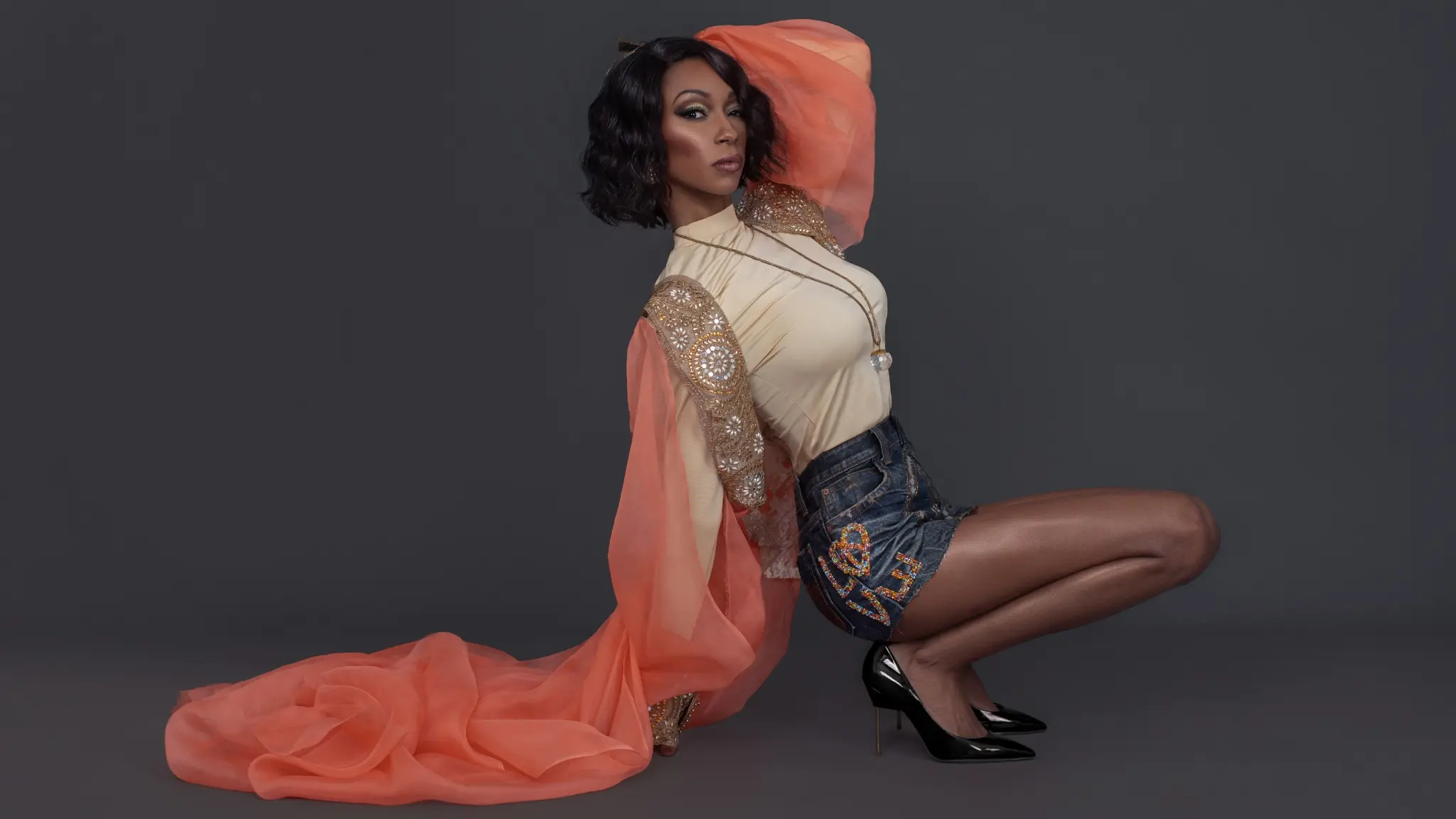
The Strategic Challenge: Photograph a Collection Without Creating Isolated Images
A new collection needs memorable hero photography. However, a brand rarely needs only a hero image. It also needs enough visual range to introduce the collection, maintain attention, support editorial storytelling and adapt the campaign across different placements.
The strategic risk was straightforward: if every look were photographed in the same way, the production might deliver a polished gallery but a limited campaign system. Conversely, if every setup followed a different visual idea, the final images could lose the consistency required for brand recognition.
Therefore, the production needed to balance two priorities:
- Creative consistency: every image needed to belong to the same campaign world.
- Asset diversity: the library needed enough variation to serve different storytelling and distribution needs.
The photography formed the visual layer of the proposed content infrastructure; a complete operational system would also connect the assets to licensing, organization, channel mapping, publishing responsibilities and performance measurement.
This is the distinction between commissioning individual photographs and developing a content system rather than a random shoot. The objective was not to create 50 unrelated options but to build 50 connected assets with different jobs.
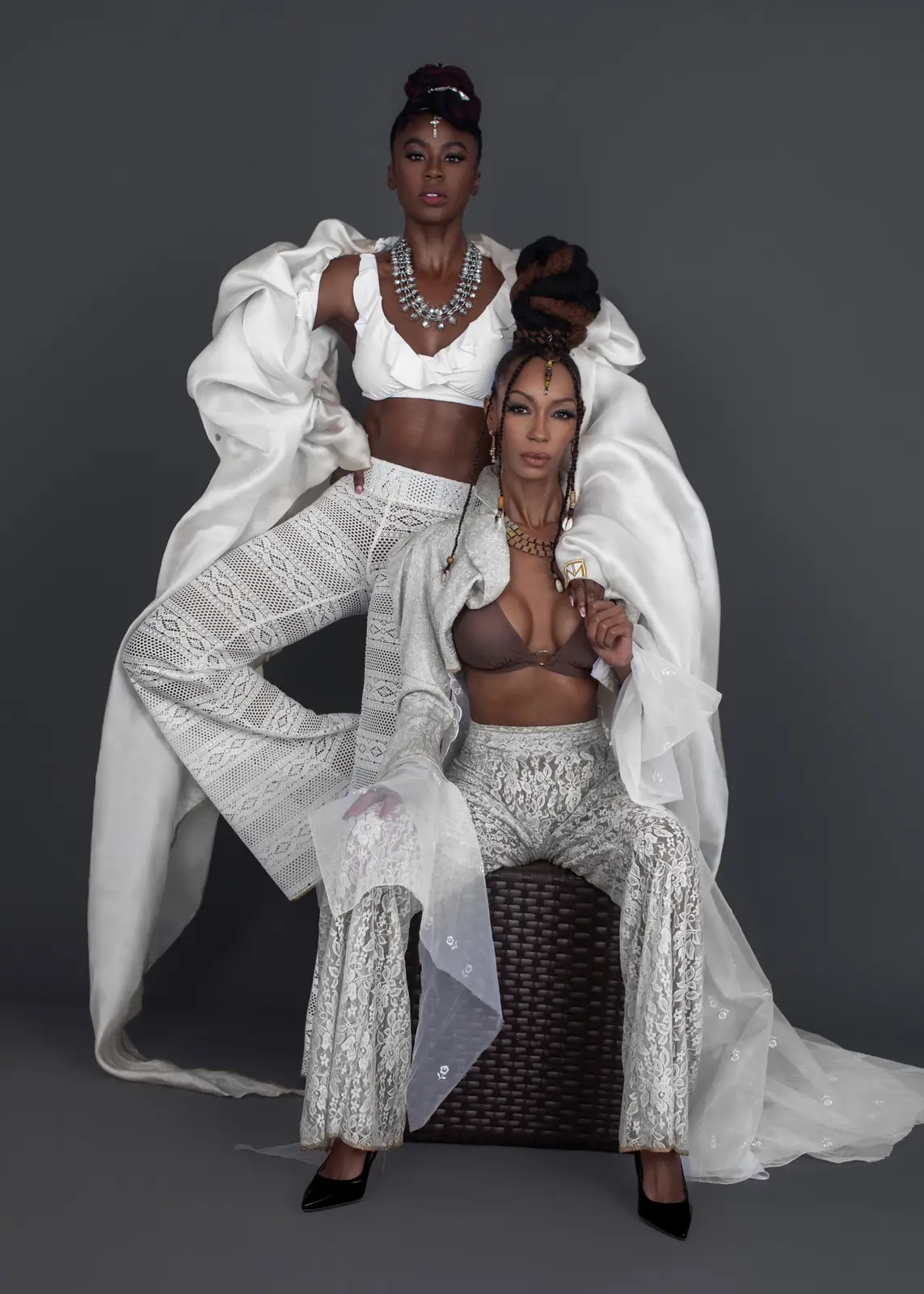
The Campaign Narrative: “The Exhibitionist”
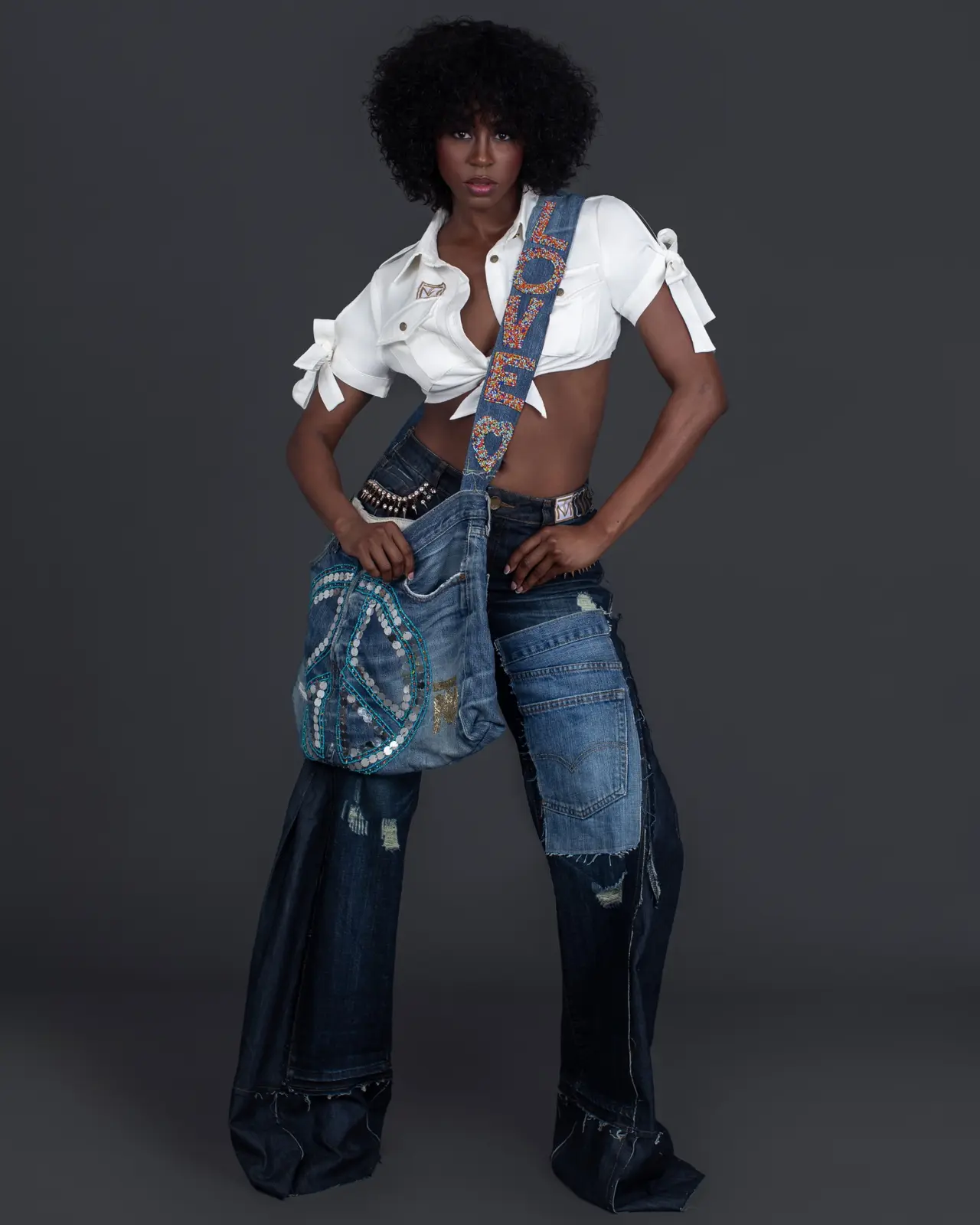
“The Exhibitionist” explored sculptural femininity, elevated sensuality and contemporary luxury. Bold silhouettes, controlled studio lighting and deliberate portrait direction gave the collection a confident visual identity. At the same time, the neutral studio environment allowed lace, denim, embellishment, tailoring and movement to remain legible.
The campaign did not depend on one garment, one pose or one model to create recognition. Instead, it used a set of repeatable creative principles:
- A controlled grey tonal environment
- Directional but polished studio lighting
- Strong, graphic body lines
- Sculptural use of fabric and silhouette
- Editorial expressions with commercial garment visibility
- Consistent visual pacing across individual and paired portraits
This foundation helped the team change models, garments, crops and energy without losing the campaign’s identity. That is the practical role of creative direction for fashion campaigns: it gives each collaborator a shared visual logic while leaving room for original decisions on set.

From Campaign Photography to Content Infrastructure
A campaign shoot becomes content infrastructure when its images are planned as a coordinated library rather than treated as interchangeable selects. In this production, variety came from changing the function of each composition—not from abandoning the central concept.
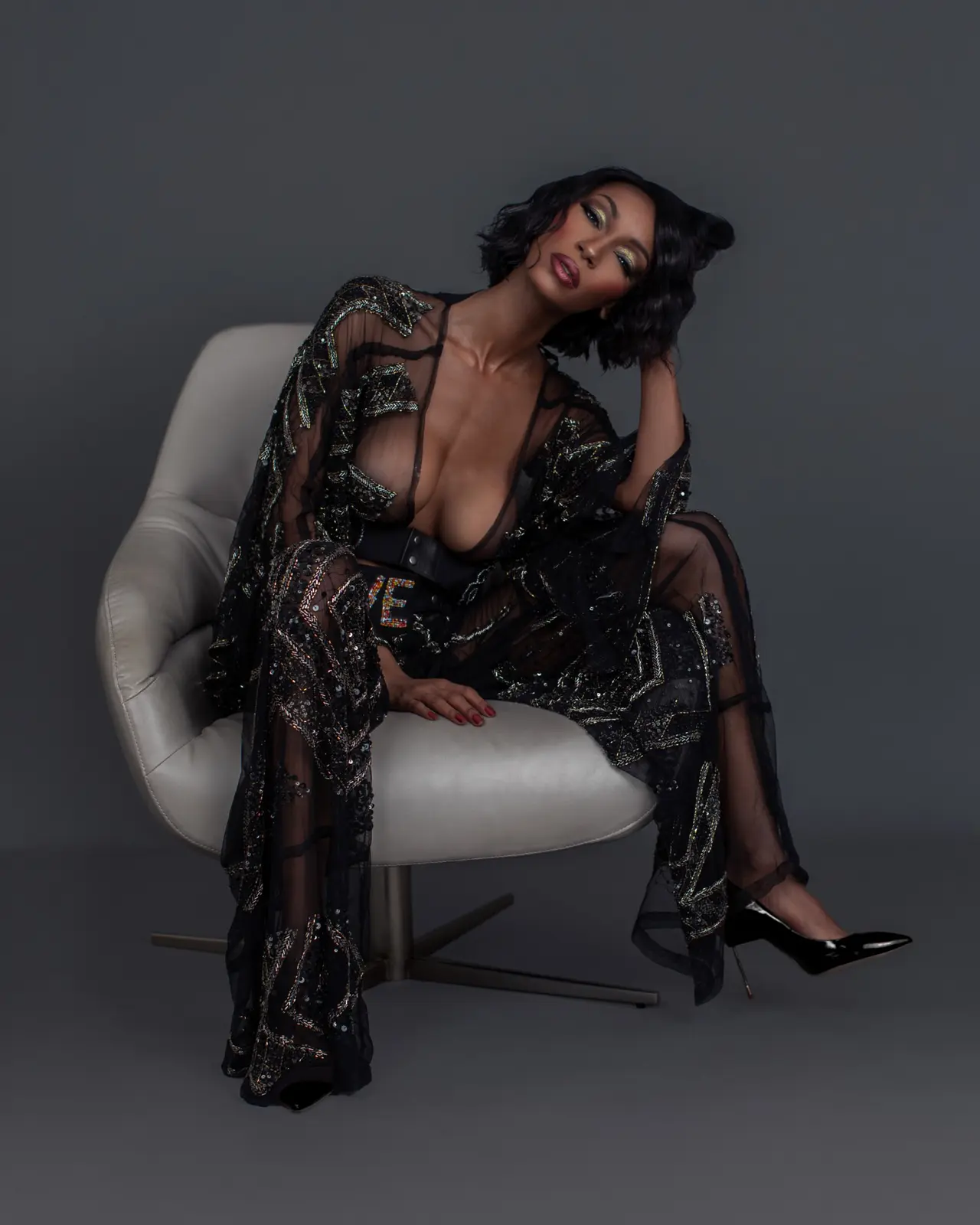
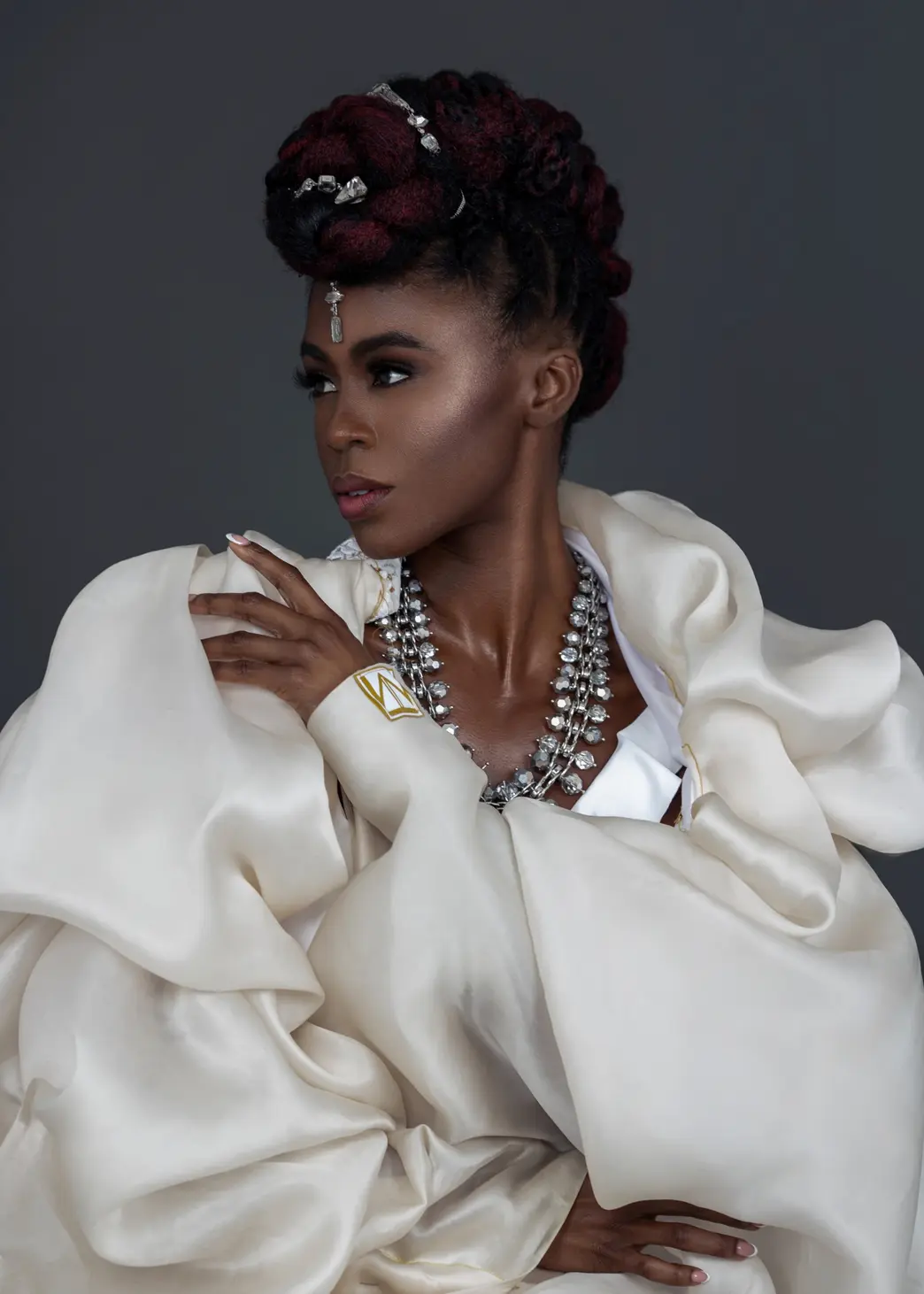
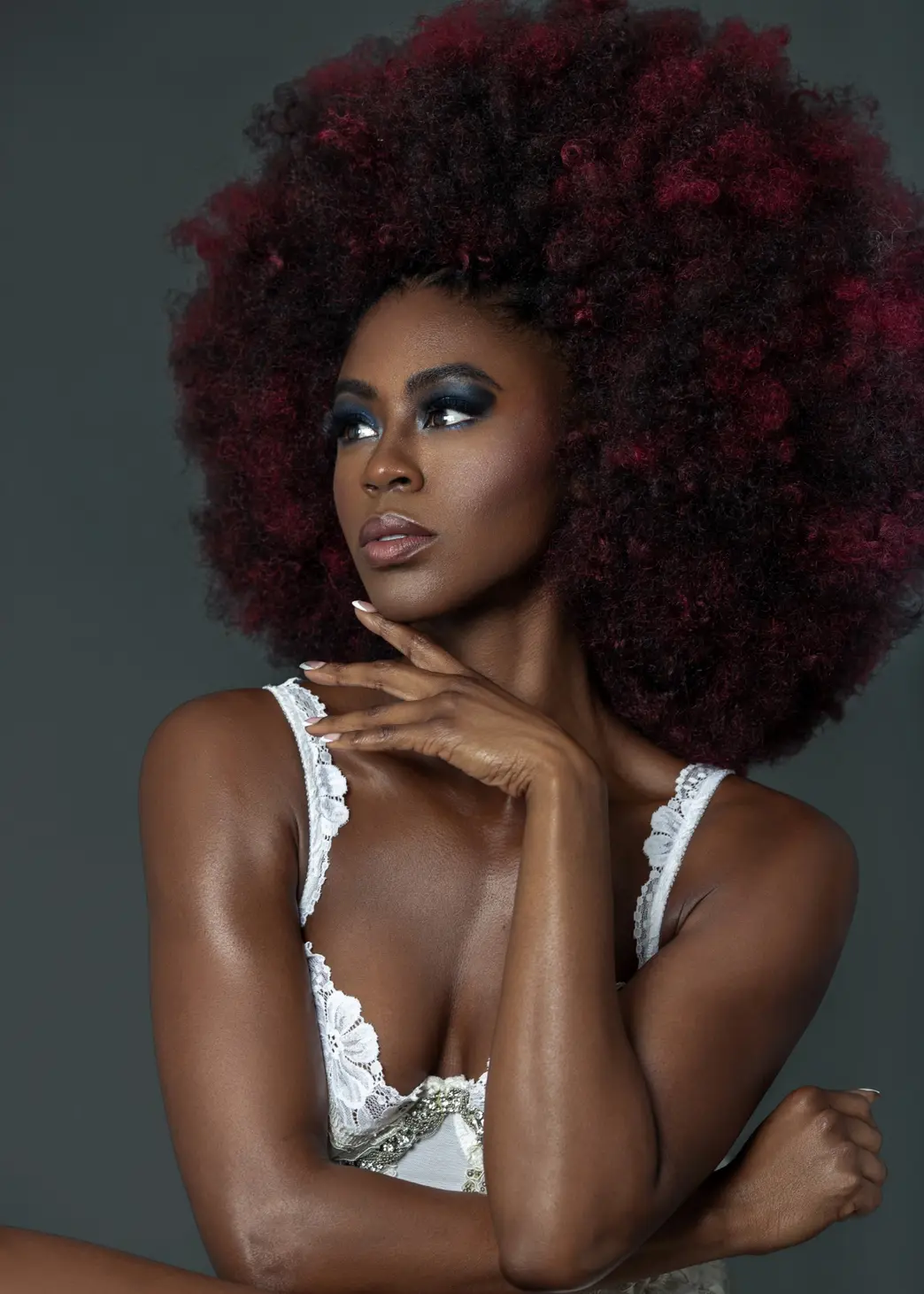
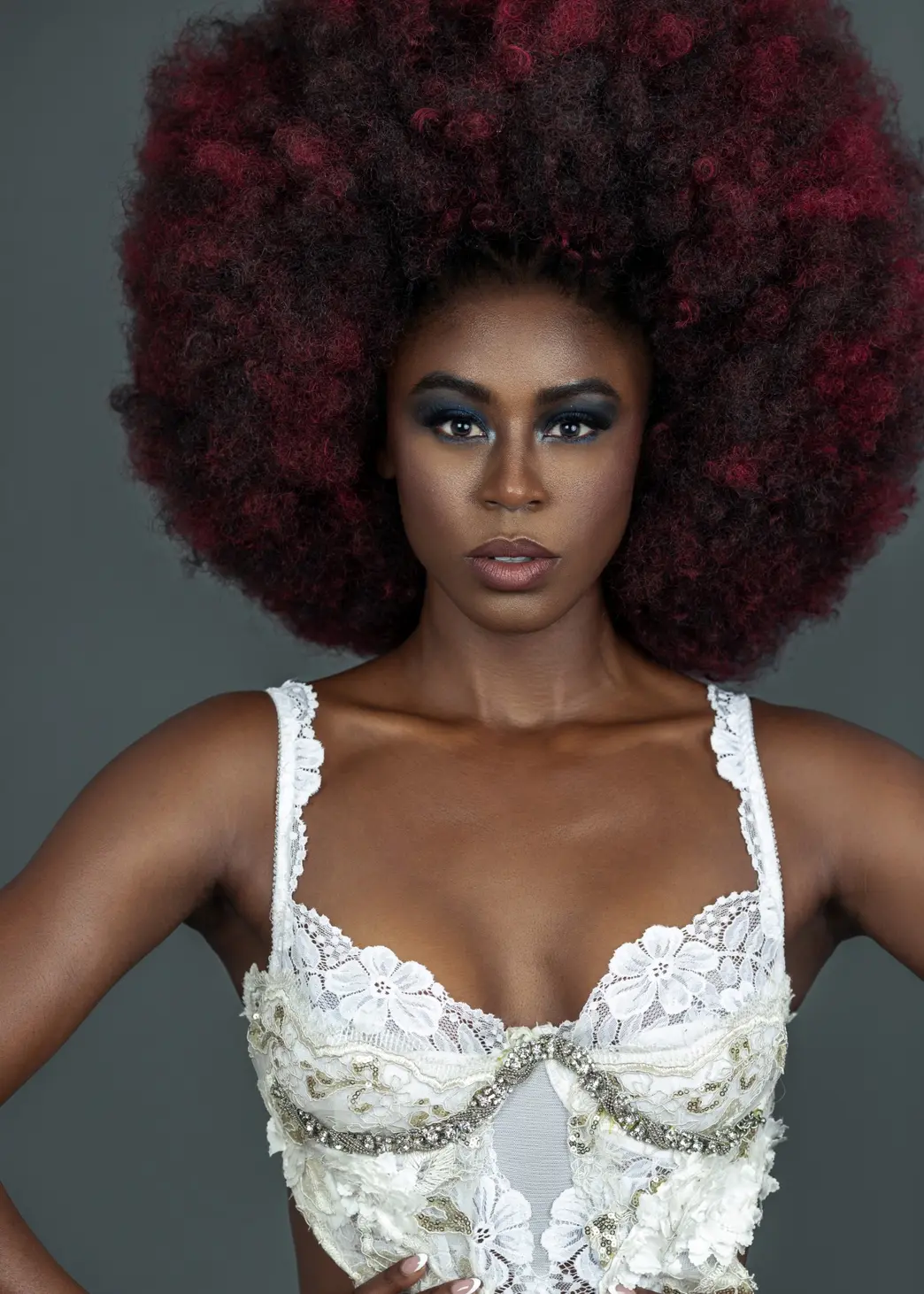
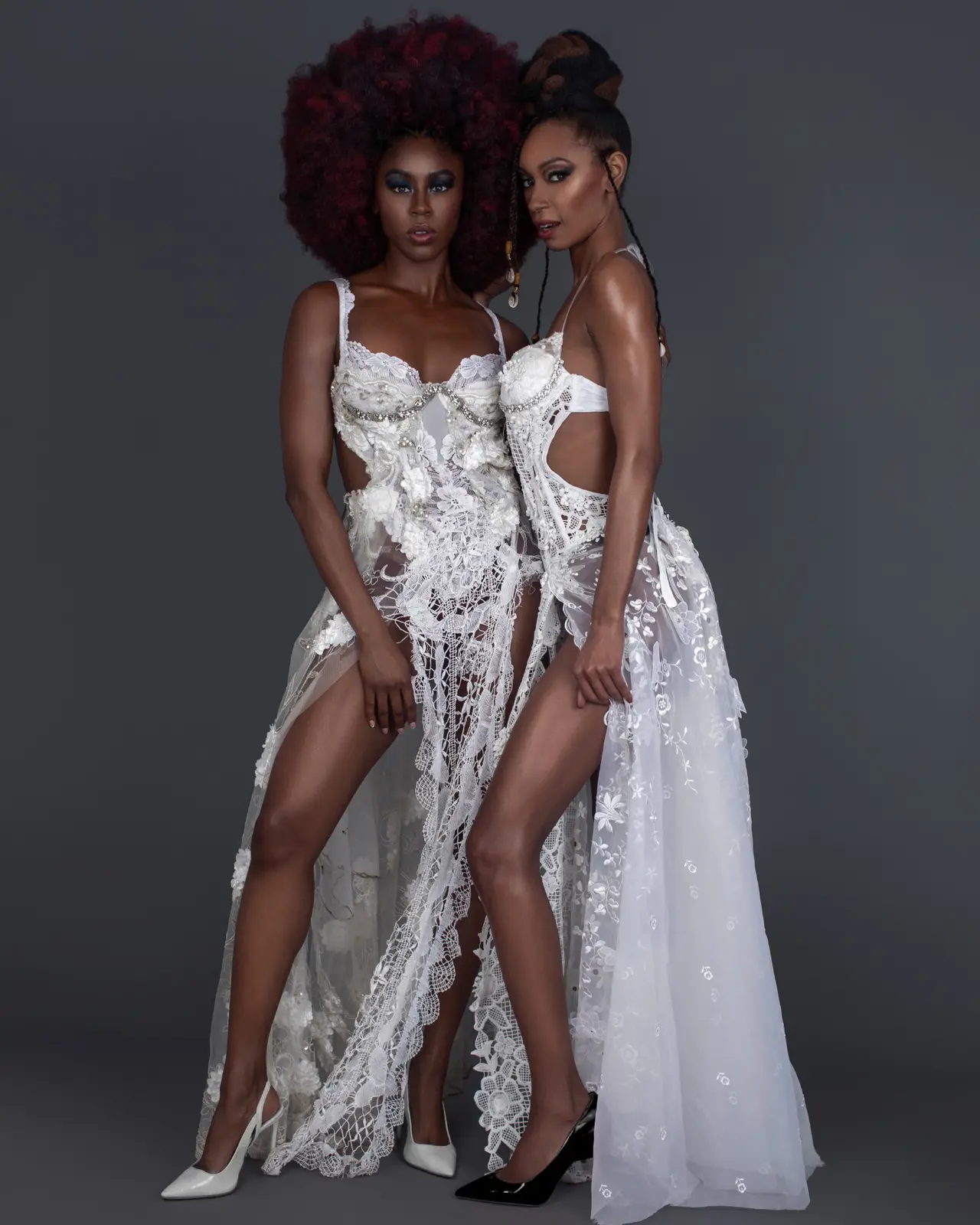
Paired portraits established the relationship between the models and the collection. Full-length images preserved silhouette and garment construction. Seated frames introduced a more editorial rhythm. Horizontal photographs created space for broader layouts. Meanwhile, close portraits documented hair, makeup, accessories, surface detail and the emotional language of the campaign.
Because the same lighting approach, backdrop, direction and visual tone connected these formats, the library could expand without fragmenting. This principle also sits behind effective campaign concept development: a strong concept must remain recognizable when translated into different assets.
Content infrastructure is not the number of photographs a shoot produces. It is the number of useful, connected roles those photographs can perform.


The 50-Image Asset Architecture
The completed library contained 50 edited photographs. However, image count alone does not explain its value. The more meaningful measure is the range of visual functions created within one production.
| Asset type | Strategic role | Examples from the production |
|---|---|---|
| Hero imagery | Establish the campaign world immediately | Two-model compositions and sculptural statement looks |
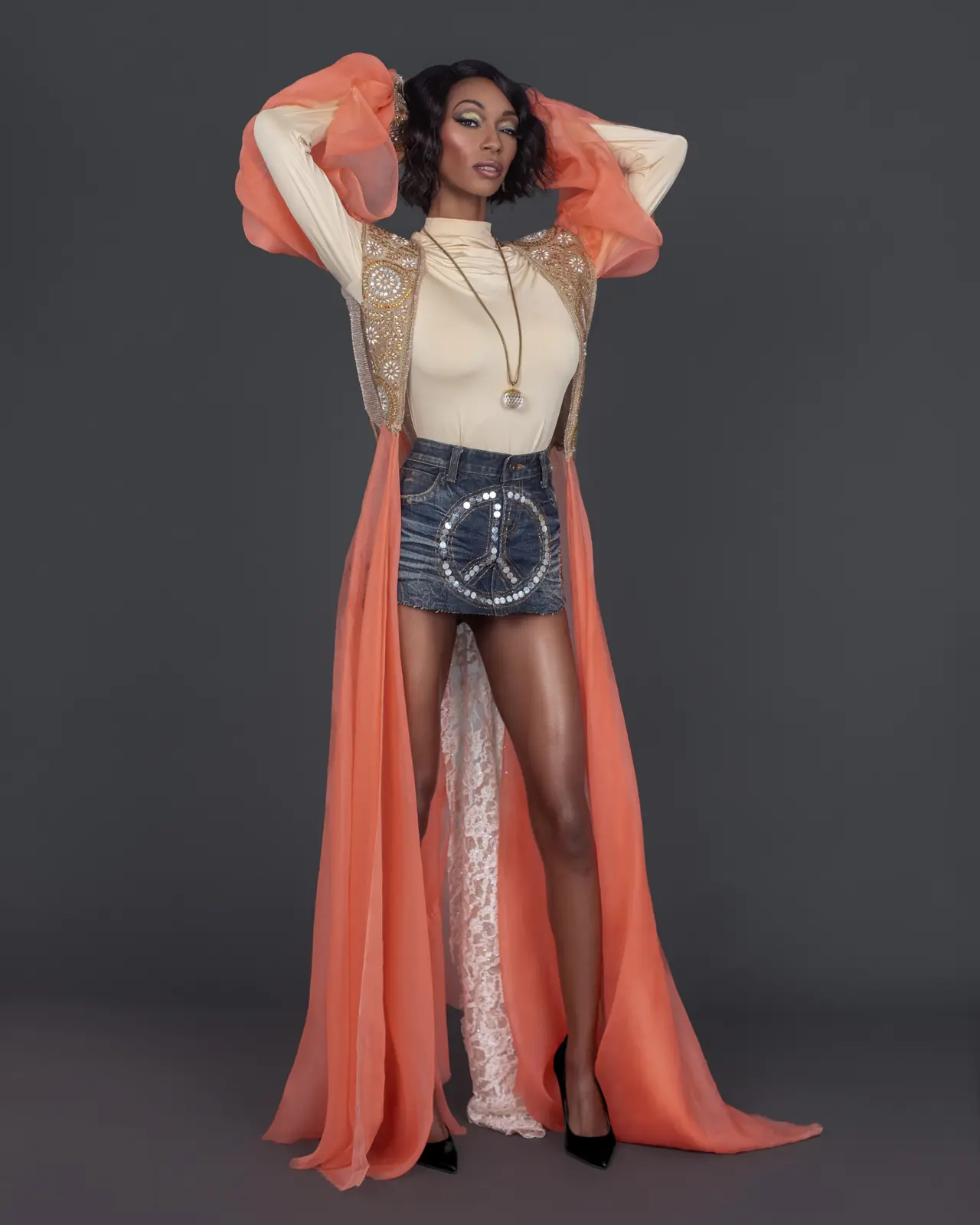
| Full-length fashion | Preserve silhouette, proportion and garment construction | White lace, denim, black eveningwear and coral styling |
| Horizontal assets | Support wide layouts and provide space for copy | Seated denim and coral campaign compositions |
| Paired portraits | Create narrative, scale and visual interaction | White lace and coordinated eveningwear portraits |
| Individual editorials | Give each look a distinct moment within the campaign | Seated and standing fashion portraits |
| Beauty portraits | Extend the story through hair, makeup and expression | Close portraits featuring three distinct hair directions |
| Detail-oriented assets | Highlight embellishment, accessories and material texture | Corset construction, jewelry, branded details and eyewear |
This architecture prevented the campaign from relying on one visual scale. A useful library needs both attention-grabbing images and quieter supporting assets. Otherwise, every placement competes for the same hero frame.
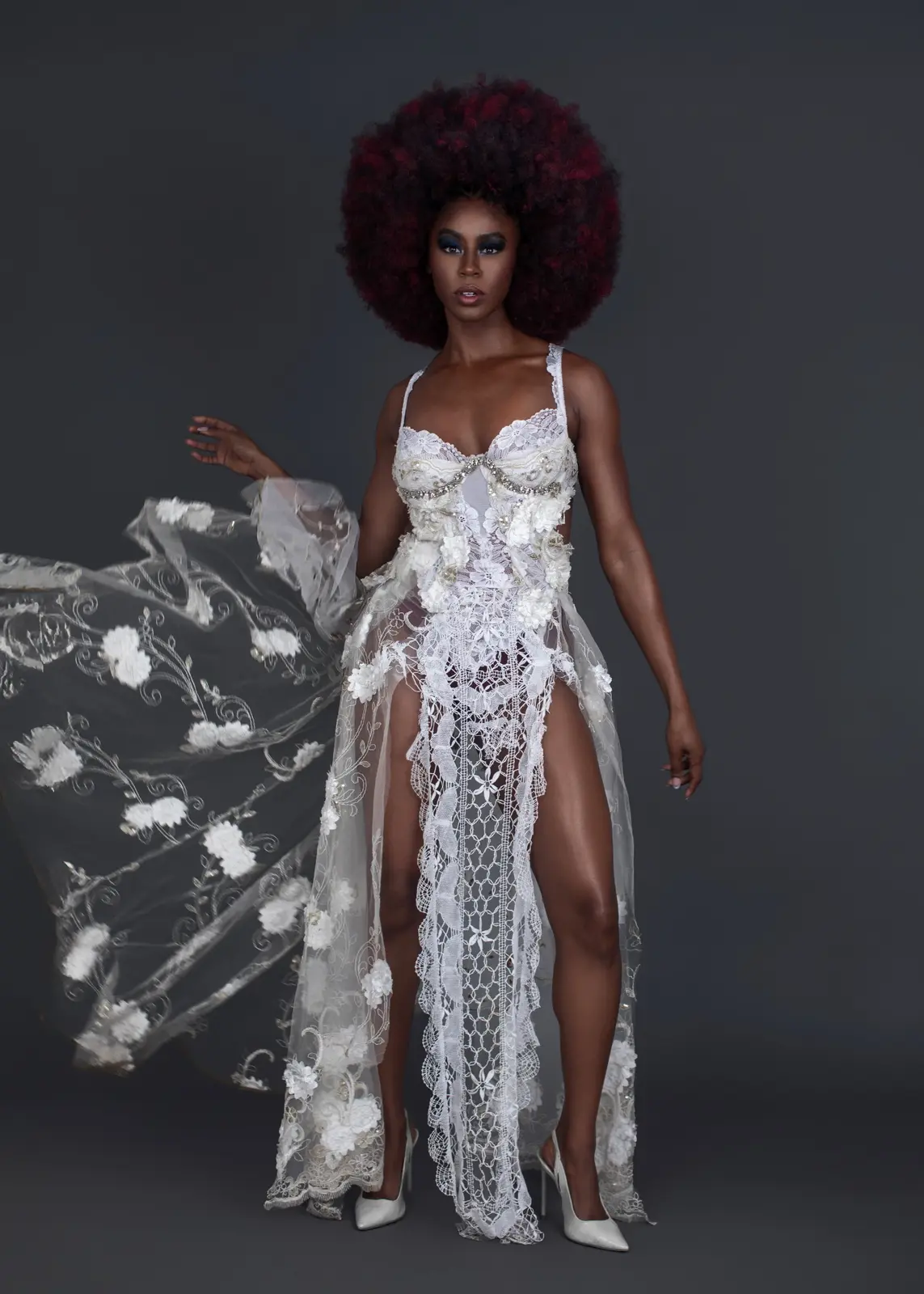
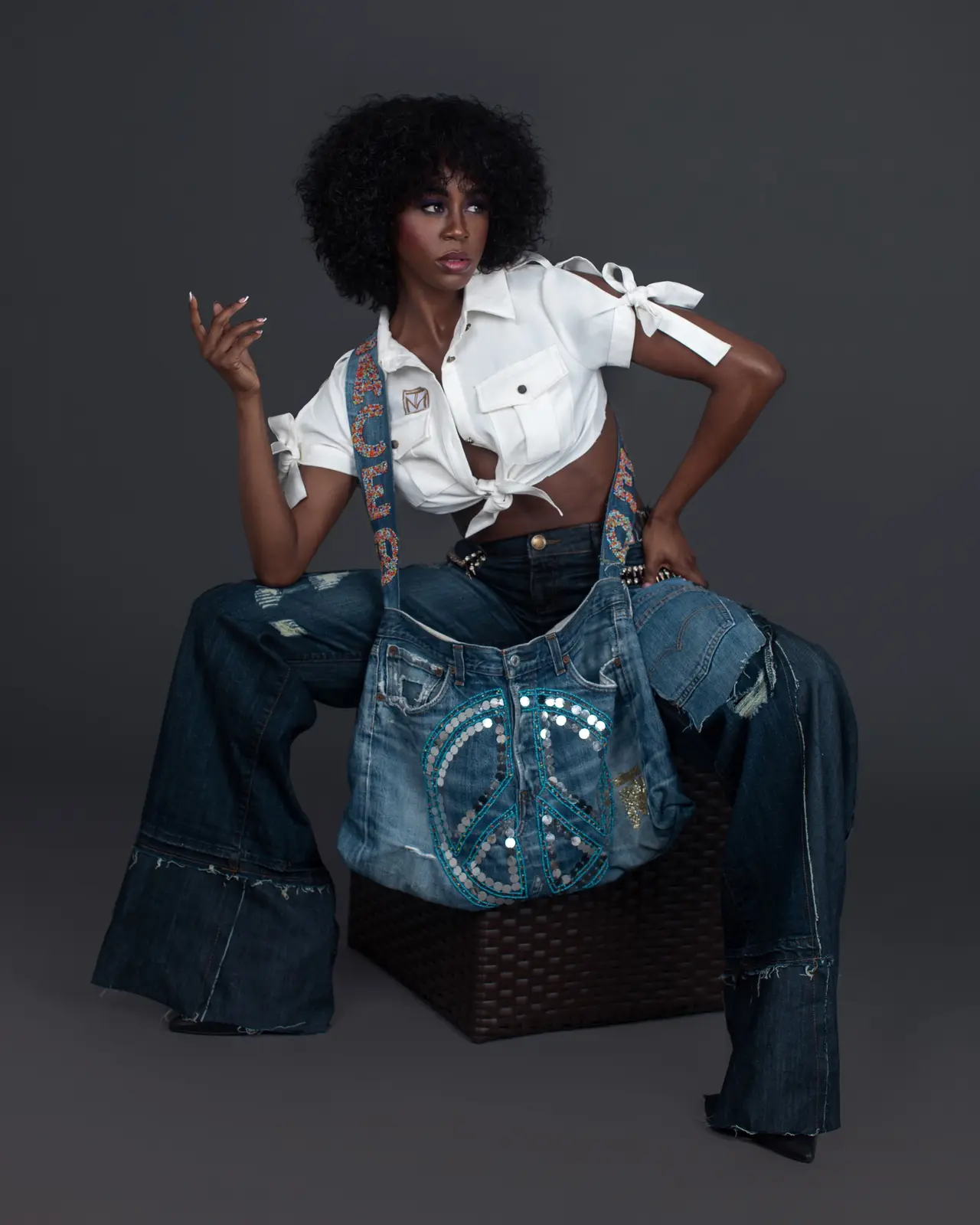
Designing Content Infrastructure for Distribution
The campaign deck identified potential applications across website launches, social campaigns, paid advertising, product launches, lookbooks, editorials and email marketing. These were planned applications rather than reported performance outcomes. That distinction matters: channel readiness can be demonstrated through the structure of the assets, while commercial results require separate deployment data.
For example, the two horizontal photographs provide useful starting points for website banners, editorial headers and layouts requiring copy space. Vertical full-length images suit collection storytelling and mobile-first placements. Paired portraits create campaign-scale impact, while tighter beauty and detail photographs support sequences that need visual variety.
Planning this range before final selection increases the likelihood that the campaign can travel across formats. A strong fashion mood board can align the visual world, but the production still needs an asset map that translates that world into specific compositions. Likewise, a fashion campaign timeline should connect those assets to the dates when marketing teams actually need them.
Verified Production Outcome
The completed production delivered 50 edited photographs across hero, horizontal, full-length, paired, beauty and detail-oriented formats. The outcome was a coherent campaign library with greater visual range than a collection of interchangeable vertical portraits.

The Strategic Value: A Foundation That Could Be Extended
“The Exhibitionist” was developed as the first visual foundation for a potential ongoing creative partnership. Although this case study does not claim the long-term operational results of a completed retainer, it demonstrates what the opening campaign in a broader system should establish.
First, it should define a recognizable visual language. Second, it should create enough asset variety to prevent immediate content gaps. Third, it should reveal which formats, styling directions and visual treatments can be repeated or evolved in future productions.
In that sense, the campaign created a practical starting point for content infrastructure. Future productions could have introduced new collections, environments or seasonal narratives while retaining selected elements of the original system. The value would come from continuity—not from reproducing the same photographs.
This is also why a one-off shoot and a content system should be evaluated differently. A one-off production concludes at delivery. Content infrastructure is designed so that the next campaign can build on decisions that already exist.

What Fashion Brands Can Learn From This Campaign
- Begin with one campaign idea. Asset variety becomes more valuable when every image remains part of the same recognizable world
- Assign images different jobs. Hero, horizontal, full-length, paired, beauty and detail assets should not be treated as duplicates
- Plan format before production ends. A vertical gallery cannot automatically solve a horizontal website or editorial requirement
- Protect product visibility. Editorial direction should elevate the collection rather than hide the garments behind the concept
- Build for continuation. The first campaign should create visual principles that future productions can evolve
The broader lesson is simple: one campaign shoot can create more than a moment. With a defined concept and purposeful asset architecture, it can become the first layer of a reusable brand media system.
Creative Credits
- Designer: Tanya Marie Design
- Photographer: Phil Halfmann
- Creative Director: Sophia Lenore
- Wardrobe Stylist: Sophia Lenore
- Hair Stylist: Simone Hylton
- Makeup Artist: Aida Greenidge-Gopie
- Models: Jovona Logan and Lola Chel
Build Your Next Campaign as Content Infrastructure
If your brand needs more than isolated campaign images, the planning should begin with the complete asset system. That means connecting the creative concept to formats, channels, product priorities and future reuse before production begins.