Understanding licensing explained for brands is no longer optional. Today, brands collaborate across content, products, media, and technology — yet many teams still misunderstand how licensing works. As a result, even well-intentioned marketing campaigns can expose businesses to legal and financial risk.

Therefore, this guide breaks down licensing in clear, practical terms. Whether you are launching a co-branded product, using third-party content, or monetizing your own intellectual property, mastering licensing explained for brands helps you protect value, build trust, and scale safely.


What Will You Learn About Photography Licensing?


What Is Photography Licensing?

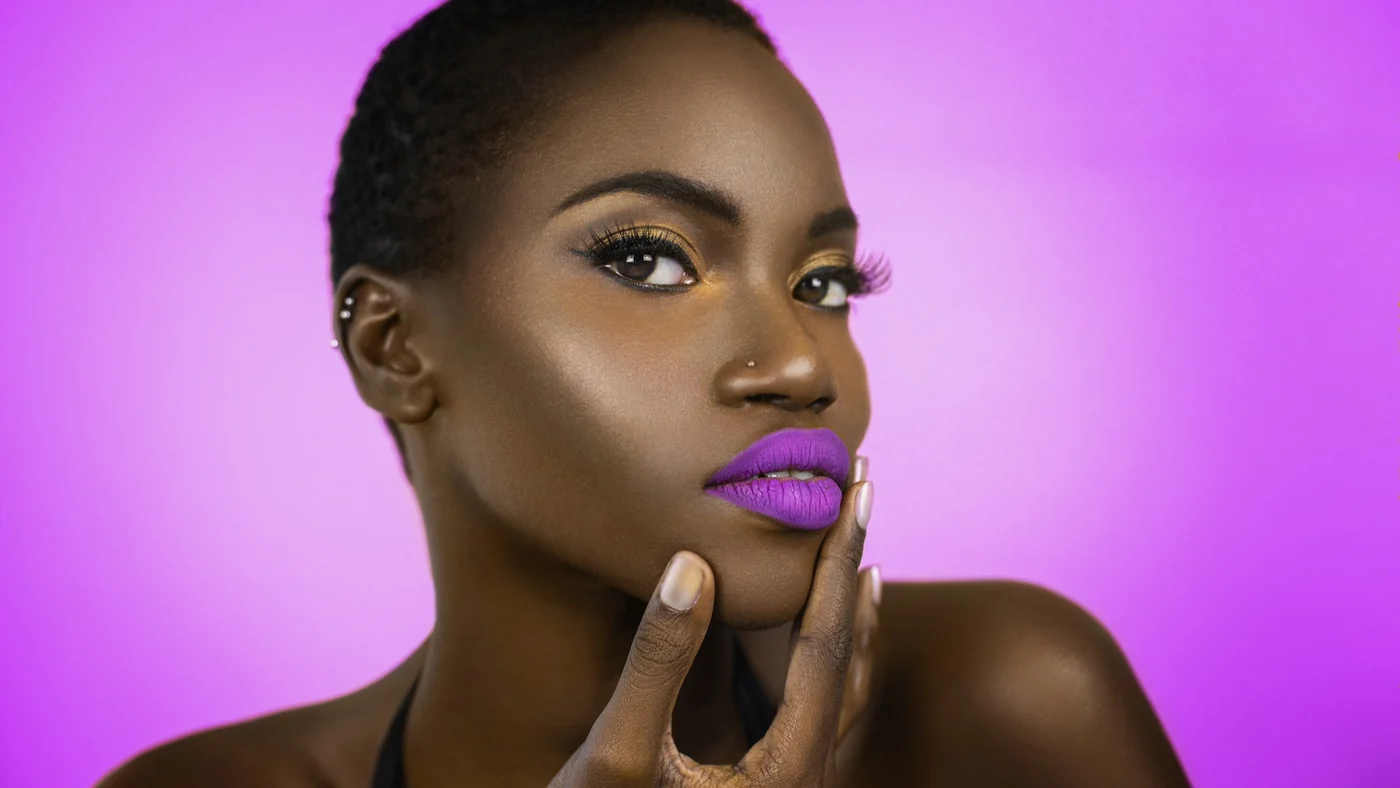
Licensing explained for brands with visual overview of intellectual property and partnerships
Photography licensing is the agreement that defines how a brand can use photographs after they have been created. Many businesses assume that paying for a photoshoot automatically grants unlimited rights to use the images forever.

In commercial photography, that is not typically how licensing works.

Instead, brands are usually granted specific usage rights that outline:

  • where images can be used
  • how images can be used
  • how long images can be used
  • who can use the images

Licensing creates a clear framework that helps brands understand exactly what rights they have while ensuring compensation remains aligned with the commercial value of the content.

Understanding photography licensing is essential for fashion brands, beauty brands, marketing teams, and business owners investing in professional visual content.


Usage Rights

At the core of photography licensing are usage rights. Usage rights define the specific ways a brand may use the content. Examples may include:

  • Website Usage
  • Organic Social Media
  • Email Marketing
  • Paid Advertising
  • Retail Marketing
  • Print Advertising
  • Public Relations

The license establishes the scope of those rights. For example:

A fashion brand may receive permission to use campaign photography for:

  • website content
  • Instagram
  • email marketing

for a defined period. If the brand later wants to use those same images in advertising campaigns, additional usage rights may be required. Usage rights help ensure licensing reflects how the content is actually being used.


Intellectual Property

Photography is considered intellectual property. When a photographer creates an image, that image becomes a protected creative work under copyright law. Like:

  • Music
  • Films
  • Books
  • Graphic Design
  • Software

photography is an intellectual asset that can be licensed for commercial use. Licensing allows brands to access and use that intellectual property without necessarily acquiring full ownership.

This system is common throughout creative industries and provides a structured way to manage commercial usage.


Commercial Usage

Commercial usage refers to any use of photography that supports business objectives. Examples include:

  • Marketing Campaigns
  • Product Launches
  • Advertising
  • E-Commerce
  • Brand Promotion
  • Customer Acquisition
  • Revenue Generation

The greater the commercial impact of the usage, the greater the potential value of the licensing rights. For example:

An image used for:

  • a single social media post

typically creates a different level of commercial value than the same image used in:

  • international advertising campaigns
  • large-scale customer acquisition efforts
  • multi-year marketing initiatives

Commercial usage is one of the primary factors that influences licensing structures.


Licensed Access

A useful way to think about photography licensing is as licensed access. Rather than purchasing the photograph itself, brands are often purchasing permission to use the photograph under specific conditions.

The photographer creates the work. The brand receives access to use the work according to the agreed terms. Examples may define:

  • Duration
  • Territory
  • Marketing Channels
  • Advertising Rights
  • Audience Reach
  • Usage Scope

This approach creates flexibility because brands can license only the rights they actually need rather than paying for unlimited rights they may never use.


Copyright Ownership

One of the most misunderstood aspects of photography licensing is copyright ownership. Many brands assume that paying for a photoshoot automatically transfers ownership of the images. In most commercial photography agreements, this is not the case.

Typically:

The Photographer Retains Copyright Ownership

while

The Brand Receives Usage Rights

The distinction is important. Copyright ownership refers to legal ownership of the intellectual property. Usage rights refer to permission to use the intellectual property.

A brand may have extensive rights to use images for marketing purposes without owning the underlying copyright. Full copyright transfers or buyouts can be negotiated separately but are generally structured differently from standard licensing agreements.


Why Photography Licensing Exists

Photography licensing helps create a fair and flexible system for both brands and creators. It allows brands to:

  • License Based On Actual Usage
  • Scale Rights As Marketing Grows
  • Control Content Investments
  • Access Professional Content More Efficiently

At the same time, licensing ensures that compensation remains aligned with the commercial value generated by the content.


Photography Licensing Is About Usage, Not Ownership

In simple terms, photography licensing is the process of granting permission to use creative content under defined conditions. It establishes:

  • Usage Rights
  • Intellectual Property Protection
  • Commercial Usage Permissions
  • Licensed Access
  • Clear Copyright Ownership

Understanding these concepts helps brands make better decisions when investing in campaign photography, product photography, advertising content, and long-term content production.

Ultimately, photography licensing creates clarity around how content can be used while allowing brands to align their content investments with their marketing objectives and business growth goals.


Why Licensing Exists

Many brands encounter photography licensing during campaign planning, content production, or advertising initiatives. At first, licensing can seem unnecessarily complex. Questions often arise such as:

  • Why isn’t everything included automatically?
  • Why do usage rights matter?
  • Why are advertising rights licensed separately?
  • Why do renewals exist?

The answer is that licensing serves an important business purpose.

Photography licensing creates a framework that protects intellectual property, aligns costs with commercial value, provides flexibility for brands, and ensures creators are compensated fairly for the ongoing use of their work.

Understanding why licensing exists helps brands make more informed decisions when investing in content and marketing assets.

More info: Paid Ads Usage Explained


Intellectual Property Protection

Photography is intellectual property. When a photographer creates an image, that image becomes a protected creative work under copyright law. The same principle applies to:

  • Music
  • Films
  • Graphic Design
  • Software
  • Written Content
  • Advertising Creative

Licensing exists because creative work has value and ownership. Without licensing, there would be little clarity regarding:

  • Who Owns The Content
  • Who Can Use The Content
  • How The Content Can Be Used
  • How Long The Content Can Be Used

Licensing establishes these boundaries and creates legal certainty for both brands and creators. This protection helps support a sustainable creative industry while giving brands confidence that their usage rights are clearly defined.


Commercial Value

One of the most important reasons licensing exists is that content creates commercial value. A photograph is not simply an image. It can become a business asset that contributes to:

  • Revenue Generation
  • Customer Acquisition
  • Brand Awareness
  • Product Launches
  • Advertising Performance
  • Business Growth

The commercial value of an image often depends on how it is used. For example:

An image used on a low-traffic webpage creates different value than the same image used in a national advertising campaign. Licensing allows content value to be aligned with actual business usage.

This creates a more accurate and scalable pricing structure.


Usage-Based Pricing

Licensing enables usage-based pricing. Instead of charging every client the same amount regardless of how content will be used, licensing allows pricing to reflect actual usage. Factors often include:

  • Marketing Channels
  • Advertising Activity
  • Geographic Reach
  • Campaign Duration
  • Audience Size
  • Commercial Exposure

For example: A startup using images for:

  • website content
  • organic social media

typically has different usage requirements than a global brand running international advertising campaigns. Licensing creates flexibility by allowing brands to pay for the rights they actually need rather than paying for every possible future use.


Business Flexibility

Licensing also benefits brands by creating flexibility. Marketing needs evolve over time. Campaigns change. Products are launched and discontinued. Advertising strategies expand. Licensing allows brands to:

  • Start With Limited Usage
  • Expand Rights Later
  • Renew High-Performing Assets
  • Scale Marketing Activities
  • Control Costs More Effectively

Without licensing, brands would often need to purchase unlimited rights upfront. For many businesses, this would increase costs unnecessarily. Licensing allows investments to grow alongside the business.


Fair Compensation

Licensing helps ensure creators are compensated fairly when their work continues generating business value. Without licensing structures, creators would often need to charge significantly higher production fees to account for unlimited future use.

Licensing creates a more balanced approach. It allows compensation to reflect:

  • Commercial Reach
  • Advertising Activity
  • Duration Of Use
  • Audience Exposure
  • Business Impact

This approach benefits both parties. Brands gain access to professional content without purchasing unlimited rights they may never use. Creators receive compensation that aligns with the ongoing commercial value of their work.


Licensing Creates A Better System For Brands And Creators

At its core, licensing exists to create clarity, flexibility, and fairness. It helps protect creative work while allowing brands to access the rights they need to support marketing objectives. Licensing exists because of:

  • Intellectual Property Protection
  • Commercial Value
  • Usage-Based Pricing
  • Business Flexibility
  • Fair Compensation

Together, these principles create a system that aligns content usage with business value.

Rather than treating every image the same, licensing allows rights and costs to reflect how content contributes to marketing performance, customer acquisition, brand growth, and long-term business success.

That is why licensing remains a standard practice throughout commercial photography, advertising, and creative industries worldwide.


Licensing vs Copyright Ownership

One of the most common sources of confusion in commercial photography is the difference between licensing and copyright ownership. Many brands assume that paying for a photoshoot automatically means they own the images.

In most commercial photography projects, that is not the case. Instead, brands typically receive a license that grants specific usage rights while the photographer retains copyright ownership of the work.

Understanding this distinction is important because it affects:

  • how images can be used
  • how long they can be used
  • whether advertising is permitted
  • whether renewals apply
  • whether ownership can be transferred

For fashion brands, beauty brands, agencies, and marketing teams, understanding the difference between licensing and ownership helps prevent misunderstandings and ensures content investments align with business objectives.


Licensing Rights

Licensing rights are permissions granted by the copyright owner. A license allows a brand to use images under specific conditions without owning the intellectual property itself. Licensing agreements commonly define:

  • Usage Type
  • Duration
  • Territory
  • Advertising Rights
  • Marketing Channels

For example: A fashion brand may receive rights to use campaign photography for:

  • website content
  • organic social media
  • email marketing

for 12 months within Europe.

The brand can legally use the content according to those terms. However, the brand does not own the copyright. The photographer still owns the underlying intellectual property. Licensing rights provide access to the content without requiring a transfer of ownership.


Copyright Ownership

Copyright ownership refers to legal ownership of the creative work. In most commercial photography projects:

The Photographer Owns The Copyright

The copyright owner controls:

  • Reproduction Rights
  • Distribution Rights
  • Licensing Rights
  • Commercial Usage Permissions
  • Intellectual Property Ownership

Copyright ownership exists automatically when an original photograph is created. Unless ownership is formally transferred through a separate agreement, the photographer generally remains the copyright holder.

This is the standard approach throughout most creative industries. The same principle applies to:

  • Music
  • Film
  • Graphic Design
  • Written Content
  • Software

Ownership and usage are not the same thing. A brand can have extensive rights to use content without owning the copyright itself.


Buyouts

A buyout is different from standard licensing. In a buyout arrangement, a brand may acquire broader rights than those typically granted under a standard license. Depending on the agreement, a buyout may involve:

  • Perpetual Usage Rights
  • Unlimited Marketing Usage
  • Global Usage Rights
  • Exclusive Usage Rights

In some cases, a buyout may also involve transferring copyright ownership. However, these are separate concepts. A brand can receive:

Unlimited Usage Rights

without

Owning Copyright

Likewise, a copyright transfer can be negotiated separately. Because buyouts often eliminate future licensing opportunities, they generally require substantially higher fees than standard licensing agreements.


Usage Permissions

Usage permissions define what a brand is actually allowed to do with the content. These permissions may include:

  • Website Usage
  • Organic Social Media
  • Email Marketing
  • Paid Advertising
  • Print Advertising
  • Retail Marketing
  • Public Relations

Usage permissions can also define:

  • Duration
  • Territory
  • Audience Reach
  • Advertising Activity
  • Distribution Channels

For example:

A brand may have permission to use images on its website but not in paid advertising. The images can be used. The usage simply has limits. Licensing exists to define these permissions clearly and avoid misunderstandings.

Here is more info on Licensing & Usage.


Intellectual Property

Photography is intellectual property. Just like a company may license software without owning the software itself, brands often license photography without owning the photographs.

The intellectual property remains with the creator while specific usage rights are granted to the client. This structure creates flexibility because brands can:

  • License Only What They Need
  • Scale Usage Over Time
  • Renew Successful Assets
  • Control Marketing Costs

Meanwhile, creators can continue managing and licensing their intellectual property in ways that reflect its commercial value. This system forms the foundation of modern commercial photography licensing.


Why The Difference Matters

Many licensing misunderstandings occur because brands confuse ownership with usage rights. A useful way to think about it is:

Copyright Ownership

Determines who owns the intellectual property.

Licensing Rights

Determine how the intellectual property can be used.

Usage Permissions

Define the specific conditions of that use.

Buyouts

Provide broader rights and sometimes ownership transfers depending on the agreement. Each serves a different purpose.


Most Commercial Photography Is Licensed, Not Sold

For most fashion, beauty, and commercial photography projects:

  • Brands Receive Licensing Rights
  • Photographers Retain Copyright Ownership
  • Usage Permissions Define How Content Can Be Used
  • Intellectual Property Remains Protected
  • Buyouts Are Negotiated Separately

Understanding this distinction helps brands evaluate licensing agreements more effectively, budget more accurately, and make informed decisions about content usage, advertising, renewals, and long-term marketing investments.

Ultimately, licensing is about access. Copyright ownership is about control. Knowing the difference is one of the most important steps toward understanding commercial photography licensing.

Why A brand Licensing Strategy Is A Real Growth Lever

A thoughtful brand licensing strategy can expand your brand into new channels, regions, or product categories without building everything from scratch. Moreover, licensing allows you to monetize your brand’s equity — while still maintaining clear quality standards. However, growth only works when the agreement is structured and measurable.

For example, a brand licensing strategy can support:

  • Co-branded product lines
  • Retail collaborations and limited drops
  • Media, entertainment, and influencer partnerships
  • Software integrations and template marketplaces

Additionally, licensing prevents misunderstandings by documenting exactly how your IP can be used. Therefore, marketing, legal, and product teams can align early — rather than firefighting later. This is a key reason licensing explained for brands should be part of onboarding and campaign planning.


What Determines Licensing Costs?

One of the most common questions brands ask when investing in commercial photography is: “How is licensing priced?”

Unlike production costs, which are tied to creating the content, licensing costs are tied to how the content will be used. The same image can have very different licensing values depending on:

  • where it is used
  • how long it is used
  • how many people see it
  • how much business value it creates

This is why licensing is often based on usage rather than image count alone. Understanding the factors that influence licensing costs helps brands budget more effectively and make informed decisions about content investments.


Usage Type

One of the biggest factors affecting licensing costs is usage type. Different forms of usage create different levels of commercial value. Examples include:

  • Website Usage
  • Organic Social Media
  • Email Marketing
  • Public Relations
  • Retail Marketing
  • Paid Advertising
  • Print Advertising
  • Outdoor Advertising

For example:

An image used on a company’s website typically creates a different level of exposure and business impact than the same image used in a nationwide advertising campaign.

Because each usage type contributes differently to business objectives, licensing costs often vary accordingly. The broader and more commercially impactful the usage, the greater the value of the licensing rights.


Advertising Usage

Advertising usage is one of the most significant factors influencing licensing costs. It actively promotes products and services to new audiences and often supports:

  • Customer Acquisition
  • Revenue Growth
  • Product Launches
  • Brand Awareness
  • Market Expansion

Examples include:

  • Meta Ads
  • Instagram Ads
  • Facebook Ads
  • TikTok Ads
  • Google Display Campaigns
  • YouTube Advertising

Because advertising increases exposure and commercial opportunity, advertising rights are often licensed separately from website or organic social media usage.

The more a creative asset contributes to customer acquisition and revenue generation, the greater its commercial value may become.


Territory

Territory refers to where the content will be used geographically. Licensing agreements often define whether usage is limited to:

  • Local Markets
  • Regional Markets
  • National Markets
  • European Markets
  • Global Markets

An image used only within one city creates a different level of commercial opportunity than the same image used across multiple countries. Larger territories often increase:

  • Audience Reach
  • Brand Visibility
  • Revenue Potential
  • Market Exposure

As geographic reach expands, licensing costs often increase to reflect the larger commercial opportunity created by the content.


Duration

Duration refers to how long the content will be used. Examples may include:

  • 3 Months
  • 6 Months
  • 12 Months
  • 24 Months
  • Multi-Year Usage

The longer a brand uses content, the more value it may extract from that asset. Longer durations often allow content to contribute to:

  • Advertising Performance
  • Brand Recognition
  • Customer Acquisition
  • Revenue Generation
  • Long-Term Marketing Efforts

Because content remains commercially active for a longer period, duration is commonly considered when determining licensing costs.


Audience Reach

Audience reach refers to how many people may be exposed to the content. Reach can vary significantly depending on:

  • Marketing Channels
  • Advertising Spend
  • Distribution Strategy
  • Media Platforms
  • Campaign Objectives

For example:

A campaign targeting a niche audience of 10,000 people creates different exposure than a campaign targeting several million consumers.

As audience size increases, so does the potential business impact of the content. Greater reach often contributes to greater licensing value.


Commercial Value

Ultimately, licensing costs are influenced by commercial value. Commercial value refers to the role content plays in supporting business objectives. Examples include:

  • Revenue Generation
  • Customer Acquisition
  • Product Sales
  • Brand Awareness
  • Market Growth
  • Advertising Performance

Two identical images can have very different values depending on how they contribute to business success.

For example:

An image used for a single organic social media post may generate limited commercial value. The same image used in a large-scale international advertising campaign may support substantial revenue growth.

The content itself has not changed. The commercial value has. Licensing structures are designed to reflect that difference.


Licensing Is About Usage, Not Image Count

One of the biggest misconceptions about licensing is that costs should be based solely on the number of images delivered. In reality, licensing is usually determined by how content is used rather than how many files are created.

Licensing costs are often influenced by:

  • Usage Type
  • Advertising Usage
  • Territory
  • Duration
  • Audience Reach
  • Commercial Value

Together, these factors help create a licensing framework that aligns costs with the real-world business impact of the content.

Ultimately, licensing is not about charging for photographs twice. It is about ensuring that content investments reflect the value those assets generate through marketing, advertising, customer acquisition, and long-term business growth.


Common Types Of Photography Licensing

Not all photography usage is the same. An image used on a website creates a different level of commercial value than the same image used in a paid advertising campaign or a nationwide billboard campaign.

Because different marketing activities generate different levels of exposure and business impact, commercial photography licensing is often structured around specific usage types.

Understanding the most common types of photography licensing helps brands plan content investments, budget accurately, and ensure they have the appropriate rights for their marketing activities.

Here are the most common licensing categories used in commercial photography.


Website Usage

Website usage is one of the most common forms of photography licensing. This type of license allows brands to use images on digital properties they own and control. Examples include:

  • Homepage Banners
  • Product Pages
  • Collection Pages
  • Landing Pages
  • About Pages
  • Blog Content

Website photography often plays an important role in:

  • Brand Presentation
  • Product Education
  • Customer Confidence
  • Conversion Optimization

Because website content is generally viewed by people already interacting with the brand, website usage is often treated differently from paid advertising.


Organic Social Media

Organic social media licensing allows brands to publish content through unpaid social media channels. Examples include:

  • Instagram Posts
  • Instagram Stories
  • Facebook Posts
  • TikTok Content
  • Pinterest Content
  • LinkedIn Posts
  • X Posts

Organic social media focuses on engaging existing audiences and growing visibility through unpaid distribution.

While social media can create significant value, organic posting is generally considered separate from paid advertising because media spend is not being used to increase reach.


Paid Advertising

Paid advertising licensing grants permission to use content within advertising campaigns. Examples include:

  • Meta Ads
  • Instagram Ads
  • Facebook Ads
  • TikTok Ads
  • Pinterest Ads
  • LinkedIn Ads
  • Google Display Ads
  • YouTube Advertising

Paid advertising is often licensed separately because it actively supports:

  • Customer Acquisition
  • Revenue Generation
  • Product Sales
  • Market Expansion
  • Brand Growth

Advertising significantly increases exposure and commercial opportunity, which is why advertising rights frequently carry different licensing considerations.


Email Marketing

Email marketing licensing allows brands to use content within email communications. Examples include:

  • Product Launch Emails
  • Promotional Campaigns
  • Newsletters
  • Customer Retention Campaigns
  • Abandoned Cart Emails
  • Seasonal Marketing Emails

Email marketing content often supports:

  • Customer Engagement
  • Sales Generation
  • Brand Awareness
  • Relationship Building

Because email campaigns operate through owned channels, they are typically licensed separately from advertising activities.


Retail Marketing

Retail marketing licensing covers content used to support in-store and point-of-sale activities. Examples include:

  • Store Displays
  • Retail Signage
  • Product Displays
  • In-Store Marketing Materials
  • Window Graphics
  • Retail Partner Promotions
  • Showroom Assets

Retail marketing often helps brands strengthen customer experiences within physical environments. Because these assets contribute directly to product promotion and purchasing decisions, retail usage may require specific licensing rights.


Print Advertising

Print advertising licensing covers content used in printed promotional materials. Examples include:

  • Magazine Advertisements
  • Newspaper Advertising
  • Catalogs
  • Brochures
  • Direct Mail Campaigns
  • Marketing Inserts
  • Promotional Publications

Although digital advertising receives much attention today, print advertising remains important for many fashion and beauty brands.

Print campaigns often involve large audience exposure and commercial promotion, making print usage an important licensing category.


Public Relations

Public relations licensing allows content to be used for publicity and media outreach purposes. Examples include:

  • Press Releases
  • Media Kits
  • Editorial Submissions
  • Brand Announcements
  • Product Launch Communications
  • Industry Publications
  • Publicity Campaigns

PR usage helps brands generate earned media coverage and increase brand visibility through third-party publications and media outlets. Because PR distribution differs from advertising, it is often addressed separately within licensing agreements.


Outdoor Advertising

Outdoor advertising licensing covers content displayed in public environments. Examples include:

  • Billboards
  • Transit Advertising
  • Bus Shelters
  • Building Wraps
  • Digital Outdoor Displays
  • Airport Advertising
  • Street-Level Campaigns

Outdoor advertising often creates significant exposure because large audiences may encounter the content repeatedly. For this reason, outdoor advertising frequently represents one of the highest-value forms of commercial usage.


Why Different Licensing Types Exist

Each usage type creates a different level of:

  • Exposure
  • Audience Reach
  • Commercial Impact
  • Revenue Opportunity
  • Brand Visibility

The same image can have very different business value depending on where and how it is used. Licensing categories help ensure usage rights align with actual marketing activities and commercial objectives.


Licensing Should Match Marketing Strategy

Before commissioning photography, brands should consider how content will be used across their marketing ecosystem. Common licensing categories include:

  • Website Usage
  • Organic Social Media
  • Paid Advertising
  • Email Marketing
  • Retail Marketing
  • Print Advertising
  • Public Relations
  • Outdoor Advertising

Understanding these usage types helps brands secure the appropriate rights, avoid future licensing issues, and maximize the value of their content investments.

Ultimately, effective licensing is not about restricting usage. It is about creating clarity around how content supports marketing, advertising, customer acquisition, and business growth.


What Is Paid Ads Usage?

Paid ads usage refers to the right to use photographs, videos, or other creative assets in paid advertising campaigns. Many brands assume that if they have permission to use content on their website or social media, they automatically have the right to use the same content in advertising.

In commercial photography licensing, that is not always the case. Paid advertising often requires separate usage rights because advertising significantly expands the reach, visibility, and commercial value of the content.

When content is used to actively promote products, acquire customers, and generate revenue, it becomes part of a paid media strategy rather than standard marketing usage.

Understanding paid ads usage is essential for brands planning customer acquisition campaigns, product launches, and long-term growth initiatives.


Meta Ads

Meta Ads are among the most common forms of paid advertising. They include campaigns run through Meta’s advertising ecosystem, such as:

  • Facebook Advertising
  • Instagram Advertising
  • Audience Network Campaigns
  • Retargeting Campaigns
  • Lead Generation Campaigns
  • Conversion Campaigns

When campaign photography is used within Meta Ads, the content is being distributed to audiences beyond the brand’s existing followers. The goal is often to:

  • Acquire Customers
  • Increase Sales
  • Drive Traffic
  • Generate Leads

Because these campaigns create additional commercial value, paid ads usage rights are commonly required.


Instagram Ads

Many brands mistakenly assume Instagram Ads fall under standard social media usage. However, there is a significant difference between:

Organic Instagram Content

and

Instagram Advertising

Examples of Instagram Ads include:

  • Feed Ads
  • Story Ads
  • Reels Ads
  • Explore Ads
  • Shopping Ads

Once advertising spend is used to increase visibility, the content becomes part of a paid advertising campaign rather than an organic social media strategy.

This distinction is one of the primary reasons advertising rights are often licensed separately.


TikTok Ads

TikTok has become one of the most important customer acquisition platforms for fashion and beauty brands. Advertising formats include:

  • In-Feed Ads
  • Spark Ads
  • Video Shopping Ads
  • Collection Ads
  • Retargeting Campaigns
  • Product Promotion Campaigns

Although TikTok advertisements often resemble organic content, they are still paid media campaigns when advertising spend is involved.

These campaigns are designed to reach new audiences, increase product visibility, and generate sales. As a result, TikTok advertising typically falls within paid ads usage.


Google Ads

Google Ads encompass a broad range of advertising formats designed to increase visibility across Google’s advertising network. Examples include:

  • Google Display Ads
  • Google Shopping Campaigns
  • Remarketing Campaigns
  • Responsive Display Ads
  • YouTube Advertising
  • Discovery Campaigns

Creative assets used within these campaigns often support:

  • Product Sales
  • Website Traffic
  • Customer Acquisition
  • Revenue Growth

Because Google Ads actively promote products and services through paid media distribution, advertising rights are generally required when licensed content is used within these campaigns.


Sponsored Content

Sponsored content is another common form of paid advertising. Many brands overlook sponsored content because it often looks similar to organic social media content. Examples include:

  • Boosted Instagram Posts
  • Boosted Facebook Posts
  • Sponsored Social Media Campaigns
  • Paid Influencer Promotions
  • Whitelisted Influencer Ads
  • Paid Partnership Campaigns

The key distinction is simple: If money is being spent to increase the reach of the content, the content is functioning as advertising.

Even if a post originally appeared organically, promoting it through paid distribution generally qualifies as paid advertising usage.


Why Paid Ads Usage Matters

Paid advertising allows brands to expand beyond their existing audience and reach new customers. It supports:

  • Customer Acquisition
  • Revenue Generation
  • Product Launches
  • Brand Awareness
  • Business Growth

Because advertising creates greater commercial opportunity than many forms of standard marketing usage, advertising rights are often licensed separately. This helps ensure licensing aligns with the actual business value generated by the content.


Paid Ads Usage Is About Commercial Promotion

A useful way to think about paid ads usage is to ask: “Are we paying to increase the reach of this content?”

If the answer is yes, the content is likely being used for advertising. Common examples include:

  • Meta Ads
  • Instagram Ads
  • TikTok Ads
  • Google Ads
  • Sponsored Content

Each of these channels uses paid media to expand visibility, acquire customers, and support business growth. That increased commercial value is why paid ads usage is an important consideration in commercial photography licensing.

For a deeper explanation of how advertising rights work, how they affect licensing costs, and why they are often licensed separately, see Paid Ads Usage Explained.

Intellectual Property Licensing: What Brands Must Protect

Intellectual property licensing protects what makes your brand recognizable and valuable. Yet many marketing teams focus on speed and distribution while overlooking ownership and permitted use. As a result, brands sometimes pay twice: first for the asset, and then again for the rights they assumed were included.

To clarify, intellectual property licensing can cover:

  • Trademarks (names, slogans, brand identifiers)
  • Copyrighted materials (photos, videos, copy, illustrations)
  • Designs and patents (product features and unique functional elements)
  • Trade dress (distinct packaging or visual identity in certain contexts)

Therefore, the safest approach is to document what you own, what you license from others, and what you license to partners. When you manage IP proactively, licensing explained for brands becomes a trust signal: partners know you’re organized, consistent, and serious about protecting brand value.


What Is A Licensing Renewal?

A licensing renewal is an agreement that extends the right to continue using licensed content after the original licensing period has ended. In commercial photography, licensing agreements typically define:

  • how content can be used
  • where content can be used
  • how long content can be used

When the original licensing term expires, brands may choose to stop using the content or renew the license to continue benefiting from the assets.

Licensing renewals are common throughout photography, advertising, and creative industries because they provide flexibility while aligning licensing costs with the ongoing commercial value of the content.

Understanding how renewals work helps brands make informed decisions about content investments, campaign planning, and long-term marketing strategies.


License Extensions

At its core, a licensing renewal is a license extension. The original content remains the same. No new photographs are created. Instead, the agreement extends the period during which the brand can continue using the existing assets.

Examples of extensions may include:

  • Additional 6 Months
  • Additional 12 Months
  • Additional 24 Months
  • Multi-Year Extensions

In some cases, a renewal may also include expanded usage rights, such as:

  • Paid Advertising
  • Additional Marketing Channels
  • Expanded Territories
  • International Usage

The purpose of the renewal is to extend access to content that continues creating value for the business.


Continued Usage

Many marketing assets continue performing well long after a campaign launches. Examples include:

  • Homepage Photography
  • Product Page Images
  • Brand Storytelling Content
  • Advertising Creatives
  • Collection Launch Assets
  • Email Marketing Content

If these assets continue contributing to:

  • Customer Engagement
  • Brand Recognition
  • Conversions
  • Revenue Generation

the brand may wish to continue using them. A licensing renewal provides the legal right to maintain that continued usage. Rather than replacing effective content prematurely, brands can extend the life of assets that are already producing results.


Expired Licenses

Every licensing agreement includes a defined usage period. When that period ends, the license expires. At that point, brands generally have two options:

Renew The License

or

Remove The Content

Depending on the agreement, expiration may affect:

  • Website Usage
  • Advertising Campaigns
  • Social Media Usage
  • Retail Marketing
  • Print Advertising
  • Public Relations Materials

If the content is no longer needed, allowing the license to expire may be the most practical choice. If the content continues generating value, renewal often becomes a strategic business decision.


Ongoing Commercial Value

The primary reason renewals exist is ongoing commercial value. Some content continues contributing to business growth long after its original licensing period. Examples include:

  • High-Converting Product Photography
  • Best-Performing Advertisements
  • Evergreen Website Assets
  • Long-Term Brand Campaigns
  • Customer Acquisition Creatives

As long as these assets continue supporting:

  • Sales
  • Traffic
  • Customer Acquisition
  • Brand Awareness
  • Marketing Performance

they continue creating commercial value. Renewals allow licensing to remain aligned with that ongoing value rather than assuming every asset has the same lifespan. This creates a more flexible and scalable licensing framework.


Why Brands Choose Licensing Renewals

Many brands choose renewals because they allow them to:

  • Extend Asset Lifespan
  • Preserve Marketing Momentum
  • Continue Using Proven Content
  • Avoid Unnecessary Reshoots
  • Improve Content ROI

Rather than replacing successful assets simply because a licensing period has ended, brands can continue leveraging content that already performs effectively.


Renewals Support Long-Term Content Value

A licensing renewal is not a second payment for creating the content. The content already exists. Instead, it is an agreement that allows brands to continue using content that still provides business value.

Licensing renewals typically involve:

  • License Extensions
  • Continued Usage
  • Expired Licenses
  • Ongoing Commercial Value

Together, these factors create a flexible licensing system that allows brands to scale usage based on performance rather than paying for unlimited rights upfront.

Ultimately, licensing renewals help brands maximize the value of successful content while ensuring usage rights remain aligned with the commercial benefit those assets continue to generate.

For a deeper look at why renewals exist and how they work in commercial photography, see Why Renewals Exist.


Licensing Risks For Brands And How To Avoid Them

The biggest licensing risks for brands rarely come from malicious intent. Instead, they usually come from assumptions — especially when assets move quickly between agencies, creators, and internal teams. Consequently, brands should treat licensing as an operational system, not a one-time approval.

Common licensing risks for brands include:

  • Using assets beyond the agreed duration or territory
  • Assuming “purchase” includes usage rights (it often doesn’t)
  • Missing renewal deadlines and continuing distribution
  • Repurposing licensed assets for new channels without permission
  • Inconsistent partner compliance with brand standards

Therefore, reduce risk by establishing clear ownership records, documenting every license, and mapping terms to your marketing calendar. When done well, your brand licensing strategy supports speed and compliance — so campaigns launch on time and stay protected.


What Happens When A License Expires?

Every photography licensing agreement includes a defined usage period. This may be:

  • 6 months
  • 12 months
  • 24 months
  • another agreed duration

When that licensing period ends, the license expires. At that point, the brand’s right to use the content under the original agreement typically ends as well.

Many brands assume content can continue being used indefinitely after a project is completed. However, licensing agreements generally establish clear usage timelines that determine how long content can remain active across various marketing channels.

Understanding what happens when a license expires helps brands avoid compliance issues, plan content investments more effectively, and make informed decisions about renewals.


Website Usage

Website content is often one of the most valuable assets affected by license expiration. Examples include:

  • Homepage Banners
  • Product Pages
  • Collection Pages
  • Landing Pages
  • Brand Storytelling Content
  • About Page Photography

If the license expires and no renewal is secured, the brand may no longer have permission to continue displaying those assets on its website.

This is particularly important for content that supports:

  • Customer Trust
  • Product Education
  • Conversion Rates
  • Brand Positioning

Before removing high-performing website assets, brands should evaluate whether renewing the license may be more beneficial than replacing the content.

In many cases, renewing successful website content is more efficient than producing entirely new assets.


Advertising Usage

Advertising usage is often the most critical area impacted by license expiration. Examples include:

  • Meta Ads
  • Instagram Ads
  • Facebook Ads
  • TikTok Ads
  • Google Display Campaigns
  • YouTube Advertising
  • Sponsored Content

Once advertising rights expire, brands generally cannot continue using the content in active paid campaigns unless the license is renewed or extended. This is especially important because advertising assets often contribute directly to:

  • Customer Acquisition
  • Revenue Generation
  • Product Sales
  • Business Growth

If a creative asset is still performing well, renewing the license may allow the campaign to continue generating results without interruption.


Social Media Usage

Social media usage may also be affected when a license expires. Examples include:

  • Instagram Content
  • Facebook Content
  • TikTok Posts
  • Pinterest Content
  • LinkedIn Content
  • X Posts

The specific impact depends on the terms of the original agreement. Some licenses may allow previously published content to remain visible while restricting future use.

Others may require content removal after expiration. Because licensing terms vary, brands should always review their agreement before assuming social media content can remain active indefinitely.

If the content continues supporting marketing objectives, renewal is often the simplest solution.


Print Usage

Print materials frequently have their own licensing considerations. Examples include:

  • Magazine Advertisements
  • Catalogs
  • Brochures
  • Direct Mail Campaigns
  • Retail Marketing Materials
  • Trade Show Assets
  • Promotional Publications

Once a print license expires, brands generally cannot create new print materials using the content without renewed rights.

While previously distributed materials may already be in circulation, future print runs and new marketing collateral often require active licensing rights.

For brands with ongoing print marketing initiatives, reviewing licenses before expiration is especially important.


Renew Or Remove Assets

When a license expires, brands typically face a simple decision:

Option 1: Renew The License

Renewal often makes sense when content continues supporting:

  • Advertising Campaigns
  • Product Pages
  • Website Performance
  • Brand Awareness
  • Customer Acquisition
  • Revenue Generation

Extending usage rights allows brands to continue leveraging content that already performs well.


Option 2: Remove The Assets

Removing content may be appropriate when:

  • Campaigns Have Ended
  • Products Are Discontinued
  • Marketing Strategies Have Changed
  • Content No Longer Performs
  • New Creative Is Planned

In these situations, allowing the license to expire may be the most practical choice.


Expiration Creates A Strategic Decision Point

A license expiration should not be viewed as a problem. Instead, it creates an opportunity to evaluate the ongoing value of the content. Brands should ask:

  • Is The Content Still Performing?
  • Is It Supporting Revenue Growth?
  • Is It Still Central To Marketing Activities?
  • Would Replacing It Improve Results?
  • Would Renewal Be More Cost-Effective?

The answers help determine whether renewal is the right business decision.


Successful Brands Review Content Before Licenses Expire

The strongest brands do not wait until a license has already expired. Instead, they review content performance in advance and decide which assets deserve continued investment. When a license expires, brands should evaluate usage across:

  • Website Usage
  • Advertising Usage
  • Social Media Usage
  • Print Usage

At that point, the decision becomes straightforward:

Renew The License

or

Remove The Assets

Ultimately, licensing expiration is designed to ensure that content usage remains aligned with the value the assets continue to create.

If content still drives traffic, engagement, conversions, and revenue, renewal may be one of the most efficient marketing investments a brand can make.


Common Licensing Mistakes Brands Make

Photography licensing is designed to create clarity around how content can be used. However, many brands encounter licensing issues not because they intentionally ignore licensing agreements, but because they misunderstand how licensing works.

These misunderstandings can lead to:

  • unexpected costs
  • campaign delays
  • licensing disputes
  • missed marketing opportunities

The good news is that most licensing mistakes are entirely preventable.

By understanding the most common pitfalls, brands can make better decisions when planning content production, advertising campaigns, and long-term marketing strategies.


Assuming Ownership

Perhaps the most common licensing mistake is assuming that paying for a photoshoot automatically means owning the images. In most commercial photography projects:

The Brand Receives Usage Rights

while

The Photographer Retains Copyright Ownership

Many brands mistakenly believe that once an invoice is paid, the images can be used in any way, on any platform, forever. However, licensing agreements typically define:

  • Usage Types
  • Duration
  • Territory
  • Advertising Rights
  • Distribution Channels

Confusing usage rights with ownership can create licensing issues later when marketing activities expand. Understanding the difference between licensing and copyright ownership is one of the most important steps brands can take.


Ignoring Advertising Usage

Another common mistake is overlooking advertising plans during production. A brand may initially license content for:

  • Website Usage
  • Organic Social Media

Only to later decide to run:

  • Meta Ads
  • TikTok Ads
  • Google Ads
  • Sponsored Campaigns

At that point, additional advertising rights may be required. Because advertising significantly increases commercial exposure and business value, it is often licensed separately.

Brands that discuss advertising goals before production can often avoid future licensing complications and build content that better supports customer acquisition efforts.

Find out Why Do I Need Usage Rights? The Expensive Mistake Brands Discover After the Shoot


Not Planning Future Usage

Many brands focus only on their immediate marketing needs. While understandable, this short-term mindset can create challenges later. For example:

A startup fashion brand may initially plan to use content for:

  • website content
  • Instagram posts

Six months later, the same brand may decide to:

  • Launch Paid Advertising
  • Enter New Markets
  • Expand Distribution
  • Increase Marketing Spend

If future growth is not considered during licensing discussions, additional negotiations may become necessary later. Brands should think beyond their current campaign and consider how content may support future business objectives.


Forgetting Renewals

Licensing agreements often include a defined usage period. However, many brands lose track of expiration dates. As a result, content may continue being used after the license has expired.

This can affect:

  • Website Content
  • Product Pages
  • Advertising Campaigns
  • Social Media Assets
  • Print Marketing Materials

The strongest brands maintain systems for tracking licensing terms and renewal dates. Reviewing licenses before expiration helps marketing teams make proactive decisions about:

  • Renewing High-Performing Assets
  • Replacing Underperforming Content
  • Planning Future Campaigns

Renewals are much easier to manage when they are anticipated rather than discovered after expiration.


Choosing Unlimited Rights Automatically

Some brands assume the safest option is to purchase unlimited rights for every project. While unlimited rights can make sense in certain situations, they are not always the most efficient solution. Many brands never fully utilize:

  • Global Rights
  • Perpetual Rights
  • Unlimited Advertising Rights
  • Unlimited Distribution Rights

Purchasing more rights than necessary can significantly increase project costs. Licensing exists to provide flexibility. Brands can often start with the rights they need today and expand usage later if business objectives change.

The best licensing strategy is not necessarily the largest one. It is the one that aligns with actual usage.


Underestimating Content Lifespan

Many brands underestimate how long successful content remains valuable. A common assumption is that marketing assets become obsolete quickly. In reality, certain assets may continue supporting:

  • Product Sales
  • Website Conversions
  • Brand Awareness
  • Advertising Performance
  • Customer Acquisition

for years.

Examples include:

  • Homepage Photography
  • Product Page Assets
  • Evergreen Campaign Content
  • High-Performing Advertisements
  • Brand Storytelling Imagery

Failing to recognize the long-term value of strong content can lead to unnecessary reshoots and inefficient marketing spending. Brands should evaluate performance before replacing assets that continue generating results.


Most Licensing Mistakes Are Planning Mistakes

Interestingly, most licensing issues have little to do with legal complexity. They usually stem from insufficient planning. The most common mistakes include:

  • Assuming Ownership
  • Ignoring Advertising Usage
  • Not Planning Future Usage
  • Forgetting Renewals
  • Choosing Unlimited Rights Automatically
  • Underestimating Content Lifespan

Each of these mistakes can typically be avoided through better communication and more strategic content planning.


Better Licensing Decisions Create Better Marketing Outcomes

Licensing should not be viewed as an administrative detail. It should be viewed as part of the overall content strategy. Brands that understand licensing tend to:

  • Budget More Accurately
  • Avoid Unexpected Costs
  • Plan Campaigns More Effectively
  • Maximize Content ROI
  • Scale Marketing More Efficiently

Ultimately, the goal of licensing is not to restrict brands. The goal is to create clarity around how content can support business growth while ensuring usage rights remain aligned with the value those assets generate over time.


Should Brands Buy Out Rights?

One of the most common questions brands ask during licensing discussions is: “Should we just buy out the rights?”

At first glance, purchasing unlimited rights may seem like the simplest solution. A buyout can eliminate future licensing discussions and provide broad usage flexibility.

However, buyouts are not automatically the best choice for every brand or every project.

The right decision depends on:

  • marketing objectives
  • growth plans
  • budget
  • expected content lifespan
  • future usage requirements

In many situations, a licensing structure can be more efficient than a full buyout. Understanding the advantages and disadvantages of both approaches helps brands make smarter content investments.


What Is A Buyout?

A buyout generally refers to a licensing agreement that grants extremely broad usage rights. Depending on the agreement, a buyout may include:

  • Perpetual Usage
  • Global Usage
  • Unlimited Marketing Channels
  • Unlimited Advertising Rights
  • Exclusive Usage

In some cases, a buyout may also include a transfer of copyright ownership. In other cases, it simply grants very broad usage rights while the photographer retains copyright. The exact terms vary from project to project.


When A Buyout Makes Sense

There are situations where purchasing broad rights can be a smart business decision. Examples include:

  • Global Advertising Campaigns
  • Long-Term Brand Assets
  • Packaging Design
  • Corporate Rebranding Projects
  • Large Multi-Year Marketing Initiatives
  • Franchise Or Licensing Programs

If a brand knows content will be used extensively for many years across multiple channels and territories, a buyout may create operational simplicity.

The brand gains confidence that future marketing activities will not require additional licensing discussions.


When Licensing Is Often More Efficient

For many brands, licensing is actually the more economical option. This is especially true when:

  • Marketing Plans Are Uncertain
  • Advertising Activity Is Limited
  • Products Have Short Lifecycles
  • Campaigns Change Frequently
  • Creative Is Updated Regularly

For example: A fashion brand launching a seasonal collection may only use campaign imagery for 6–12 months.

Purchasing perpetual global rights for content that may only be relevant for one season often creates unnecessary expense. In these situations, licensing allows brands to pay only for the rights they actually need.


The Cost Difference

One of the biggest factors is cost. Because a buyout removes future licensing opportunities, buyout pricing is usually substantially higher than standard licensing.

A buyout may account for:

  • Unlimited Duration
  • Unlimited Reach
  • Unlimited Usage Scenarios
  • Future Business Growth
  • Future Advertising Activity

By contrast, licensing allows brands to align costs with actual usage. This often reduces upfront investment significantly.

For many emerging and growth-stage brands, preserving marketing budget for:

  • advertising
  • product development
  • inventory
  • content production

may create a stronger overall return than purchasing unlimited rights.


The Reality Of Content Lifespans

Many brands overestimate how long content will remain useful.

In reality:

  • Trends Change
  • Products Change
  • Websites Evolve
  • Campaigns End
  • Creative Directions Shift

A campaign that feels timeless today may be replaced within 12 months. This is especially true in fashion and beauty marketing. As a result, many brands never fully utilize the unlimited rights they purchase.

Licensing provides flexibility because brands can extend usage only when assets continue creating value.


Buyouts vs Licensing

Buyout

Advantages

  • Maximum flexibility
  • No future renewals
  • Simplified rights management
  • Broad usage permissions

Disadvantages

  • Higher upfront cost
  • May pay for rights never used
  • Less budget available for marketing activities

Licensing

Advantages

  • Lower initial investment
  • Scalable usage rights
  • Flexible renewals
  • Better budget efficiency
  • Aligns costs with actual usage

Disadvantages

  • Future renewals may be required
  • Usage expansion may require additional rights
  • More licensing management

Questions Brands Should Ask

Before purchasing a buyout, ask:

  • Will We Use These Assets For Multiple Years?
  • Will We Advertise Internationally?
  • Will We Need Unlimited Marketing Channels?
  • Are These Core Brand Assets?
  • Will We Realistically Use The Full Scope Of Rights?
  • Would The Budget Be Better Invested In Additional Content Or Advertising?

The answers often reveal whether a buyout is truly necessary.


Most Brands Do Not Need Unlimited Rights

A common misconception is that every brand should automatically pursue a buyout. In reality, many successful brands operate extremely effectively using licensing agreements.

Licensing provides:

  • Lower Initial Costs
  • Greater Flexibility
  • Scalable Rights
  • Better Budget Control
  • Improved Content ROI

Buyouts make sense when broad, long-term usage is highly predictable. Licensing often makes more sense when future usage is uncertain or likely to evolve over time.


The Best Choice Depends On Business Goals

There is no universal answer to whether brands should buy out rights. The right decision depends on the intended usage and long-term value of the content.

For most fashion and beauty brands, licensing provides a flexible and cost-efficient way to access professional content while preserving budget for advertising, product launches, and future productions.

For large-scale campaigns with extensive long-term usage requirements, a buyout may be worth considering. Ultimately, the goal is not to purchase the largest possible rights package.

The goal is to secure the rights that best support the brand’s marketing strategy, growth objectives, and return on investment.


How Should Brands Budget For Licensing?

Many brands carefully budget for:

  • photography production
  • models
  • hair and makeup
  • locations
  • retouching

Yet licensing is often treated as an afterthought. This can create problems later when marketing plans expand, advertising campaigns launch, or content continues performing beyond the original usage period.

The most effective brands view licensing as part of their overall marketing investment rather than a standalone expense. Licensing determines how content can support growth, customer acquisition, and revenue generation.

By budgeting strategically, brands can avoid unexpected costs while ensuring their content fully supports business objectives.


Start With Marketing Objectives

The first step in budgeting for licensing is understanding how the content will be used. Before discussing licensing, brands should identify:

  • Marketing Goals
  • Campaign Objectives
  • Advertising Plans
  • Distribution Channels
  • Growth Expectations

For example:

A brand using content only for:

  • website usage
  • organic social media

will typically have different licensing requirements than a brand planning:

  • Meta Ads
  • TikTok Ads
  • international advertising

Licensing should be built around the marketing strategy, not treated as a separate conversation.


Budget For Actual Usage

One of the most common mistakes brands make is purchasing rights based on hypothetical future scenarios. Instead, licensing budgets should reflect realistic usage plans.

Questions to ask include:

  • Will We Run Paid Ads?
  • Will We Use The Content Internationally?
  • How Long Will The Campaign Run?
  • Which Marketing Channels Are Required?
  • How Large Is The Audience?

Licensing becomes much easier to budget when it is tied to actual usage rather than assumptions. This often prevents overspending on rights that may never be used.


Separate Production And Licensing

Many brands combine production costs and licensing costs into a single mental category. However, they serve different purposes.

Production Budget

Pays for creating the content.

Examples include:

  • photography
  • creative direction
  • talent
  • styling
  • locations
  • retouching

Licensing Budget

Pays for using the content.

Examples include:

  • website usage
  • advertising rights
  • geographic territories
  • campaign duration

Treating these as separate budget categories creates greater transparency and improves decision-making.


Consider Advertising Early

Advertising is one of the most important licensing considerations. Brands often underestimate how quickly advertising becomes part of their growth strategy. Many businesses initially plan for:

Organic Marketing

but later expand into:

  • Meta Advertising
  • TikTok Advertising
  • Google Advertising
  • Retargeting Campaigns
  • Customer Acquisition Campaigns

Discussing advertising plans before production allows licensing to be structured appropriately from the beginning. This helps avoid future licensing surprises and allows marketing teams to forecast costs more accurately.


Plan For Renewals

Strong content often remains valuable longer than expected. Examples include:

  • Product Photography
  • Homepage Assets
  • High-Converting Advertisements
  • Brand Storytelling Imagery
  • Evergreen Campaign Content

Brands should assume that some assets may continue generating value beyond the initial licensing period. Setting aside a portion of the marketing budget for potential renewals can help preserve access to successful content without creating unexpected expenses later.

Renewals are often more cost-effective than replacing high-performing assets prematurely.


Align Licensing With Content ROI

The most successful brands evaluate licensing through the lens of return on investment.

Instead of asking: “How much does licensing cost?”

Ask: “How much value will this content create?”

Consider:

  • Revenue Potential
  • Customer Acquisition
  • Advertising Performance
  • Product Sales
  • Brand Awareness
  • Campaign Longevity

If content is expected to support significant business growth, licensing should be viewed as part of the investment required to generate those results.


Avoid Overbuying Rights

Many brands assume purchasing unlimited rights is the safest option. In reality, this can lead to unnecessary spending. Before purchasing broad rights, ask:

  • Will We Actually Use These Rights?
  • How Long Will The Content Remain Relevant?
  • Are We Advertising Internationally?
  • Will We Need Perpetual Usage?
  • Can Licensing Scale As We Grow?

For many brands, purchasing only the rights needed today creates better budget efficiency than paying for unlimited future possibilities.


Build Licensing Into Annual Marketing Planning

Licensing should not be treated as a one-time production expense. It should be incorporated into annual marketing planning alongside:

  • Advertising Budgets
  • Content Production
  • Product Launches
  • Website Updates
  • Campaign Development
  • Customer Acquisition

This approach allows brands to forecast licensing needs proactively rather than reacting to them later.


A Practical Licensing Budget Framework

A simple approach is to think of licensing in three stages:

Current Usage

What rights are needed today?

Planned Growth

What marketing activities are likely within the next 12 months?

Future Expansion

What rights might become necessary if campaigns perform well? This framework helps brands avoid both under-budgeting and over-purchasing.


Licensing Should Support Business Growth

The strongest licensing strategies are aligned with marketing strategy. Brands should budget for licensing by considering:

  • Actual Usage Requirements
  • Advertising Plans
  • Geographic Reach
  • Campaign Duration
  • Renewal Opportunities
  • Expected Content ROI

Rather than viewing licensing as an administrative cost, successful brands treat it as part of the investment that allows content to support customer acquisition, brand growth, advertising performance, and long-term marketing success.

Ultimately, the best licensing budget is one that aligns rights with business objectives while preserving flexibility as the brand grows.


Real-World Licensing Example

Photography licensing often becomes much easier to understand when viewed through a real-world business scenario. Many brands do not need extensive rights immediately.

Instead, their marketing activities evolve as the business grows.

A startup fashion or beauty brand may initially focus on:

  • website content
  • organic social media
  • brand awareness

As marketing becomes more sophisticated, the same content may later support advertising campaigns, customer acquisition efforts, and international expansion.

This example demonstrates how licensing can scale alongside business growth while helping brands manage costs more efficiently.


Stage 1: Initial License

A beauty brand commissions a campaign shoot to support a new product launch. At the time of production, the marketing plan is relatively simple.

The brand intends to use the content for:

Website Usage

  • homepage banners
  • product pages
  • collection pages

Organic Social Media

  • Instagram posts
  • Instagram Stories
  • Facebook content
  • Pinterest content

License Duration

  • 12 months

The brand is focused primarily on building awareness and supporting initial sales. Advertising is not yet part of the strategy.

The original license reflects these needs.

Included Rights

  • Website Usage
  • Organic Social Media
  • 12-Month Duration

Not Included

  • Paid Advertising
  • International Usage
  • Extended Duration Beyond 12 Months

At this stage, licensing costs remain aligned with the brand’s current marketing activities.


Stage 2: Growth Stage

Several months later, the campaign exceeds expectations. Website traffic increases. Sales grow. Customer engagement remains strong. The marketing team decides to invest in paid customer acquisition.

The existing campaign imagery performs exceptionally well and becomes the foundation of new advertising efforts.

The brand begins using the content in:

Meta Ads

  • Instagram Ads
  • Facebook Ads
  • Retargeting Campaigns

Customer Acquisition Campaigns

  • prospecting audiences
  • lookalike audiences
  • conversion campaigns

The audience expands significantly beyond existing followers and website visitors.

The content is now being used to:

  • Reach New Customers
  • Generate Revenue
  • Increase Conversions
  • Scale Growth

Although the photography itself has not changed, its commercial role has changed dramatically. Because the content now supports paid advertising, additional advertising rights may be required.

This is a common point where brands expand their licensing to match growing marketing activities.


Stage 3: Renewal Stage

As the original 12-month license approaches expiration, the brand reviews content performance. Several assets continue producing strong results.

Examples include:

  • High-Converting Product Photography
  • Top-Performing Advertisements
  • Homepage Imagery
  • Brand Storytelling Assets

At the same time, the company begins expanding into additional markets.

Marketing plans now include:

  • International Expansion
  • New Geographic Territories
  • Larger Advertising Budgets
  • Broader Customer Acquisition Efforts

Rather than replacing successful content, the brand chooses to renew the license.

The renewal includes:

Extended Usage

  • additional licensing period

International Expansion

  • additional territories
  • broader market reach

The content remains active because it continues generating measurable business value.


How Licensing Evolves With Business Growth

This example illustrates an important principle: The content stays the same.

The usage evolves.

Initial License

  • website
  • organic social
  • 12 months

Growth Stage

  • paid advertising
  • larger audience

Renewal Stage

  • extended usage
  • international expansion

As marketing activity increases, licensing can scale accordingly. This allows brands to secure the rights they need when they need them rather than paying for every possible future scenario upfront.


Why This Approach Improves Budget Efficiency

Many brands benefit from this structure because it allows them to:

  • Lower Initial Costs
  • Scale Licensing As They Grow
  • Align Rights With Actual Usage
  • Expand Marketing Activities Gradually
  • Improve Content ROI

Instead of purchasing unlimited rights before they are necessary, brands can invest based on real-world performance and business objectives.


Licensing Supports Growth At Every Stage

The strongest licensing strategies grow alongside the business. In this example:

  • The Initial License Supported Launch Activities
  • The Growth Stage Supported Customer Acquisition
  • The Renewal Stage Supported International Expansion

At every stage, the licensing reflected the actual commercial value being created by the content.

Ultimately, this is the purpose of commercial photography licensing: to provide brands with the flexibility to scale content usage as marketing activities, audience reach, and business growth continue to expand.


Final Thoughts: Licensing Builds Trust When Done Right

Ultimately, licensing explained for brands is about clarity, respect, and long-term value. Brands that take licensing seriously protect reputation, unlock scalable partnerships, and reduce operational stress. Likewise, partners prefer working with organizations that are consistent and well-documented.

If you want to grow responsibly, prioritize a clear brand licensing strategy, strengthen intellectual property licensing practices, and use commercial licensing agreements that reflect real marketing use cases. Finally, treat licensing risks for brands as preventable — because with the right system, they usually are.


Related Articles

How to Plan a Fashion Campaign Shoot That Delivers Better Content and Better Results

Why Renewals Exist

Why Beauty Product Photography Campaigns Drive Modern Brand Performance