
Why Renewals Exist: A Clear Explanation for Modern Brands
Understanding why renewals exist is essential for brands operating in today’s subscription-based, licensed, and service-driven economy. While renewals are often viewed as administrative formalities, they actually play a critical role in protecting value, maintaining clarity, and preserving trust.
Therefore, this guide explains why renewals exist in simple, practical terms. Rather than focusing on legal theory, it outlines how renewals support marketing, partnerships, compliance, and long-term growth.
What Renewals Are (And What They Are Not)
At a basic level, renewals are structured checkpoints that confirm whether an agreement, license, or service should continue. However, why renewals exist goes far beyond “extending a contract.”
Renewals are not:
- Arbitrary deadlines
- Automatic entitlements
- Purely financial triggers
Instead, renewals exist to reassess terms, value, and alignment. As a result, contract renewal cycles create clarity instead of uncertainty.
Why Contract Renewal Cycles Are Necessary

Well-defined contract renewal cycles ensure that agreements remain accurate and relevant over time. Markets change, teams evolve, and usage expands. Consequently, contracts must be reviewed periodically.
Key reasons contract renewal cycles exist:
- In order to confirm scope, pricing, and deliverables
- Helps to update legal or regulatory requirements
- To reassess performance and expectations
- To realign priorities on both sides
Therefore, when brands understand why renewals exist, renewals become moments of alignment rather than friction.
The License Renewal Process Explained
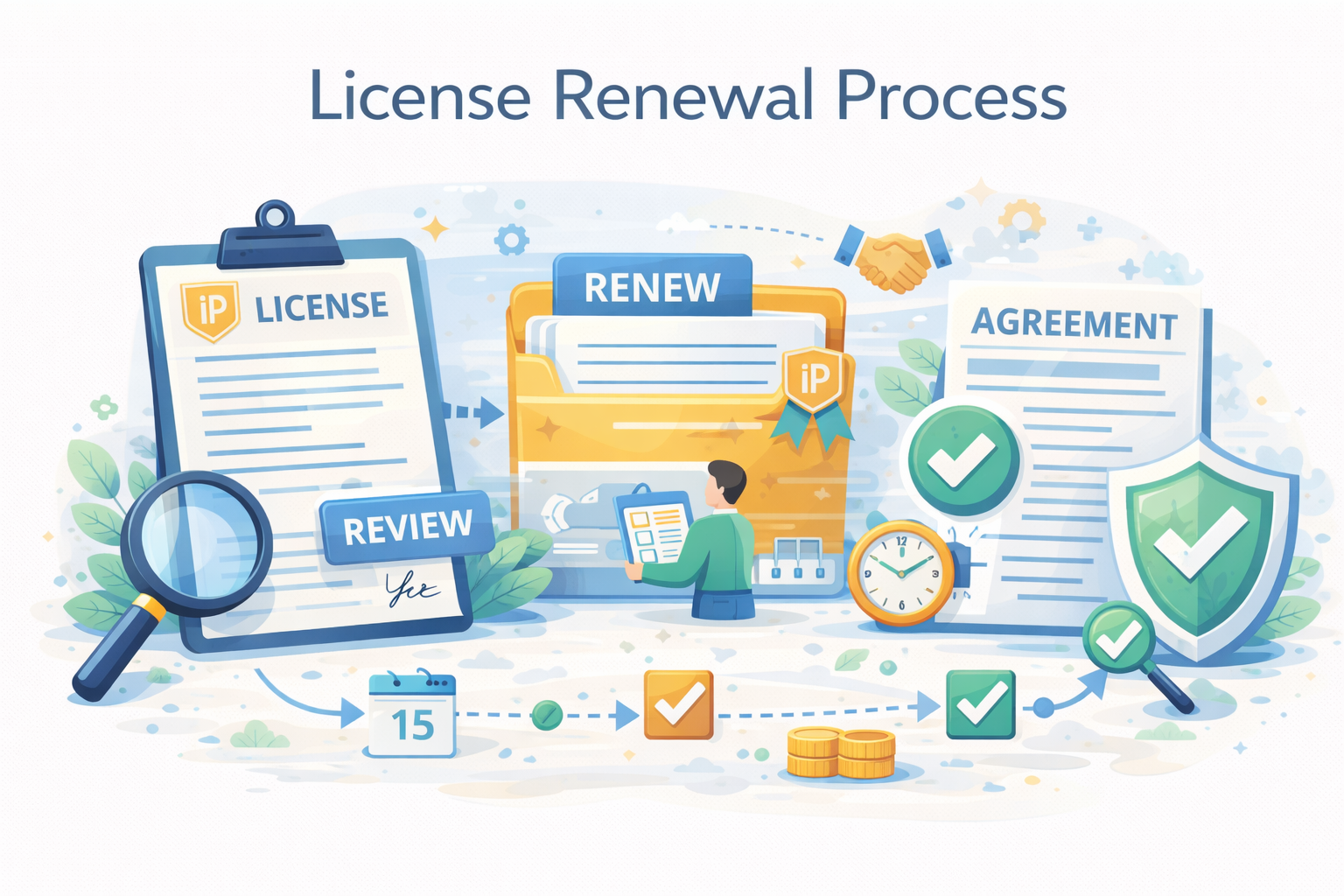
The license renewal process exists to protect both the licensor and the licensee. Licenses grant permission — not ownership — and those permissions must be reviewed regularly.
A structured license renewal process helps:
- Prevent unauthorized or outdated usage
- Adjust terms based on actual use
- Ensure continued compliance
- Protect intellectual property value
As a result, why renewals exist becomes clear: without renewals, licenses would lose control, clarity, and enforceability.
Subscription Renewals and Ongoing Value
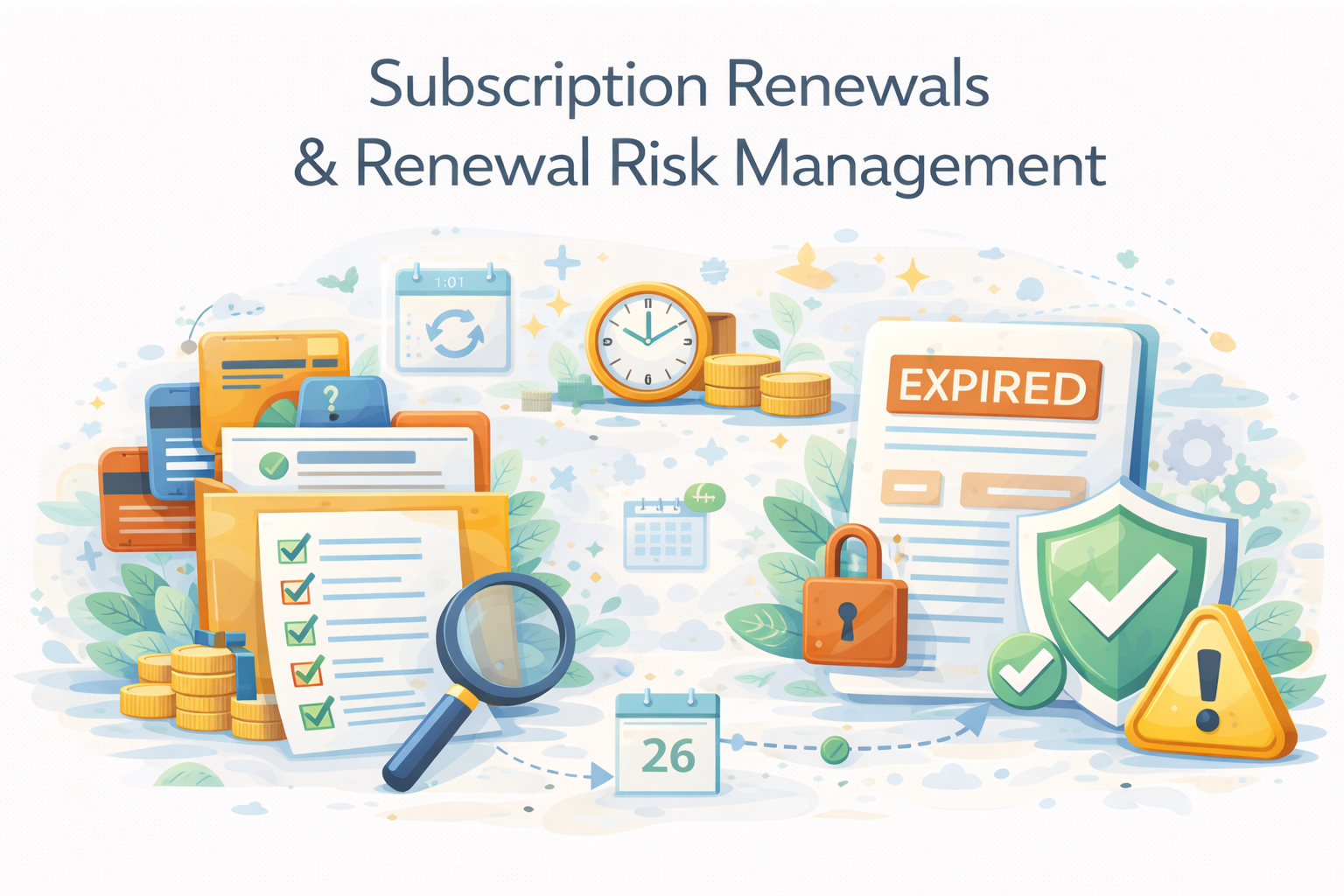
In subscription-based models, subscription it is present to confirm ongoing value exchange. Unlike one-time purchases, subscriptions depend on continued relevance.
Subscription renewals allow brands to:
- Re-earn trust at regular intervals
- Update pricing or service tiers
- Reflect changes in usage or scale
- Reduce churn through transparency
Therefore, why renewals exist in subscriptions is directly tied to accountability and customer confidence.
Renewal Risk Management: Why Brands Must Pay Attention
Ignoring renewals creates risk. Consequently, renewal risk management is a core operational discipline for modern organizations.
Common renewal risks include:
- Missed deadlines leading to expired rights
- Auto-renewals that no longer reflect actual usage
- Compliance gaps due to outdated terms
- Budget surprises and unplanned interruptions
By prioritizing renewal risk management, brands reduce operational stress and protect relationships. This is another reason why renewals exist as structured safeguards.
How Renewals Build Trust, Not Friction
When handled properly, renewals strengthen relationships. Instead of being transactional, they become strategic.
Effective renewals:
- Reinforce transparency
- Encourage proactive communication
- Create opportunities for optimization
- Signal professionalism and maturity
Therefore, understanding why renewals exist helps teams shift their mindset — from avoidance to engagement.
Best Practices for Managing Renewals Effectively To operationalize renewals, brands should:
- Centralize renewal dates and documentation
- Assign clear ownership across teams
- Review contracts before—not after—renewal windows
- Align legal, finance, and marketing early
- Use renewals as performance checkpoints
As a result, contract renewal cycles, license renewal process, and subscription renewals become predictable rather than disruptive.
Final Thoughts: Renewals Exist to Protect Everyone Involved
Ultimately, why renewals exist comes down to clarity, fairness, and long-term value. Renewals protect brands, partners, and customers by ensuring that agreements remain relevant, compliant, and mutually beneficial.
When renewals are treated as strategic touchpoints instead of administrative tasks, they become powerful trust-building tools.
Related Articles