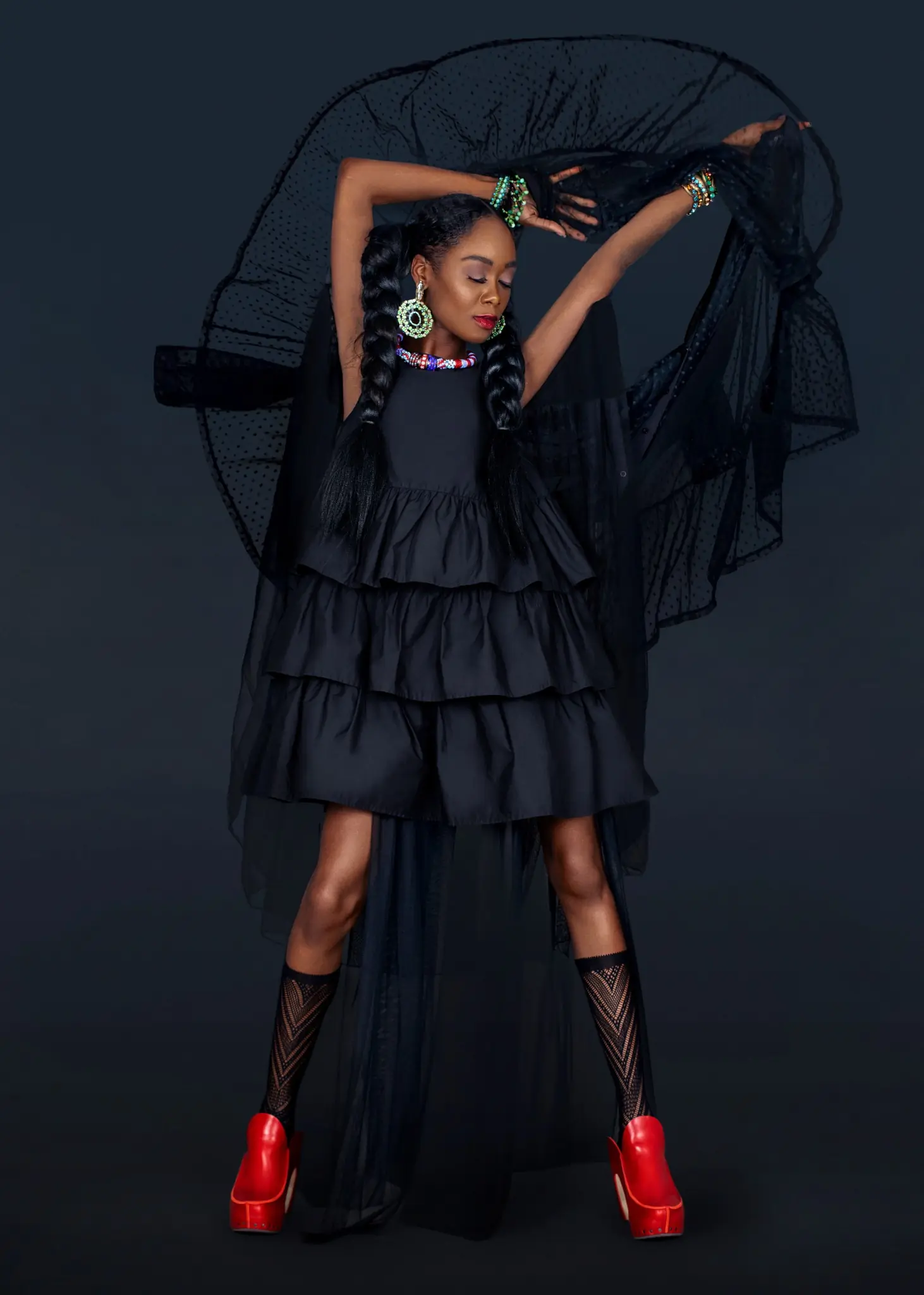
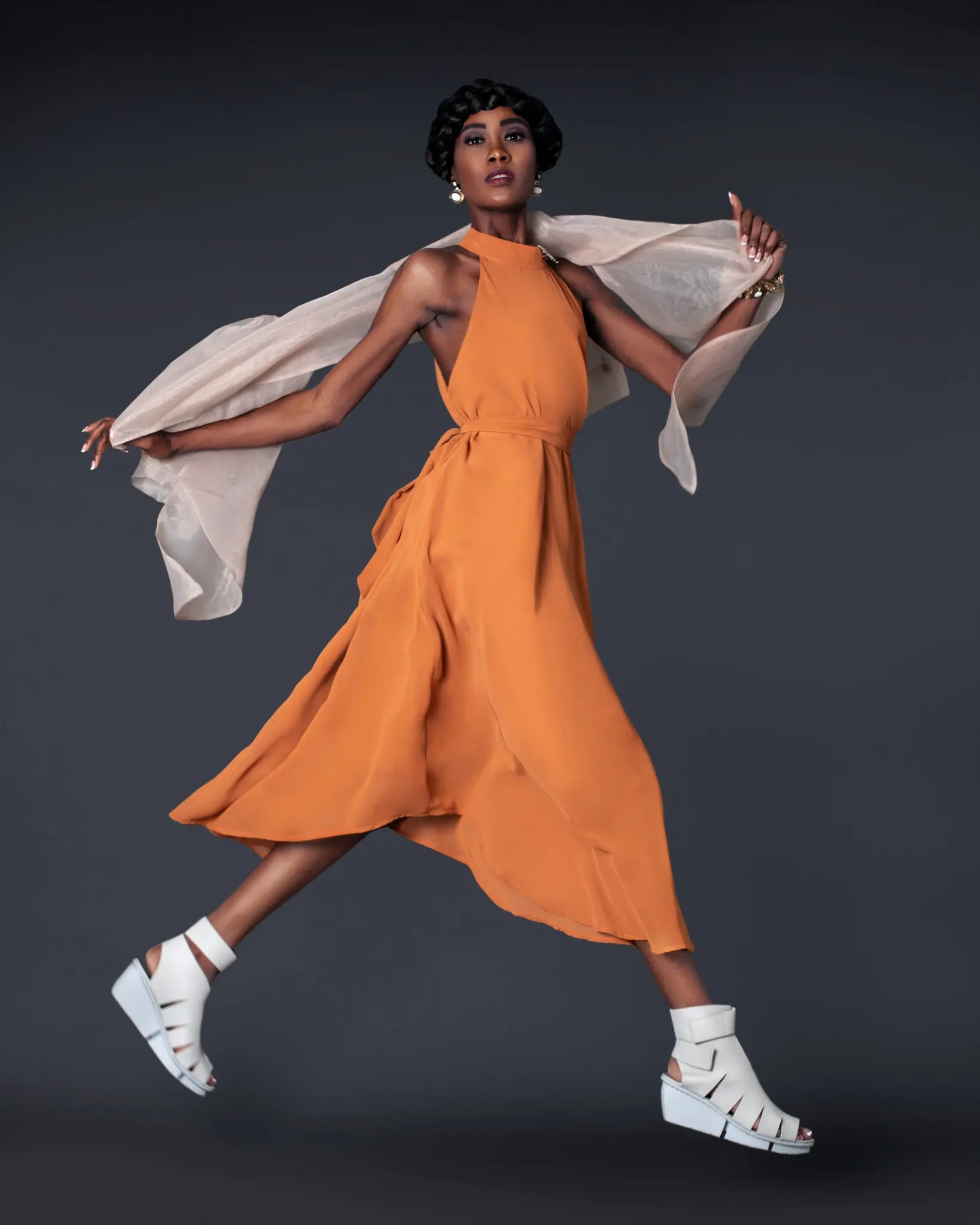
Media-first campaign photography starts with a simple shift: we plan for distribution before we plan for aesthetics. In other words, we treat campaign photography as media infrastructure—built for paid ads, web, and social—so your creative performs where it actually lives. As a result, teams move faster, waste less, and ship consistent creative without constantly starting over.

In this resource, we break down our media-first campaign photography process, explain why shoot-led production often underperforms, and show how a campaign content retainer supports a scalable content system for campaigns. Additionally, you’ll see how this method improves performance creative strategy and reduces multi-format content production friction across channels.


What Will You Learn About Media-First Campaign Photography?


What Is Media-First Campaign Photography?

Media-first campaign photography approach designed for ads, web, and social with multi-format content production
Most brands think about photography as a creative deliverable. They commission a photoshoot. Receive a collection of images. Use them for a campaign. Then move on to the next production.

Media-first campaign photography takes a different approach.

Instead of viewing photography as a standalone creative project, it treats photography as a marketing asset designed to support business objectives across multiple channels and campaigns.

This approach closely aligns with the principles discussed in Fashion Campaign Photography: The Foundation Of High-Performing Fashion Brands, where campaign photography is positioned as a strategic growth asset rather than simply a creative deliverable.

The goal is not simply to create beautiful images. The goal is to create media assets that generate value long after the shoot is complete.

In a media-first approach, every image is created with distribution, performance, and long-term marketing use in mind. Photography becomes part of a larger content infrastructure rather than a one-time deliverable.


Photography As Media

Traditional photography is often evaluated based on aesthetics. Questions typically include:

These questions are important.

However, media-first campaign photography asks additional questions:

Photography is treated as media inventory. Just as brands invest in paid media placements, they should invest in media assets capable of supporting those placements.

The objective shifts from:

Creating Images

to

Creating Marketing Assets

that can drive awareness, engagement, customer acquisition and revenue.

This shift is one reason why leading fashion brands increasingly view photography as part of their marketing infrastructure. As discussed in Why Brand Photography For Fashion Brands Is The Key To Stronger Campaign Performance, the strongest-performing campaigns are often supported by photography specifically created to serve marketing objectives rather than simply generate visual content.


Owned Media Assets

One of the core principles of media-first photography is the creation of owned media assets. Unlike paid media, which disappears when advertising spend stops, owned media continues generating value. Examples include:

These assets belong to the brand. They can be reused, repurposed, and deployed repeatedly across multiple initiatives.

The strongest brands view photography as an investment in owned media infrastructure rather than a short-term campaign expense. Every production contributes to an asset library that grows more valuable over time.

Read more about We Use The Content Planning Framework Before Every Shoot.


Content Infrastructure

Media-first photography is closely connected to content infrastructure. Without infrastructure, photography often follows this pattern:

  1. Shoot
  2. Deliver Assets
  3. Launch Campaign
  4. Archive Files
  5. Schedule Another Shoot

This creates a cycle of constant production. A media-first approach integrates photography into a broader system.

Assets become part of:

Instead of disappearing after a campaign, assets continue supporting future marketing efforts. The result is better asset utilization, greater efficiency, and stronger ROI.


Strategic Asset Creation

Media-first campaign photography focuses on strategic asset creation rather than image creation alone. Before production begins, brands define:

This planning process determines which assets need to be created. Examples include:

Every image serves a purpose and every asset has a destination. Production becomes more intentional because it is tied directly to marketing objectives.


Marketing-First Production

At the heart of media-first campaign photography is a simple idea: Marketing requirements should shape production decisions.

Traditional productions often begin with:

Media-first productions begin with:

Creative excellence remains important. However, creative decisions are informed by marketing needs.

This ensures assets are not only visually compelling but also commercially effective. The result is photography that supports:


Why Media-First Photography Matters

Modern fashion and beauty brands operate across multiple channels simultaneously. Customers may encounter a brand through:

Each touchpoint requires content. A media-first approach ensures photography is planned to support the entire customer journey rather than a single campaign moment.

This creates better:


The Shift From Photography To Media

Traditional campaign photography often focuses on the shoot. Media-first campaign photography focuses on what happens after the shoot. It is built around:

This shift changes the role of photography within a brand. Instead of being viewed as a creative expense, photography becomes a strategic marketing asset capable of supporting campaigns, content systems, customer acquisition, and long-term business growth.

Ultimately, media-first campaign photography is not about creating more images. It is about creating assets that work harder, last longer, and generate greater value across the entire marketing ecosystem.


Photography Is Not A Deliverable. It’s Media Inventory.

One of the biggest mistakes brands make is viewing photography as a deliverable. The conversation often focuses on questions such as:

While these questions are important, they can create a narrow view of photography’s role within a business. Media-first brands think differently. They do not see photography as a collection of images. They see photography as media inventory.

Just as a media buyer invests in advertising inventory that can generate ongoing value, brands should invest in photography that can support marketing, advertising, customer acquisition, and brand growth long after production is complete.

This concept is explored further in What Happens When You Are Planning Photography Like Media Buys?


Asset Libraries

When photography is treated as a deliverable, assets are often used once and forgotten. A campaign launches. The images are published. Then attention shifts to the next production.

When photography is treated as media inventory, every production contributes to a growing asset library. Examples include:

These assets become long-term marketing resources.

Instead of asking: What Did This Shoot Deliver?

brands begin asking: How Many Future Campaigns Can These Assets Support?

This shift dramatically increases the value generated from every production investment.


Advertising Creative

Modern advertising requires a constant flow of creative assets. Platforms such as:

all require fresh content. Brands that treat photography as a deliverable often produce only enough assets for the immediate campaign. As advertising evolves, additional creative is needed. This frequently leads to:

Media-first brands plan photography as advertising inventory. A single production may generate:

This provides marketing teams with the creative resources needed to support ongoing customer acquisition efforts.


Campaign Support

A campaign rarely relies on a single image. Successful campaigns require a collection of assets working together. Examples include:

When photography is treated as media inventory, productions are planned to support the entire campaign ecosystem. Rather than delivering isolated images, the production creates a comprehensive set of marketing assets. This improves:


Website Assets

For many brands, the website is one of the most important marketing channels. Yet website requirements are often overlooked during production planning. Media-first photography ensures assets are created for:

Rather than producing separate content for each requirement, brands build a library of assets that can support website updates for months or even years. This reduces future production requirements while improving consistency across the customer experience.


Future Marketing Needs

One of the most important characteristics of media inventory is future usefulness. Traditional productions often focus on:

Media-first productions consider future requirements as well. Examples include:

By anticipating future needs, brands create assets that remain valuable long after the original campaign ends. The result is longer asset lifespans and stronger content ROI.


Why This Shift Matters

When photography is viewed as a deliverable, the conversation becomes:

When photography is viewed as media inventory, the conversation becomes how:

This changes how productions are planned, executed, and measured. The focus shifts from quantity to value.


The Most Valuable Assets Work Beyond The Shoot

Photography as a deliverable has a finish line but photography as media inventory has a lifespan. The strongest brands understand that every production should contribute to:

The goal is not simply to receive images. The goal is to build a collection of owned media assets that continue supporting marketing performance long after production is complete.

Ultimately, photography becomes far more than a creative deliverable. It becomes a strategic marketing resource capable of generating value across campaigns, channels, and business objectives for years to come.


The Difference Between Creative-First And Media-First Photography

Most campaign photography falls into one of two categories:

Creative-First Photography

or

Media-First Photography

Both approaches can produce visually compelling work and both can create beautiful campaigns. However, they are built around very different priorities.

A creative-first approach focuses primarily on the visual concept. A media-first approach focuses on how photography supports marketing objectives, campaigns, and business growth.

Understanding the difference helps brands make better production decisions and generate more value from every content investment.


What Is Creative-First Photography?

Creative-first photography begins with the creative idea. The primary focus is:

The process often looks like:

The goal is typically to create visually compelling imagery. Marketing applications are often considered after production.

This approach can create stunning work. However, it may not always generate the asset ecosystem needed to support broader marketing objectives.


What Is Media-First Photography?

Media-first photography starts from the opposite direction. The process begins with business and marketing requirements.

The focus is:

The process often looks like:

Creative direction remains important. The difference is that creativity is aligned with marketing objectives from the beginning.

The goal is not simply to create beautiful images. The goal is to create assets that support business growth.


Side-By-Side Comparison

Creative-First Photography Media-First Photography
Visual concept first Business objectives first
Creative direction first Asset requirements first
Shoot planning driven by aesthetics Shoot planning driven by marketing needs
Campaign support considered later Campaign support planned upfront
Deliverables-focused Outcomes-focused
Images as creative assets Images as media assets
Production-centric Marketing-centric
Often campaign-specific Designed for multi-channel deployment
Success measured by creative execution Success measured by marketing performance
May require additional productions later Designed to support future marketing needs

Visual Concept First vs Business Objectives First

Creative-First

Creative-first productions typically begin with:

The creative vision becomes the foundation of the project.


Media-First

Media-first productions begin with:

The creative vision is developed after these requirements are understood. This ensures every asset supports a larger objective.


Campaign Second vs Campaign Support First

Creative-First

In many productions, campaign requirements are considered after creative development. Marketing teams may later discover they need:

These needs often require additional production.


Media-First

Campaign requirements are identified before production begins. Examples include:

As a result, campaigns launch with stronger support and fewer content gaps.


Deliverables vs Asset Ecosystems

Creative-First

The conversation often focuses on:

Success is measured by what was produced.


Media-First

The conversation focuses on:

Success is measured by how effectively assets support marketing efforts. The production becomes an investment in media inventory rather than a collection of deliverables.


Production vs Performance

Creative-First

Performance is often evaluated through:

These are important metrics. However, they do not always indicate marketing effectiveness.


Media-First

Performance is evaluated through:

The objective is to connect production directly to business outcomes.


Which Approach Creates More Value?

Creative-first photography can produce exceptional imagery. For editorial projects, brand films, and highly conceptual campaigns, it may be the ideal approach. However, most modern fashion brands require photography that supports:

These requirements make media-first planning increasingly valuable. The strongest campaigns often combine both approaches.

Creative excellence remains essential. But creativity is guided by business objectives rather than existing independently from them.


The Future Of Campaign Photography

The most successful fashion brands are moving away from viewing photography as a standalone creative project. Instead, they are treating photography as:

Creative-first photography asks: What Should We Create?

Media-first photography asks: What Does The Business Need To Achieve?

That difference fundamentally changes how campaigns are planned, produced, measured, and ultimately how much value they generate for the brand.


How We Plan Campaign Photography

Most campaign photography begins with a creative concept. A moodboard is created, a visual direction is established, a shoot is planned and assets are delivered.

While this process can produce beautiful imagery, it often overlooks an important question: What is the photography supposed to achieve?

Our approach is different. We plan campaign photography as a marketing asset, not simply a creative deliverable.

Before cameras come out, we focus on business objectives, campaign requirements, customer journeys, channel needs, and asset utilization.

The goal is not just to create images. The goal is to create assets that support marketing performance across multiple channels and multiple stages of the customer journey.


1. Step: Business Objectives

Every campaign begins with business objectives. Before discussing concepts, styling, or shot lists, we ask: What Is The Business Trying To Achieve?

Examples include:

Understanding the business objective changes how the entire production is planned. The photography is no longer simply content. It becomes a tool designed to support a specific outcome.


2. Step: Campaign Objectives

Once business objectives are clear, we define campaign objectives. A campaign objective is more specific than a business objective.

Examples include:

These objectives determine what types of assets need to be created. For example, a campaign focused on awareness may require different photography than a campaign focused on conversion.

Planning becomes more strategic because every asset is connected to a measurable goal.


3. Step: Customer Journey

Many productions focus entirely on creating content. We focus on creating content that supports the customer journey. A typical customer may encounter a brand through:

Each touchpoint requires different assets.

We identify:

This helps ensure the campaign supports customers from initial discovery through purchase.


4. Step: Channel Requirements

Once the customer journey is mapped, we determine where assets will be used. Modern fashion brands rarely operate on a single channel. Photography may need to support:

Each channel has different requirements. Examples include:

Planning channels before production ensures assets are created intentionally rather than retrofitted later.


5. Step: Deliverable Mapping

Only after objectives and channel requirements are defined do we map deliverables. Most productions start here. We intentionally start here later.

Deliverable mapping includes identifying:

Each asset is assigned a purpose. Every image should answer:

This process significantly improves asset utilization.


6. Step: Production Planning

Only after strategy is complete do we begin production planning. This includes:

The difference is that production decisions are now informed by business and marketing requirements. Creative direction becomes a solution rather than the starting point.

This ensures photography remains both visually compelling and commercially effective.


Why This Approach Works

Many brands plan photography around a shoot. We plan photography around a campaign. That distinction changes everything.

Instead of asking: What Images Should We Create?

we ask: What Marketing Outcomes Do We Need To Support?

The result is:


Photography Should Support The Entire Campaign

Our campaign planning process follows a simple progression:

Business Objectives

Campaign Objectives

Customer Journey

Channel Requirements

Deliverable Mapping

Production Planning

Every step builds upon the previous one. This ensures assets are not only visually strong but strategically useful.

Ultimately, campaign photography should do more than look good. It should support the marketing system, strengthen campaign performance, and help the business achieve measurable results long after the shoot is complete.


How Media-First Photography Improves Advertising Performance

Many brands approach photography as a creative exercise. The focus is often on producing a small number of strong images for a campaign.

While visually impressive photography is important, modern advertising requires much more than a handful of hero shots. Advertising platforms demand creative volume.

They require multiple formats, continuous testing, audience-specific messaging, and a steady supply of fresh assets. This is where media-first photography creates a significant advantage.

Rather than producing images solely for creative purposes, media-first photography is planned specifically to support advertising performance.

Assets are created with media buying, testing, optimization, and customer acquisition in mind.

This concept is explored further in What Happens When You Are Planning Photography Like Media Buys? and Why Brand Photography For Fashion Brands Is The Key To Stronger Campaign Performance.


Ad Variations

One of the biggest challenges in digital advertising is the need for creative variety. A single image is rarely enough. Advertising platforms reward brands that continually test and refresh creative.

Media-first photography plans for this from the beginning. Rather than producing:

One Hero Image

the production creates multiple:

Examples include:

The result is a library of advertising-ready creative rather than a small set of campaign images. This gives marketing teams more flexibility and improves campaign longevity.


Testing Assets

Advertising performance improves through testing. The strongest-performing campaigns are rarely built on assumptions. They are built on data.

Testing often requires:

Without sufficient creative inventory, testing opportunities become limited. Media-first photography ensures assets are intentionally captured for testing.

Examples include:

This allows marketing teams to identify which assets generate the strongest performance and allocate advertising spend more effectively.


Creative Fatigue Reduction

Creative fatigue is one of the most common reasons advertising performance declines. Customers repeatedly see the same assets. Engagement decreases. Click-through rates fall. Acquisition costs increase.

Many brands respond by scheduling another shoot. Media-first photography helps reduce this problem by creating a larger inventory of creative assets during the original production.

Examples include:

Instead of relying on a few hero images, advertising teams can rotate creative continuously. This helps maintain performance while extending the lifespan of the production investment.


Conversion Assets

Not every advertising asset serves the same purpose. Some assets generate awareness. Others drive conversion. Media-first photography recognizes this distinction.

During planning, assets are created for different stages of the customer journey.

Examples include:

Conversion-focused creative often includes:

By creating assets for multiple objectives, campaigns become more effective across the entire sales funnel.


Customer Acquisition

Ultimately, advertising exists to support customer acquisition. Media-first photography improves acquisition performance because assets are designed around marketing objectives rather than simply creative execution.

Before production begins, questions include which:

This approach creates a stronger alignment between production and customer acquisition goals.

As a result:

Photography becomes an active contributor to growth rather than a passive creative deliverable.


Why Traditional Campaign Photography Often Struggles

Many traditional campaign shoots prioritize:

While these assets may be visually strong, they often provide limited support for advertising optimization.

Common challenges include:

The issue is not image quality. The issue is that the photography was never planned to function as advertising inventory.


Advertising Performance Starts Before The Shoot

Media-first photography improves advertising performance through:

The key insight is simple: Advertising performance is often determined long before a campaign launches.

It is determined during planning.

When photography is planned like media inventory, brands create assets that support testing, optimization, conversion, and long-term campaign performance.

Ultimately, media-first photography is not just about creating beautiful images.

It is about creating advertising assets that help marketing teams acquire customers more efficiently and generate stronger returns from every campaign.


Media-First Photography And Content ROI


Most brands evaluate photography based on production costs. Questions often include:

While these factors matter, they reveal very little about the true return on investment. Content ROI is not determined by how much content is created. It is determined by how much value that content generates over time.

This is where media-first photography creates a significant advantage. Instead of treating photography as a short-term campaign expense, media-first photography treats content as a long-term marketing asset designed to support multiple campaigns, channels, and business objectives.

The result is greater efficiency, stronger asset utilization, and higher long-term ROI.

For brands looking to build scalable marketing systems, this approach aligns closely with the principles discussed in Why A Fashion Content Retainer Is The Smartest Investment For Scalable Brand Growth.


Asset Utilization

One of the biggest drivers of content ROI is asset utilization. Many productions generate far more content than brands actually use. Assets are delivered. A campaign launches. A small percentage of images are published. The remaining assets sit unused.

Media-first photography is designed to prevent this. Before production begins, assets are mapped to specific marketing needs.

Examples include:

Because every asset has a defined purpose, utilization increases significantly. More assets are used, more channels are supported and more value is generated from the same production investment.


Longer Lifespans

Many brands assume content has a lifespan measured in weeks. Media-first photography extends that timeline considerably. Assets are created with future usage in mind.

Examples include:

Rather than producing content for a single moment, brands create assets that can support marketing activities for months or even years.

The longer an asset remains useful, the greater the return generated from the original production.

This is one of the primary reasons media-first photography often outperforms traditional campaign production from an ROI perspective.


Campaign Support

A strong campaign requires more than a few beautiful images. Modern campaigns often require:

When photography is planned as media inventory, productions are structured to support the entire campaign ecosystem. The same shoot can contribute to multiple campaign components simultaneously.

This improves:

Instead of creating assets for one campaign touchpoint, brands create assets that support the entire customer journey.


Cross-Channel Usage

Modern customers rarely interact with brands through a single channel. A typical customer journey may include:

Media-first photography is planned around this reality. Assets are created for cross-channel deployment. A single image may be used in:

The more channels an asset supports, the more value it generates. Cross-channel usage is one of the most effective ways to improve content ROI without increasing production costs.


Reduced Production Waste

Production waste occurs when brands repeatedly create content that already exists or when assets are used only once. Examples include:

Media-first photography reduces waste by creating assets designed for long-term deployment. Instead of viewing content as disposable, brands treat it as infrastructure.

The result is:

Reducing waste is often one of the fastest ways to improve content ROI.


Why Traditional Photography Often Produces Lower ROI

Traditional campaign productions frequently focus on:

While these elements are important, they often overlook what happens after production. As a result, brands may experience:

The issue is not production quality but  assets were not planned to maximize long-term value.


Content ROI Starts Before Production

Media-first photography improves content ROI through:

These factors help brands generate more value from every production investment. The key insight is simple: Content ROI is not determined by how many assets are created.

It is determined by how effectively those assets support marketing objectives over time. Ultimately, media-first photography transforms content from a short-term expense into a long-term marketing asset.

The result is stronger campaign performance, greater efficiency, and a significantly higher return on every content investment.


How Media-First Photography Supports Content Systems

A content system is only as strong as the assets that power it. Many brands invest time building content calendars, campaign plans, and marketing workflows, yet still struggle with content shortages and inconsistent execution.

The reason is often simple: The system lacks the right assets.

Media-first photography solves this problem by creating photography specifically designed to support the entire content ecosystem.

Instead of producing images for a single campaign or immediate need, media-first photography creates assets that can be reused, repurposed, distributed, and deployed across multiple marketing initiatives.

This transforms photography from a creative deliverable into a foundational component of a scalable content system.

For brands looking to create sustainable content operations, this approach aligns closely with Fashion Content Production Retainer: How Fashion Brands Build Consistent Content That Actually Scales and Why A Fashion Content Retainer Is The Smartest Investment For Scalable Brand Growth.


Asset Libraries

Every effective content system relies on an asset library. Without a centralized collection of usable content, marketing teams often find themselves repeatedly requesting new productions.

Media-first photography helps build asset libraries by creating assets with long-term value in mind. Examples include:

Instead of creating assets for a single use, productions are designed to expand the brand’s content inventory. Over time, these assets accumulate into a library that supports ongoing marketing activities.

The result is:


Content Repurposing

One of the most valuable characteristics of media-first photography is its ability to support content repurposing. A traditional shoot may create assets intended for one campaign.

A media-first shoot creates assets designed for multiple applications. Examples include:

This approach increases the value of every asset because content continues generating results across different formats and channels.

Rather than creating new content for every requirement, brands maximize the value of content they already own.


Campaign Extensions

Many campaigns end while valuable assets remain underutilized. Media-first photography helps extend the lifespan of campaigns by creating assets that can support future initiatives.

Examples include:

Instead of disappearing after launch, campaign assets continue supporting future marketing activities. This improves both asset utilization and overall content ROI. The campaign becomes more than a moment. It becomes an ongoing marketing resource.


Multi-Channel Deployment

Modern content systems operate across multiple channels simultaneously. Brands often require assets for:

Media-first photography anticipates these needs before production begins. Assets are intentionally created for deployment across multiple channels.

A single production may generate:

This allows one production investment to support numerous marketing objectives simultaneously. The result is greater efficiency and stronger marketing performance.


Content Infrastructure

The ultimate purpose of media-first photography is to strengthen content infrastructure. Without infrastructure, brands often experience:

Media-first photography creates the asset foundation needed for content systems to function effectively. It supports:

Photography becomes part of the marketing infrastructure rather than a standalone project. Every production contributes to a system that becomes stronger over time.


Why Traditional Photography Often Fails To Support Content Systems

Traditional photography is often planned around:

While this approach can create beautiful content, it frequently fails to support long-term marketing operations. Common challenges include:

The issue is not the quality of the content but the content was never designed to support a larger system.


Content Systems Need More Than Content

A content system is not powered by content volume alone. It is powered by strategically created assets that can be deployed repeatedly across marketing activities.

Media-first photography supports content systems through:

Together, these elements help brands create more value from every production investment while reducing the need for constant content creation.

Ultimately, media-first photography is not just about creating content. It is about creating the asset foundation that allows content systems to scale, campaigns to perform, and marketing operations to become more efficient over time.


Real-World Example: Traditional Campaign Shoot vs Media-First Campaign Shoot

At first glance, a traditional campaign shoot and a media-first campaign shoot may look very similar. Both may feature the same models. The same creative direction, styling, production quality and the same budget.

However, the difference is not what happens during the shoot. The difference is what happens before and after the shoot.

Traditional campaign photography is typically planned around creating assets for a specific campaign. Media-first photography is planned around creating assets that support an entire marketing ecosystem.

As a result, the long-term value generated from the production can be dramatically different.


Scenario

Imagine a fashion brand launching a new collection. The brand has:

to support. Both brands invest in a campaign shoot. However, they take very different approaches.


Traditional Campaign Shoot

The traditional production focuses primarily on the campaign launch. Planning revolves around:

The objective is to create visually strong content for the collection launch. Typical deliverables include:

The assets are highly effective for the launch itself. However, future marketing requirements are often considered later.


Media-First Campaign Shoot

The media-first production begins with marketing requirements. Planning focuses on:

The objective is not simply to launch the collection. The objective is to create a complete library of assets capable of supporting multiple channels and multiple campaigns. Production is intentionally designed around future marketing use.


Number Of Assets

Traditional Campaign Shoot

Typical output:

The production is optimized around creative deliverables.


Media-First Campaign Shoot

Typical output:

The production is optimized around marketing deployment.


Channels Supported

Traditional Campaign Shoot

Assets are primarily used for:

Support for other channels often requires additional production later.


Media-First Campaign Shoot

Assets are created specifically for:

One production supports the entire marketing ecosystem.


Advertising Support

Traditional Campaign Shoot

Advertising support is often limited. Typical challenges include:

Advertising teams frequently request new content shortly after launch.


Media-First Campaign Shoot

Advertising requirements are planned before production. Assets include:

Advertising teams have significantly more flexibility for optimization and scaling.


Asset Lifespan

Traditional Campaign Shoot

Typical lifespan: 2 – 8 Weeks

Once the campaign concludes, asset usage often declines dramatically. New marketing initiatives typically require new production.


Media-First Campaign Shoot

Typical lifespan: 6 – 24 Months

Assets continue supporting:

The same assets continue generating value long after the original launch.


ROI Potential

Traditional Campaign Shoot

ROI is often constrained by:

While the campaign may perform well, the long-term return is often limited.


Media-First Campaign Shoot

ROI improves through:

The production continues creating value long after the shoot is complete.


Side-By-Side Comparison

Category Traditional Campaign Shoot Media-First Campaign Shoot
Primary Focus Creative execution Marketing performance
Number Of Assets 20–40 60–120+
Channels Supported Website, Social Website, E-Commerce, Advertising, Social, Email, PR, Retail
Advertising Support Limited Extensive
Testing Assets Few Many
Creative Variations Limited Planned from the start
Asset Lifespan 2–8 weeks 6–24 months
Asset Utilization Moderate High
Production Waste Higher Lower
Marketing Efficiency Moderate High
ROI Potential Moderate High

The Difference Is Not The Camera

The difference between these approaches is not:

but planning. Traditional campaign shoots are planned around a campaign. Media-first campaign shoots are planned around the entire marketing ecosystem.

That distinction changes:

Ultimately, both productions create content. However, one creates assets for a campaign.

The other creates media inventory that can support marketing, advertising, customer acquisition, and business growth long after the campaign has ended.


From Shoots to Systems: The Retainer Model

A campaign content retainer is how we operationalize media-first campaign photography. Instead of relying on one-off shoots, you get a consistent production rhythm that supports launches, ads, and website content without constant renegotiation.

Because the system is repeatable, you reduce production drag while building a content system for campaigns that compounds over time.


Content Retainer Packages

Package Investment Includes Best For
Essential Brand Content From €3,000 / month
3-month minimum
1 content shoot per month
Up to 40 edited images
Short-form video clips
Multi-format delivery (vertical, square, landscape)
Web & organic social usage license
Emerging brands
Seasonal collections
Content refreshes
Growth Brand Partnership (Most Popular) From €5,000 / month
3–6 month commitment
1–2 shoots per month
Campaign-style & lifestyle imagery
60–80 edited images
Video content optimized for ads
Paid ads usage included
Quarterly creative alignment
Brands running paid ads
Launching products
Scaling visibility
Full Creative Partnership From €8,000 / month
6-month minimum
Monthly campaign-level productions
100+ images per month
Advanced short-form video
Priority scheduling
Paid ads, web & print usage
Category exclusivity
Creative direction & concept development
Established brands
Rebrands
Global campaigns

Next Step

If you need consistent output across ads, web, and social, a retainer-based system is the fastest way to scale without constantly rebuilding production. Choose Essential for baseline consistency, Growth for ad-led scaling, or Full Creative for campaign-level leadership and volume.

Recommended Next Read

Beauty Campaign Photography: The Strategic Foundation of High-Performing Beauty Brands

Fashion Campaign Photography: The Foundation of High-Performing Fashion Brands

Why Brand Photography for Fashion Brands Is the Key to Stronger Campaign Performance