
StyleConditioning was a sports fashion brand with an online shop, Instagram profile and Facebook page. Each new collection therefore required more than a few attractive photographs. It needed a connected image library for campaign advertising, e-commerce, social media and launch communication. This case study examines how the brand’s productions created that system and how the same scope could be consolidated into a strategically planned one-day fashion campaign shoot.
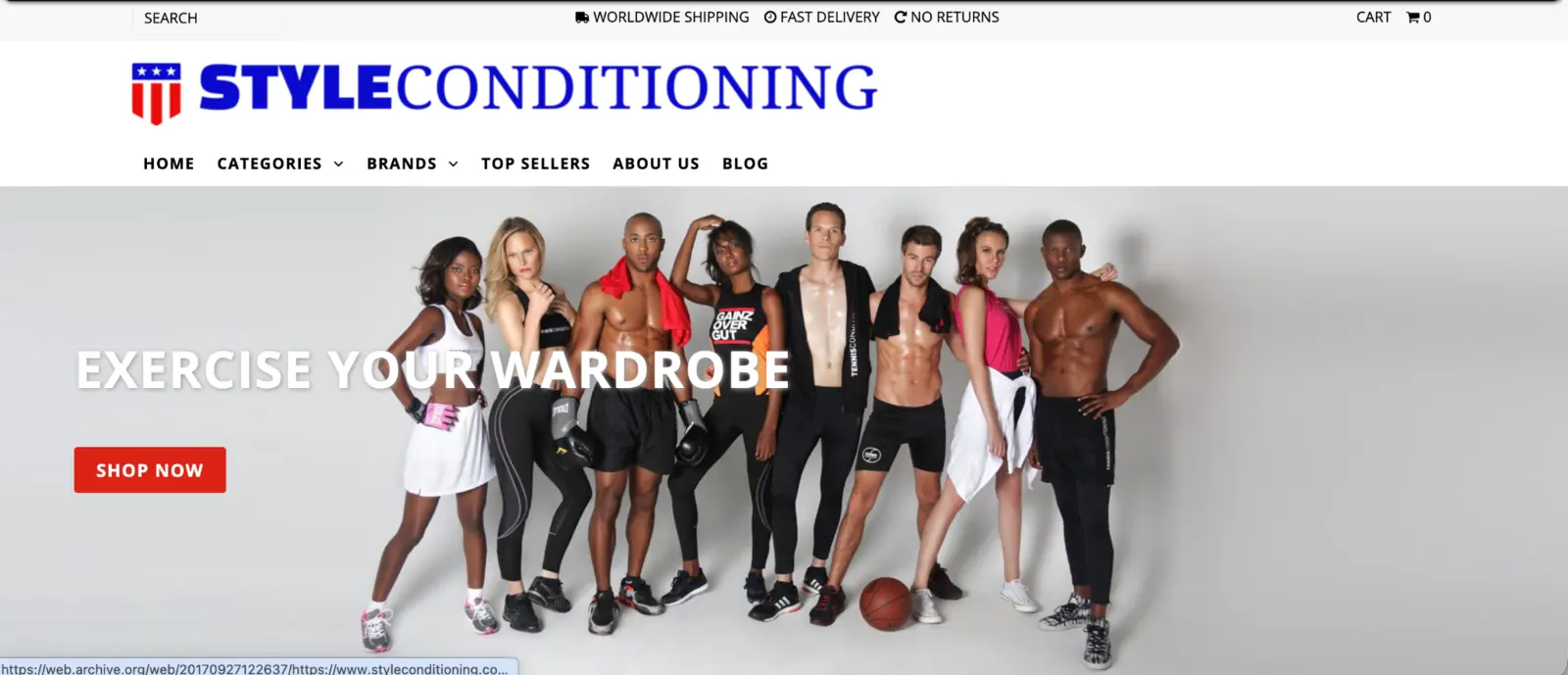
StyleConditioning Campaign Overview
StyleConditioning operated at the intersection of sportswear, tennis culture and fashion. Its online shop sold branded performance apparel alongside sports-fashion products, while Instagram and Facebook extended the brand’s reach beyond the website.
Phil Halfmann supported StyleConditioning through strategic planning and photography for new collections. The objective was not simply to document garments. Instead, the photography needed to introduce the brand, present products, support shopping decisions and create enough visual variety for several marketing channels.
Project at a Glance
- Brand: StyleConditioning
- Industry: Sports fashion, activewear and tennis-inspired apparel
- Primary channels: Online shop, advertising, Instagram and Facebook
- Phil Halfmann’s role: Strategic campaign planning and photography
- Content requirements: Homepage imagery, category assets, product-led photographs, social content and launch visuals
- Production opportunity: Consolidate studio and nearby location modules into one structured campaign day
The Challenge: One Collection Needed to Work Across Multiple Channels
A fashion collection does not live in one placement. First, a customer may encounter an advertisement or social post. Next, that person may visit the website. Finally, campaign and product imagery must provide enough clarity, relevance and confidence to support further exploration.
StyleConditioning consequently needed more than one hero photograph. It required a family of related assets capable of performing different jobs:
- Establish the brand’s sports-fashion positioning
- Introduce new collections with high-impact campaign imagery
- Support the homepage and direct visitors toward the shop
- Represent product categories through lifestyle photography
- Create portrait-oriented content for Instagram and Facebook
- Show branded garments clearly in more product-focused compositions
- Provide flexible horizontal images for advertising and website layouts
Without a coordinated plan, these requirements can trigger separate briefs, inconsistent visual treatments and unnecessary production days. As explained in Content Systems vs Random Shoots, isolated shoots may create attractive photographs without building a dependable marketing system.
The Strategy: Design the One-Day Fashion Campaign Shoot Backward From Distribution
The central strategic shift was to plan from marketing use backward. Instead of beginning with unrelated visual ideas, the production could begin by identifying where customers would see the content and what each placement needed to accomplish.
This approach reflects a broader media-first principle. In What Happens When You Plan Photography Like a Media Buy, format, placement and campaign purpose guide production before the camera comes out.
Two Visual Modules, One Connected Campaign System
The StyleConditioning work used two complementary visual modules:
- Studio module: controlled group images, individual product-focused photographs, clean backgrounds and flexible crops
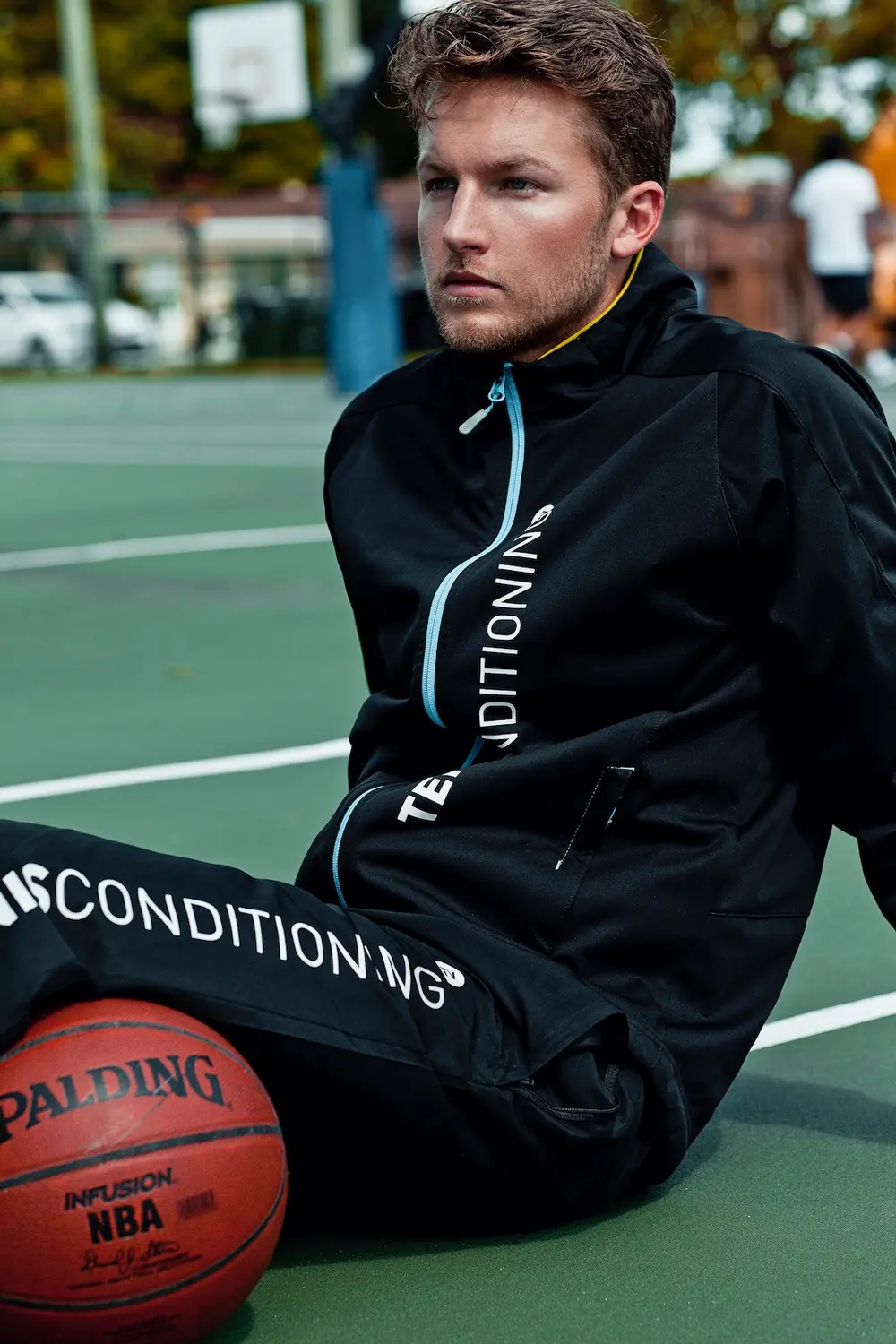
- Location module: tennis-led and editorial lifestyle images that added context, atmosphere and category-level storytelling
These modules did not require separate creative identities. Consistent casting, styling logic, brand visibility and post-production allowed them to function as one campaign content system.
How the Scope Could Fit Into One Production Day
A realistic one-day schedule would protect the most important deliverables first, then move into supporting variations:
| Production block | Primary outputs |
|---|---|
| 07:00–08:30 | Hair, makeup, wardrobe preparation and lighting |
| 08:30–10:00 | Full-cast studio hero images and group variations |
| 10:00–12:00 | Smaller groups, women’s and men’s product-led images, vertical compositions |
| 12:00–13:00 | Lunch, wardrobe transition and location reset |
| 13:00–15:30 | Tennis-court campaign imagery, branded apparel and product launch assets |
| 15:30–18:30 | Lifestyle groups, e-commerce category images and social variations |
| 18:30–19:00 | Final shot-list review and missing-asset pickups |
This schedule assumes nearby locations, pre-approved styling, a locked cast, prepared equipment and a disciplined shot list. Without those conditions, “one day” becomes a cost-cutting claim rather than a credible production plan.

Executing the Studio Campaign Module
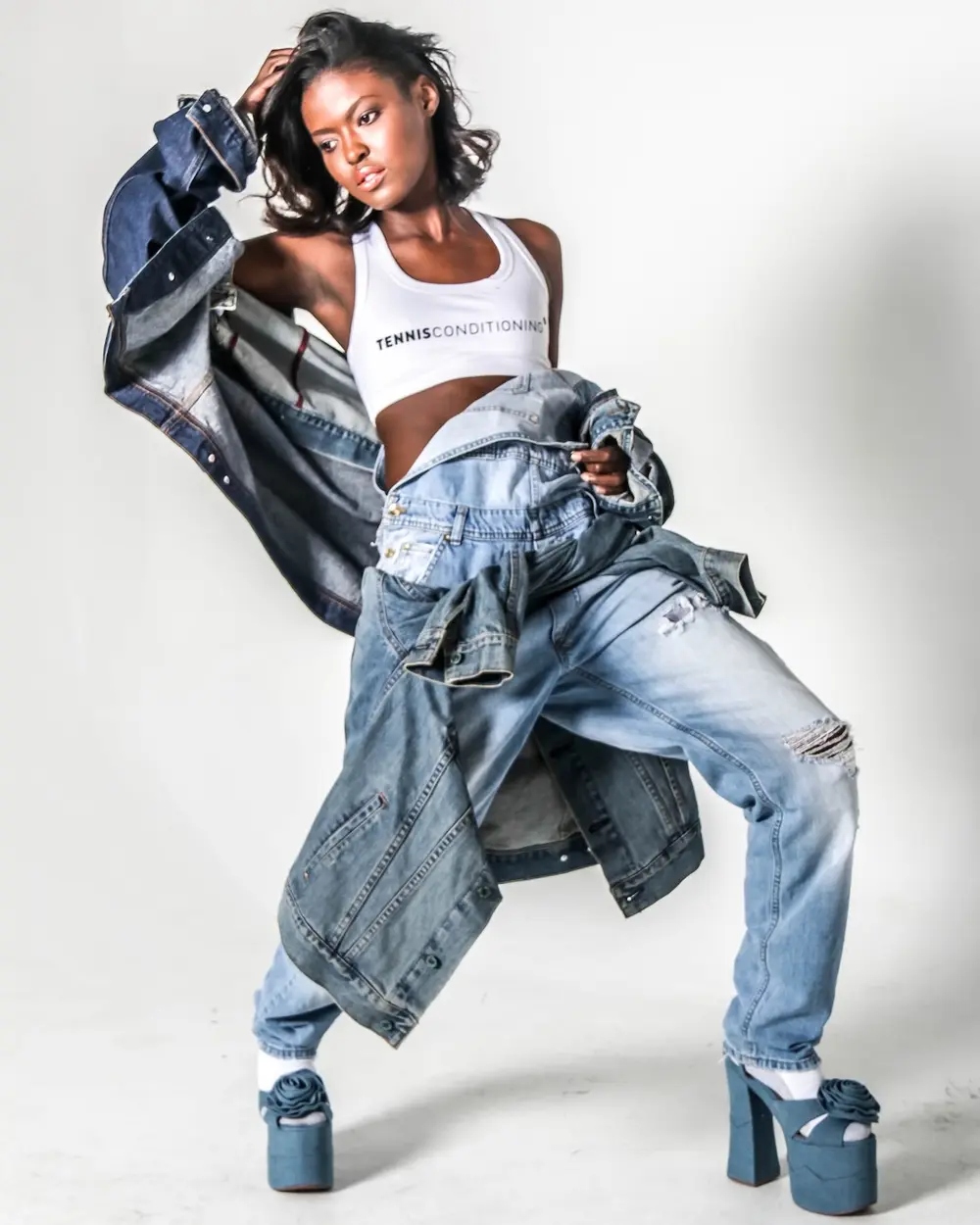
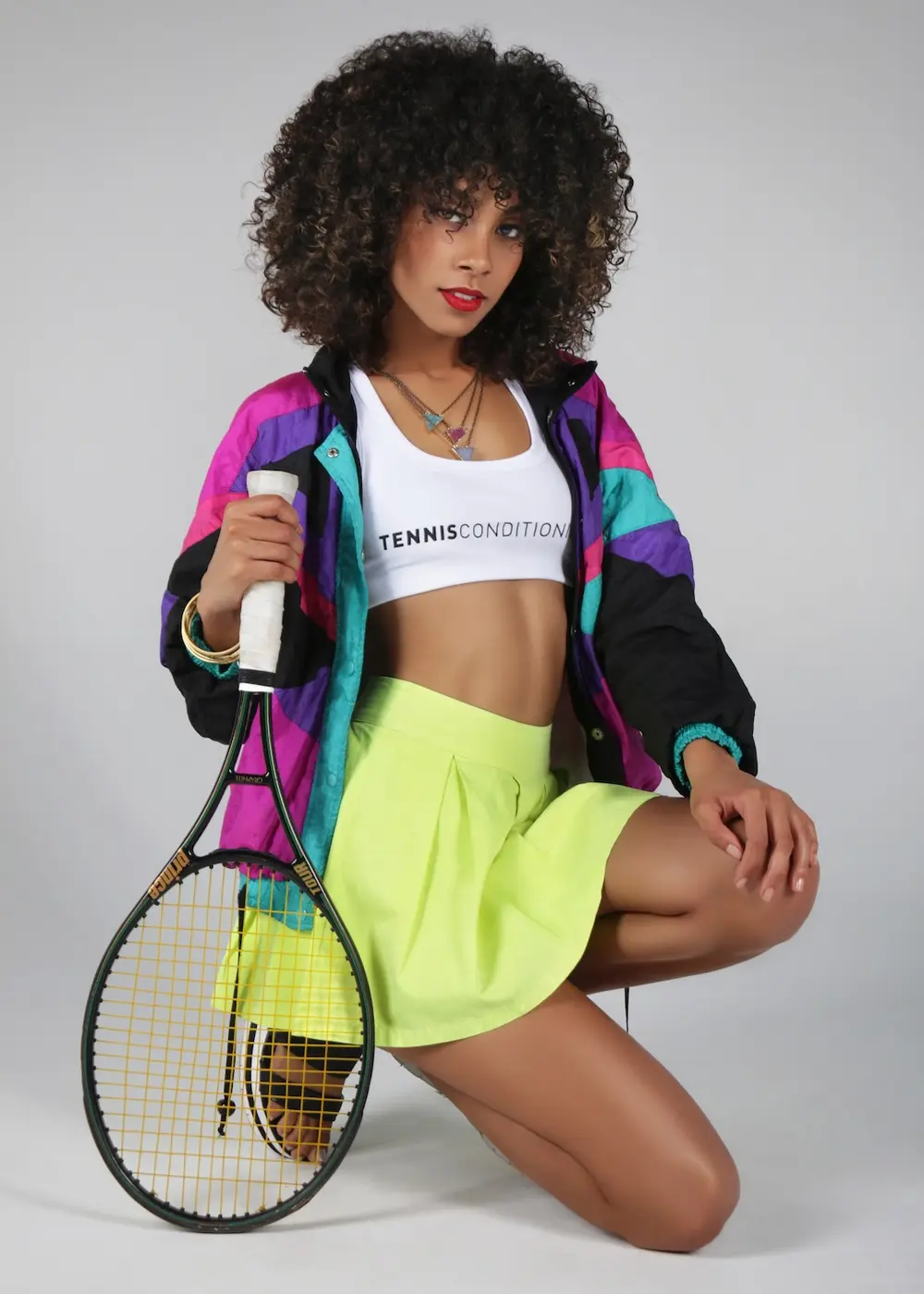
The studio work created the campaign’s most controlled assets. A neutral background allowed the models, products and sports references to remain dominant. Meanwhile, the cast could be reorganized efficiently into full groups, smaller groups and individual portraits.
The wide cast photograph was especially valuable because it displayed multiple products while communicating scale, diversity and energy. Individual vertical images then gave the brand more focused options for product communication, social publishing and mobile placements.
This modular method is central to effective fashion campaign photography. A successful campaign does not depend on one photograph. It creates a coordinated family of assets with distinct commercial roles.

Executing the Location and Product-Launch Module
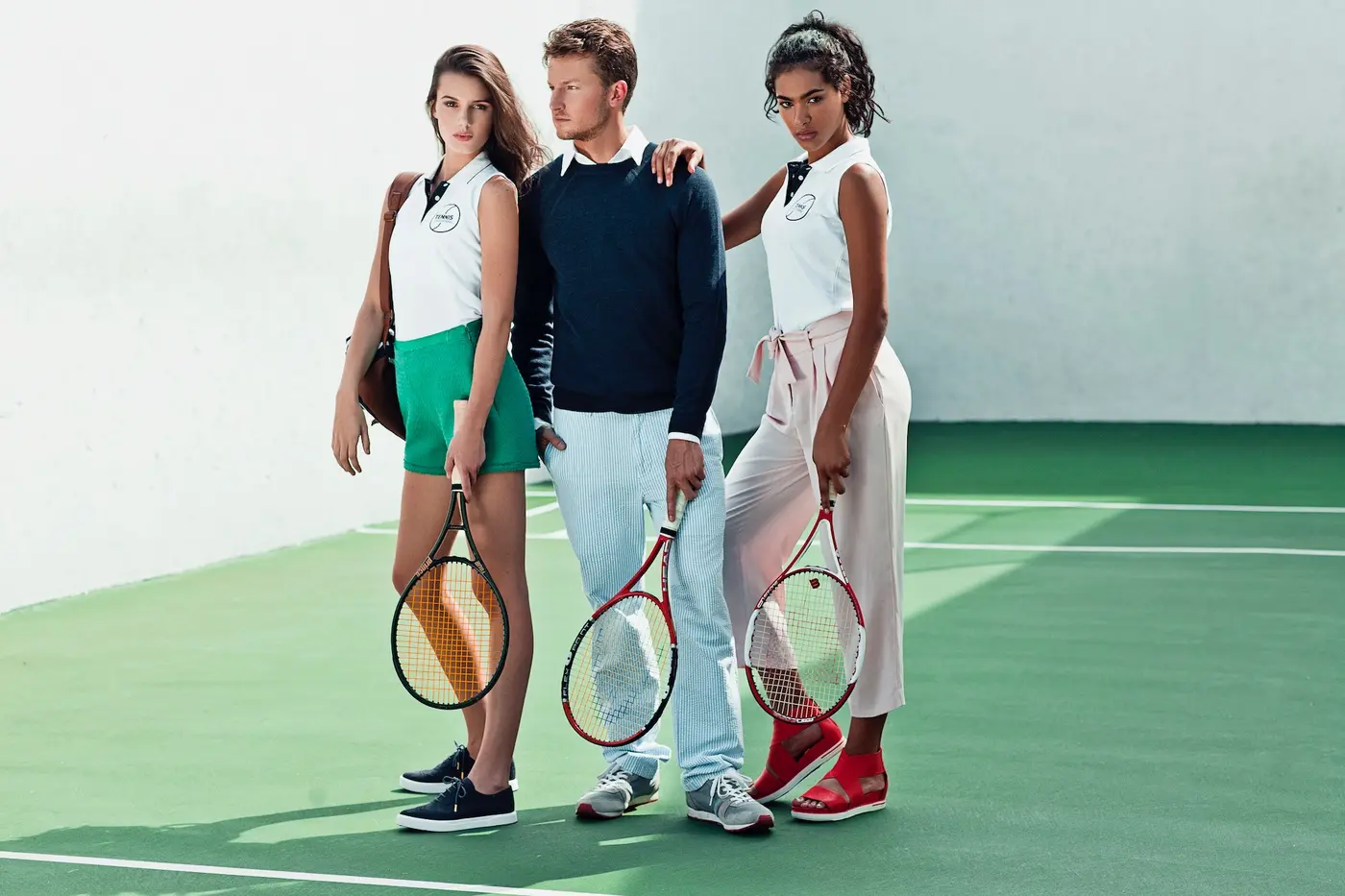
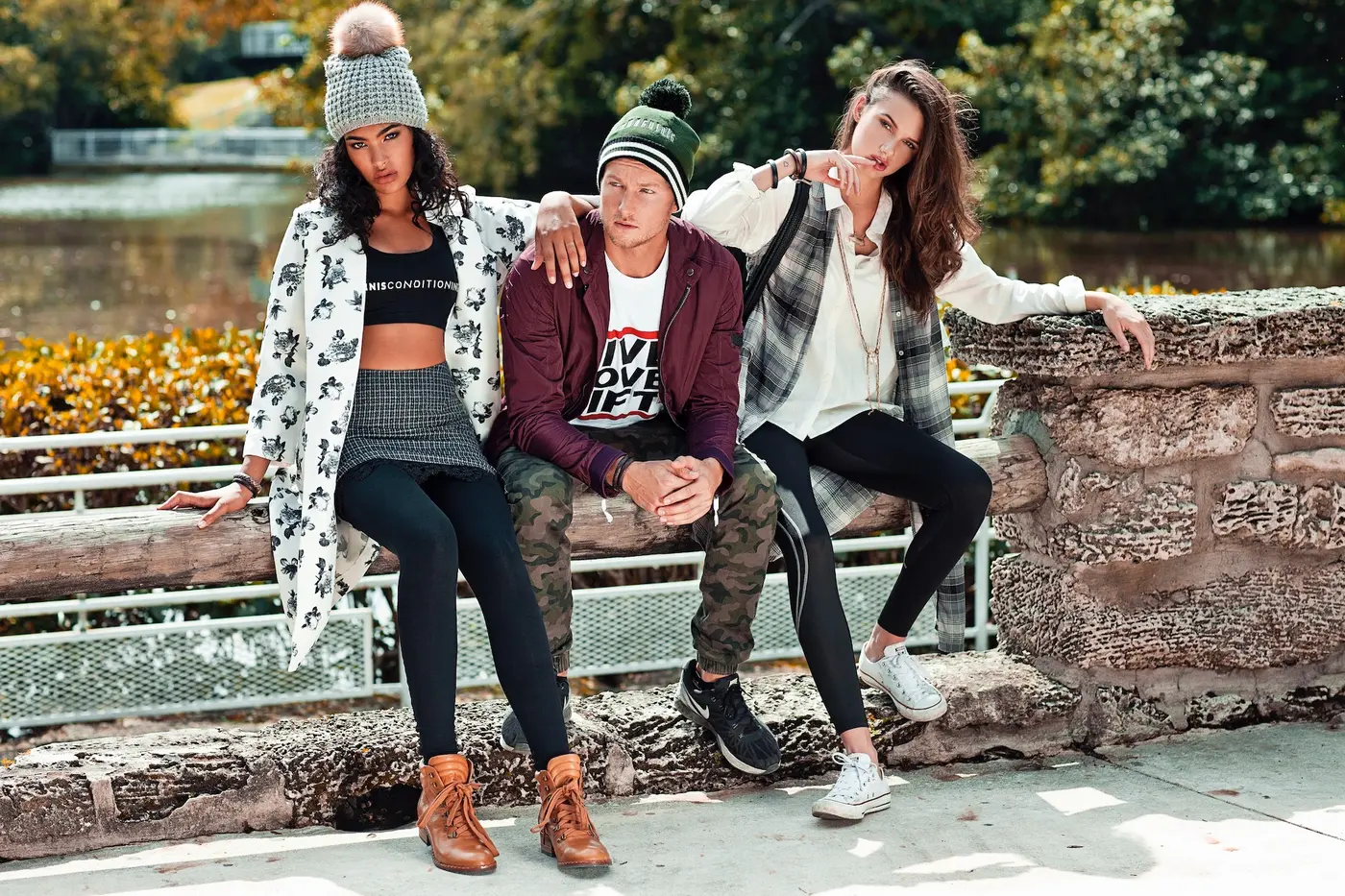
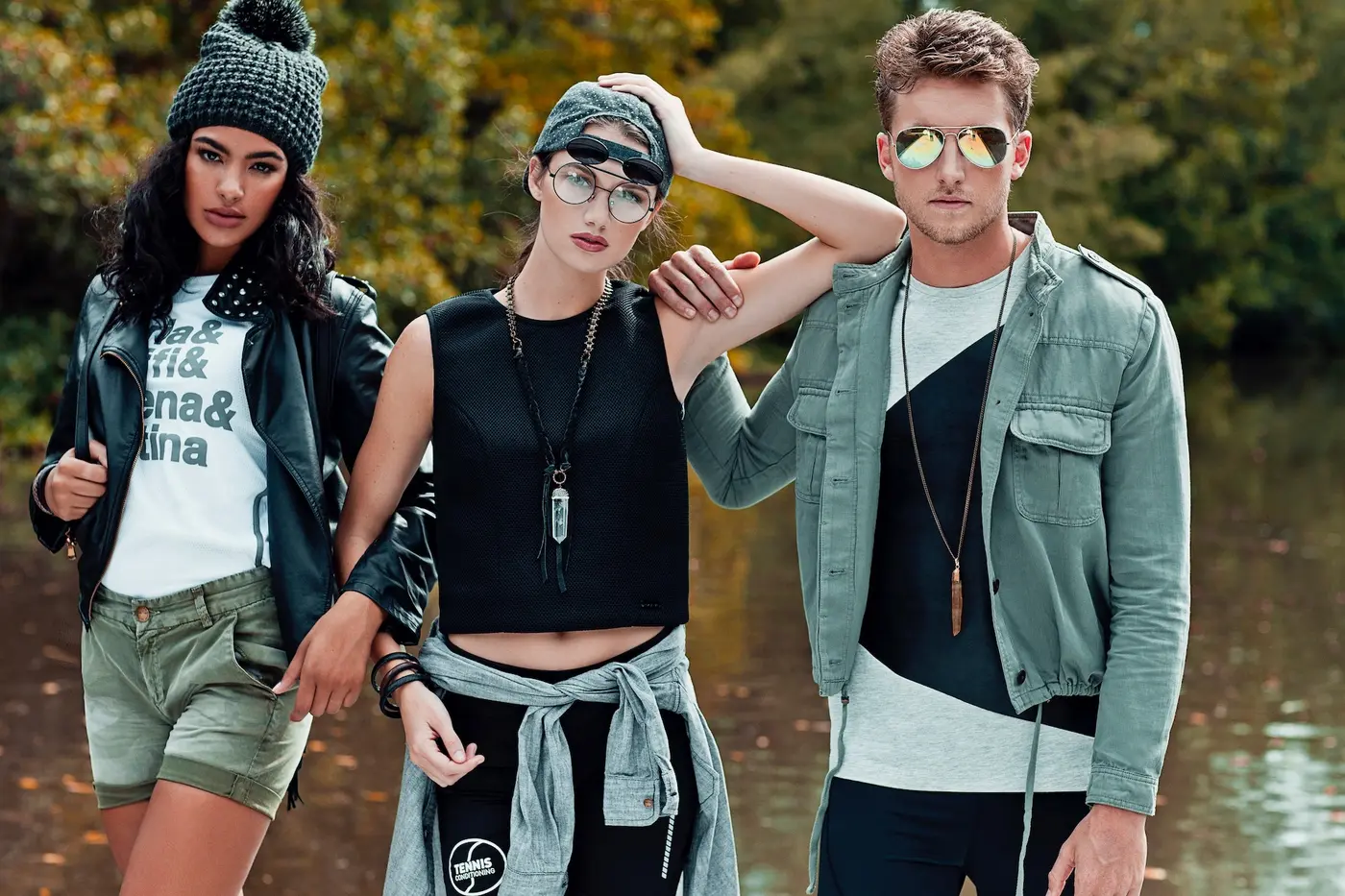
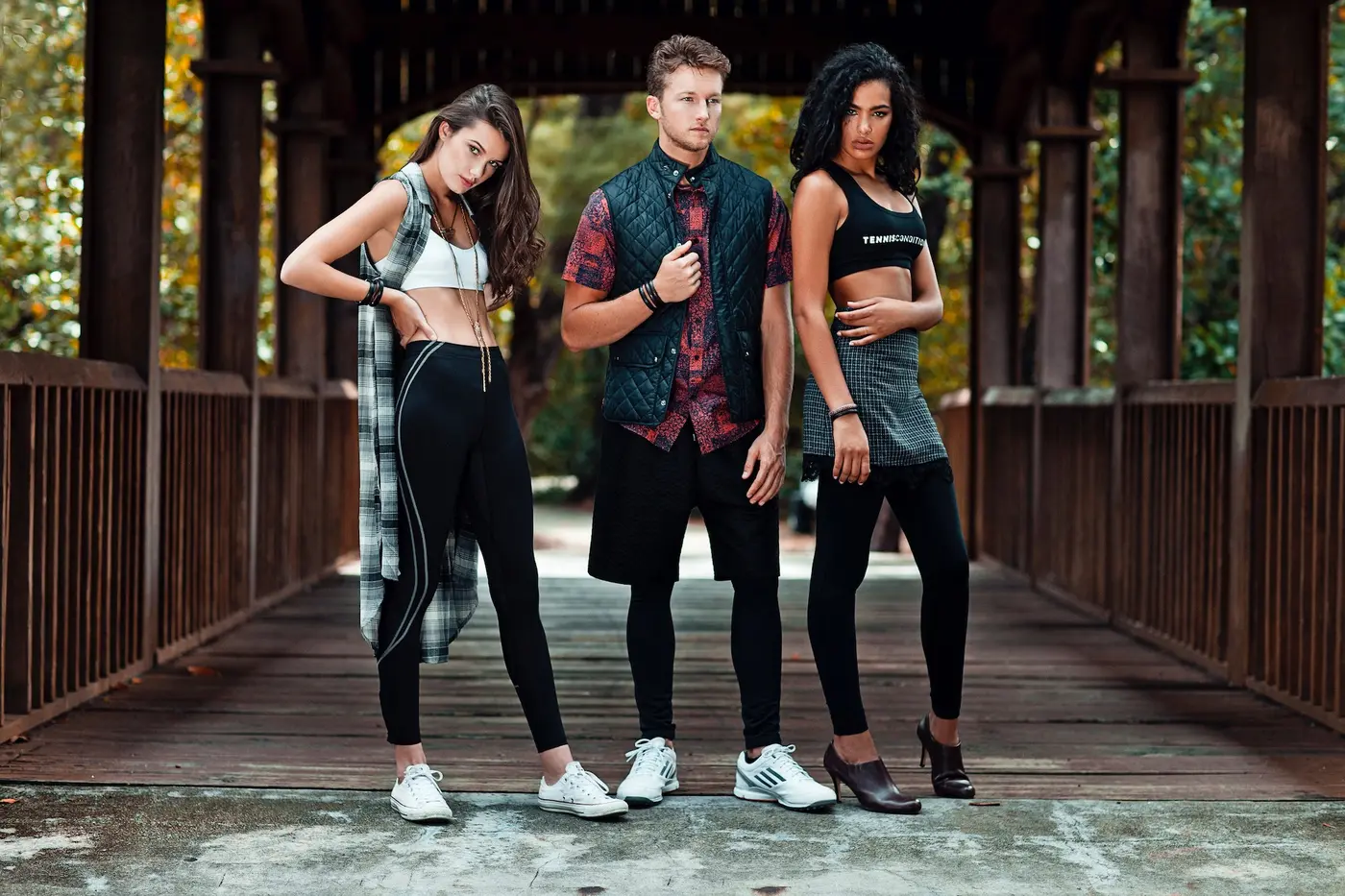
The location work expanded the campaign beyond the studio. Tennis courts, water, architectural structures and natural backgrounds gave the collection a broader lifestyle context. At the same time, rackets, sports bags and branded apparel kept the connection to performance visible.
Variation remained essential. Wider group images supported banners and category tiles. Medium frames balanced styling with product visibility. Vertical and tighter compositions brought the brand mark, garment construction and sports context closer to the viewer.
Brands can use the same logic when they plan a fashion campaign shoot: channel requirements should shape the shot list, crop strategy and production order before the shoot begins.
From Campaign Photograph to E-Commerce Homepage
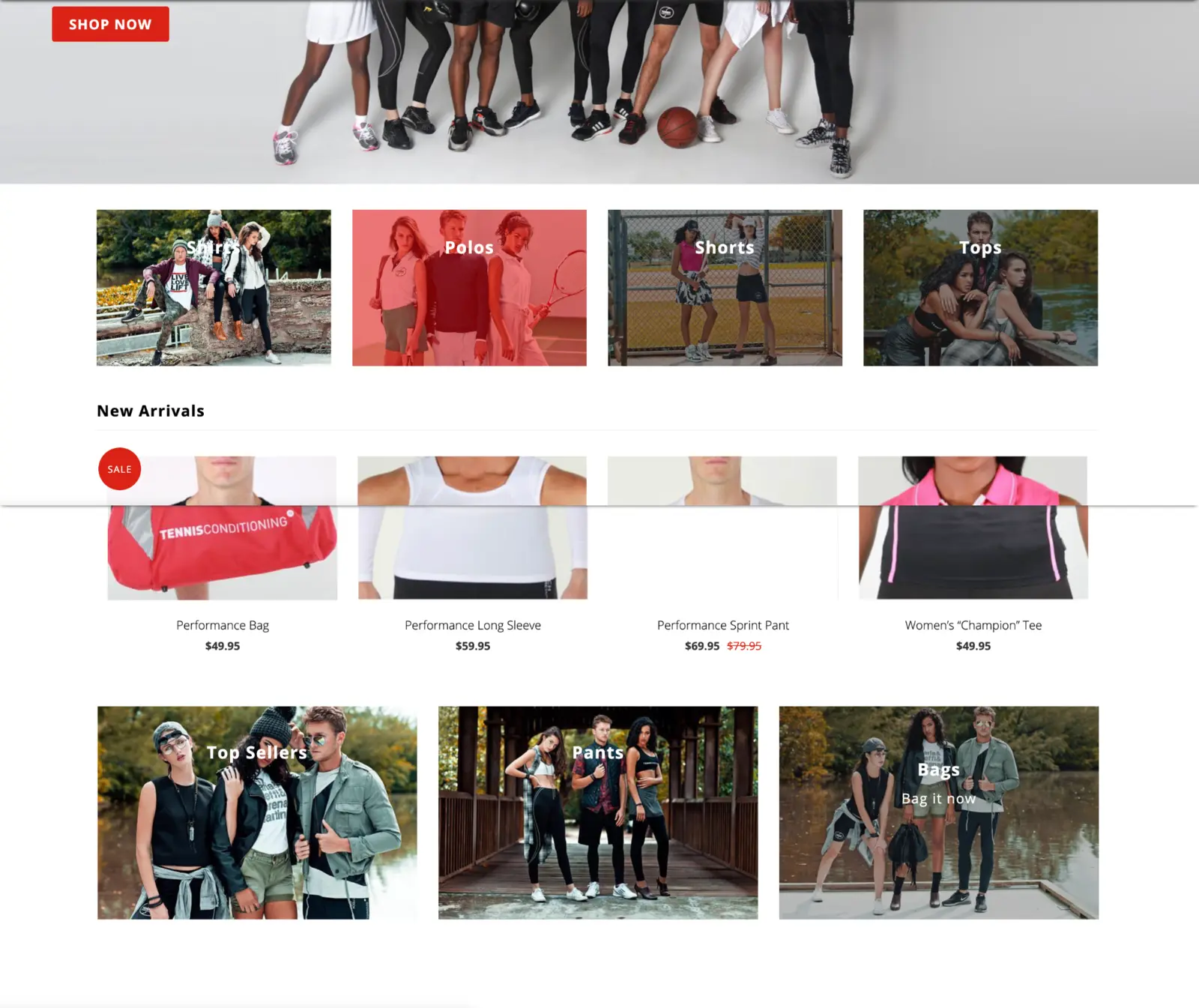
The strongest proof of commercial use appears in the archived StyleConditioning website. The wide studio cast photograph became the online shop’s homepage hero. It appeared beneath the main navigation with the message “Exercise Your Wardrobe” and a direct “Shop Now” call to action.
Therefore, the image did not remain a portfolio asset or decorative photograph. It became the first campaign visual customers encountered when entering the shop and helped connect brand positioning with commercial navigation.
From Lifestyle Photography to E-Commerce Navigation
The website also used photographs from the outdoor production as functional merchandising assets. Campaign images represented shirts, polos, shorts and tops. Additional compositions supported top sellers, pants and bags.
This distinction matters. The photographs were not confined to a gallery or editorial page. They became part of the online shop’s navigation system, helping customers move from brand storytelling toward product discovery.
How the One-Day Fashion Campaign Shoot Supports Each Channel
| Channel or function | Content requirement | Campaign solution |
|---|---|---|
| Homepage hero | Immediate brand positioning and shopping direction | Wide full-cast studio image with flexible banner proportions |
| Product categories | Recognizable lifestyle imagery for navigation | Outdoor group photographs with clear product and styling differences |
| Product launch | A connected story for the new collection | Studio heroes, tennis-led images and coordinated product variations |
| Advertising | Fast visual impact and creative alternatives | Wide, medium, tight and vertical options from the same visual system |
| Instagram and Facebook | Ongoing variety in mobile-friendly formats | Individual portraits, groups, product-led images and lifestyle scenes |
| Online merchandising | New-arrival and top-seller presentation | Campaign photographs adaptable to promotional modules and category crops |
The goal was not to publish the same photograph everywhere. Instead, the production created different images for different roles while maintaining a recognizable campaign identity.
The Results: Campaign Photography Became Marketing Infrastructure
The clearest result was the breadth of commercial application. The photography appeared prominently on the StyleConditioning homepage and across online-shop categories. It also created a varied source library suitable for collection launches, advertising and social publishing.
The campaign system provided:
- A high-impact homepage hero connected to a shopping call to action
- Lifestyle photography for product-category navigation
- Studio and location imagery within one connected visual language
- Horizontal assets for websites and advertising layouts
- Vertical product-led content for mobile and social channels
- Women’s, men’s and full-cast collection coverage
- Reusable imagery for launch and ongoing merchandising
Most importantly, the work demonstrates that production value is not defined only by image count. It is defined by how intentionally the assets cover the brand’s marketing ecosystem.
What Fashion Brands Can Learn From StyleConditioning
A one-day production can create substantial cross-channel value, but only when “one day” is the result of preparation rather than compression. The cast must be confirmed, styling must be organized, channel requirements must be mapped and the shot list must distinguish essential assets from optional ideas.
The stronger planning question is therefore not “How many photographs can we capture?” It is “What must this campaign help the brand accomplish, and which asset will perform each role?”
That shift turns photography from an isolated deliverable into owned media infrastructure. For a wider explanation, read Our Approach to Media-First Campaign Photography.
Production Credits
- Photographer and Strategic Planning: Phil Halfmann
- Photographer: Diana Santisteban
- Creative Director: Phil Halfmann
- Lead Wardrobe Stylist: Sophia Lenore
- Lead Hair & Makeup Artists: Sophia Lenore
- Models: Dave Hayes, Hailey Outland, Marissa Hopkins, Kristin Kerry, Nikki, Ruth, Festus, Aleksandra
Planning a Collection Across Ads, Website and Social Media?
Your campaign photography should support more than launch day. It should create a connected library for advertising, website content, product discovery and ongoing brand communication.
A Visual Audit identifies content gaps, channel requirements and opportunities to create more long-term value from your next production.
Alternatively, explore my fashion and beauty campaign photography services or discuss a campaign project.