
Fashion campaign shoot duration usually falls into three practical ranges: 3–5 hours for a focused half-day, 6–10 hours for a standard full production day, and multiple days for campaigns with several locations, a large cast, extensive product coverage or dedicated motion work. The correct estimate depends less on the number of final images than on how many setups, wardrobe changes, lighting resets, location moves and format variations the team must complete.
This guide helps brand, marketing and creative teams estimate the time needed on set. It focuses on production duration—not the complete launch calendar. For the broader sequence from strategy to deployment, use the Fashion Campaign Timeline.
Fashion Campaign Shoot Duration at a Glance
| Production format | Typical on-set window | Best suited to | Main constraint |
|---|---|---|---|
| Focused half-day | 3–5 hours | One model, one location and a narrow must-have list | Very little tolerance for resets or late decisions |
| Full production day | 6–10 hours | Several looks, multiple content types and planned format variation | Changeovers must be grouped and timed |
| Multi-day campaign | Two or more days | Multiple locations, large casts, complex sets or dedicated stills and motion | Continuity, logistics and budget increase with each day |
These are planning ranges, not promises. Talent agreements, local working rules, location access, travel, weather, product readiness and technical complexity can materially change the schedule. The uncomfortable truth is that an ambitious shot list does not become realistic simply because it fits on one page.
What Determines How Long a Fashion Campaign Shoot Takes?
The useful unit of planning is a setup: one distinct combination of lighting, background, camera position, product priority and talent direction. Final image count is a weak scheduling metric because one setup may create several usable frames and formats, while another may consume an hour before producing one campaign hero.
Priority setups and required variations
Start with the campaign’s must-have placements. A homepage hero, vertical paid-social frame, square product story and retailer image may require different compositions even when they feature the same look. Build the campaign asset map before estimating time so the schedule reflects real marketing requirements rather than a vague image target.
Wardrobe, product and grooming changes
Every look includes more than changing clothes. Garments may need steaming, pinning, accessory decisions, footwear changes and continuity checks. Hair and makeup changes can run in parallel only when the team, space and next look are ready. Otherwise, they sit directly on the critical path.
Lighting and set changes
A small camera adjustment is not the same as rebuilding a lighting environment or changing the set. Separate minor refinements from material resets. If every look needs a new background, lighting language and prop arrangement, the day should be estimated as multiple setups—not one location.
Locations and company moves
A second location adds packing, travel, parking, access, load-in, safety checks and technical reset time. A ten-minute drive rarely costs only ten minutes. When the creative idea depends on several locations, a multi-day plan may protect both image quality and crew performance better than a compressed route.
Stills and motion
Short-form video is not automatically a few extra clips. Motion may require different lighting, sound control, movement direction, repeated takes and additional framing. A hybrid day works when motion requirements are defined and grouped. A campaign with substantial video should use a dedicated unit or additional production time.
Estimate the Shoot by Time Budget, Not Image Count
A practical estimate adds the time required for capture, transitions and fixed production activity, then applies contingency:
Recommended schedule = capture setups + wardrobe changes + lighting or set changes + grooming changes + location moves + stills/motion handoffs + crew setup, breaks and wrap + contingency.
Use estimates the team can challenge. For example, if six priority setups need 25 minutes each, five looks require four 18-minute changes, two lighting resets need 20 minutes each, one grooming change needs 25 minutes, two stills/motion handoffs need 10 minutes each, and fixed activity requires 135 minutes, the working subtotal is 442 minutes. A 15% contingency produces a recommended schedule of approximately 8.5 hours.
That calculation reveals the trade-off before production: add more setups, reduce variation, strengthen the crew, simplify transitions or split the work. It is more honest than assuming the team will “move faster” once the day begins.
Download the Fashion Campaign Shoot-Day Time Budget
Use the editable calculator to estimate setups, wardrobe changes, lighting resets, grooming changes, location moves, stills/motion handoffs, fixed production time and contingency.
Download the Excel calculator →
The result is a planning baseline, not a contractual schedule. Validate it with the photographer, producer, stylist and motion team.
When a Half-Day Fashion Campaign Shoot Is Realistic
A 3–5-hour production can work when the scope is deliberately narrow:
- one prepared location or studio set;
- one model and a compact team;
- two to four looks;
- three to five priority setups;
- limited lighting changes;
- no company move;
- light or no motion capture;
- one decision-maker available on set.
A half-day becomes fragile when the brand treats it as a discounted full day. There is little room for missing samples, unresolved styling, late talent or a stakeholder who changes the concept after the first setup. If the must-have list exceeds the time available, reduce scope before the call sheet is issued.
When to Plan a Full Production Day
A 6–10-hour day is appropriate when the campaign needs several looks and a broader asset library but can still operate within one controlled production plan. This commonly includes hero imagery, product-focused frames, vertical and horizontal compositions, organic social, selected paid-media variations and a defined amount of motion.
The day should still include a hard priority order. Label each setup as must-have, should-have or optional. If production falls behind, optional ideas disappear first; the campaign’s commercial coverage does not. The Photography Shot List Template helps connect each capture to its intended channel and priority.
Do not schedule at 100% theoretical capacity. A full day needs space for lighting refinements, garment fixes, data checks, breaks and creative review. Without contingency, a schedule is already late before the first delay occurs.
When the Campaign Should Be Split Across Multiple Days
Plan multiple days when the production includes several locations, a large cast, extensive product families, major set builds, meaningful stills and motion requirements, restricted access windows or technically demanding concepts. Splitting the schedule can also be more economical than paying a large team to wait through sequential changes.
Multiple days introduce continuity risks. Styling records, grooming references, product condition, lighting diagrams, camera settings and approved selects must be documented. The second day should not depend on memory. A strong fashion campaign call sheet and one accountable producer keep the handoff controlled.
Why Photo and Video Often Expand the Schedule
Brands often ask one team to capture stills, vertical video, behind-the-scenes material and ad variations during the same window. That can be efficient—but only if the asset requirements are specific.
Decide which setups need motion, whether stills and video can work in parallel, who directs performance, whether sound matters, and how many takes are required. Also confirm paid-media usage before production; format and licensing decisions affect talent, deliverables and budget. The Licensing & Usage guide explains how reach, duration and media affect value.
A Realistic Eight-Hour Fashion Shoot Schedule
The following is an example, not a universal template. It assumes one prepared studio location, one model, five looks and grouped lighting changes.
| Time | Activity | Control point |
|---|---|---|
| 08:00–08:45 | Crew call, equipment and set preparation | Products, first look and capture system confirmed |
| 08:45–10:30 | Looks 1–2 and priority setups | Hero and time-sensitive product coverage completed first |
| 10:30–10:50 | Lighting or set reset | Next product group and orientation requirements checked |
| 10:50–12:30 | Looks 3–4, stills and selected motion | Must-have vertical and horizontal frames verified |
| 12:30–13:15 | Meal break and grooming reset | Digital files backed up; remaining coverage reviewed |
| 13:15–15:15 | Look 5, product details and variations | Should-have assets completed after all essentials |
| 15:15–16:00 | Pickups, final verification and wrap | Missing essential coverage identified before talent release |
The schedule protects verification time because discovering a missing must-have frame while the model, garments and set are present is far cheaper than arranging a reshoot.
Production Duration Is Not the Same as Delivery Time
A one-day shoot does not mean next-day final assets. After capture, the workflow may include proof preparation, client selections, consolidated feedback, retouching, color review, format exports, metadata, file delivery and marketing handoff.
Agree on selection responsibility, review windows, included revisions and launch-critical early deliveries before production. If the brand needs a hero image urgently, identify it as a controlled priority rather than demanding that the entire library be rushed.
For a complete planning system—from commercial brief through launch and measurement—follow the nine-step fashion campaign planning process. If you are deciding what the photographer should own versus what remains with the brand, read what to expect from a fashion campaign photographer.
How to Prevent a Fashion Shoot From Running Late
- Approve one written brief. The fashion campaign brief should define the objective, audience, products, channels, usage and decision owners.
- Build the asset map before the shot list. Formats and placements change what must be captured.
- Confirm products before call time. Missing, damaged or unprepared samples can stop several departments at once.
- Group compatible setups. Organize by lighting, set, product and grooming logic—not merely by the order in which ideas were added.
- Give one person approval authority. Contradictory on-set feedback converts paid production time into debate.
- Track essentials throughout the day. Do not wait until wrap to compare the captures with the must-have list.
- Protect contingency. Treat the buffer as risk capacity, not as space for unapproved additions.
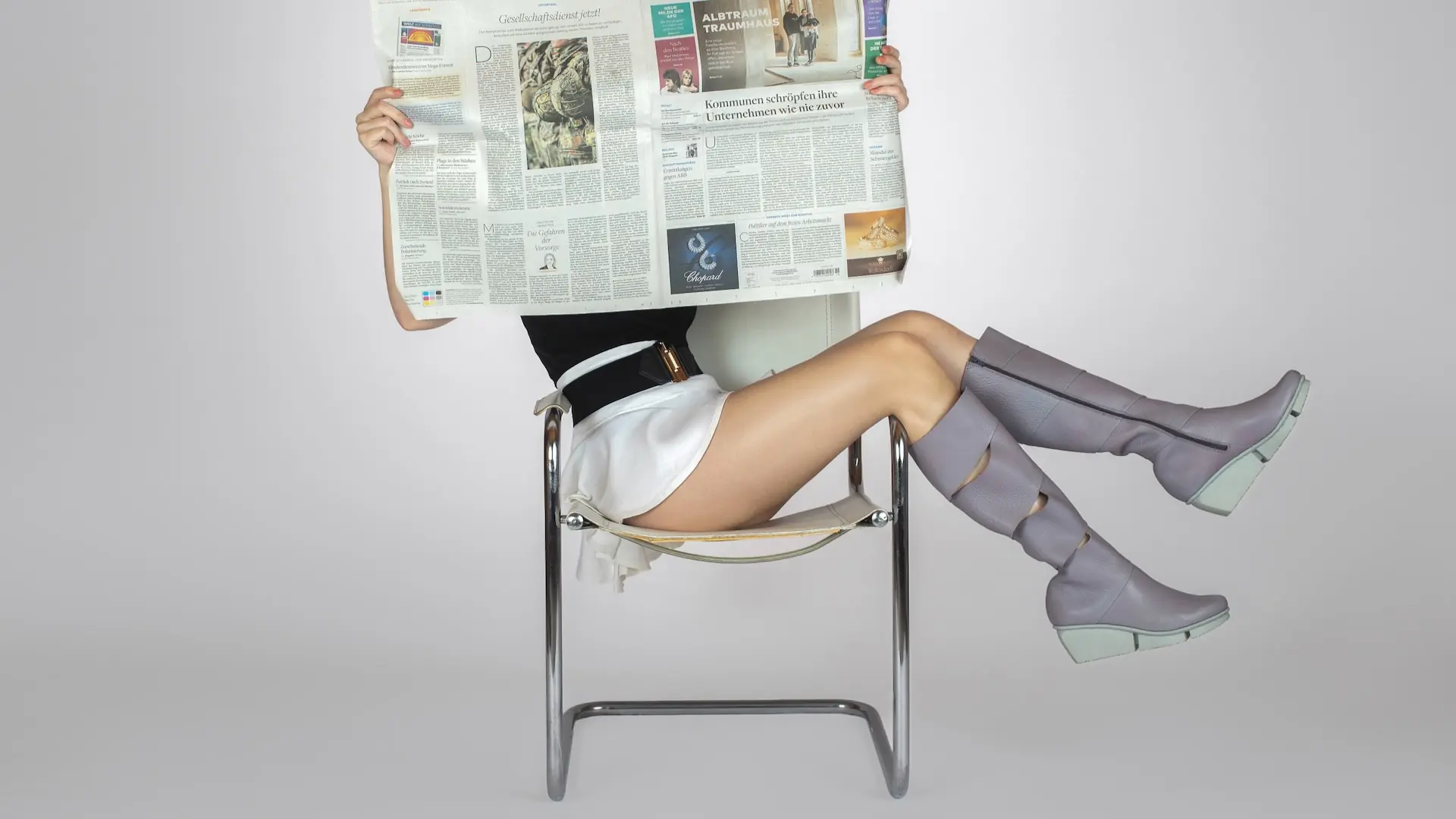
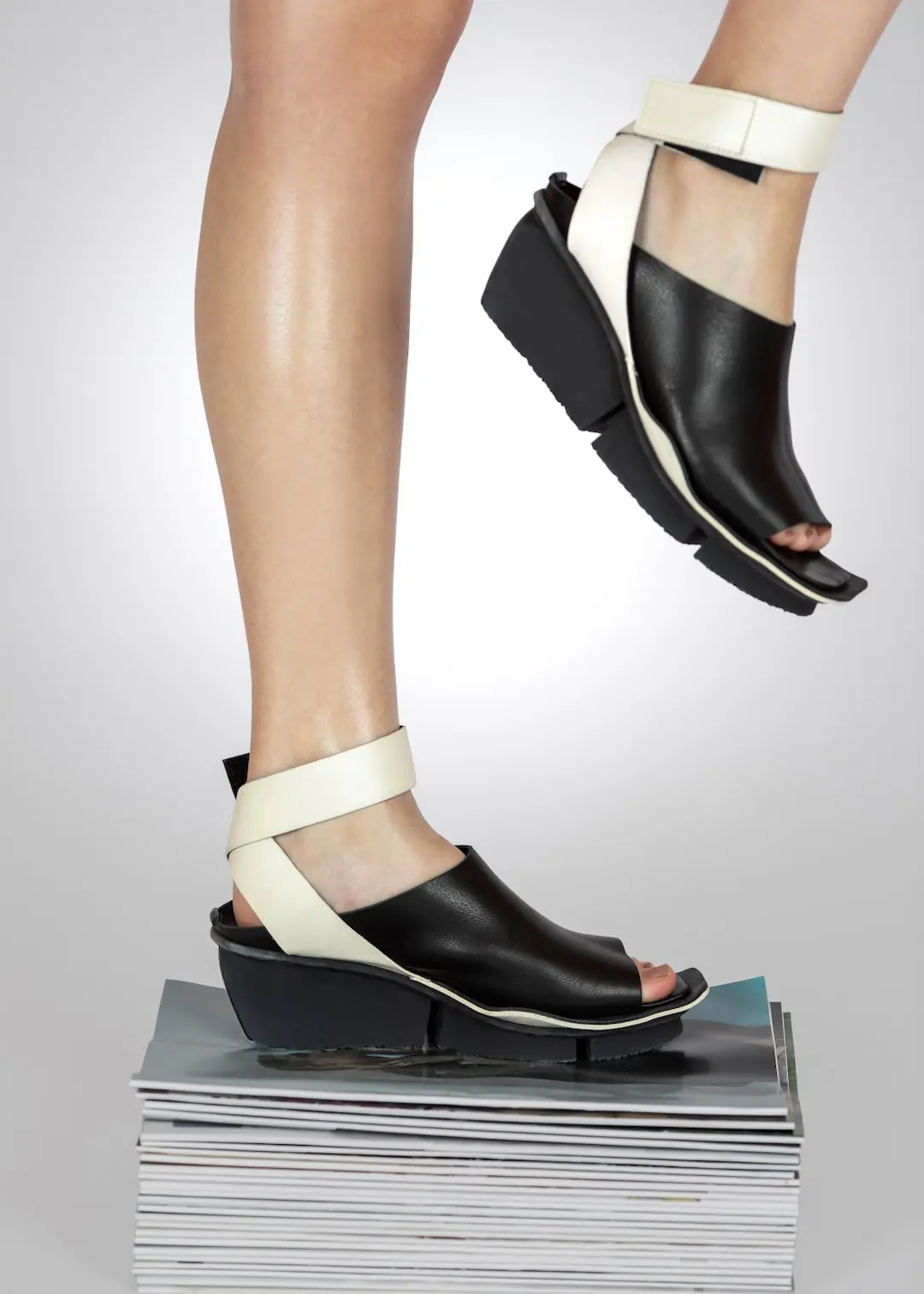
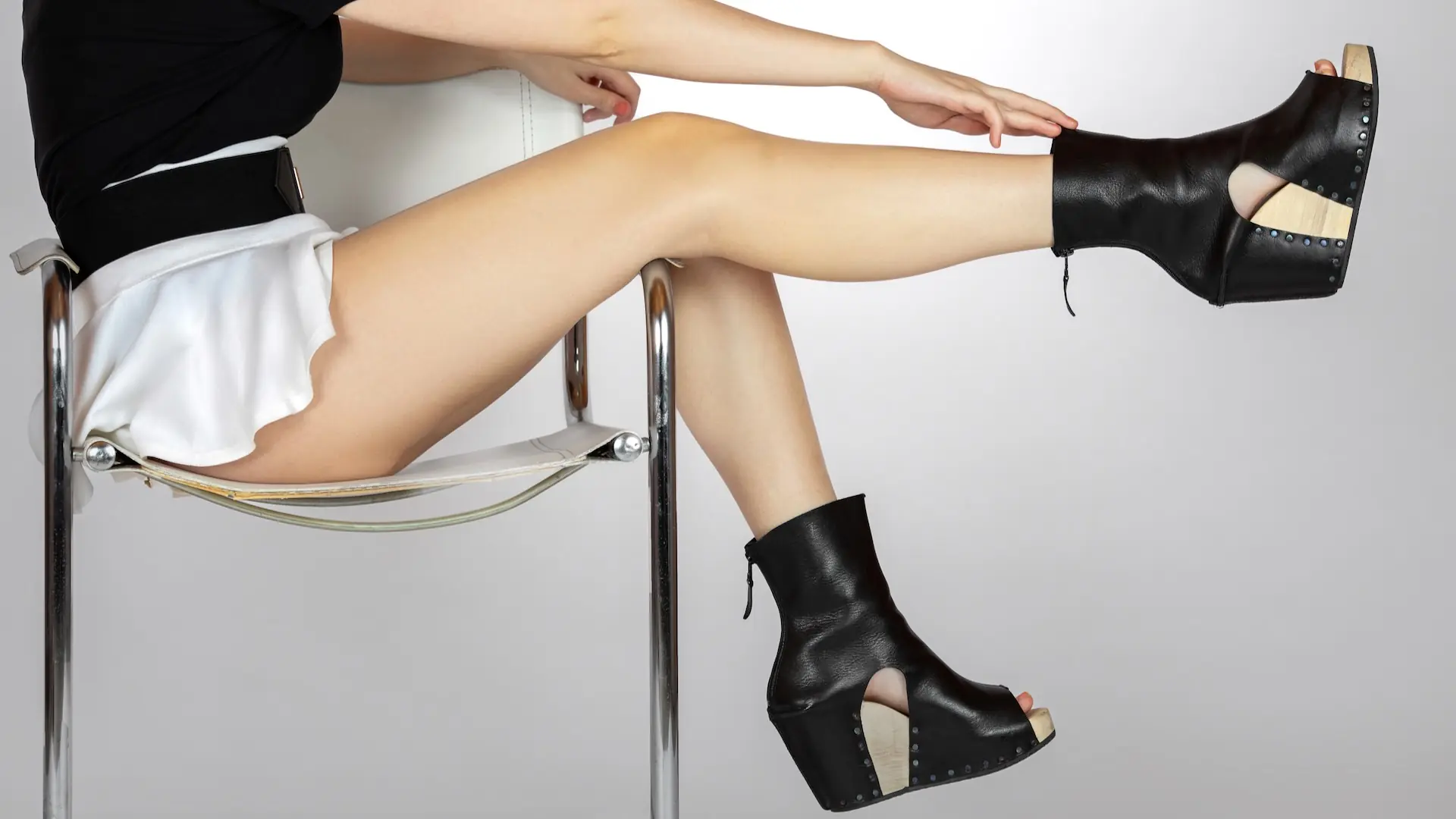
The Trippen Shoes case study shows how planned props, product hierarchy, compositional variation and a restrained visual system translated into a coherent campaign rather than disconnected images.
Frequently Asked Questions
How long does a fashion campaign shoot take on set?
A focused production often takes 3–5 hours. A standard campaign usually needs 6–10 hours. Multiple locations, a large cast, complex sets, extensive products or dedicated motion commonly require two or more days.
How many looks can a fashion campaign photograph in one day?
There is no responsible universal number. Five prepared looks with compatible setups may fit comfortably, while three looks with major grooming, lighting and location changes may consume the same day. Estimate changeovers and setups, not looks in isolation.
Can photography and video be captured on the same day?
Yes, when the motion scope is defined and compatible with the stills plan. Dedicated video direction, sound, repeated takes or materially different lighting usually requires more time or a parallel unit.
Should a fashion shoot be planned by final image count?
No. Final image count does not reveal the time required to create distinct setups, products, orientations or motion. Plan required source captures and transitions first, then estimate final files.
How much contingency should the shoot schedule include?
Ten to fifteen percent is a useful starting range for a controlled studio production. Weather, travel, sample uncertainty, location access or complex approvals may require more. Contingency should reflect actual risks rather than a universal percentage.
How far before launch should the shoot happen?
Many standard campaigns benefit from production two to four weeks before launch so selections, retouching, approvals and channel setup have room. Use the broader Fashion Campaign Timeline to work backward from the launch date.
Final Perspective
A realistic fashion campaign shoot duration protects more than punctuality. It protects the product, the team’s judgment, the must-have asset list and the marketing investment behind the production.
The decisive question is not “How many images can we force into one day?” It is “How much approved, usable coverage can this team create without sacrificing the campaign’s priorities?”
Pressure-test the production before the shoot
The Free Visual Audit is a 30-minute working session—not a generic sales call. We can review where your current brief, asset map or production schedule may create gaps before budget is committed.