
What should a brand expect from a fashion campaign photographer? The short answer is more than photography. A strong campaign photographer helps translate a commercial objective into a clear visual approach, prepares the production around real channel requirements, directs the work on set and delivers properly finished assets with defined usage rights.
However, the exact responsibilities are not universal. Some photographers lead creative direction and production; others are commissioned only to execute an approved concept. Therefore, the proposal, brief and production schedule must state who owns each decision. A polished portfolio cannot replace a clearly defined scope.
This guide explains what fashion brands should expect before, during and after a campaign shoot—and what should never be assumed without written confirmation.
The Core Expectation
A fashion campaign photographer should connect four things: brand strategy, creative direction, production execution and asset usability. The result should not be a random collection of attractive photographs. It should be a coherent set of licensed assets that the brand can deploy across the agreed channels, formats and campaign window.
What Is a Fashion Campaign Photographer Responsible For?
A fashion campaign photographer is responsible for converting an approved campaign direction into still imagery that communicates the brand, represents the product accurately and works within the production plan. That typically includes decisions about lighting, composition, lens choice, model direction, product visibility, visual continuity and technical image quality.
Depending on the commission, the photographer may also contribute to campaign strategy, concept development, casting, location selection, shot-list design, crew recommendations, image selection and delivery planning. Those services create significant value, but they are not automatically included in every photography fee.
The distinction matters because a photographer, creative director, producer and art director can be separate people. On smaller productions, one person may perform several functions. On larger campaigns, responsibility is distributed across specialists. Review the fashion campaign production roles before assigning ownership.
| Usually expected | Must be confirmed in the scope |
|---|---|
| Photography execution | Full creative direction |
| Lighting and composition | Production management and vendor booking |
| Model direction for stills | Casting, styling and location procurement |
| Technical capture and file integrity | Video direction or dedicated motion production |
| Agreed image selection and post-production | Paid-media variations, extensive compositing or unlimited revisions |
| Delivery under defined terms | Paid advertising, print, packaging or extended licensing |
Unspoken truth: when a proposal is vague, the brand and photographer often imagine different projects. The brand assumes strategic and production support; the photographer prices only shoot execution. Clarifying responsibility before approval is more valuable than resolving disappointment afterward.
1. Expect Discovery Before Creative Decisions
The first useful conversation should not begin with camera equipment or a moodboard. It should begin with the business context. The photographer needs enough information to understand what the campaign must communicate and where the resulting assets must work.
A productive discovery process usually addresses:
- the product, collection or launch;
- the target audience and desired perception;
- the campaign message and primary call to action;
- the launch date and production deadline;
- the channels that need content;
- the required still and motion formats;
- the decision-makers and approval process;
- the intended usage, territory and duration; and
- the available production investment.
If those questions are missing, visual decisions are being made without the information required to judge them. Use the fashion campaign planning process to organize the brief before production becomes expensive.
2. Expect a Defined Pre-Production Process
Pre-production turns an idea into an executable plan. The photographer should either lead the relevant steps or work from materials approved by the brand and creative team. In both cases, there should be one documented source of truth.
Depending on scope, pre-production may include:
- creative references and moodboard development;
- lighting and composition tests;
- model casting and fittings;
- wardrobe, product and styling coordination;
- location or studio selection;
- shot-list and asset-map development;
- production scheduling and call sheets;
- crew, equipment and contingency planning; and
- concept, budget and deliverable approvals.
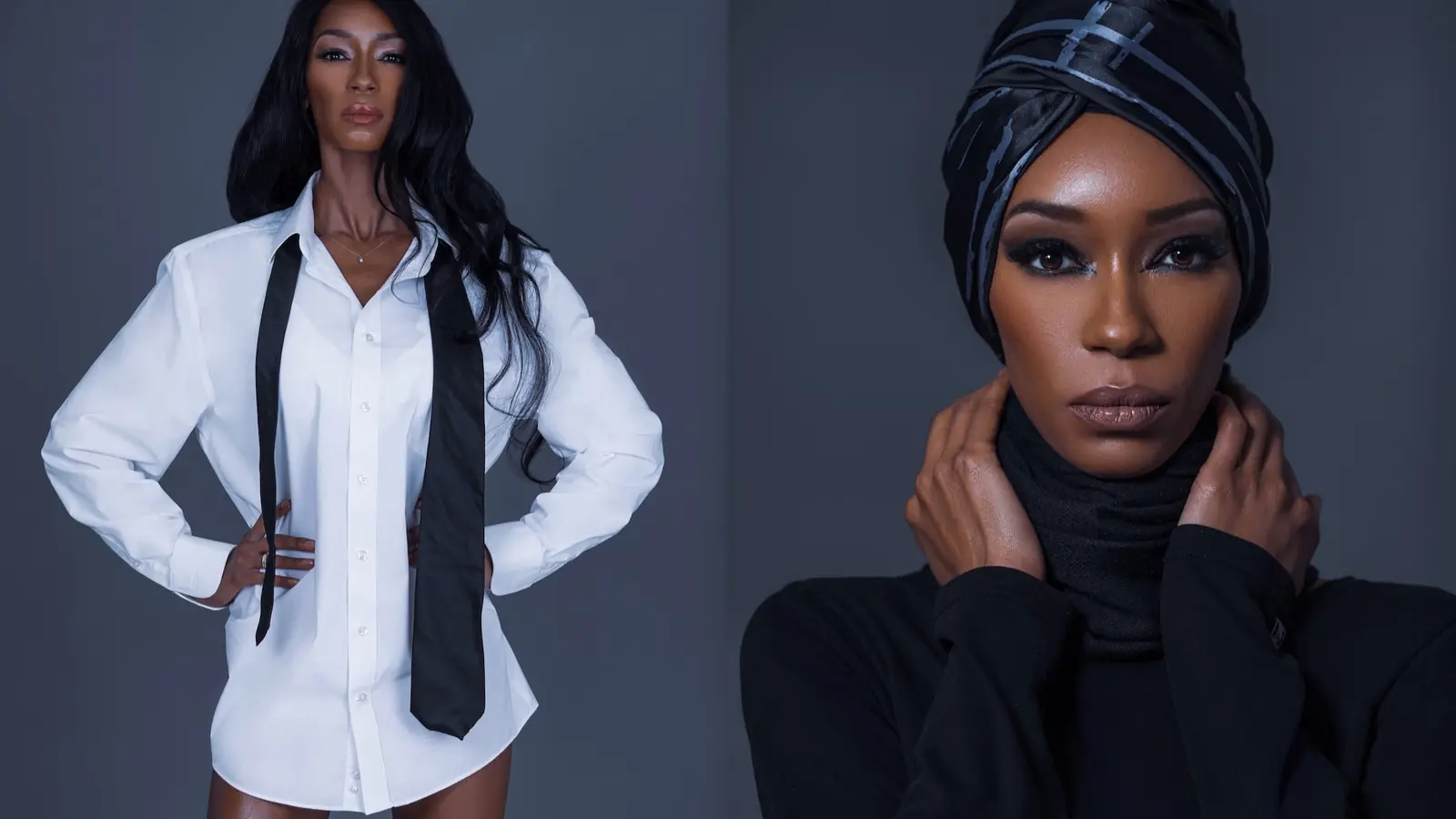
A campaign should not move into production while fundamental questions remain open. A documented fashion campaign approval workflow prevents the concept, casting, deliverables and retouching direction from being reopened at the wrong stage.
3. Expect Deliverables to Be Planned by Use—not Only by Image Count
“Forty final images” is not a complete deliverable specification. Forty vertical portraits cannot replace a homepage banner, and one hero image cannot support weeks of paid-media testing. Before the shoot, the photographer and brand should map content to placements.
A useful deliverable plan identifies:
- hero images for the main campaign idea;
- horizontal compositions for website banners and retail displays;
- vertical frames for stories, reels covers and mobile ads;
- square and flexible crops for social and performance media;
- product-visible images that support consideration and conversion;
- detail images for materials, construction and styling;
- negative space for copy and calls to action;
- sequences for carousels, email and campaign storytelling;
- short-form motion or behind-the-scenes clips when required; and
- file specifications for web, print, PR and archival use.
The Campaign Planning Toolkit is the most relevant downloadable resource for this stage. It already includes the Fashion Campaign Planning Guide, shot-list architecture, format planning and licensing considerations, so a second overlapping checklist would add clutter rather than value.
Plan the Campaign Before the Shoot
Use the free Campaign Planning Toolkit to map creative direction, channel formats, shot priorities and usage requirements before production.
4. Expect Licensing to Be Discussed Before Production
The production fee and the image license answer different questions. The production fee covers the work and resources required to create the campaign. The license defines where, how long, in which territories and through which media the resulting images may be used.
At minimum, the agreement should clarify:
- brand-owned website and e-commerce use;
- organic social and email use;
- paid social, display and other advertising;
- PR, retailer and third-party use;
- print, packaging and out-of-home placements;
- license duration and territory;
- exclusivity or category restrictions;
- renewal and extension terms; and
- whether partners may receive or sublicense files.
Paid advertising should never be inferred from the words “digital use.” Confirm it explicitly. The photography licensing and usage guide explains how reach, duration, visibility and media scale affect commercial value.
5. Expect On-Set Leadership and Controlled Adaptation
Production day is where the approved idea meets real conditions. A capable photographer protects the campaign direction while responding to changes in timing, fit, light, weather, talent performance and product availability.
On set, the photographer should:
- translate the approved visual language into lighting and composition;
- direct models in a way that supports both garment and campaign meaning;
- maintain continuity across looks, sets and image groups;
- protect priority deliverables before optional experiments;
- check product presentation, crop safety and negative space;
- coordinate with styling, hair, makeup, production and digital teams;
- flag deviations that affect budget, schedule or usage; and
- adapt without turning the campaign into a different idea.
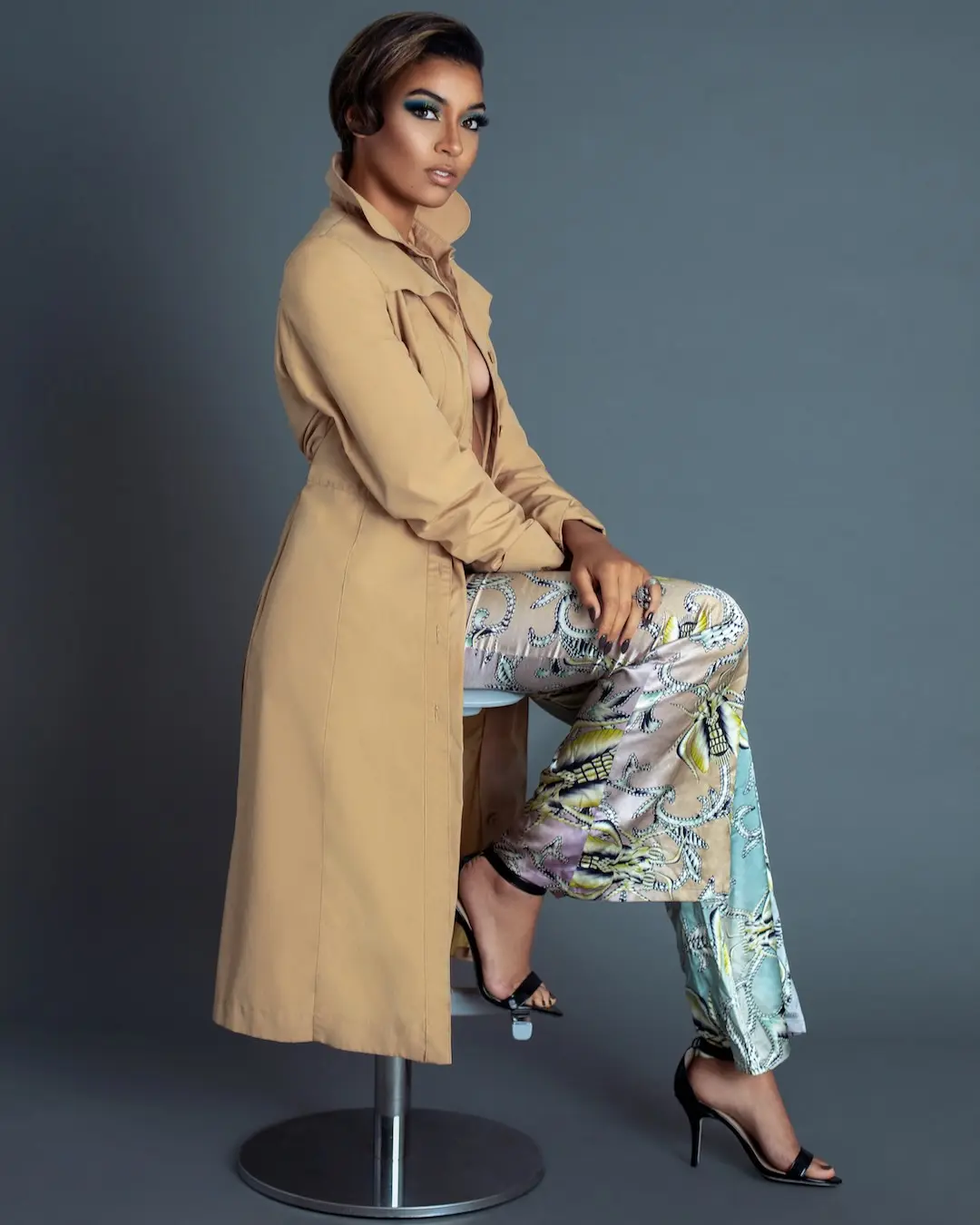
Brands should also expect an operational plan. A clear fashion campaign call sheet gives every contributor the correct time, location, contacts, schedule and responsibilities.
6. Expect a Transparent Post-Production and Approval Process
The work does not end when the shoot wraps. Selection, color, retouching, file preparation and delivery determine whether the captured material becomes a usable campaign system.
The proposal should define:
- who makes the initial selection;
- whether the brand receives a proof gallery;
- the number of finished images or asset variations;
- the retouching standard and what counts as additional work;
- the number of feedback rounds;
- who consolidates stakeholder comments;
- the expected turnaround time;
- the color space, resolution and file formats;
- the naming and folder structure; and
- the delivery, archive and backup period.
“High-resolution files” alone is not a delivery plan. Marketing may need web-ready derivatives, paid-media crops, clean masters, campaign selects and a rights record. Confirm what will actually arrive and who prepares each version.
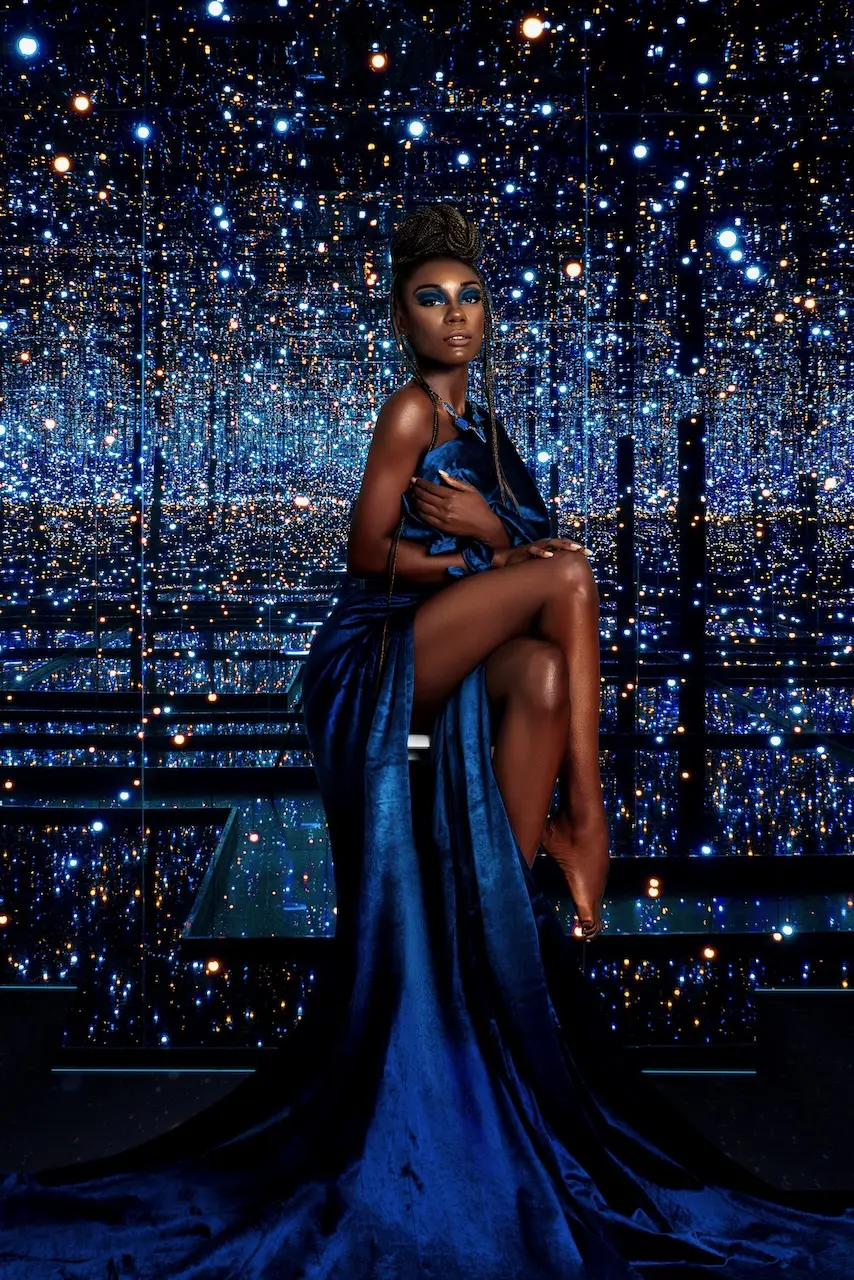
7. Expect the Final Delivery to Be Usable by the Wider Team
A strong delivery should reduce work for marketing, e-commerce, PR and paid-media teams. Files should be easy to identify, matched to the agreed channels and accompanied by enough information to prevent incorrect use.
Depending on the project, delivery may include campaign masters, web exports, approved crops, short-form clips, a contact sheet, usage notes and an asset index. The team should know which files are approved, where they can be used and when the license expires.
This is also where a one-off shoot can become part of a larger content system. For brands that market continuously, an ongoing fashion content partnership can align production with launches, paid-media demand and seasonal content needs instead of restarting from zero each time.
What the Photographer Should Expect From the Brand
A successful campaign is a shared responsibility. Even an excellent photographer cannot compensate for missing products, unresolved brand decisions, contradictory feedback or late approvals without affecting the result.
The brand should provide:
- a clear business objective and target audience;
- accurate product information and campaign priorities;
- approved brand guidelines and relevant past work;
- one accountable decision-maker;
- consolidated feedback by agreed deadlines;
- production-ready samples in the correct sizes and condition;
- legal, claim and product-compliance guidance where relevant;
- confirmed usage requirements; and
- realistic time and budget for the approved scope.
The strongest relationship is not “client orders, photographer shoots.” It is a structured collaboration in which the brand supplies commercial clarity and the photographer turns that clarity into a visual system.
Red Flags When Hiring a Fashion Campaign Photographer
Beautiful work is necessary, but it is not sufficient. Watch for these warning signs:
- No questions about usage: the photographer cannot plan formats or price licensing accurately without knowing where the images will appear.
- No written deliverable list: “a gallery of edited images” leaves quantity, formats and retouching undefined.
- No approval structure: uncontrolled feedback creates delays, duplicated retouching and subjective revision loops.
- No distinction between production and licensing: unclear rights can block media use after the work is delivered.
- No contingency plan: locations, weather, talent, products and equipment can all fail.
- Portfolio style without product relevance: a visually impressive image may still hide the garment, distort color or leave no usable crop.
- Promises of every service without specialist support: still photography, complex motion, production, styling and post-production require different capabilities.
Questions to Ask Before You Sign
- Which parts of strategy, creative direction and production are included?
- Who is responsible for casting, styling, locations, permits and crew?
- How will deliverables be mapped to channels and formats?
- How many finished images and variations are included?
- Who selects the images, and how many approval rounds are included?
- What retouching is included, and what triggers additional fees?
- Which usage rights are included for organic, paid, print, retail and PR?
- What happens if scope, production time or deliverables change?
- What is the contingency plan for delays or unavailable products?
- How will files be named, delivered and archived?
For budget context, read what a fashion campaign shoot costs. Compare proposals by scope, team, deliverables and rights—not by day rate or image count alone.
One-Off Campaign or Ongoing Partnership?
A one-off campaign is appropriate when the brand has a defined launch, clear deliverables and limited ongoing demand. An ongoing partnership becomes more efficient when the brand needs fresh creative for paid media, regular product releases, seasonal campaigns or consistent content across several channels.
The decision should be driven by the marketing calendar, not by a preference for more shoots. A retainer without a content system simply repeats production. A good partnership creates continuity in planning, visual language, licensing, delivery and review. For the broader strategic distinction, see how a fashion campaign photographer improves campaign performance.
Frequently Asked Questions
Does a fashion campaign photographer create the campaign concept?
Sometimes. A photographer may provide creative direction and concept development, collaborate with an agency or execute a concept supplied by the brand. The proposal should name the creative owner and describe the photographer’s role.
Should the photographer organize the entire production?
Not automatically. Some photographers offer photographer-led production, while larger campaigns use a dedicated producer. Casting, crew booking, locations, permits, insurance and logistics must be assigned explicitly.
How many images should a fashion campaign photographer deliver?
There is no reliable universal number. The correct volume depends on the channel plan, campaign duration, product count, number of looks, retouching requirements and production time. Define the necessary asset families before setting the final count.
Are paid advertising rights included?
Only when the agreement says so. Paid media changes the commercial reach and value of the images, so the license should identify platforms, duration, territory and any renewal terms.
Should brands receive RAW files?
Usually not. RAW captures are unfinished production files, not final campaign assets. The agreement should specify delivered file types, resolution, color profile and whether layered or unretouched files are available for a defined workflow.
Can one campaign shoot supply website, social and paid-media content?
Yes, if those placements are planned before production. The shot list must account for composition, crop, product visibility, copy space, sequence and format. Reformatting one hero image afterward is not the same as producing a multi-channel asset library.
How early should a fashion brand contact a campaign photographer?
As early as possible once the launch objective and approximate timeline are known. Lead time is needed for scope, concept, crew, casting, samples, locations, approvals and post-production. Complex campaigns require more preparation than a focused studio shoot.
What Brands Should Ultimately Expect
Brands should expect clarity before creativity becomes expensive. A strong fashion campaign photographer helps define the visual task, prepares the production around actual use, leads the still-image execution and delivers assets that the wider marketing team can deploy with confidence.
The photographer should not be expected to absorb undefined roles, unlimited revisions or unlicensed usage. Conversely, the brand should not have to guess what is included. The best campaign relationship makes scope, responsibility, approvals, deliverables and rights visible from the beginning.
Planning a Fashion Campaign?
Start with a project inquiry if your collection, launch or production date is already defined. If your team first needs clarity on content gaps, channel requirements or campaign readiness, book a complimentary Visual Audit.
Discuss Your Campaign or Book a Visual Audit →
Explore fashion and beauty campaign photography services or review selected campaign photography case studies.