Beauty product photography campaigns are no longer just about showcasing products. They are essential to how a brand is perceived, remembered, and chosen. In a highly competitive beauty market, brands that invest in structured, high-end campaigns consistently outperform those relying on isolated visuals.

Therefore, the real value lies not only in the images themselves, but in how strategically they are created and used.

What Will You Learn About Beauty Product Photography Campaigns?

Topics Covered

What Is A Beauty Product Photography Campaign?

A beauty product photography campaign is a strategically planned collection of product-focused images and videos created to support the marketing, advertising, and sales objectives of a beauty brand.

Unlike a simple product photoshoot that focuses on documenting a product, a beauty product photography campaign is designed to help customers discover, understand, trust, and purchase a product across multiple marketing channels.

The goal is not simply to photograph a beauty product.

The goal is to create a complete library of marketing assets that can be used throughout a product launch, advertising campaign, retail partnership, or ongoing content strategy.

What Is The Purpose Of A Beauty Product Photography Campaign?

The primary purpose is to create content that supports business growth. A successful beauty product photography campaign helps brands:

  • Increase product sales
  • Improve conversion rates
  • Support paid advertising
  • Launch new products
  • Build brand trust
  • Improve website performance
  • Create social media content
  • Support retailer relationships
  • Generate PR opportunities

Instead of creating a few images, the campaign creates an entire visual ecosystem around the product.

What Is Included In A Beauty Product Photography Campaign?

Most campaigns include a combination of content types.

Product-Only Photography

Clean images focused entirely on the product.

Examples:

  • white background images
  • hero product shots
  • packaging photography

These are often used for:

  • e-commerce
  • Amazon
  • retailer listings
  • product catalogs

Texture Photography

Beauty customers want to see the product.

Examples:

  • serum textures
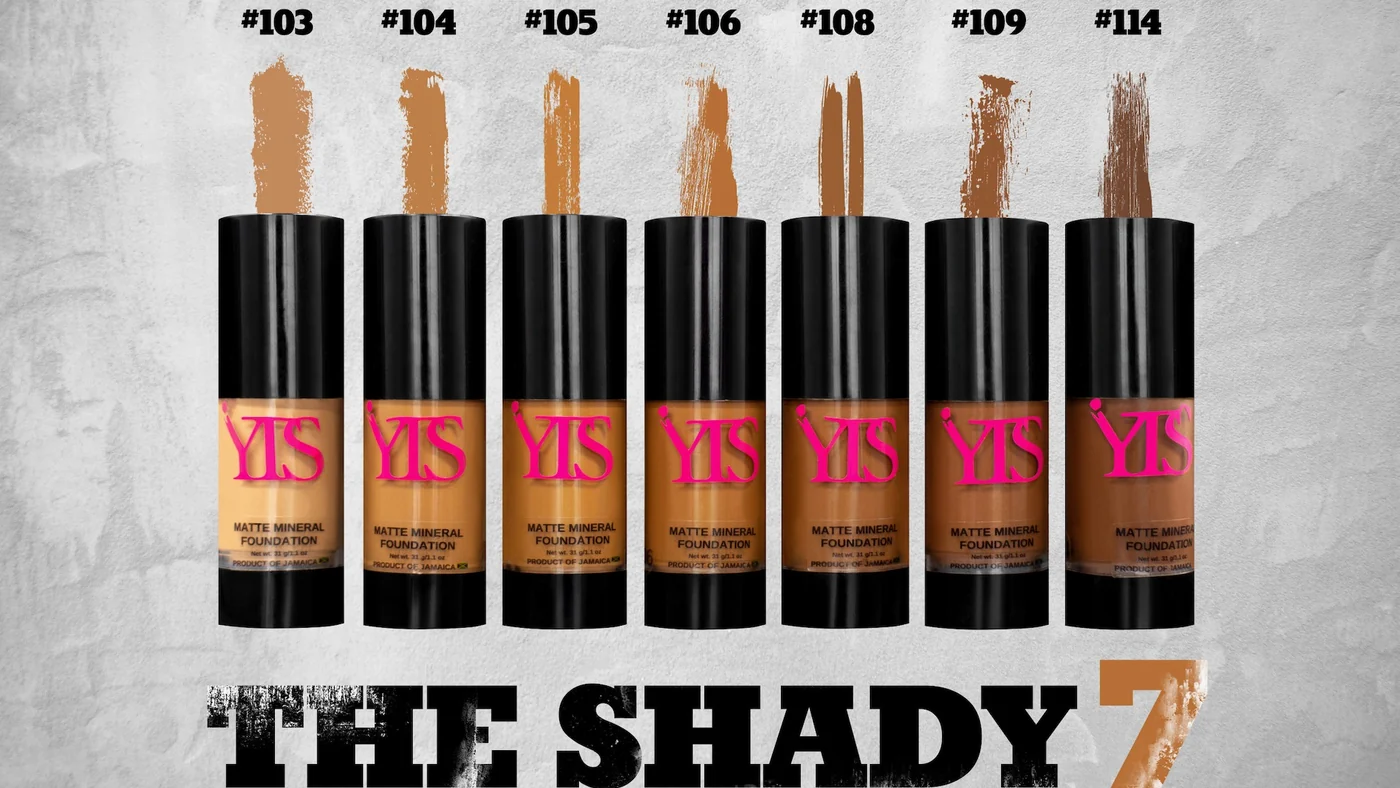
  • foundation swatches
  • cream consistency
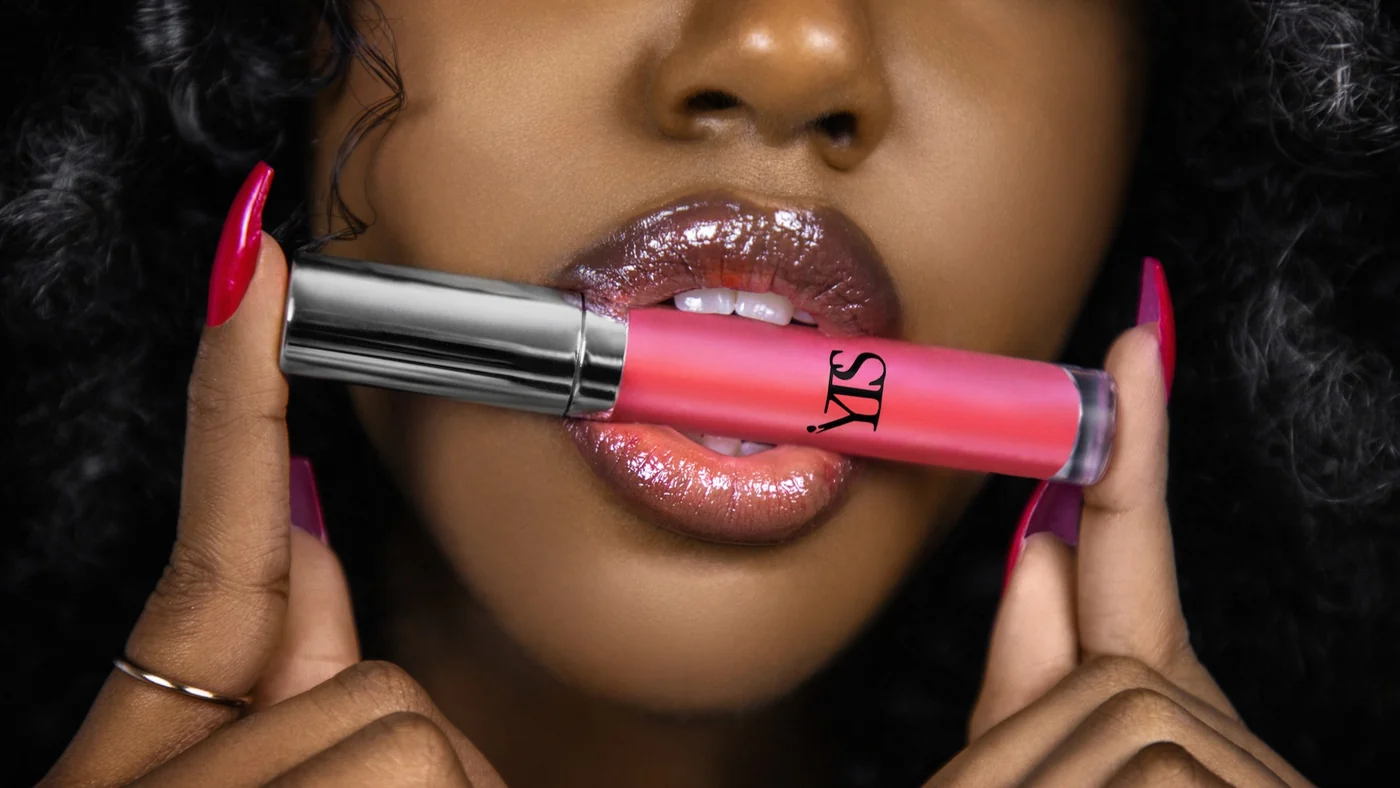
  • lipstick application

Texture photography helps reduce purchase uncertainty.

Ingredient Photography

Many beauty brands sell benefits, not just products.

Examples:

  • botanical ingredients
  • active ingredients
  • scientific formulations

This content supports education and storytelling.

Lifestyle Product Photography

Products are shown in a real-world environment.

Examples:

  • skincare products in a bathroom setting
  • cosmetics displayed on a vanity
  • wellness-inspired scenes

This helps customers imagine ownership.

Application Photography

Products shown being used.

Examples:

  • applying skincare
  • using cosmetics
  • before-and-after imagery

This is especially valuable for advertising.

Advertising Assets

A high-performing campaign should create content specifically for:

  • Meta Ads
  • TikTok Ads
  • Google Ads
  • Display Advertising

Advertising often requires multiple formats and creative variations.

Website Content

Campaigns should create assets for:

  • homepage banners
  • landing pages
  • category pages
  • product pages

Social Media Content

Including:

  • Instagram posts
  • Reels
  • Stories
  • TikTok content
  • Pinterest imagery

Beauty Product Photography Campaign vs Product Photography

Many brands assume these terms mean the same thing. They do not.

Product Photography Beauty Product Photography Campaign
Documents the product Markets the product
E-commerce focused Growth focused
Technical presentation Strategic storytelling
Product details Product + brand story
Single purpose Multi-channel purpose

A product photo shows what the product looks like. A beauty product photography campaign helps convince customers to buy it.

What Makes A Beauty Product Photography Campaign Successful?

Successful campaigns usually share several characteristics.

Clear Marketing Objectives

The campaign is built around a business goal.

Examples:

  • product launch
  • customer acquisition
  • retail expansion
  • brand awareness

Multiple Asset Types

The campaign supports multiple channels.

Examples:

  • website
  • social media
  • email marketing
  • paid advertising
  • PR

Strong Product Story

The campaign communicates:

  • what the product is
  • who it is for
  • why it matters

Long-Term Usability

The strongest campaigns create assets that remain useful for months rather than weeks.

Consistent Branding

Every asset feels like part of the same visual system. This improves brand recognition and trust.

Example

Imagine a skincare brand launching a new vitamin C serum. A beauty product photography campaign may produce:

Product Assets

  • 10 hero product images
  • 10 packaging images
  • 5 ingredient images

Marketing Assets

  • 15 website banners
  • 20 social media assets
  • 10 email marketing visuals

Advertising Assets

  • 15 Meta Ad creatives
  • 10 TikTok ad variations
  • 5 Google Display assets

Video Assets

  • product demonstration clips
  • texture videos
  • lifestyle content

One production can support the entire launch across every marketing channel.

Why Beauty Product Photography Campaigns Matter

The most successful beauty brands don’t create photography for photography’s sake.

They create photography to support:

  • sales
  • advertising
  • product launches
  • customer trust
  • long-term brand growth

That is why beauty product photography campaigns should be viewed as marketing investments rather than creative expenses. A single well-planned campaign can generate content that supports a brand’s website, ads, social media, email marketing, and retailer relationships for months after the shoot is complete.

Signs Your Beauty Product Photography Is Hurting Performance

Many beauty brands assume their photography is “good enough” because the images look professional. However, beautiful images do not automatically create business results.

In many cases, underperforming product photography quietly impacts conversions, advertising performance, customer trust, and overall brand growth.

If any of the following situations sound familiar, your beauty product photography may be limiting performance.

Your Product Pages Don’t Convert

One of the clearest warning signs is low conversion rates on product pages. Customers arrive on your website but fail to purchase.

While pricing, reviews, and product descriptions matter, photography often plays a major role in the decision-making process.

Customers need to clearly see:

  • product packaging
  • textures
  • ingredients
  • product size
  • application methods
  • expected results

When product photography fails to answer these questions, uncertainty increases and conversions decrease.

Many beauty brands invest heavily in traffic acquisition while overlooking the visual assets responsible for converting visitors into customers.

Paid Ads Fatigue Quickly

Advertising platforms require a constant flow of creative assets. When the same images are used repeatedly, audiences stop paying attention.

As a result:

  • click-through rates decline
  • engagement decreases
  • customer acquisition costs increase
  • advertising performance weakens

Strong beauty product photography campaigns create multiple creative variations that can be tested across:

  • Meta Ads
  • TikTok Ads
  • Pinterest Ads
  • Google Display Ads

If your advertising team is constantly asking for new creatives, your photography may not be generating enough usable assets.

Customers Ask Basic Product Questions

Customers should not have to work hard to understand your products. If customer service regularly receives questions such as:

  • What size is the product?
  • What does the texture look like?
  • How is it applied?
  • What color is it?
  • What comes in the package?

your photography may not be communicating enough information.

Strong beauty product photography helps answer questions visually before customers need to ask them. As a result, customers gain confidence and move through the buying process more easily.

Your Brand Looks Inconsistent

Customers experience your brand across multiple channels. These may include:

  • your website
  • social media
  • email marketing
  • paid advertising
  • retailer websites

If your photography style changes dramatically from one channel to another, customers may perceive the brand as less professional and less trustworthy.

Consistent product photography creates a recognizable visual identity that strengthens brand recognition and reinforces brand value.

The strongest beauty brands rarely reinvent their visual language with every shoot. Instead, they build systems that create consistency over time.

Product Launches Feel Weak

A successful product launch requires more than a few hero images. Launch campaigns often need:

  • website banners
  • social media content
  • paid advertising assets
  • email marketing visuals
  • retailer content
  • PR imagery

When launches feel underwhelming, the issue is often not the product itself.

The issue is that the photography campaign failed to create enough assets to support the launch across all channels. High-performing beauty brands treat photography as part of the launch strategy rather than a final production task.

Retail Partners Need Better Assets

Retailers increasingly expect brands to provide professional visual assets. This may include:

  • product imagery
  • lifestyle content
  • educational visuals
  • promotional banners
  • campaign photography

Weak photography can limit retail opportunities because partners need content that helps them market products effectively.

Strong beauty product photography improves not only direct-to-consumer performance but also wholesale and retail relationships.

The Common Pattern

Most beauty brands experiencing these problems do not actually need more photos. They need better-planned photography.

The highest-performing beauty brands create photography systems that support:

  • Product pages
  • Paid advertising
  • Social media
  • Email marketing
  • Product launches
  • Retail partnerships

Instead of producing images for a single purpose, they create assets that work across the entire customer journey.

That is why beauty product photography should be viewed as a marketing investment rather than simply a creative expense.

Beauty Product Photography vs Beauty Campaign Photography

Product Photography Beauty Campaign Photography
Product-focused Brand-focused
E-commerce support Marketing support
Technical information Emotional storytelling
Conversion-oriented Awareness + conversion
Evergreen usage Campaign usage

Many beauty brands eventually need both.

Why Beauty Product Photography Campaigns Shape First Impressions

Customers often discover a brand visually before engaging with messaging. As a result, beauty product campaigns play a critical role in shaping perception.

High-end beauty brand visuals create trust, consistency, and desirability. Meanwhile, inconsistent imagery weakens positioning and reduces impact.

The Strategic Role of Beauty Campaign Photography

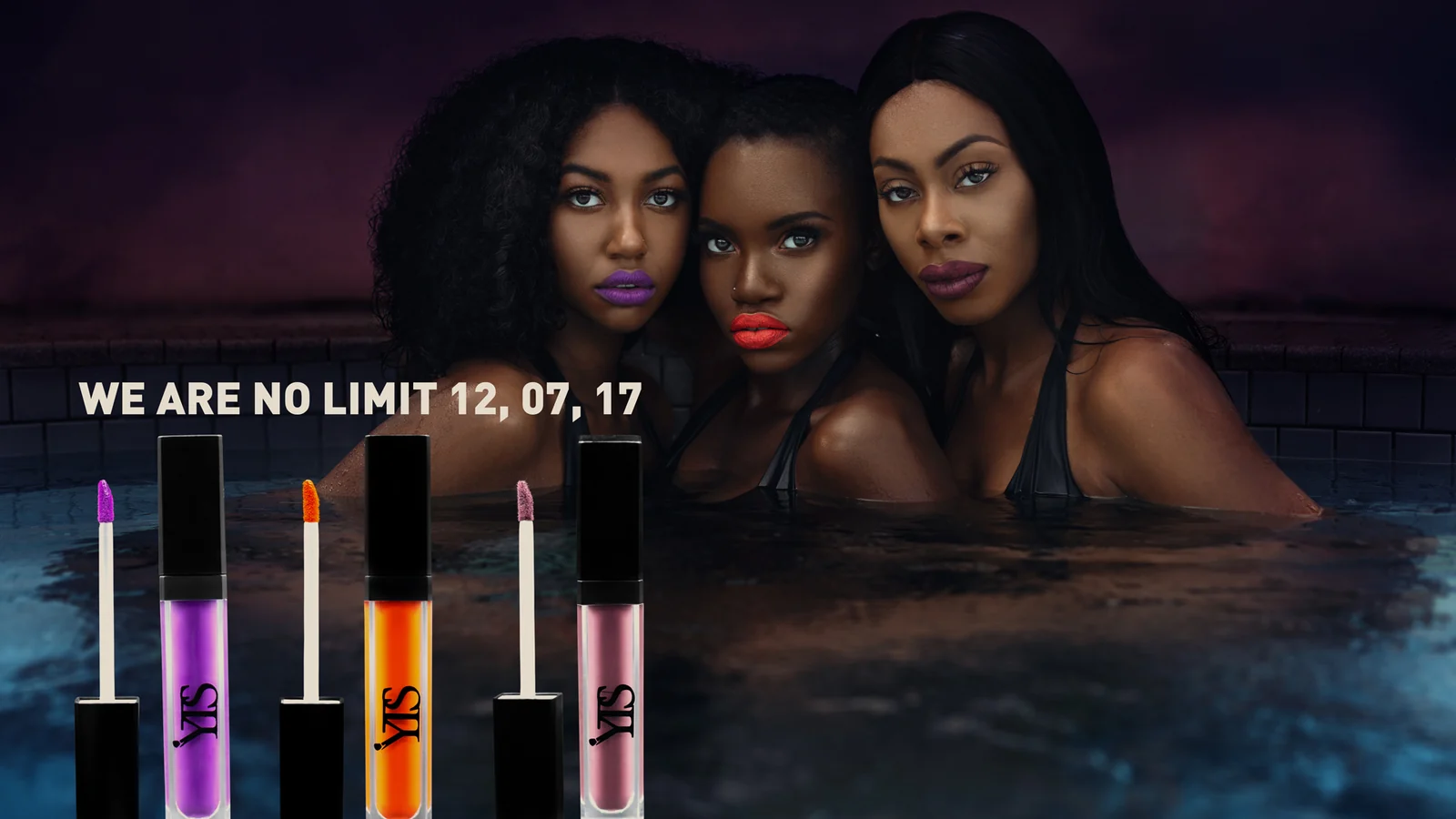
Beauty product photography campaigns featuring cosmetic product photography in studio

Beauty campaign photography connects product storytelling with brand identity. However, strong campaigns require more than aesthetic direction — they require planning and scalability.

For example, effective campaigns generate a wide range of beauty brand visuals that work across e-commerce, paid media, and social platforms. Consequently, one production can support multiple marketing objectives.

Free Visual Audit for Your Beauty Campaign

If your campaign visuals are not performing, the issue is often strategic.

Request a free visual audit to improve your beauty product photography campaigns, strengthen your beauty content production, and refine your beauty campaign photography.

→ Request your visual audit

Cosmetic Product Photography Must Go Beyond Packshots

While cosmetic product photography is essential, modern campaigns require more than clean packshots. Instead, brands need storytelling, texture, and context.

Therefore, successful beauty product campaigns combine product detail with editorial direction to create stronger engagement.

What Assets Should A Beauty Product Photography Campaign Create?

What Makes Beauty Product Photography Effective?

Not all beauty product photography performs equally. Many brands invest in professional photography, yet still struggle with low conversion rates, weak advertising performance, and inconsistent branding.

The difference is rarely the camera. Instead, it comes down to whether the photography was created to support marketing objectives.

Effective beauty product photography does more than make products look attractive. It helps customers understand, trust, and ultimately purchase the product.

The highest-performing beauty brands consistently focus on the following principles.

Clear Product Presentation

Customers should immediately understand what they are looking at. One of the most common mistakes beauty brands make is prioritizing creativity over clarity.

While artistic imagery can be valuable, customers still need to clearly see:

Strong product photography removes confusion and allows customers to quickly understand what is being offered. The easier a product is to understand, the easier it becomes to purchase.

Consistent Brand Identity

Every image contributes to how customers perceive a brand. If photography styles constantly change, the brand can appear inconsistent and difficult to recognize.

Effective beauty product photography creates a recognizable visual language through:

Consistency helps customers connect different marketing channels into one cohesive brand experience. As a result, recognition and trust often improve over time.

Accurate Color Representation

Beauty customers rely heavily on visual information. This is especially important for:

If colors appear inaccurate, customers may receive products that look different than expected.

Consequently:

Accurate color representation helps customers make informed purchasing decisions and improves overall shopping confidence.

Texture Visibility

Beauty products often sell based on texture and formulation. Customers want to see:

Texture photography helps bridge the gap between online shopping and in-person product testing.

When customers can clearly visualize the product experience, purchase confidence typically increases. For many beauty products, texture photography is one of the most important conversion-driving assets.

Mobile Optimization

Most beauty customers discover products on mobile devices. As a result, photography must perform well on smaller screens.

Effective beauty product photography considers:

Images that look impressive on a desktop monitor may become ineffective when viewed on a smartphone.

Therefore, mobile optimization should be considered during production rather than after the shoot.

Advertising Variations

Advertising platforms reward creative variety. A single image is rarely enough to support long-term advertising performance.

Strong beauty product photography campaigns create multiple variations, including:

These variations provide marketing teams with more opportunities to test and optimize advertising performance. The brands that generate the strongest advertising results often create the largest variety of usable assets.

Multi-Channel Usability

High-performing photography should work across multiple marketing channels. A single production should ideally support:

The more channels an asset supports, the greater its overall value. This is one reason why strategic planning often has a larger impact on ROI than the photography itself.

The objective is not to create images for one platform. The objective is to create assets that support the entire customer journey.

Long-Term Asset Value

Many brands evaluate photography based on how it performs during the first few weeks after a launch. However, the strongest photography assets continue generating value long after the campaign ends.

High-value assets are often reused for:

When photography is planned strategically, its usefulness extends far beyond the original production. As a result, brands maximize the return on their content investment.

The Difference Between Beautiful Photography And Effective Photography

Beautiful photography attracts attention. Effective photography drives business results.

The most successful beauty brands create product photography that:

That is why effective beauty product photography should be viewed as a strategic business asset rather than simply a creative deliverable. The goal is not just to create beautiful images. The goal is to create images that help customers move confidently from interest to purchase.

How Beauty Product Photography Influences Conversion Rates

Many beauty brands view product photography as a creative asset. However, customers often view it as information.

Before purchasing a beauty product, customers want answers to important questions:

The quality of your photography often determines whether those questions are answered confidently or whether customers leave your website without buying.

As a result, beauty product photography can directly influence conversion rates, customer trust, and overall marketing performance.

Customer Confidence

Beauty products are highly visual purchases. Unlike many other industries, customers cannot physically touch, smell, or test products before buying online.

As a result, photography becomes a substitute for the in-store experience. Strong beauty product photography helps customers feel confident by showing:

The more confident customers feel, the more likely they are to complete a purchase. Conversely, poor imagery often creates uncertainty that reduces conversions.

Reduced Purchase Friction

Every unanswered question creates friction. Customers hesitate when they cannot clearly understand what they are buying.

High-quality beauty product photography removes obstacles by helping customers quickly understand:

When customers spend less time searching for answers, the path to purchase becomes easier. Reducing friction is often one of the fastest ways to improve conversion rates.

Better Product Understanding

Beauty products often require explanation. Customers want to see:

A strong photography campaign helps educate customers visually.

For example:

A serum photographed with detailed texture imagery communicates significantly more than a simple product packshot. Similarly, application imagery helps customers understand how a product fits into their daily routine.

The easier a product is to understand, the easier it becomes to purchase.

Improved Trust

Trust is one of the most important factors in beauty marketing. Customers are placing products directly on their skin, face, or body. Therefore, they need confidence in both the product and the brand.

Professional beauty photography signals:

When a brand invests in high-quality visual presentation, customers often assume the same level of care exists within the product itself.

Trust can be difficult to build. However, poor photography can destroy it almost instantly.

Stronger Brand Perception

Customers rarely evaluate products in isolation. Instead, they evaluate the entire brand experience.

Consistent beauty product photography helps communicate:

Strong visuals increase perceived value and often justify higher pricing. This is one reason premium beauty brands invest heavily in campaign and product photography.

The photography does more than showcase products. It reinforces how customers perceive the brand.

Better Shopping Experience

The best-performing beauty websites create a seamless shopping experience. Photography plays a major role in that process.

Customers should be able to quickly find:

When photography is organized strategically, customers spend less time searching for information and more time making purchase decisions.

As a result:

A better shopping experience ultimately creates a better customer experience.

The Connection Between Photography And Sales

Many beauty brands focus on traffic generation. However, increasing traffic is only part of the equation.

Once visitors arrive, photography becomes one of the most important tools for converting attention into action.

Strong beauty product photography can:

Together, these factors create a more effective customer journey and a stronger foundation for long-term growth.

That is why beauty product photography should not be viewed simply as a creative deliverable. It is a conversion tool that helps customers move from interest to purchase.

Beauty Content Production Should Be Built for Scale

Beauty product photography campaigns creating consistent beauty brand visuals

Many brands treat campaigns as isolated projects. However, effective beauty content production focuses on creating reusable and scalable assets.

As a result, beauty product photography campaigns can support multiple launches, formats, and channels without requiring constant reinvention.

Read: The compounding ROI of planned content systems →

Why Beauty Brand Visuals Drive Conversion

Beauty brand visuals directly influence perceived value. Clean, premium visuals increase trust, while inconsistent imagery reduces it.

Because of this, beauty campaigns should always align with performance goals — not just creative direction.

From Campaigns to Content Systems

High-performing brands move beyond one-off campaigns. Instead, they build systems around ongoing beauty content production.

Consequently, each beauty product campaign contributes to a stronger and more consistent brand identity.

Planning More Effective Beauty Product Photography Campaigns

Beauty product photography campaigns supporting scalable beauty content production

Effective beauty product photography campaigns start with clear planning. This includes defining formats, channels, and asset requirements before production begins.

Therefore, campaigns become more efficient, and results become more predictable.

Work With a Beauty Campaign Photographer

If you’re planning your next campaign, working with a specialist in beauty product photography campaigns can significantly improve your results.

→ Start your next campaign

How Much Does Beauty Product Photography Cost?

Production

Talent

Licensing

Deliverables

Beauty Product Photography Cost Breakdown

Category Typical Allocation
Photography 25 – 40%
Models 10 – 25%
Makeup 10 – 20%
Production 10 – 20%
Retouching 5 – 10%
Licensing 10 – 30%

The Hidden Cost Of Poor Product Photography

Many beauty brands evaluate product photography based on how it looks. However, the real question should be: How is product photography affecting business performance?

Poor product photography rarely shows up as a line item on a marketing report.

Instead, its impact appears indirectly through lower conversions, weaker advertising results, customer uncertainty, and missed growth opportunities.

Over time, these hidden costs often exceed the original investment required to create better content.

Lower Conversion Rates

One of the most immediate consequences of poor product photography is reduced conversion performance. Customers cannot physically touch, test, smell, or experience beauty products when shopping online.

As a result, photography becomes one of the most important factors influencing purchase decisions.

When images fail to clearly communicate:

customers often hesitate. Even small increases in uncertainty can lead to significant decreases in conversion rates.

For example, a product page receiving thousands of monthly visitors may lose substantial revenue simply because customers cannot confidently understand what they are buying.

In many cases, improving photography can increase sales without increasing website traffic.

Wasted Advertising Spend

Many beauty brands spend heavily on paid advertising while overlooking the quality of the assets supporting those campaigns.

Advertising platforms such as:

depend heavily on creative performance.

Poor product photography often leads to:

As a result, advertising budgets become less efficient. Many brands mistakenly believe they have a targeting problem when the real issue is creative performance.

If the photography fails to capture attention or communicate value, even well-targeted campaigns can struggle.

More Product Returns

Returns are expensive. Not only do they reduce profitability, but they also increase operational costs and customer service demands.

One common reason for returns is unmet expectations. Customers may feel disappointed when:

Strong product photography helps align customer expectations with reality.

Consequently, customers are more likely to receive exactly what they expected, reducing return rates and increasing satisfaction.

Inconsistent Branding

Customers interact with beauty brands across multiple touchpoints. These may include:

When photography varies dramatically between channels, customers often experience an inconsistent brand identity. Inconsistent visuals can create confusion and reduce trust.

Strong beauty brands establish a recognizable visual system that remains consistent across every platform.

The goal is not simply to create beautiful images. The goal is to create a recognizable brand experience.

Retail Rejection

Many beauty brands underestimate how important visual assets are to retail partners. Retailers frequently require:

If photography does not meet retailer standards, brands may struggle to secure placement or maximize retail opportunities. Strong photography helps retailers market products effectively.

Poor photography can limit distribution opportunities before products even reach customers.

Frequent Reshoots

One of the most expensive consequences of poor product photography is the need for replacement content. Many brands find themselves organizing additional productions because:

As a result, brands spend more money creating the same content multiple times.

Strategic photography campaigns are designed to support:

This significantly reduces the need for costly reshoots.

The Real Cost Isn’t The Photoshoot

Many brands focus on the upfront cost of product photography. However, the larger expense is often the business impact of poor photography.

Weak visual assets can contribute to:

Collectively, these costs can far exceed the investment required to create strong product photography in the first place. That is why high-performing beauty brands do not view product photography as a creative expense.

They view it as a business asset that directly influences customer confidence, marketing performance, and long-term growth.

How Can Brands Improve Content ROI?

Many brands assume improving content ROI means producing more content. However, the highest-performing brands usually improve ROI by making existing content work harder.

Content ROI improves when every asset supports multiple marketing objectives, multiple channels, and multiple campaigns.

Plan Content Before Production

One of the biggest mistakes brands make is organizing a photoshoot before determining how the content will be used.

Before production begins, brands should identify:

The more uses planned in advance, the greater the return on investment.

Create Assets For Multiple Channels

A single image should rarely have a single purpose. For example, one campaign image may be used for:

The brands generating the highest ROI create assets that work across multiple touchpoints.

Design Content For Paid Advertising

Paid advertising often consumes more content than any other marketing channel.

Campaigns should include:

When advertising needs are considered during production, content remains useful longer.

Create More Variations During The Shoot

Many brands focus on creating a few hero images. However, performance often comes from variety.

Examples include:

More variations create more opportunities for testing and optimization.

Build A Content Library

Content should not disappear after a campaign ends. Successful brands organize assets into searchable content libraries.

As a result, content can be reused for:

This significantly extends asset lifespan.

Repurpose Existing Content

Many brands underestimate how much value already exists inside their content library. A single campaign can often be repurposed into:

Repurposing is often one of the fastest ways to improve content ROI.

Produce Content Consistently

Consistency usually outperforms sporadic production. Brands that create content regularly benefit from:

Over time, these advantages compound.

Measure Content Performance

Content should be evaluated like any other marketing investment. Track metrics such as:

Understanding which assets perform best helps guide future production decisions.

Build Content Systems Instead Of Random Shoots

The highest-performing brands rarely rely on one-off productions. Instead, they build content systems.

A content system creates:

As a result, every production contributes to long-term marketing growth.

The Biggest ROI Mistake Brands Make

The biggest mistake is evaluating content based on how many images were delivered. The better question is: How many marketing activities can these assets support?

A campaign that generates:

will almost always outperform a campaign that creates the same number of images but supports only one channel.

The brands with the highest content ROI don’t necessarily create more content. They create content that works harder.

Beauty Product Photography ROI Calculator

Example:

Campaign Cost: €5,000

Average Order Value: €60

Gross Margin: 60%

Revenue Needed To Break Even: €8,333

Required Customers: 139

How Often Should Beauty Brands Update Product Photography?

Startup Brands

Every 6–12 months

Emerging Brands

Every 3–6 months

Growth Brands

Quarterly

Established Brands

Monthly or ongoing production

Beauty Product Photography vs Content Retainers

One-Off Shoot Content Retainer
Reactive Proactive
Limited assets Continuous content
Short-term Long-term
Repeated planning Ongoing strategy

Beauty Product Photography Process

  1. Product Discovery
  2. Marketing Goals
  3. Creative Direction
  4. Shot List Development
  5. Production Planning
  6. Photography Production
  7. Retouching & Delivery
  8. Distribution & Optimization

Photography Checklist

  1. Product Objectives Defined
  2. Audience Defined
  3. Distribution Channels Identified
  4. Shot List Approved
  5. Licensing Planned
  6. Asset Requirements Mapped
  7. Advertising Variations Included

Final Thoughts

Beauty product campaigns are one of the most powerful tools in modern beauty marketing. When executed strategically, they improve perception, increase consistency, and drive performance.

Therefore, brands that invest in beauty campaigns, strong cosmetic product photography, and scalable beauty content production are better positioned to grow.

Next Recommended Reads

Beauty Campaign Photography: The Strategic Foundation of High-Performing Beauty Brands

Licensing Explained For Brands

Why Beauty Campaign Photography Is the Foundation of High-Performing Brands

How a Fashion Campaign Photographer Helps Brands Create Higher-Impact Campaigns