
A fashion campaign marketing plan connects the commercial goal, customer, offer, content, production, distribution and measurement in one working document. It should be approved before the shoot—not assembled after the images are delivered.
Beautiful photography can earn attention, but it cannot rescue an unclear offer, insufficient inventory, a weak product page or an undefined media plan. The campaign succeeds only when creative work and commercial execution support the same customer decision.
This guide shows fashion founders, marketing managers and creative teams how to build that connection. If you need the broader, year-round brand system, begin with the fashion brand marketing framework. If your strategy is already approved and you need the production sequence, use the fashion campaign planning process.

What Is a Fashion Campaign Marketing Plan?
A fashion campaign marketing plan is the campaign-level document that explains what the brand is promoting, who should care, what action the audience should take, which channels will carry the message, what assets those channels require and how the team will judge the result.
It is not the same as a mood board, shot list or posting calendar.
| Document | Primary question | What it controls |
|---|---|---|
| Marketing plan | How will this campaign support a business objective? | Audience, offer, channels, asset requirements, distribution and measurement |
| Creative brief | What must the campaign communicate and feel like? | Message, visual direction, product priority, casting and creative guardrails |
| Shot list | What must be captured during production? | Scenes, products, compositions, formats and priority coverage |
| Content calendar | When and where will each approved asset be deployed? | Publishing dates, channels, owners and status |
The unspoken problem is ownership. When these documents are disconnected, marketing assumes production captured the required variations, production assumes the media team can crop later and the media team discovers too late that the creative does not fit its placements. One approved plan prevents those assumptions from becoming reshoots.
The 9-Step Fashion Campaign Marketing Plan
1. Define One Primary Commercial Objective
Choose the main result the campaign must support. Examples include launching a collection, increasing sell-through, acquiring new customers, growing a waitlist, entering a new category or re-engaging existing customers.
Several outcomes may matter, but one should lead. “Increase awareness and sales” is too vague to guide a production. A more useful objective is: “Introduce the new footwear line to first-time customers and generate qualified traffic to the collection page during the six-week launch period.”
Record the commercial constraints at the same time:
- launch date and campaign window;
- available inventory and priority products;
- target markets and languages;
- production and media budgets;
- discount, margin or fulfillment limitations; and
- the person who can approve scope, creative and spend.
These constraints are not separate from the creative idea. They determine what the campaign can responsibly promise and how much content the brand can use.
2. Identify the Customer and the Purchase Barrier
Demographics alone do not create a useful campaign audience. Describe the context in which the customer encounters the product, the alternative they are considering and the uncertainty that prevents them from buying.
A fashion customer may need to understand fit, material, styling flexibility, craftsmanship, comfort, social meaning or value. The campaign should make the most important answer visible instead of relying on atmosphere alone.
Document:
- the priority customer segment;
- their situation or need;
- the desired perception of the brand;
- the main purchase objection;
- the proof that can reduce that objection; and
- the action the customer should take next.
3. Define the Offer, Hero Product and Message Hierarchy
A campaign can show several products, but it still needs a clear center. Select the hero product, look or collection story that can carry the main message. Then define how supporting products extend that story.
Write the message hierarchy before developing the mood board:
- Main promise: the single idea the customer should remember.
- Supporting benefit: why the promise matters in the customer’s life.
- Product proof: the visible detail, material, construction, fit or use that makes the claim credible.
- Call to action: the next step, such as explore the collection, join the waitlist or shop the launch.
If the campaign supports a product release, the fashion product launch checklist connects the creative work with inventory, ecommerce, email, paid media and post-launch review.
4. Map the Customer Journey and Channel Roles
Do not ask every image to do every job. A campaign normally needs different creative roles across the customer journey.
| Stage | Customer question | Useful campaign content |
|---|---|---|
| Awareness | Why should I notice this? | Distinctive hero imagery, motion, strong silhouettes and a clear campaign idea |
| Consideration | Is this relevant and credible? | Product-led lifestyle images, fit, detail, materials, styling and proof |
| Conversion | Do I understand enough to act? | Clear product views, offer communication, landing-page assets and retargeting variations |
| Retention | Why should I remain connected? | Editorial stories, product education, new styling, community and post-purchase content |
Assign a role to each channel rather than copying the same post everywhere. The website may provide depth, email may sequence the story, paid media may test product and message variations, social content may build recognition and PR may add third-party context.
5. Convert the Plan Into an Asset Matrix
The asset matrix is the bridge between marketing and production. It lists every placement, the customer task it supports and the technical or creative requirement that must be captured.
For each asset, record:
- channel and placement;
- campaign stage and message;
- hero or supporting product;
- horizontal, vertical, square or flexible composition;
- still, motion or graphic format;
- copy and interface safe areas;
- delivery deadline;
- approval owner; and
- intended usage and license.
Do not rely on “we can crop it later.” Cropping can adapt a composition, but it cannot recreate missing negative space, change the product scale or turn a horizontal action into a strong vertical frame.
6. Build the Creative Brief and Production Scope
Once the commercial plan and asset matrix are approved, creative development can solve a defined problem. The brief should translate the objective into a visual system without reducing the work to a formula.
Include:
- objective, audience and message hierarchy;
- hero products and required product visibility;
- visual direction and references;
- casting, styling, location and set requirements;
- must-have asset families and optional coverage;
- still and motion responsibilities;
- production schedule and contingency;
- selection, retouching and approval process; and
- delivery formats and file organization.
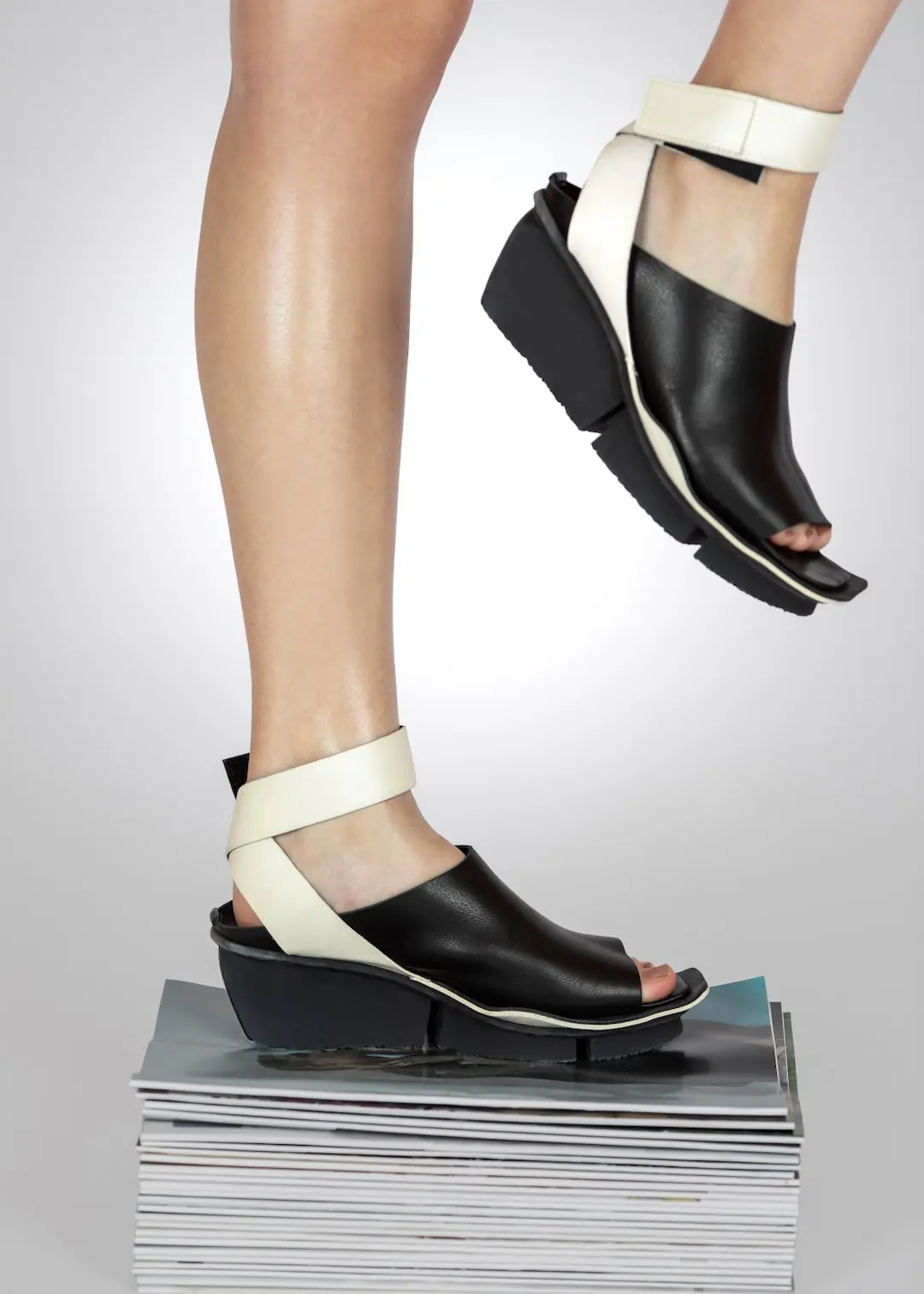
The Trippen Shoes campaign case study shows how a controlled concept, product hierarchy and planned compositional range became one coherent image system.

7. Plan Distribution Before the Shoot
A finished asset without an owner, date or destination is not yet part of a campaign. Build the distribution sequence while production is being planned.
For every campaign phase, define:
- the message and customer action;
- the channels that will carry it;
- the asset and copy owner;
- the approval deadline;
- the live date and campaign end date; and
- the link, tracking convention or landing page.
The sequence may move from teaser to reveal, product education, launch, proof, reminder and post-launch content. The exact order should reflect the product, buying cycle and media plan—not a generic social schedule. Use the content usage planning template to assign approved assets to their destinations after production.
8. Confirm Budget, Licensing and Measurement
Separate the money required to create the campaign from the money required to distribute it. A complete budget may include strategy, creative direction, photography, video, talent, styling, locations, equipment, post-production, graphic design, licensing, paid media, localization and contingency.
Licensing should identify the media, territory, duration and any third-party use before the assets go live. Paid advertising is not automatically included simply because a license permits digital use. Review the paid advertising image licensing guide and the broader photography licensing and usage guide before approving deployment.
Choose the primary metric with the objective—not after the result is known.
| Primary objective | Possible leading indicators | Possible outcome measures |
|---|---|---|
| Launch demand | Qualified landing-page visits, waitlist sign-ups, email engagement | Launch revenue, units sold, sell-through |
| Customer acquisition | Click-through rate, product-page engagement, add-to-cart rate | New-customer revenue, acquisition cost, return on ad spend |
| Brand recognition | Qualified reach, video completion, branded engagement | Branded search, direct traffic, new-audience growth |
| Content efficiency | Channel coverage, asset utilization, variation yield | Content lifespan, cost per deployed asset, avoided reshoots |
The fashion marketing KPI guide helps match metrics to the campaign objective, while the fashion content ROI calculator connects production cost, utilization and useful lifespan.
9. Run Launch QA and Schedule the Review
Before launch, check the full customer path rather than reviewing the imagery in isolation.
- Are the correct products, prices and variants live?
- Do campaign links reach the intended landing pages?
- Do images work on desktop and mobile without hiding the product or copy?
- Are final crops, captions, credits and alt text correct?
- Are usage rights valid for every live placement?
- Are analytics, campaign parameters and conversion events working?
- Does customer service know the offer, availability and likely questions?
- Is one person responsible for launch-day corrections?
Schedule the post-campaign review before launch. Compare the result with the original objective, identify what the evidence supports and record what remains uncertain. Do not credit or blame the photography for outcomes created by price, inventory, audience, landing-page experience, media spend or attribution limits.

Fashion Campaign Marketing Plan Checklist
Before approving production, confirm that the plan includes:
- one primary commercial objective;
- a defined customer and purchase barrier;
- a hero product and message hierarchy;
- channel roles across the customer journey;
- a placement-level asset matrix;
- an approved creative brief and production scope;
- a distribution sequence with owners and deadlines;
- a complete budget and licensing schedule;
- measurement and tracking requirements; and
- launch QA and a post-campaign review date.
If any of these decisions is missing, the shoot is being asked to solve a problem the team has not yet defined.
Frequently Asked Questions
How far in advance should a fashion campaign be planned?
Start with the longest dependency rather than a universal number. Product availability, casting, locations, custom sets, approvals, retouching, localization and media deadlines can all determine the schedule. A focused studio campaign may move quickly; a multi-market launch may require several months.
What should a fashion campaign marketing plan include?
At minimum, include the objective, customer, offer, message hierarchy, channels, asset matrix, creative brief, production scope, distribution plan, budget, licensing, metrics, owners and approval deadlines.
Is a mood board a campaign plan?
No. A mood board communicates visual direction. It does not define the commercial objective, channel requirements, budget, distribution, licensing or measurement. It becomes useful after those decisions give the visual idea a job to perform.
Can one campaign shoot support every marketing channel?
It can support several channels when their placements and formats are planned before production. One photograph, however, rarely performs every task. A useful campaign library combines hero, product-led, detail, horizontal, vertical, copy-safe and motion assets.
How should fashion brands measure campaign success?
Use metrics that match the primary objective and review the complete customer journey. Revenue matters, but teams may also need to monitor qualified traffic, conversion, acquisition cost, sell-through, asset utilization and content lifespan. No single metric explains campaign performance in isolation.
Turn the Plan Into a Usable Campaign Library
A strong campaign does not begin with a camera or end with a gallery. It begins with a commercial decision, translates that decision into a useful content system and continues through distribution, measurement and learning.
If your brand already has a launch, collection or campaign in development, explore my fashion and beauty campaign photography services. If the brief is still unclear, a complimentary Visual Audit can identify missing formats, channel gaps and production risks before budget is committed.