
A Fashion Product Launch Checklist turns a collection release from a sequence of rushed tasks into a coordinated commercial system. Instead of treating launch day as one announcement, it aligns the product, customer, campaign, ecommerce experience, marketing channels, inventory and measurement. As a result, every team knows what must be ready, why it matters and who owns the next decision.
However, a checklist cannot rescue an unclear offer or replace strategic judgment. It works only after the brand has defined the customer, commercial goal and product relevance. Therefore, use this guide as the execution layer beneath your broader Fashion Product Launch Strategy. The strategy sets the direction; this checklist protects the details that determine whether the launch can perform.
Quick answer: A professional fashion launch should move through seven connected phases: commercial strategy, offer and operations, content production, ecommerce readiness, pre-launch demand, launch execution, and post-launch optimization. Although the exact schedule varies, most substantial launches benefit from planning around the longest dependency rather than simply counting backward from the release date.
Free 35-step working checklist
Use the downloadable PDF to assign an owner, deadline and approval status across strategy, campaign production, ecommerce, marketing, operations and measurement.
Download the free checklist PDF · Discuss launch photography and production
What Is a Fashion Product Launch Checklist?
A Fashion Product Launch Checklist is a cross-functional control document for introducing a new garment, accessory, capsule, collaboration, collection or category. It translates the fashion product launch plan into specific decisions, deliverables, approvals and deadlines. Consequently, it should connect creative, marketing, ecommerce, merchandising, operations, PR, retail and customer service—not isolate them.
Unlike a posting schedule, the checklist begins before content production and continues after launch day. Likewise, unlike a simple fashion collection launch timeline, it defines readiness criteria as well as dates. A task is not complete merely because someone checked a box; it is complete when the output is approved, usable and connected to the next stage.
How to Use This Fashion Product Launch Checklist
First, copy the checklist into one shared project document. Next, assign one accountable owner and one deadline to every item. Then, add approval status, dependencies and a link to the final asset or decision. Finally, review the critical path at least once per week and more frequently as launch day approaches.
Nevertheless, avoid assigning every task to “marketing.” Shared responsibility often becomes invisible responsibility. Instead, name the person who has authority to approve the work. In addition, separate a true launch blocker from a useful improvement. Product-page accuracy, inventory availability and tracking are blockers; an additional social variation may not be.
Also refer to the 12-week product launch timeline and content needed before launch.
Fashion Product Launch Checklist: The 35 Steps
Use this quick-reference overview to see how the complete launch process fits together. Then work through the detailed 35-step checklist below.
Phase 1: Strategy — Steps 1–6
Define the primary commercial objective, identify the priority customer, write the product positioning statement, select the hero product or SKU, establish the launch narrative, and set success metrics before creative production.
Phase 2: Offer, Inventory and Operations — Steps 7–11
Approve the final assortment, validate pricing and margin, confirm inventory and launch allocation, test fulfillment, delivery and returns, and complete legal and usage reviews.
Phase 3: Campaign Launch Content — Steps 12–18
Create the channel-by-channel asset matrix, develop the campaign concept, build the production brief, produce campaign and conversion content, capture testing variations, plan crops and negative space, and approve selects, retouching and delivery standards.
Phase 4: Ecommerce Readiness — Steps 19–24
Complete every product page, build a persuasive image sequence, check sizing and fit guidance, test mobile speed and usability, verify analytics and attribution, and run a complete quality-assurance review.
Phase 5: Build Demand Before Launch Day — Steps 25–29
Approve the campaign calendar, build the waitlist or early-access path, prepare email and lifecycle messages, coordinate PR, creators and partners, and prepare paid-media campaigns.
Phase 6: Launch-Day Execution — Steps 30–32
Run the final go/no-go check, publish in the planned sequence, and monitor customer and operational signals.
Phase 7: Optimize the Launch After Release — Steps 33–35
Review performance by funnel stage, improve creative, merchandising and messaging, and conduct the post-launch review.
Continue below for the complete 35-step Fashion Product Launch Checklist, including the decisions, deliverables and readiness criteria behind every step.
Download the 35-Step Fashion Product Launch Checklist
Want to use the framework with your team? Download the complete 35-Step Fashion Product Launch Checklist as a practical working document.
The PDF follows the same seven phases covered in this guide, from strategy, offer and operations through campaign content, ecommerce readiness, launch execution and post-launch optimization, and includes space to assign an owner and deadline to every step.
Download the 35-Step Fashion Product Launch Checklist
Phase 1: Fashion Product Launch Checklist for Strategy
Before the campaign takes visual form, establish the commercial logic. Otherwise, the team may produce polished assets without knowing which customer decision they must support. Your fashion launch marketing strategy should therefore start with the outcome and work backward.

1. Define the primary commercial objective
Choose one leading objective, such as immediate sell-through, customer acquisition, category entry, retail traffic, waitlist growth or long-term awareness. Several outcomes may matter; however, one must lead because it shapes the offer, media plan and measurement.
2. Identify the priority customer
Describe the customer precisely enough to guide casting, styling, messaging, channel selection and objections. For example, “women aged 25–45” is too broad. Instead, define the context in which the product becomes relevant, the alternatives the customer considers and the evidence they need before buying.
3. Write the product positioning statement
Clarify who the product is for, what distinctive value it provides, why that value matters now and what proof supports the claim. Although the internal statement may never appear publicly, it should govern every campaign decision.
4. Select the hero product or SKU
Most launches need a visual and commercial center. Therefore, select the product that best communicates the collection story, has sufficient margin and inventory, and can carry paid and owned media. Then, define how supporting products extend the story without competing for attention.
5. Establish the launch narrative
Translate product features into a customer-facing reason to care. In addition, document the message hierarchy: the main promise, supporting benefits, product proof and response to likely objections. Consequently, email, product pages, PR and advertising can sound connected without repeating identical copy.
6. Set success metrics before creative production
Choose metrics that match the objective. For instance, a sell-through launch may prioritize revenue, units sold, conversion rate and stock velocity. Conversely, a category-entry launch may also track qualified traffic, new-customer share, email acquisition and assisted conversions. Use the Fashion Marketing KPIs guide to build the measurement framework.
Phase 2: Confirm the Offer, Inventory and Operations
Marketing cannot permanently compensate for a weak or unreliable offer. Therefore, the next section of the Fashion Product Launch Checklist protects the customer experience behind the campaign.
7. Approve the final assortment
Confirm styles, colorways, sizes, bundles and regional availability. Meanwhile, remove any SKU that cannot meet quality or delivery standards. A smaller reliable assortment is often stronger than a larger, confusing release.
8. Validate pricing and margin
Review landed cost, gross margin, promotional allowances, returns exposure and paid-media economics. Moreover, ensure the price architecture makes sense across the collection. If the hero product attracts attention but cannot support acquisition costs, the launch model may be fragile.
9. Confirm inventory and launch allocation
Check available units by SKU, size, region and channel. Next, agree on safety stock, retail allocation, creator or PR samples, and the response to early sell-outs. Scarcity can create urgency; nevertheless, accidental scarcity can damage trust and waste media spend.
10. Test fulfillment, delivery and returns
Place test orders before launch. Check packaging, confirmation emails, dispatch timing, tracking, delivery claims and return instructions. In addition, prepare customer service for sizing, materials, care and availability questions.
11. Complete legal and usage reviews
Approve product claims, required disclosures, competition terms, creator agreements and image usage. Likewise, verify that photography, music, talent, locations and third-party assets are licensed for every planned territory, channel and duration.
Phase 3: Build the Fashion Campaign Launch Checklist
Content production should begin with deployment, not a generic shot count. In other words, define where each asset will live, what question it must answer and which format it requires. This fashion campaign launch checklist prevents a beautiful shoot from producing too few usable variations.
12. Create the channel-by-channel asset matrix
List the homepage, landing pages, product pages, email, organic social, paid social, search, PR, retail, wholesale and creator needs. Then, specify orientation, crop, duration, safe areas, product priority and delivery deadline for each placement.
13. Develop a campaign concept that clarifies the product
The concept should create distinction and desire. However, it should not hide fit, fabric, function or the item being sold. Therefore, test the idea against the positioning statement before approving the moodboard.
14. Build the production brief
Include the goal, audience, message hierarchy, hero SKU, channels, deliverables, visual direction, casting, styling, usage rights, budget, schedule and approval process. For a broader production framework, use How to Plan a Fashion Campaign Shoot.
15. Produce campaign and conversion content
Campaign imagery creates attention and emotional context. Product imagery, by contrast, reduces uncertainty. Consequently, plan both. Capture hero frames, lifestyle context, product-only views, on-model fit, material details, movement, vertical video, testimonials or demonstrations where relevant.
16. Capture variations for testing
Create meaningful alternatives in hook, framing, product scale, model, background and message. Nevertheless, change variables deliberately. If every element changes at once, performance differences will be difficult to interpret.
17. Plan crops and negative space during capture
Do not assume one horizontal hero can become every ad, story and banner. Instead, shoot vertical, square and horizontal compositions intentionally. Also, protect interface safe zones and leave negative space where copy will be placed.
18. Approve selects, retouching and delivery standards
Set deadlines for selects, color, retouching, copy overlays, exports and final approval. In addition, use consistent filenames, version control and one approved asset library. The Fashion Brand Content Strategy explains how this production can support more than one launch week.
Phase 4: Fashion Product Launch Checklist for Ecommerce
A customer should not have to guess what the campaign is selling. Therefore, ecommerce readiness must be completed before traffic arrives. Strong fashion ecommerce images and accurate product information turn attention into confident evaluation.
19. Complete every product page
Confirm product name, description, price, variants, materials, care, origin where required, availability and delivery details. Moreover, make the primary benefit clear early rather than burying it beneath brand language.
20. Build a persuasive image sequence
Lead with a clear product view. Then, show alternative angles, on-model fit, scale, material, construction, movement and styling context. Use the Ecommerce Photography Checklist and Product Page Image Guide for a deeper gallery standard.
21. Check sizing and fit guidance
Include garment measurements, model information, fit notes and size conversion where relevant. Furthermore, connect customer service to any repeated fit questions so the page can be improved after launch.
22. Test mobile speed and usability
Review the complete path on real phones: landing page, navigation, gallery, variant selection, size guide, cart, checkout and confirmation. Compress images appropriately and avoid scripts that delay purchase. Importantly, visual polish is not useful if the experience is slow or difficult.
23. Verify analytics and attribution
Test page views, product views, add-to-cart events, checkout steps, purchases, campaign parameters and consent behavior. Then, document platform limitations. Attribution is directional rather than perfect; consequently, avoid treating one dashboard as absolute truth.
24. Run a complete quality-assurance review
Check links, prices, inventory status, variants, discount codes, localization, tax, shipping, accessibility, image alt text and confirmation messages. Finally, ask someone outside the launch team to complete the journey because familiarity can hide errors.
Phase 5: Build Demand Before Launch Day
A launch should not move from silence to immediate conversion pressure. Instead, use the fashion collection launch timeline to create recognition, context and proof before the product becomes available. The exact sequence depends on the offer; however, the following steps provide a practical baseline.
25. Approve the campaign calendar
Map teaser, reveal, education, proof, launch, reminder and post-launch content. Then, coordinate the sequence across email, social, paid media, PR, creators, retail and the website. The Fashion Campaign Calendar helps connect the release to the rest of the year.
26. Build the waitlist or early-access path
Give interested customers a clear next action. For example, create a waitlist, early-access registration, store appointment or restock alert. However, collect only information the brand can use responsibly and explain what subscribers will receive.
27. Prepare email and lifecycle messages
Write welcome, teaser, launch, browse-abandonment, cart-abandonment, purchase, delivery and review-request messages where appropriate. In addition, segment existing customers by relevance rather than sending every launch to the entire list.
28. Coordinate PR, creators and partners
Confirm samples, briefs, embargoes, disclosures, links, usage permissions and publication windows. Meanwhile, prepare a concise press kit with the collection story, product facts, founder or designer context, approved imagery and contact details.
29. Prepare paid-media campaigns
Build prospecting, retargeting and customer campaigns according to the funnel. Upload creative variations, verify destinations, set budgets and define guardrails. Nevertheless, avoid scaling spend before inventory, tracking and conversion paths are stable.
Phase 6: Launch-Day Execution
Launch day is a coordination test rather than the beginning of the work. Because the major decisions are already complete, the team can focus on quality control, customer signals and rapid corrections.
30. Run the final go/no-go check
Confirm inventory, site status, pricing, tracking, links, email, paid media, organic posts, customer service and fulfillment. If a critical system is not ready, decide whether to delay, reduce scope or launch selectively. A public deadline should not overrule customer trust.
31. Publish in the planned sequence
Coordinate the site, email, social, creators, PR and advertising so customers receive a coherent story. Moreover, verify each live placement after publishing instead of assuming scheduled content rendered correctly.
32. Monitor customer and operational signals
Watch site errors, conversion steps, payment failures, stock velocity, support questions, comments and delivery issues. At the same time, distinguish noise from a repeated pattern. One comment is a clue; several similar questions may reveal a product-page gap.
Phase 7: Optimize the Launch After Release
The final phase of the Fashion Product Launch Checklist is frequently neglected. Yet post-launch learning is where one release improves the next. Therefore, continue the campaign while evidence accumulates instead of judging the result after 24 hours.
33. Review performance by funnel stage
Separate discovery, consideration and conversion signals. For example, strong reach with weak qualified traffic suggests a different problem than strong product-page engagement with weak checkout completion. Use the Fashion Marketing Funnel to locate the constraint before changing the campaign.
34. Improve creative, merchandising and messaging
Promote strong creative, pause clear underperformers and test focused alternatives. Likewise, reorder product galleries, clarify sizing, surface social proof or adjust landing-page messages when customer behavior supports the change. However, do not mistake random activity for optimization; each change needs a reason.
35. Conduct the post-launch review
Within an agreed period, compare results with the original objective. Document what worked, what failed, what remains uncertain and what should change next time. Finally, archive approved assets, rights, performance notes, customer insights and reusable templates.
Fashion Product Launch Checklist Summary
- Strategy: objective, customer, positioning, hero product, narrative and KPIs.
- Offer and operations: assortment, pricing, inventory, fulfillment and legal review.
- Content: asset matrix, concept, brief, campaign imagery, ecommerce imagery, variations and delivery.
- Ecommerce: product pages, galleries, fit guidance, mobile experience, analytics and QA.
- Pre-launch: calendar, waitlist, lifecycle email, PR, creators and paid media.
- Launch day: go/no-go approval, coordinated publishing and live monitoring.
- Post-launch: funnel analysis, optimization and documented learning.
Common Fashion Product Launch Mistakes
First, brands often choose a launch date before understanding the longest production or operational dependency. Second, they approve a campaign concept without defining the channel asset system. Third, they drive traffic to incomplete product pages. In addition, some teams treat a fashion launch marketing strategy as a posting calendar and measure only revenue, even though earlier signals explain why revenue rose or fell.
Another mistake is confusing attention with demand. A campaign can generate engagement because it is visually unusual; nevertheless, customers may still lack a reason to buy. Conversely, a commercially strong offer may underperform because the imagery does not communicate fit, material or relevance. Therefore, the launch review must examine the full system rather than blame one channel.
Frequently Asked Questions
How early should a fashion brand start planning a product launch?
Many coordinated launches benefit from roughly 8–12 weeks of planning. However, collaborations, complex production, international distribution, retail activation or long-lead PR may require more time. Build the schedule around the longest critical dependency. For a detailed sequence, use the Fashion Campaign Timeline.
What should be included in a fashion product launch plan?
A complete plan should include the commercial objective, priority customer, positioning, offer, assortment, inventory, campaign concept, asset requirements, ecommerce experience, channel sequence, operations, responsibilities, deadlines, KPIs and post-launch review.
Which assets does a fashion launch need?
The exact list depends on the channels. Nevertheless, most launches need campaign hero imagery, product-page photography, on-model fit, detail views, vertical content, paid-media variations, email assets, website banners and PR imagery. Retail, wholesale and creator programs may require additional formats.
How should a fashion brand measure launch success?
Measure the launch against its primary objective. Combine commercial outcomes such as revenue, contribution margin and sell-through with diagnostic signals such as qualified traffic, product-page engagement, add-to-cart rate, checkout completion, acquisition cost, new-customer share and return reasons.
Is a checklist the same as a fashion product launch strategy?
No. Strategy determines where the brand will compete, which customer it will prioritize, what value it will communicate and how the launch should create an advantage. The checklist converts that strategy into coordinated execution. Therefore, brands need both.
See the Checklist Applied to Real Launch Photography
A checklist becomes valuable when it changes the production—not when it remains a planning document. These projects show how product priorities, formats and channel requirements were translated into usable launch assets:
- Trippen Shoes: product-centered pre-production built around footwear, styling and planned campaign outputs.
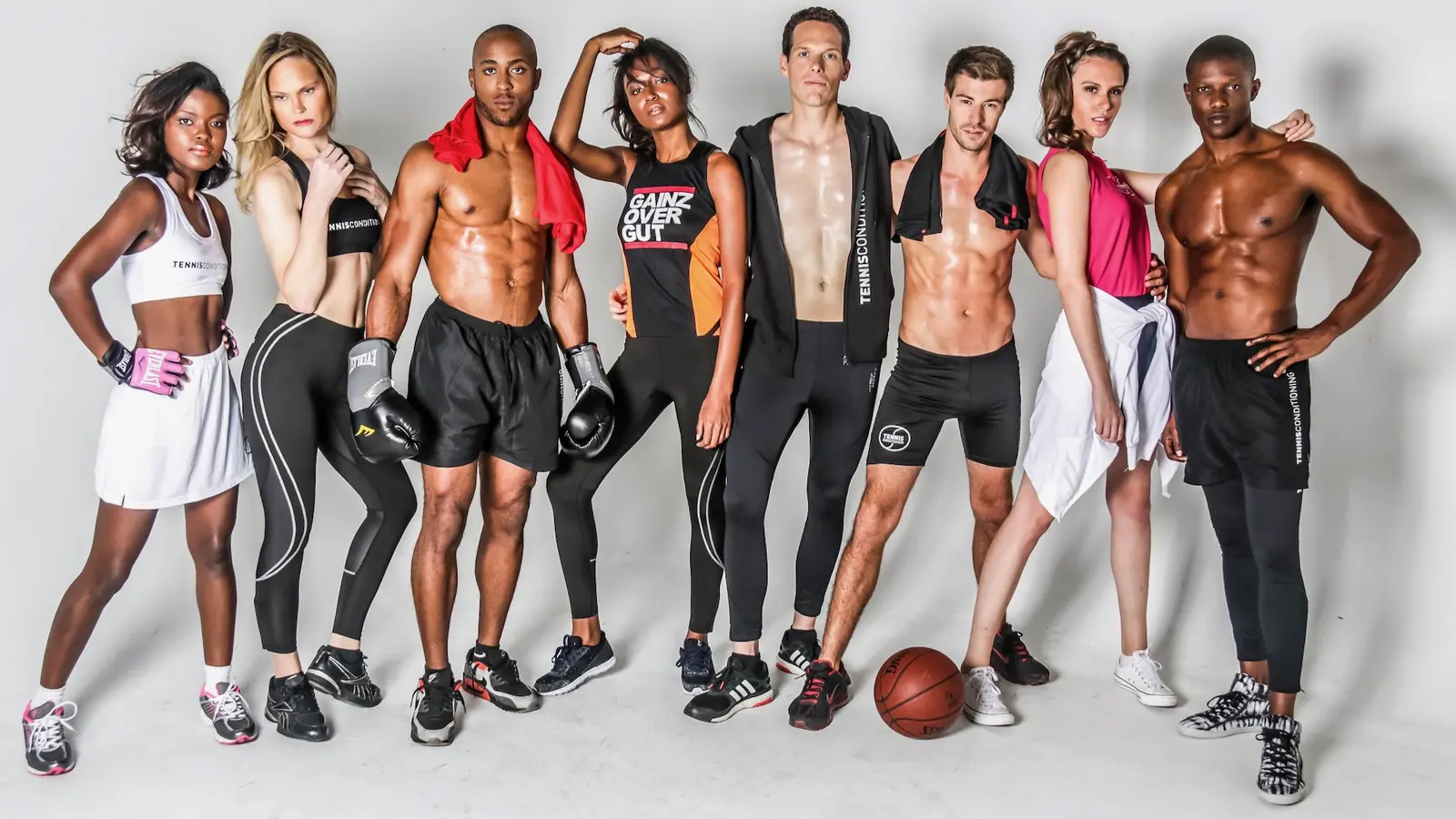
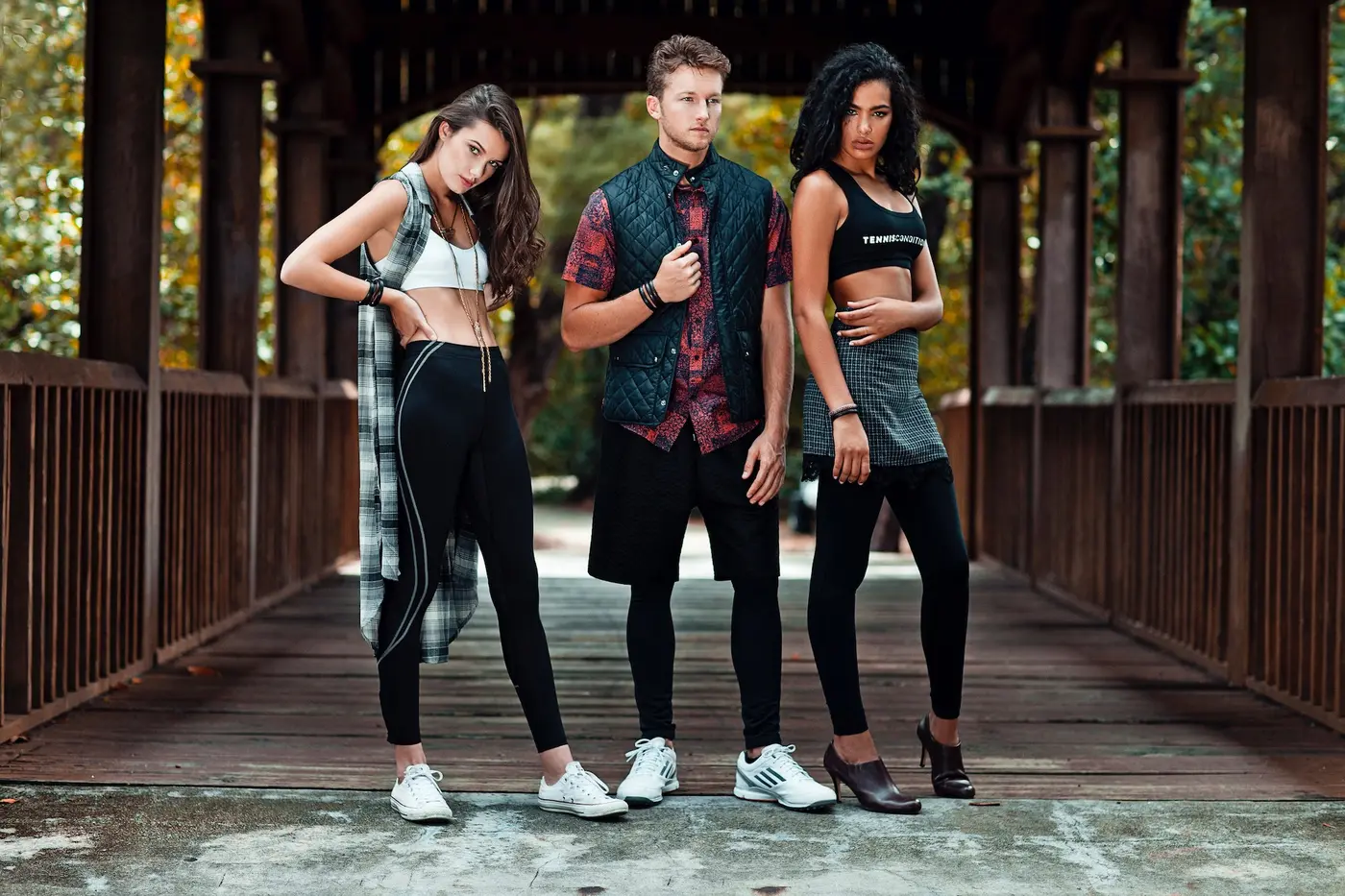
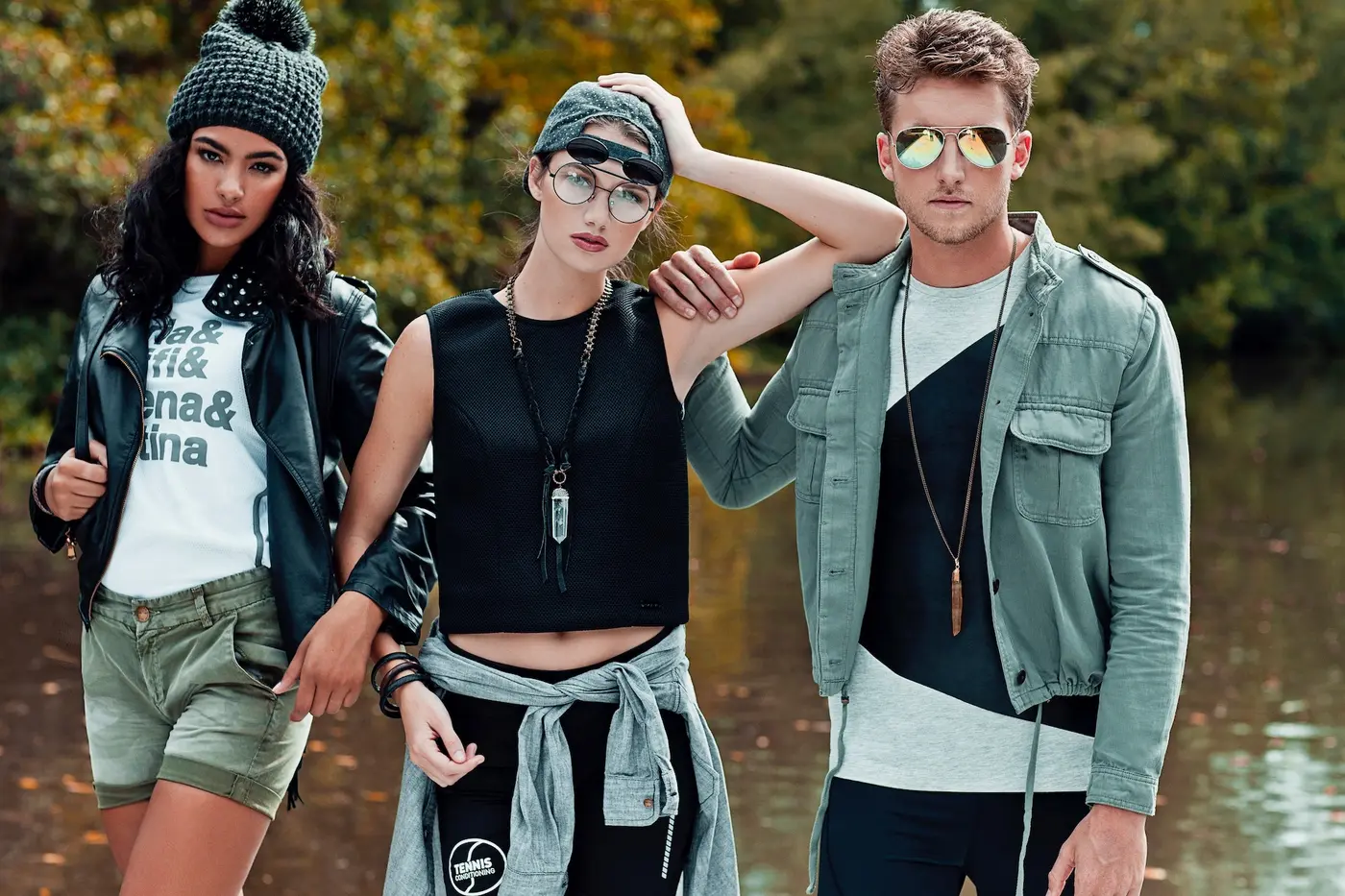
- StyleConditioning: one production supplied advertising, online-shop, social and product-launch assets.
- Your True Shade: product-led beauty imagery structured for three different channels.
For the commercial service behind this process, see Product and Collection Launch Photography. I am based in NRW and available for productions across Germany.
Turn the Checklist Into a Repeatable Launch System
A Fashion Product Launch Checklist is most valuable when it improves more than one release. After each launch, refine the brief, asset matrix, approval process, ecommerce standards and reporting template. As a result, the team spends less time rebuilding workflows and more time strengthening the product story and customer experience.
Above all, plan campaign photography as commercial infrastructure. The right visual system should create desire, clarify the product and supply every channel with purposeful assets. If your next fashion launch needs a stronger connection between campaign strategy, production and deployment, start a conversation about campaign photography and content production.