
A fashion brand marketing framework turns a collection launch from a sequence of last-minute tasks into one coordinated commercial plan. It connects the business goal, customer, offer, message, campaign assets, channels, budget, usage rights and measurement before production begins. That connection matters because strong photography cannot rescue a campaign that lacks a clear audience, distribution plan or conversion path.
This guide shows fashion and beauty teams how to build that framework in practical stages. The objective is not to create more marketing activity. It is to make every brief, shoot and media decision support the same business outcome.
Why Fashion Marketing Strategy Must Come Before Content
Many brands begin with the visible part of a campaign: the mood board, models, location or social posts. Those decisions feel productive, but they are downstream choices. The real starting point is the business moment the campaign must support.
A launch designed to introduce a new label needs a different message and media mix from a campaign intended to sell through slow-moving inventory. A wholesale-support campaign needs retailer-ready files and product information. A paid acquisition campaign needs multiple hooks, crops and variations for testing. If those requirements are not defined early, the production may look excellent and still leave the marketing team without the assets it needs.
This is why campaign planning and content planning cannot be separated. The marketing plan determines what the production must deliver; the production gives the plan the creative assets required to reach customers. Phil’s campaign planning resources provide the supporting tools for briefs, shot lists, asset maps, budgets and usage planning.
Marketing is a system, not a list of channels
Instagram, email, paid advertising, e-commerce, PR and retail are not separate strategies. They are distribution environments with different jobs. A strong system decides how those environments work together across the customer journey:
- Awareness: introduce the brand, collection or point of view.
- Consideration: answer questions about fit, quality, styling and relevance.
- Conversion: make the product and offer clear enough to act on.
- Retention: give existing customers a reason to return.
- Advocacy: create an experience worth sharing or recommending.
The fashion marketing funnel is useful here, but it should not become a rigid linear diagram. Customers move back and forth between discovery, research and purchase. Your campaign therefore needs a connected family of assets, not one “hero” image expected to do every job.
The Seven-Part Fashion Brand Marketing Framework
1. Define the commercial objective
Choose one primary outcome before discussing creative direction. Examples include generating qualified awareness in a new market, selling a seasonal collection, increasing average order value, supporting wholesale partners or improving customer retention. Secondary goals are acceptable, but they should not compete with the primary decision.
Turn the objective into a measurable statement with a baseline, target and time window. “Increase awareness” is too vague. “Increase qualified collection-page sessions by 25% during the eight-week launch period” gives the team something it can plan and evaluate.
2. Specify the audience and buying context
Demographics alone rarely explain a fashion purchase. Add the customer’s desired identity, use occasion, objections, buying trigger, preferred channel and evidence required to trust the product. This is the difference between describing an audience and understanding the decision it is trying to make.
For each priority segment, document:
- the situation that creates demand;
- the problem or aspiration the collection addresses;
- the strongest objection to purchase;
- the proof that reduces that objection;
- the channels used during discovery and evaluation; and
- the action the campaign should make easier.
This customer definition should shape casting, styling, location, copy, offer and media placement. It should not be added after the visual concept is complete.
3. Clarify positioning, promise and proof
Positioning answers three questions: what category are you in, who is the brand for, and why should the customer choose it instead of an alternative? The campaign promise translates that position into one relevant benefit. Proof makes the promise credible through product details, materials, craftsmanship, fit, reviews, expertise or demonstrated use.
Keep the message hierarchy simple:
- Core promise: the one idea the audience should remember.
- Supporting messages: two or three reasons the promise matters.
- Proof: visible or verifiable evidence.
- Action: the next step appropriate to the customer’s stage.
A disciplined hierarchy prevents the campaign from trying to communicate sustainability, exclusivity, craftsmanship, inclusivity, trend relevance and price value with equal weight.
4. Build the campaign idea around the objective
Creative direction should make the strategy more memorable, not replace it. The strongest campaign idea is distinctive enough to be recognized across channels and flexible enough to produce multiple asset types. It establishes a consistent world through casting, wardrobe, color, light, location, performance and graphic treatment.
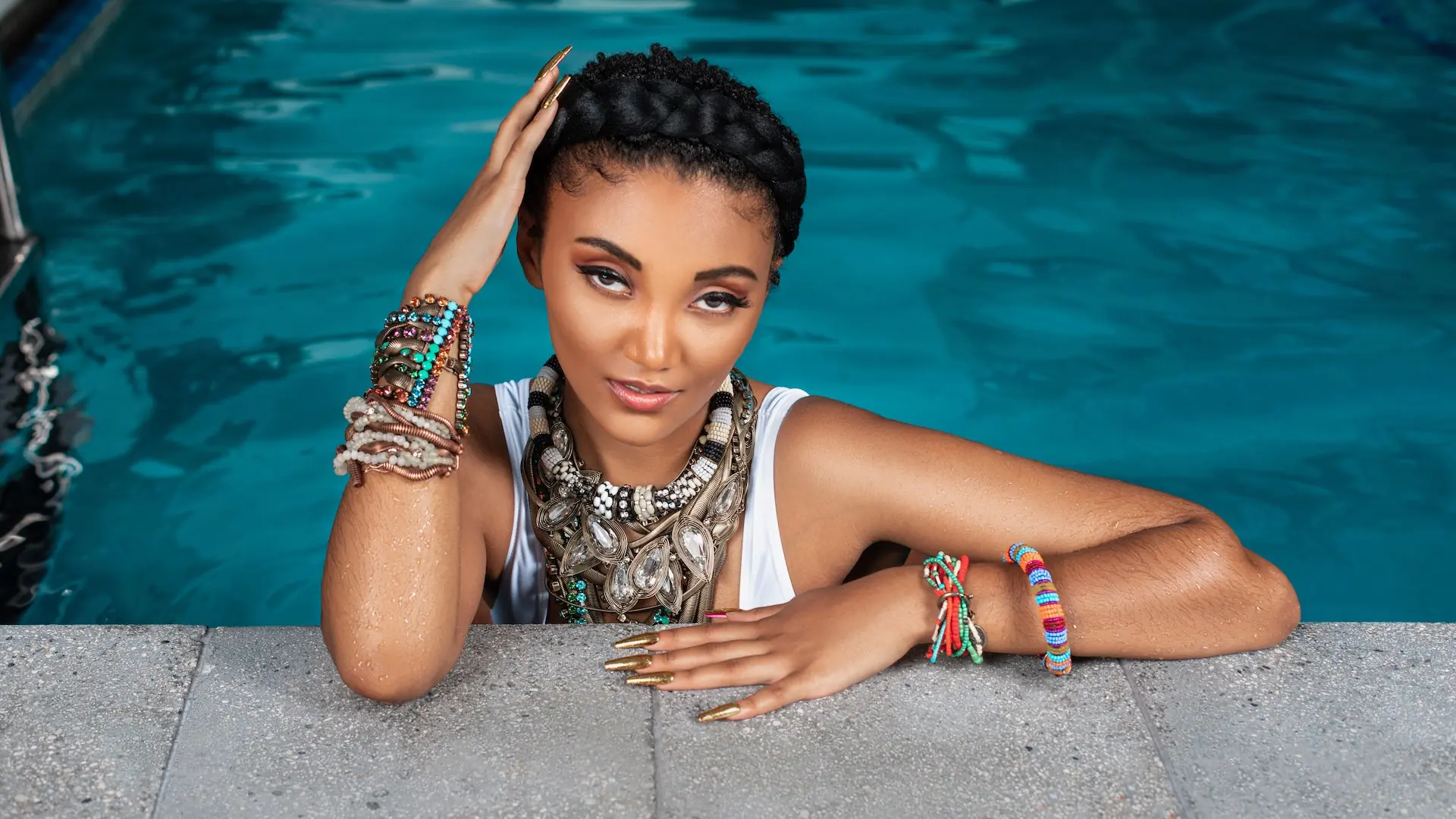
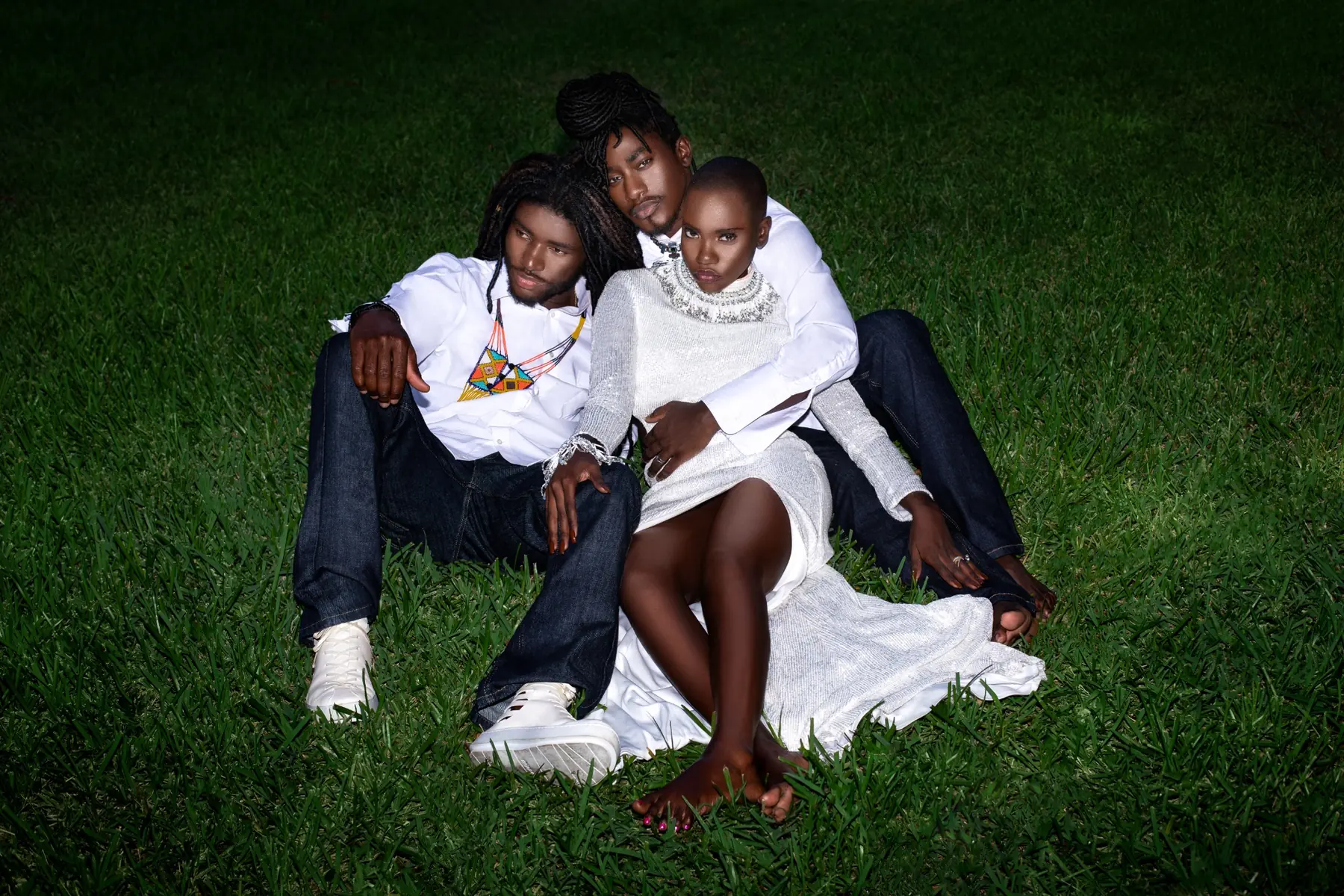
The Mangos Miami “Pool Rocker” pre-production case study shows how one concept can guide ensemble images, individual portraits, fashion details and video while preserving a recognizable campaign identity.
5. Map assets to channels before production
Do not begin with a generic request for “30 final images.” Begin with placements. A homepage banner, vertical Reel cover, email header, retailer tile and paid-social test each require different dimensions, composition, copy space and subject emphasis.
Use the Campaign Asset Planning Template to assign every planned asset to an owner, channel, format, deadline and approval stage. Then use the Content Usage Planning Template to connect the delivered files to a deployment calendar.
| Placement | Campaign job | Production requirement | Success signal |
|---|---|---|---|
| Homepage hero | Orient visitors | Wide crop, clear subject, copy space | Collection-page clicks |
| Paid social | Earn attention and test hooks | Vertical and square variations, multiple openings | CTR, CAC and ROAS |
| Convert known audiences | Fast-loading header and product detail | Click and revenue per recipient | |
| Product page | Reduce purchase uncertainty | Fit, texture, scale and styling views | Conversion and return rate |
| PR and retail | Make coverage and partner use easy | Captioned selects, credits and usage notes | Qualified placements and partner adoption |
6. Align budget, production and usage rights
The marketing budget must include more than the shoot day. Account for creative development, crew, talent, styling, location, equipment, post-production, deliverable versions, media spend, distribution, testing and licensing. The Fashion Campaign Budget Calculator helps expose costs that are often discovered too late.
Usage rights should be planned alongside channels and territories. Organic social, a regional website and international paid advertising are not the same use. Define media, duration, territory, exclusivity and third-party use before production so the license matches the campaign. See the commercial photography licensing guide and the separate explanation of paid-ad image usage.
7. Decide how the campaign will be measured
Select a small group of metrics connected to the original objective. Awareness campaigns may emphasize qualified reach, branded search and engaged sessions. Acquisition campaigns need customer acquisition cost, conversion rate and return on ad spend. Retention campaigns may use repeat purchase rate, revenue per recipient and customer lifetime value.
Use the Fashion Marketing KPI guide to match metrics to the campaign’s job. Then record what should change in the next brief. Measurement creates value only when it improves the next decision.
Example: A Collection-Launch Campaign
Imagine a premium independent label launching a 12-piece autumn capsule. The business goal is to generate €80,000 in direct-to-consumer revenue during the first eight weeks while introducing the label to a qualified audience in Germany.
The framework could translate that goal into the following plan:
- Audience: design-conscious professionals who buy fewer, better pieces and need versatile styling.
- Promise: a compact wardrobe that moves between work, travel and evening use.
- Proof: material quality, construction details, repeatable styling combinations and transparent care information.
- Campaign idea: one model moving through three parts of a day, with a consistent visual language and changing function.
- Assets: homepage hero, collection film, paid-social variations, lookbook sequences, product-page details, email headers, PR selects and retailer crops.
- Deployment: two-week anticipation phase, launch week, four-week proof and styling phase, then retargeting and final inventory push.
- Measurement: collection-page sessions, add-to-cart rate, conversion, customer acquisition cost, email revenue and sell-through by style.
This plan gives the creative team room to make strong work while protecting the commercial requirements. It also prevents one expensive hero image from becoming the campaign’s only usable asset.
Watch: Campaign Photography as a Marketing Foundation
This companion video explains why campaign photography should be planned as part of a larger marketing system rather than treated as an isolated shoot.
How to Connect Budget and Measurement
Campaign efficiency is not the same as choosing the lowest production cost. The more useful question is how much deployable value the production creates. A shoot that supplies six departments and three months of media may be more efficient than a cheaper shoot that produces only a few social posts.
Track both marketing outcomes and asset utilization:
- percentage of delivered assets actually deployed;
- number of channels and placements supported;
- cost per usable asset or variation;
- time from delivery to publication;
- performance by creative concept, crop and message;
- rework caused by missing formats or approvals; and
- revenue or qualified actions associated with the campaign.
The Fashion Content ROI Calculator helps compare production cost with deployment and business value. The point is not to assign every sale to one photograph. It is to see whether the content system is producing and using the assets the marketing plan requires.
Common Fashion Marketing Planning Mistakes
Starting with a channel instead of an objective
“We need more Reels” is an output request, not a strategy. First decide which audience behavior the campaign should influence. Then choose the formats capable of doing that job.
Using one creative execution everywhere
Consistency does not require identical assets. The campaign idea should remain recognizable while the composition, crop, pacing and message adapt to each placement.
Confusing volume with coverage
A library of 100 similar images can still leave major gaps. Coverage means having the right combination of hero, product, detail, lifestyle, vertical, horizontal and testable variations.
Planning media after the shoot
Late channel decisions create missing crops, weak copy space and unlicensed uses. Media requirements belong in pre-production.
Measuring vanity metrics alone
Reach and engagement can be useful leading indicators, but they do not prove commercial impact. Connect them to qualified visits, leads, conversion, customer economics or retention.
Failing to document what was learned
If performance data never reaches the next creative brief, the team repeats assumptions. A short post-campaign review should identify which audience, message, placement and asset variation deserve more investment.
Fashion Campaign Readiness Checklist
Before approving production, confirm that the team can answer every item below:
- Is there one primary commercial objective?
- Is the priority audience defined by buying context, not demographics alone?
- Are the promise, supporting messages and proof clear?
- Does the campaign idea express the positioning?
- Does every priority placement have an asset requirement?
- Are crops, ratios, durations, copy space and safe areas specified?
- Are deliverables assigned to owners and deadlines?
- Are media, territory, duration, exclusivity and third-party usage defined?
- Does the budget include distribution and testing, not only production?
- Are the primary KPI, baseline, target and reporting window agreed?
- Is there an approval path for creative, product, legal and final files?
- Is a post-campaign review scheduled?
Download the Fashion Campaign Planning Guide
Use the guide to turn the framework into a practical brief, asset plan and production checklist for your next campaign.
Frequently Asked Questions
What should a fashion marketing strategy include?
It should connect the business objective, audience, positioning, campaign message, creative direction, required assets, distribution channels, budget, usage rights, approvals and measurement plan. A list of promotional channels is not a complete strategy.
How far in advance should a fashion campaign be planned?
Complex campaigns often need eight to twelve weeks or more from strategic brief to launch. The right lead time depends on casting, locations, product availability, approvals, post-production and media requirements. Start early enough to make decisions deliberately rather than accepting avoidable compromises.
How many images does a fashion campaign need?
There is no useful universal number. Start with placements, formats and customer-journey roles, then calculate the required variations. Twenty purpose-built assets may outperform 100 near-duplicates.
Should campaign photography and media planning happen together?
Yes. Media placements determine ratios, crops, durations, copy space, test variations and licensing. Planning them together reduces rework and improves asset utilization.
Which KPI matters most?
The most important KPI is the one closest to the campaign’s primary objective. Awareness, acquisition, conversion and retention campaigns require different measures. Use supporting metrics to diagnose performance, but avoid judging every campaign by reach alone.
Build a Campaign System, Not Another Isolated Shoot
A useful fashion brand marketing framework creates alignment before money is committed. It gives the creative team a clear problem to solve, gives marketing the right assets to deploy and gives leadership a credible way to evaluate the investment.
To see how an ongoing production system works in practice, review the fashion magazine content retainer case study. You can also explore more fashion and beauty case studies.
Need a campaign plan before the shoot?
Request a free visual audit to identify content gaps, channel requirements and production priorities before your next fashion or beauty campaign.