
A fashion product launch strategy should connect the commercial goal, audience, offer, campaign content, inventory, channels and measurement before production begins. This guide shows how to build that system—from first positioning decisions to post-launch optimization.
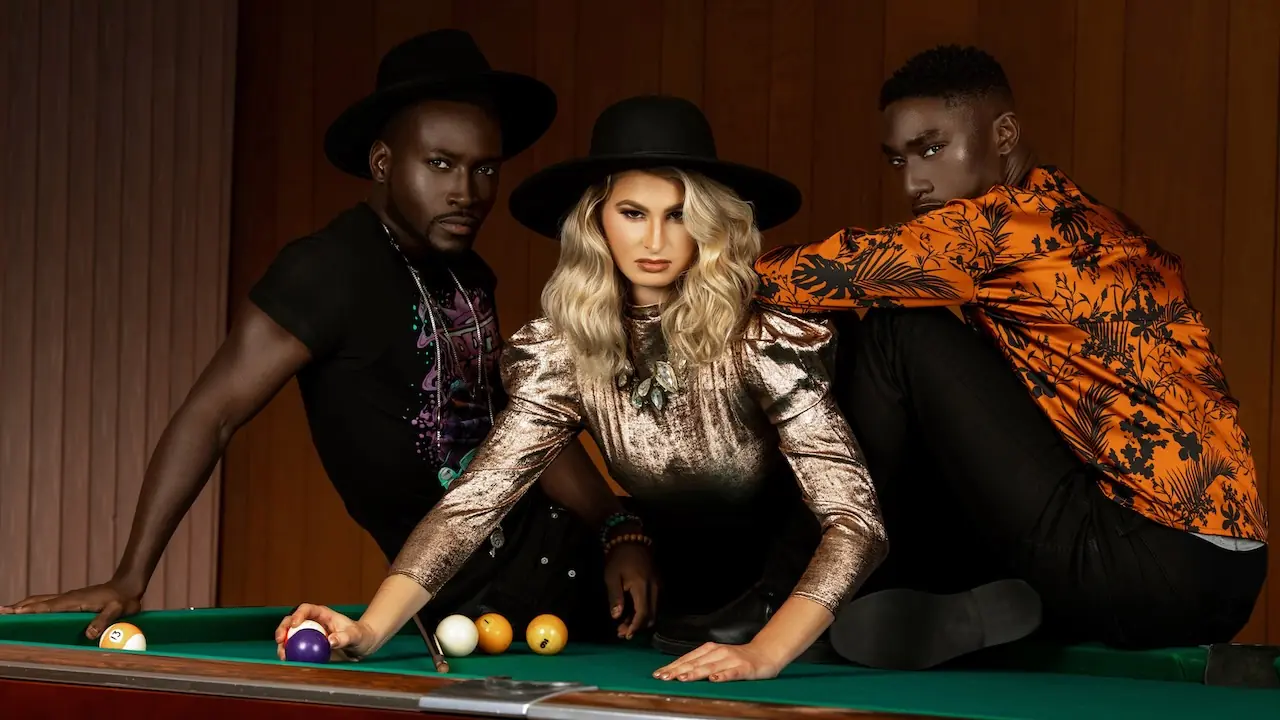
Many fashion brands treat launch day as the main event. But customers rarely move from silence to purchase because of one announcement. They need a reason to notice the product, enough proof to understand its value and a clear path to buy it. The real work is not creating a single moment. It is designing a connected launch system.
For merchandise and collection launches: the same seven-step framework applies whether you are releasing apparel, accessories, beauty products or branded merchandise. Validate demand, define the offer, build the campaign concept, produce channel-specific assets, sequence pre-launch and launch communications, and measure sell-through rather than treating launch day as the finish line.
Pair this strategy with the fashion marketing calendar and product-launch KPI guide.
This guide explains how to plan that system across positioning, campaign production, e-commerce, email, organic social, paid media, PR, inventory and post-launch learning. For the execution layer, keep the 35-step Fashion Product Launch Checklist open alongside this article. For production deadlines, casting, approvals and asset delivery, use the separate Fashion Campaign Timeline.
What Is a Fashion Product Launch Strategy?
A fashion product launch strategy is the coordinated plan used to introduce a product, capsule, collection, collaboration or category to the market. It defines who the launch is for, why the product matters, how demand will be built, which assets each channel needs, when each message appears and how the team will respond to performance.
It is more than a creative concept and more than a content calendar. A complete strategy aligns seven parts:
- Commercial objective: the result the launch must produce.
- Audience: the customer segment most likely to value the offer.
- Positioning: the reason the product deserves attention now.
- Offer: the product, price, availability, experience and incentive structure.
- Content system: the campaign, product, proof and conversion assets.
- Deployment: the sequence across owned, earned, retail and paid channels.
- Measurement: the signals used to improve the launch while it is active.
Campaign photography is one component of that strategy—not a substitute for it. Strong images attract attention, but they also need to answer channel-specific and customer-specific questions. Otherwise, a campaign can generate admiration without generating enough action.
Why Fashion Launches Underperform Before They Go Live
Weak launches often appear to fail in the market, but many fail in planning. A brand confirms the collection, chooses a launch date and schedules a shoot before marketing, e-commerce and operations define what they need. By then, production has already limited the campaign.
Common structural problems include:
- the audience is too broad to guide casting, styling or messaging;
- the product story lists features without explaining relevance;
- the campaign concept looks distinctive but does not clarify the product;
- the shot list is based on image quantity rather than channel use;
- email, e-commerce, PR, paid media and organic social are planned separately;
- inventory, fulfillment and customer service are disconnected from promotion;
- the team measures revenue without tracking the signals that explain it.
The uncomfortable truth is that a visually unusual campaign is not automatically differentiated in a commercially useful way. The creative idea must dramatize the product’s value rather than compete with it.
The Seven-Part Fashion Product Launch Framework
1. Start With One Primary Business Goal
Define what the launch is expected to change. Is the priority immediate sell-through, first-time customer acquisition, email-list growth, entry into a new category, retail traffic or long-term brand positioning? Several outcomes can matter, but one should lead because each requires a different launch design.
A limited capsule may emphasize scarcity, creator seeding and a short conversion window. A permanent core product may need education, search visibility, evergreen product imagery, testimonials and repeated paid testing. The same launch calendar should not be used for both.
Before production, answer these questions:
- What commercial outcome must the launch create?
- Which product or category is the priority?
- Who is the primary customer?
- What tension, desire or problem does the product address?
- What proof makes the claim credible?
- Which channels will create discovery, consideration and conversion?
- Which operational constraint could weaken the campaign?
- Which metrics will determine success?
If costs are still unclear, use the fashion campaign budget calculator before creative assumptions harden.
2. Define the Audience and Positioning
“Women aged 25–45 who like fashion” is not a strategic audience. It is too broad to guide casting, styling, media selection or objection handling. A useful audience definition combines context, motivation and friction.
For example: design-aware professionals who want expressive tailoring but hesitate to buy statement pieces because versatility is unclear. That description creates practical production questions: Which looks prove versatility? Which settings make the garment feel relevant? Which details justify the price? Which formats demonstrate movement, fit and repeat wear?
Translate the audience insight into an internal positioning statement:
For [specific customer], [product] is the relevant choice because it delivers [distinct outcome], supported by [credible proof].
Internal enthusiasm is not customer value. If a material is innovative or a silhouette took months to perfect, explain what that changes for the person wearing it.
3. Pressure-Test the Offer Before Promoting It
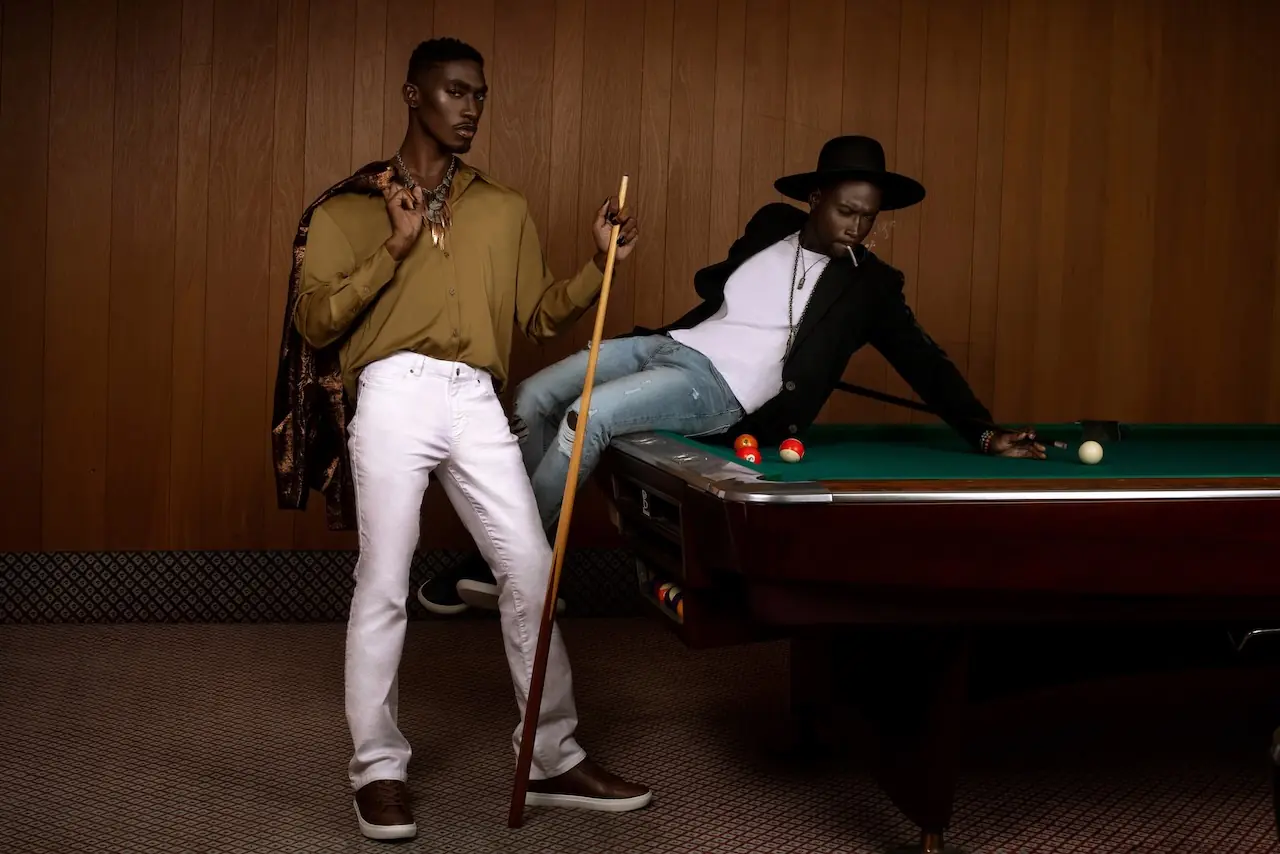
Marketing cannot permanently compensate for a weak offer. Confirm the hero SKU, price architecture, range depth, sizing, bundles, availability, delivery promise, return policy and stock position before increasing demand.
A hero product gives the launch a recognizable visual and narrative center. Supporting products can expand basket size and demonstrate the larger collection, but equal emphasis across every SKU usually weakens memory.
Then examine the buying decision. Does the product page show scale, texture, construction, fit, movement and styling options? Is sizing easy to understand? Is the price supported by evidence? Are delivery and returns visible? Use the PDP Image Checklist before sending more traffic to the page.
4. Build an Asset System, Not a Folder of Favorite Images
Once the objective, audience, positioning and offer are clear, ask what the customer must see, understand, feel and believe at each stage. That produces an asset system rather than a collection of attractive images.
| Asset layer | Job | Typical uses |
|---|---|---|
| Brand | Establish the campaign world and emotional promise | Homepage, PR, organic social |
| Hero campaign | Create recognition and carry the launch idea | Launch page, paid awareness, key visual |
| Product | Show fit, construction, material, color and detail | PDP, email, retail, press kit |
| Consideration | Demonstrate styling, movement and versatility | Reels, carousels, product education |
| Conversion | Reduce purchase friction and clarify the offer | Retargeting, email modules, PDP |
| Proof | Build trust through process, reviews or expertise | PR, testimonials, founder content |
| Variation | Create multiple hooks, crops and sequences for testing | Paid media and short-form video |
Map each deliverable to a channel, format, launch phase, message and owner with the campaign asset planning template. Define usage and licensing before the shoot so that compositions are created natively for horizontal, vertical, square, print and paid placements.

5. Sequence Content Around Customer Decisions
Do not repeat the same announcement across every channel. Each piece should perform a specific job.
Pre-launch: Build qualified anticipation
Introduce the tension, point of view, process or design idea that makes the product relevant. Pure mystery often produces shallow attention. Give the right audience enough substance to recognize that the release is for them.
Launch: Make the product and action unmistakable
State what is available, why it matters, who it is for, what it costs and what the customer should do. The campaign, product page, email, social profile, retail environment and paid creative should feel connected.
Post-launch: Add proof and address hesitation
Use customer questions, product views, sales by SKU, creative performance and return reasons to identify friction. If people engage with a jacket but hesitate at checkout, the next content may need to demonstrate fit, fabrication, styling range or cost per wear—not repeat the campaign film.
For a channel-by-channel breakdown, read what fashion brands need before launch.
6. Connect Marketing With Inventory and Customer Experience
Marketing success can expose operational weakness. If demand arrives but key sizes are unavailable, shipping promises are unclear or service teams lack answers, attention becomes frustration.
Before launch, confirm:
- inventory by SKU, size, color and market;
- product-page accuracy and mobile performance;
- tracking, attribution and email capture;
- delivery windows and return procedures;
- customer-service scripts and escalation paths;
- contingency plans for delayed stock or unexpected demand;
- approval ownership for creative and commercial changes.
7. Set Decision Rules Before the Data Arrives
A dashboard does not create a strategy. Decide in advance what the team will change when a signal moves. For example: if product-page traffic is strong but add-to-cart rate is weak, investigate product clarity and offer friction before buying more reach. If add-to-cart is healthy but checkout completion is weak, examine delivery, payment and trust signals.

Watch: Building Campaign Assets That Keep Working
This companion video explains how strategic fashion campaign production creates assets that continue delivering value after the shoot. It supports the asset-system section of this launch framework.
A Practical 12-Week Fashion Product Launch Plan
| Timing | Priority | Required outputs |
|---|---|---|
| Weeks 12–10 | Strategy and commercial alignment | Goal, audience, positioning, hero products, offer, budget, markets, KPIs |
| Weeks 9–7 | Creative and asset planning | Concept, message architecture, casting, styling, licensing, asset matrix |
| Weeks 6–5 | Production | Campaign, product, e-commerce, video and channel-native variations |
| Weeks 4–3 | Post-production and assembly | Approved exports, pages, emails, ads, PR materials, tracking tests |
| Weeks 2–1 | Pre-launch activation | Early access, seeding, previews, audience response and final adjustments |
| Launch week | Coordinated release | Sales open, channel activation, monitoring and rapid decisions |
| Weeks 1–4 after | Proof and optimization | Education, reviews, creative tests, merchandising changes and learning log |
Use the detailed 12-week product launch campaign timeline to assign owners and deadlines.
Fashion Product Launch KPIs and Diagnostic Questions
| Stage | Question | Useful signals |
|---|---|---|
| Attention | Did the right audience notice? | Qualified reach, video retention, press pickup, direct traffic |
| Interest | Did the product create curiosity? | Landing-page visits, sign-ups, saves, product views |
| Consideration | Did customers engage with the offer? | Size-guide use, repeat visits, add-to-cart rate, email clicks |
| Conversion | Did interest become revenue? | Conversion rate, units sold, revenue, acquisition cost |
| Product response | Which products and claims worked? | Sell-through by SKU, size curve, returns, review themes |
| Creative learning | Which content moved customers? | Hook performance, CTR, assisted conversion, fatigue |
Revenue is the commercial outcome, but it does not explain performance by itself. Use the fashion marketing KPI guide and fashion content ROI calculator to connect creative activity with business results.
Common Fashion Product Launch Mistakes
Planning the photoshoot before the customer journey
When the visual concept comes first, teams discover missing formats and missing product proof after production. Define customer decisions and channel jobs before approving the treatment.
Using one hero image as the entire campaign
A hero image creates recognition but cannot show every detail, answer every objection or support every platform. Plan a hierarchy of brand, product, proof and conversion assets.
Making pre-launch content too mysterious
Mystery can create intrigue, but it can also attract people who will never value the product. Reveal enough of the perspective, craft or benefit to build qualified demand.
Stopping communication after launch day
Many customers miss the first announcement; others need several encounters before buying. Post-launch content should deepen understanding and respond to real behavior.
Scaling paid media before the conversion path is ready
More traffic magnifies both strengths and weaknesses. Do not scale spend faster than product pages, inventory, fulfillment and creative variation can support.
Frequently Asked Questions
How early should a fashion brand plan a product launch?
Many launches benefit from at least 8–12 weeks of coordinated planning. Larger productions, collaborations, retail activations, international releases and major PR programs may need longer. Build the schedule around the longest critical dependency—not merely the posting calendar.
What content does a fashion product launch need?
Most launches need a mix of campaign, product, e-commerce, social, email, advertising, PR and trust-building assets. The exact mix should follow the audience, channels, price point and buying objections. Asset quantity alone is not a strategy.
When should campaign photography be produced?
Produce photography after positioning, channel requirements, usage, formats and the asset matrix are defined. Finish early enough for selection, retouching, editing, page creation, media delivery, testing and approvals.
How do fashion brands create launch momentum?
Momentum comes from accumulated, coordinated attention. Build recognition before availability, make the release clear on launch day and add proof afterward. A sequence of distinct but connected messages is stronger than one repeated announcement.
How should a fashion launch be measured?
Measure attention, interest, consideration, conversion, product response, customer quality and creative learning. Revenue is the final commercial result; earlier indicators show where the system is working or breaking.
Final Perspective: Treat the Launch as a System, Not a Date
A strong fashion product launch strategy connects every decision. The business objective shapes the audience. The audience shapes the positioning. The positioning shapes the offer and campaign. The campaign shapes the asset system. The asset system supports a sequenced launch. Performance data then improves both the active campaign and the next production.