
Learn how to build a Fashion Campaign Calendar that helps fashion brands plan launches, campaigns, content, and marketing months in advance for better results.
Most fashion brands don’t struggle because they lack creativity. Instead, they struggle because they lack a Fashion Campaign Calendar.
A useful fashion marketing calendar works backward from commercial dates. Map product drops, wholesale deadlines, retail moments and paid-media windows first. Then assign briefing, production, approval, delivery and distribution dates with enough buffer for revisions.
Use it with the fashion product launch strategy and campaign asset production plan.
Many companies approach marketing one campaign at a time. A product launches, they organize a photoshoot, create social media content, run advertisements, and then repeat the process a few months later. Although this approach can produce attractive imagery, it often leads to inconsistent branding, rushed productions, unnecessary expenses, and content shortages.
By contrast, the strongest brands operate differently. Rather than asking “What should we shoot next month?” they ask: “What stories do we want to tell over the next twelve months?”
That single shift changes everything.
A well-designed Fashion Campaign Calendar aligns creative direction, product launches, seasonal collections, marketing channels, advertising campaigns, editorial opportunities, influencer collaborations, and production schedules into one strategic system.
Consequently, every photoshoot has a purpose, every image supports multiple marketing objectives and every campaign builds upon the previous one.
Instead of reacting to deadlines, your team begins creating long before customers ever see a product.
This proactive approach doesn’t simply reduce stress. More importantly, it creates consistency, the one characteristic that separates recognizable brands from forgettable ones.
If your campaigns always feel rushed, your marketing probably isn’t suffering from a creativity problem. Instead, it may simply be missing a structured fashion marketing calendar.
Why Fashion Brands Need a Fashion Campaign Calendar
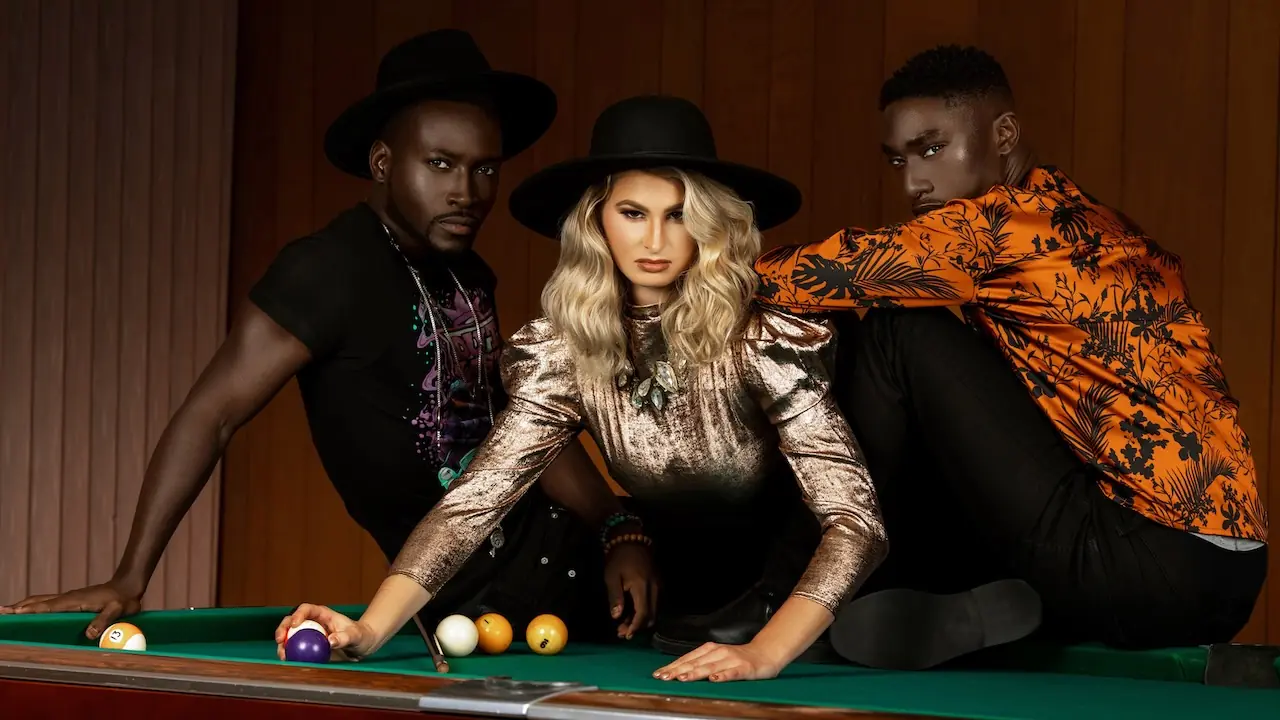
Fashion moves quickly. New collections arrive every season. Consumer behavior changes constantly. Marketing channels evolve. Trends emerge and disappear within weeks.
Without a structured Fashion Campaign Calendar, every campaign becomes an emergency. Marketing teams rush to produce content, photographers scramble to organize shoots, designers approve assets at the last minute and paid advertising launches before creative assets are fully optimized.
As a result, every department spends more time reacting than planning. Conversely, brands that use an annual campaign calendar work several months ahead.
Their campaigns are already photographed while competitors are still searching for models, paid advertising creatives are prepared before launch dates, email marketing has already been written, social media calendars are complete, website banners are designed and retailers receive promotional materials on time.
Learn more about homepage campaign planning.
Everything works together because everything was planned together. This level of preparation allows marketing teams to focus on performance instead of production.
If you’re still planning campaigns one at a time, you may find our guide on Fashion Campaign Timeline: How to Plan Every Stage From Strategy to Launch especially useful.
That framework explains how individual campaigns are organized. In contrast, a Fashion Campaign Calendar shows how those campaigns connect throughout the entire year.
The Biggest Mistake Brands Make
Many brands confuse scheduling with strategy. Simply writing “Spring Campaign” in March or “Holiday Campaign” in November does not constitute a Fashion Campaign Calendar. A calendar without strategy merely records deadlines.
A strategic campaign calendar answers much bigger questions:
- Why are we producing this campaign?
- Which products does it support?
- Which audience is it targeting?
- How will these assets be used?
- Which paid campaigns depend on this production?
- Which retail partners require marketing materials?
- What content can be repurposed later?
Therefore, the calendar becomes much more than a project management tool; it becomes the operating system for your marketing department.
This philosophy closely aligns with our article on Fashion Brand Content Strategy, which explains why content should function as a long-term business asset instead of disposable social media material.
Together, these systems create a marketing engine rather than isolated campaigns.
What a Modern Fashion Campaign Calendar Includes
A professional Fashion Campaign Calendar extends far beyond production dates, instead, it maps the entire customer journey. Most successful fashion brands organize their calendars around six major categories.
1. Product Launches
Every collection launch should appear months before production begins.
Include:
- Collection releases
- Capsule collections
- Collaborations
- Limited editions
- Product drops
- Retail launches
Planning these milestones first allows every subsequent marketing activity to support them.
After placing each release on the calendar, use this checklist for planning a fashion product launch to assign the required strategy, production, ecommerce and promotional tasks.
2. Campaign Production
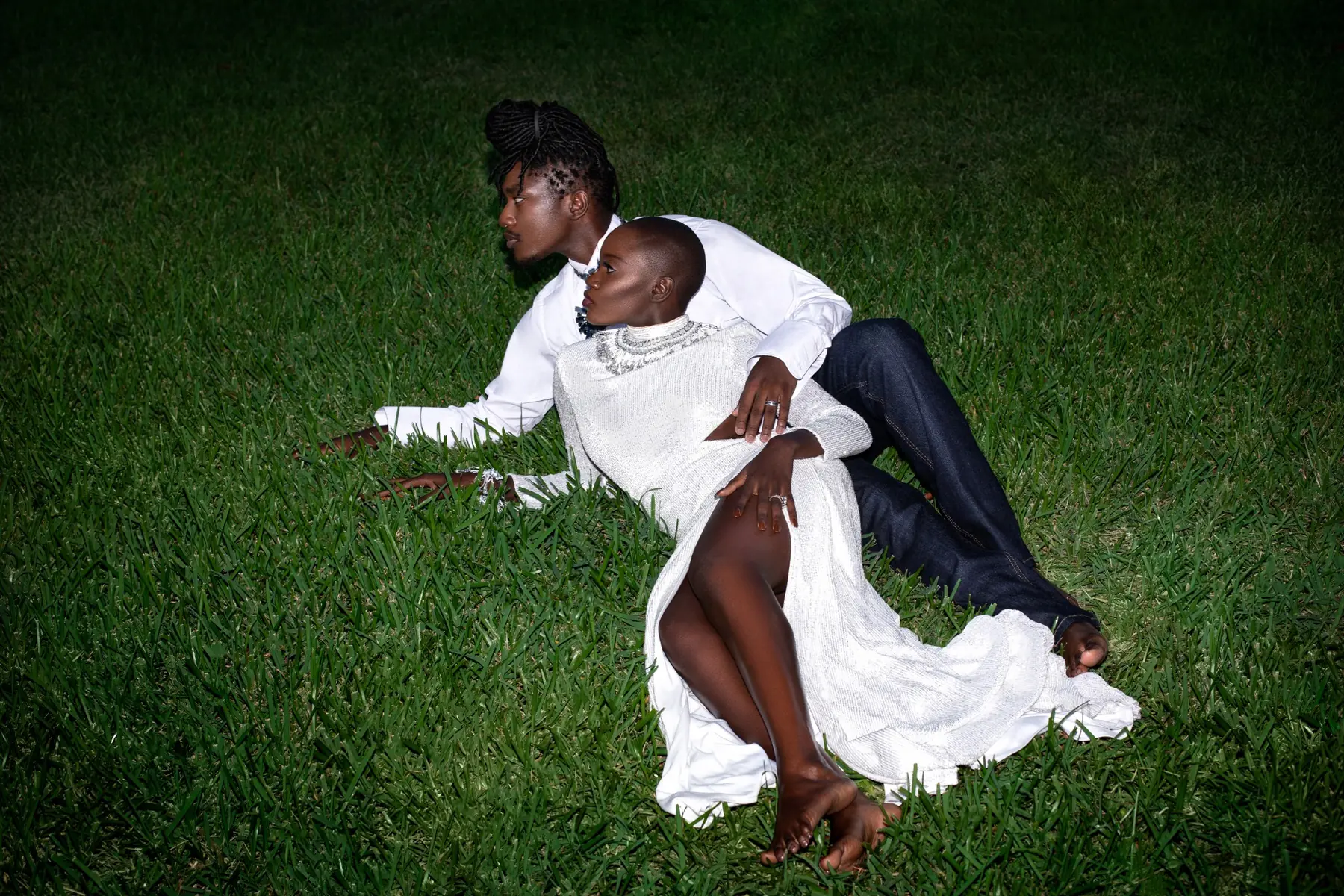
Next, schedule every creative production required to support those launches.
This includes:
- Campaign photography
- Product photography
- Editorial photography
- Video production
- Behind-the-scenes content
- Lifestyle imagery
- Paid advertising assets
- E-commerce photography
Rather than producing isolated shoots, every production should create assets for multiple marketing channels.
If you’re unsure how to structure campaigns this way, read: How to Plan a Fashion Campaign Shoot That Delivers Better Content and Better Results.
🎥 Watch the Companion Video
Prefer video? This companion episode explains the principles behind high-performing fashion campaign photography and how strategic campaign production creates marketing assets that continue delivering value long after the shoot.
3. Content Distribution

Creating content is only the beginning. Your fashion content calendar should also determine when each asset appears across every marketing platform.
For example:
- TikTok
- YouTube
- Website
- Email marketing
- PR
- Retail displays
Instead of publishing everything immediately after production, successful brands stretch campaigns across weeks or even months. Consequently, every production generates significantly more return on investment.
4. Paid Advertising
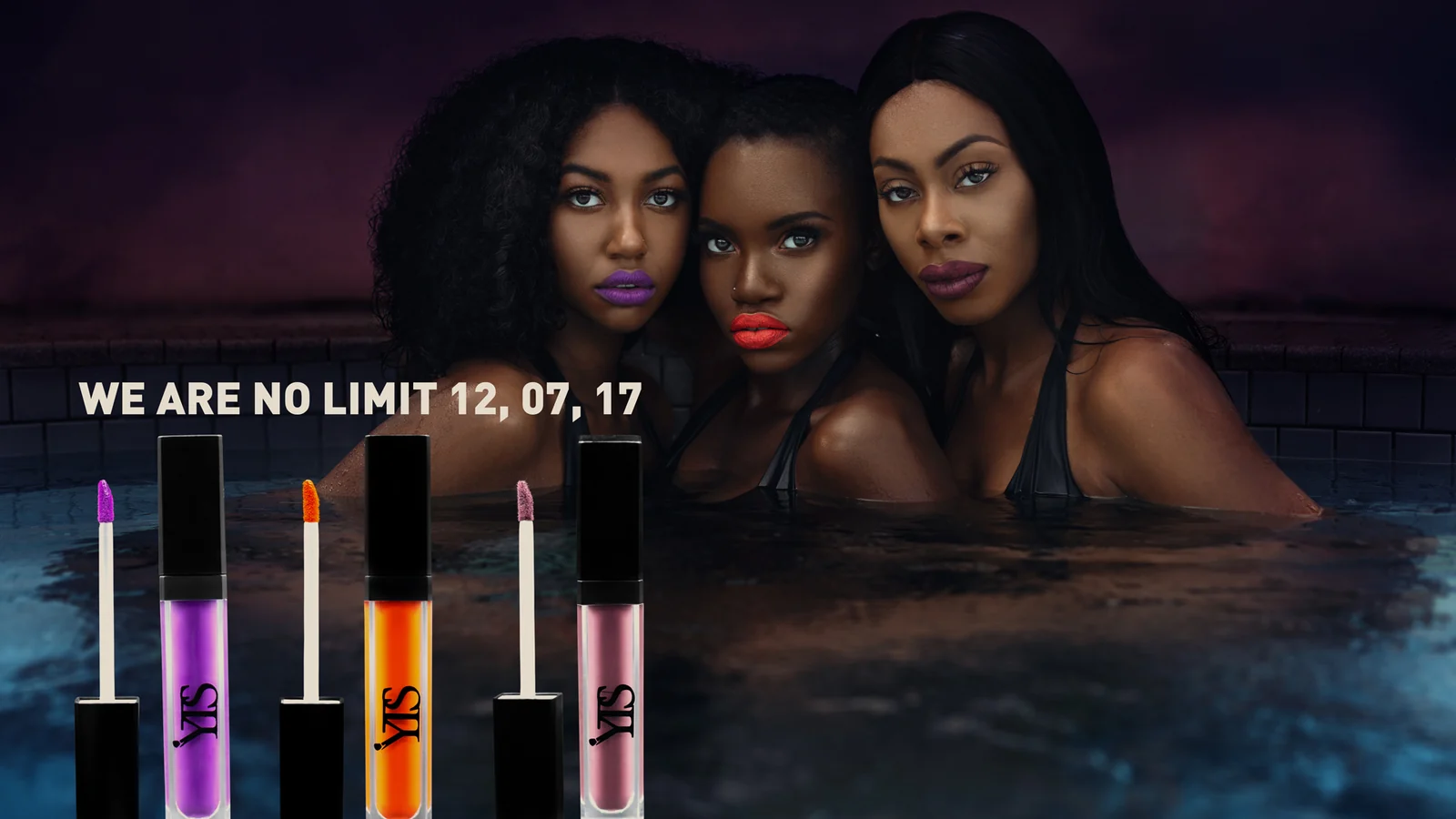
Campaigns should never be photographed solely for organic social media.
Instead, plan assets specifically for:
- Meta Ads
- Google Ads
- Pinterest Ads
- TikTok Ads
- Display advertising
- Retargeting campaigns
When advertising requirements are considered before production, creative teams capture exactly what paid media needs. That significantly improves campaign efficiency while reducing expensive reshoots.
Our Fashion Marketing Checklist provides an excellent framework for ensuring every marketing asset is prepared before launch.
5. Seasonal Events

Every year contains predictable marketing opportunities. Your Fashion Campaign Calendar should include:
- Spring collections
- Summer campaigns
- Fall launches
- Winter collections
- Black Friday
- Cyber Monday
- Holiday gifting
- Valentine’s Day
- Mother’s Day
- Father’s Day
- Fashion Week events
- Trade shows
- Retail promotions
Since these events occur every year, they should already exist within next year’s calendar. Planning them early prevents unnecessary production pressure.
6. Performance Reviews
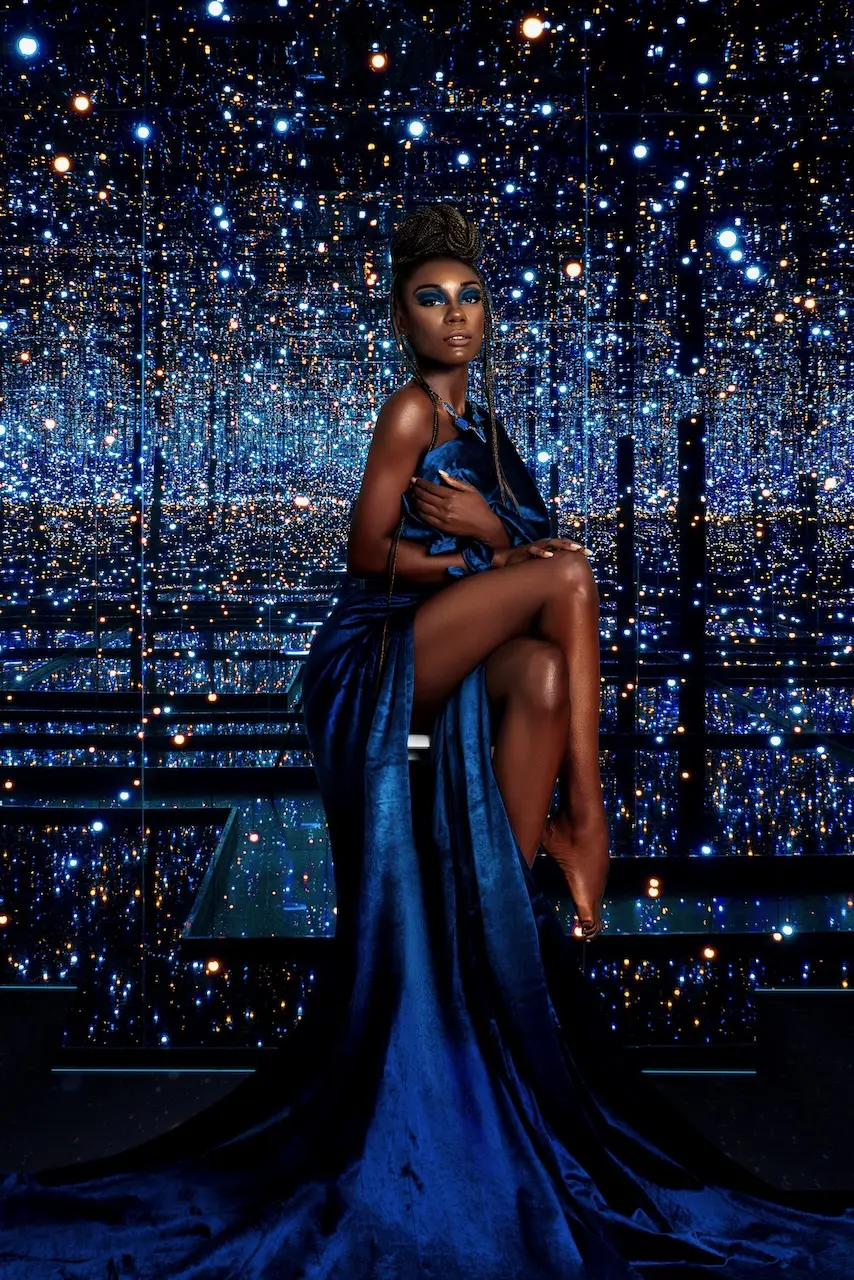
Finally, reserve time for evaluation. Marketing improves only when campaigns are measured.
After every campaign, review:
- Sales performance
- Advertising ROI
- Website conversions
- Email performance
- Social engagement
- Content reuse
- Licensing opportunities
- Production efficiency
These insights inform future campaigns and help refine your fashion campaign planning process over time.
The Annual Fashion Campaign Calendar Framework
One of the biggest advantages of using a Fashion Campaign Calendar is that it transforms marketing from a series of isolated projects into a continuous growth system.
Rather than thinking in weeks, successful fashion brands think in quarters. Each quarter serves a different strategic purpose, while also preparing the business for the next collection launch.
For example, the content produced in January may still support paid advertising in April. Likewise, a summer campaign often begins planning during the winter months.
This long-term perspective allows brands to maximize every production investment instead of constantly starting from scratch.
In fact, this approach closely complements our Fashion Product Launch Strategy guide, which explains how campaign planning should begin long before products become available to customers.
When your annual campaign calendar and launch strategy work together, every collection enters the market with consistent messaging, stronger creative assets, and significantly better marketing support.
How Far in Advance Should Fashion Brands Plan Their Campaign Calendar?
One of the most common questions marketing teams ask is: “How far ahead should we actually plan?”
The answer depends on the size of your brand, the complexity of your collections, and the number of marketing channels you manage. However, one principle remains consistent: The further ahead you plan, the more strategic your campaigns become.
Many brands only begin planning six to eight weeks before a launch. Unfortunately, that leaves little time for creative development, production, revisions, distribution, and advertising optimization.
Instead, a high-performing Fashion Campaign Calendar should operate on multiple planning horizons simultaneously.
12 Months Ahead
At the annual level, define your biggest business milestones.
Include:
- Seasonal collections
- Capsule collections
- Product launches
- Collaborations
- Fashion Week opportunities
- Retail promotions
- Major sales events
- Brand campaigns
These milestones become the backbone of your fashion marketing calendar.
6 Months Ahead
Once annual milestones are established, begin campaign development.
This includes:
- Creative concepts
- Mood boards
- Campaign objectives
- Budget planning
- Photographer selection
- Model casting
- Location scouting
- Licensing requirements
By starting early, creative decisions support business objectives rather than reacting to deadlines.
If you’re planning campaign budgets alongside your calendar, our Campaign Budget Calculator can help estimate production costs before committing resources.
3 Months Ahead
Production planning becomes more detailed.
Schedule:
- Shoot dates
- Product availability
- Sample logistics
- Hair and makeup teams
- Stylists
- Production assistants
- Equipment rentals
- Video production
- Behind-the-scenes coverage
Every department should understand its responsibilities long before production begins.
1 Month Ahead
Now it’s time to finalize deliverables.
Prepare:
- Social media calendars
- Email campaigns
- Landing pages
- Website updates
- Advertising creatives
- Retail assets
- PR materials
- Editorial submissions
Nothing should still be waiting for production at this stage, instead, marketing teams should focus entirely on execution.
Building a Fashion Campaign Calendar Around Content Reuse

One of the most expensive mistakes fashion brands make is assuming every campaign requires an entirely new photoshoot. In reality, a well-designed Fashion Campaign Calendar prioritizes content reuse.
The goal isn’t simply to produce more content but to produce content that continues creating value long after production ends.
For example, a single campaign shoot might generate:
- Hero website banners
- E-commerce product imagery
- Instagram posts
- Reels
- TikTok videos
- Pinterest graphics
- Email headers
- Digital advertisements
- Retail displays
- Press releases
- Editorial submissions
- Sales presentations
- Investor materials
Instead of treating every asset independently, successful brands think in systems.
This philosophy is explored in greater depth in our article: Content Systems vs Random Shoots – Which Actually Scales
Your fashion content calendar should determine not only when content is published but also how many times it can be repurposed across different platforms.
Consequently, every production investment generates a significantly higher return.
Coordinating Every Department With One Calendar
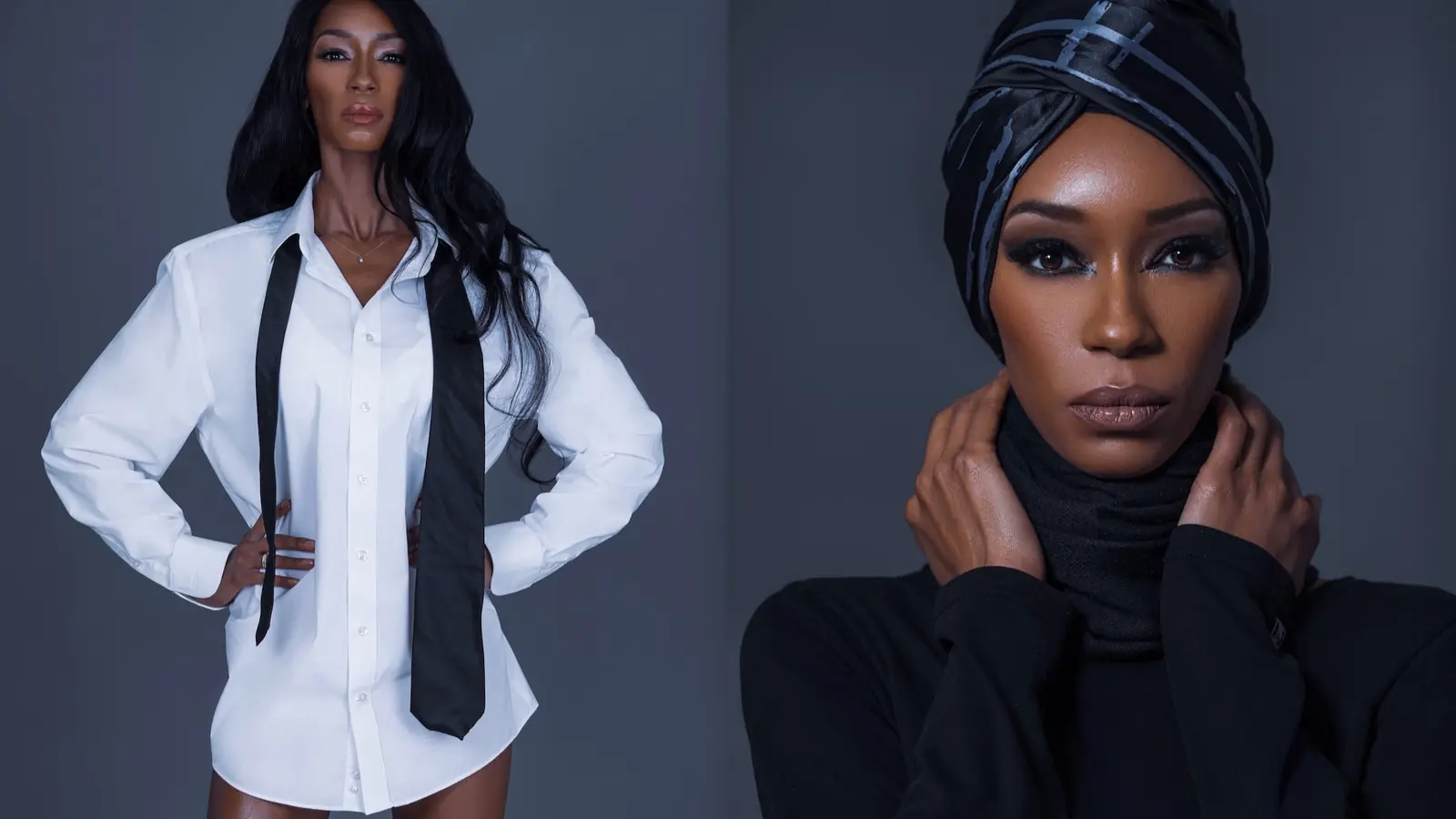
A Fashion Campaign Calendar isn’t just a marketing tool but a business coordination tool. Every department benefits from having a shared timeline.
Creative Team
Creative directors know:
- Campaign themes
- Visual direction
- Brand messaging
- Seasonal storytelling
Design Team
Graphic designers can prepare:
- Website assets
- Lookbooks
- Catalogs
- Digital advertisements
- Packaging graphics
Photography Team
Photographers understand:
- Campaign priorities
- Required deliverables
- Advertising requirements
- Licensing needs
- Future campaign objectives
Rather than simply producing beautiful images, photographers become strategic partners in achieving marketing goals.
Marketing Team
Marketing managers coordinate:
- Paid advertising
- Social media
- Email campaigns
- PR
- Influencer collaborations
- Retail promotions
Everything launches together rather than in disconnected phases.
Sales Team
Sales representatives receive:
- Updated imagery
- Product information
- Presentation materials
- Retail marketing assets
Consequently, sales conversations remain aligned with current campaigns.
Leadership Team
Executives gain visibility into:
- Marketing investments
- Production timelines
- Launch schedules
- Budget allocation
- Campaign performance
That makes forecasting significantly more reliable.
Common Fashion Campaign Calendar Mistakes
Even brands that use a Fashion Campaign Calendar often make several strategic mistakes. Recognizing these issues early can dramatically improve campaign performance.
Mistake 1: Planning Shoots Instead of Campaigns
Many calendars list photography dates. However, they fail to define:
- Business objectives
- Marketing goals
- Target audiences
- Distribution strategies
A production schedule alone is not a campaign calendar.
Mistake 2: Ignoring Paid Media
Organic content rarely justifies the full production investment, instead, every campaign should generate assets specifically designed for advertising.
Planning paid media requirements before production improves creative quality while reducing additional expenses later.
Mistake 3: Treating Every Launch Independently
Your spring campaign should strengthen your summer campaign, your summer campaign should support your holiday launch and every campaign should reinforce long-term brand recognition.
Disconnected campaigns waste valuable momentum.
Mistake 4: Underestimating Asset Requirements
Brands often underestimate how much content modern marketing requires.
Today’s campaigns need:
- Vertical video
- Horizontal imagery
- Square formats
- Website banners
- Product photography
- Lifestyle imagery
- Paid advertising creatives
- Email graphics
- Retail materials
- Editorial submissions
Our Campaign Asset Planner for Successful Marketing provides a structured framework for identifying every required deliverable before production begins.
Mistake 5: Measuring Production Instead of Results
A successful campaign isn’t measured by:
- Number of photos
- Number of videos
- Production budget
- Shooting days
Instead, evaluate:
- Revenue
- Return on ad spend
- Customer acquisition
- Conversion rate
- Website engagement
- Lifetime value
- Content longevity
The most effective fashion campaign planning focuses on business outcomes rather than production metrics.
Fashion Campaign Calendar Checklist
Before launching your next campaign, ask yourself the following questions.
- Are campaign objectives clearly defined?
- Does every photoshoot support multiple marketing channels?
- Are advertising assets planned before production?
- Is content scheduled across the entire customer journey?
- Have product launches been coordinated with marketing?
- Are creative teams working several months ahead?
- Are campaign assets designed for reuse?
- Have performance review dates been scheduled?
- Is every department following the same timeline?
- Does every campaign contribute to long-term brand growth?
If you answered “no” to several of these questions, your Fashion Campaign Calendar likely has room for improvement.
Conclusion
A successful Fashion Campaign Calendar is far more than a production schedule. It serves as the strategic framework that connects product launches, campaign planning, content creation, paid advertising, creative production, sales enablement, and long-term brand growth.
Instead of asking, “What should we shoot next?”, leading fashion brands ask, “How does this campaign support the next twelve months of marketing?”
That shift in thinking changes everything.
When every campaign is planned within a unified fashion marketing calendar, creative decisions become more intentional, production becomes more efficient, and marketing delivers stronger, more measurable business results.
Most importantly, every photoshoot becomes an investment rather than a one-time expense. The brands that consistently outperform their competitors aren’t necessarily producing more content.
They’re producing smarter content, planned months in advance, aligned with clear business objectives, and deployed through a carefully structured Fashion Campaign Calendar that keeps their brand visible, relevant, and ready for every opportunity throughout the year.
Frequently Asked Questions (FAQ)
What is a Fashion Campaign Calendar?
A Fashion Campaign Calendar is a strategic planning system that organizes product launches, marketing campaigns, content production, advertising, and seasonal promotions across the entire year. It helps fashion brands coordinate every department while maintaining consistent messaging and efficient production.
How far ahead should fashion brands plan campaigns?
Most successful brands plan major campaign milestones 12 months in advance, begin creative development six months before launch, organize production three months ahead, and finalize marketing assets one month before campaigns go live.
Why is a Fashion Campaign Calendar important?
A structured Fashion Campaign Calendar reduces last-minute production, improves collaboration across teams, supports paid advertising, maximizes content reuse, and creates more consistent brand storytelling throughout the year.
What’s the difference between a Fashion Campaign Calendar and a content calendar?
A fashion content calendar focuses on publishing content across marketing channels, while a Fashion Campaign Calendar coordinates the entire business process, including product launches, campaign planning, photography, advertising, distribution, and performance analysis.
How does a Fashion Campaign Calendar improve ROI?
By planning campaigns strategically, brands produce content that can be reused across websites, email marketing, paid advertising, social media, PR, retail displays, and sales materials. This increases the value of every production while reducing the need for additional shoots.
Continue Building Your Fashion Marketing Strategy
To translate the calendar into scheduled productions, review the ongoing brand content partnerships or share your campaign dates and asset requirements for a defined project.
- Fashion Brand Content Strategy: How to Build a Content System That Drives Growth
- Fashion Campaign Timeline: How to Plan Every Stage From Strategy to Launch
- Fashion Marketing Checklist: The Complete Guide to Planning Campaigns That Drive Sales
- Fashion Marketing Campaign: How Successful Fashion Brands Plan Campaigns That Generate Sales, Not Just Beautiful Images
- Campaign Asset Planner for Successful Marketing
- Campaign Budget Calculator
- Content Systems vs Random Shoots: Which Actually Scales?
- How to Plan a Fashion Campaign Shoot That Delivers Better Content and Better Results