
Cosmetic campaign shoot planning determines whether a beauty production becomes a useful marketing system or merely a set of attractive images. The strongest campaigns begin with the business objective, product promise, audience, channel plan and usage requirements. Only then should the team translate the strategy into creative direction, a shot list and a production schedule.
This guide explains that execution layer. For the broader strategic foundation, start with the complete beauty campaign photography guide.
Watch: What Makes a Cosmetic Campaign Shoot Perform?
The video introduces the core planning principles. The sections below turn them into a practical pre-production framework.
What Does “High-Performing” Actually Mean?
A high-performing campaign is not defined by likes, image count or visual polish alone. It creates the right assets for the campaign objective and gives each team what it needs to launch, test, sell and learn.
Performance can therefore include several outcomes:
- clearer product positioning and stronger brand recognition;
- complete asset coverage across web, e-commerce, paid media, social, email, PR and retail;
- enough meaningful creative variation to test messages, crops and product stories;
- accurate product, shade, texture and skin representation;
- fewer emergency crops, compromises and reshoots after launch; and
- approved usage rights for every intended channel, market and duration.
The uncomfortable truth is that producing more files does not automatically create more value. Assets improve campaign ROI only when they have a defined job, meet a real placement requirement and can be activated by the marketing team.
The 7-Step Cosmetic Campaign Shoot Planning Framework

1. Define the Business Objective and Product Promise
Start with one primary commercial objective. Is the campaign introducing a product, building awareness, improving product-page confidence, supporting retail sell-in or supplying paid-media creative? A production can serve several channels, but it needs a clear priority when creative decisions conflict.
Next, define the customer promise. “Premium skincare” is not a usable message. “A lightweight serum designed to support hydrated-looking skin without a greasy finish” gives the team something specific to demonstrate through texture, application, casting, lighting and copy space.
2. Map Channels, Placements and Usage Rights
List every planned placement before the shot list is approved. A homepage hero, product-detail page, retailer tile, vertical Story, square paid ad and press image have different framing and copy-space requirements. Asking for “horizontal, vertical and square” is still too vague if nobody knows where the assets will appear.
Confirm territories, duration, paid or organic use, retailer use, print, out-of-home and exclusivity at the same stage. This prevents a campaign from being visually complete but commercially unusable. Review how paid advertising usage works and the broader licensing and usage framework before production.
3. Build an Asset Matrix, Not an Image Wish List
Organize deliverables by content family, funnel role, placement, orientation and variation. This turns cosmetic campaign shoot planning into a coverage problem the team can solve before shoot day.
| Content family | Primary job | Typical outputs | Variation to plan |
|---|---|---|---|
| Campaign hero | Position the launch | Homepage, landing page, PR | Copy space, landscape and vertical framing |
| Product proof | Reduce purchase uncertainty | PDP, retailer pages, email | Pack, scale, texture, application and shade accuracy |
| Paid-media creative | Test messages and offers | Prospecting and retargeting ads | Hook, crop, composition and benefit emphasis |
| Social narrative | Extend the campaign story | Feed, Stories, Reels and carousels | Wide, medium, detail and motion sequences |
| Trade and PR | Support partners and coverage | Sell sheets, press kits and retailer portals | Clean product, founder, campaign and caption-ready selects |
Use the Campaign Asset Planner to map this coverage, then translate the approved matrix into a production-ready photography shot list. A separate downloadable asset would duplicate tools already in your resource library, so this guide should direct readers to those established resources instead.
4. Create a Visual System That Protects Product Truth
Creative direction should define more than a mood. Establish the lighting logic, color behavior, backgrounds, skin finish, product scale, texture treatment, casting criteria, prop language and retouching boundaries. These decisions help every asset feel related without making every frame identical.
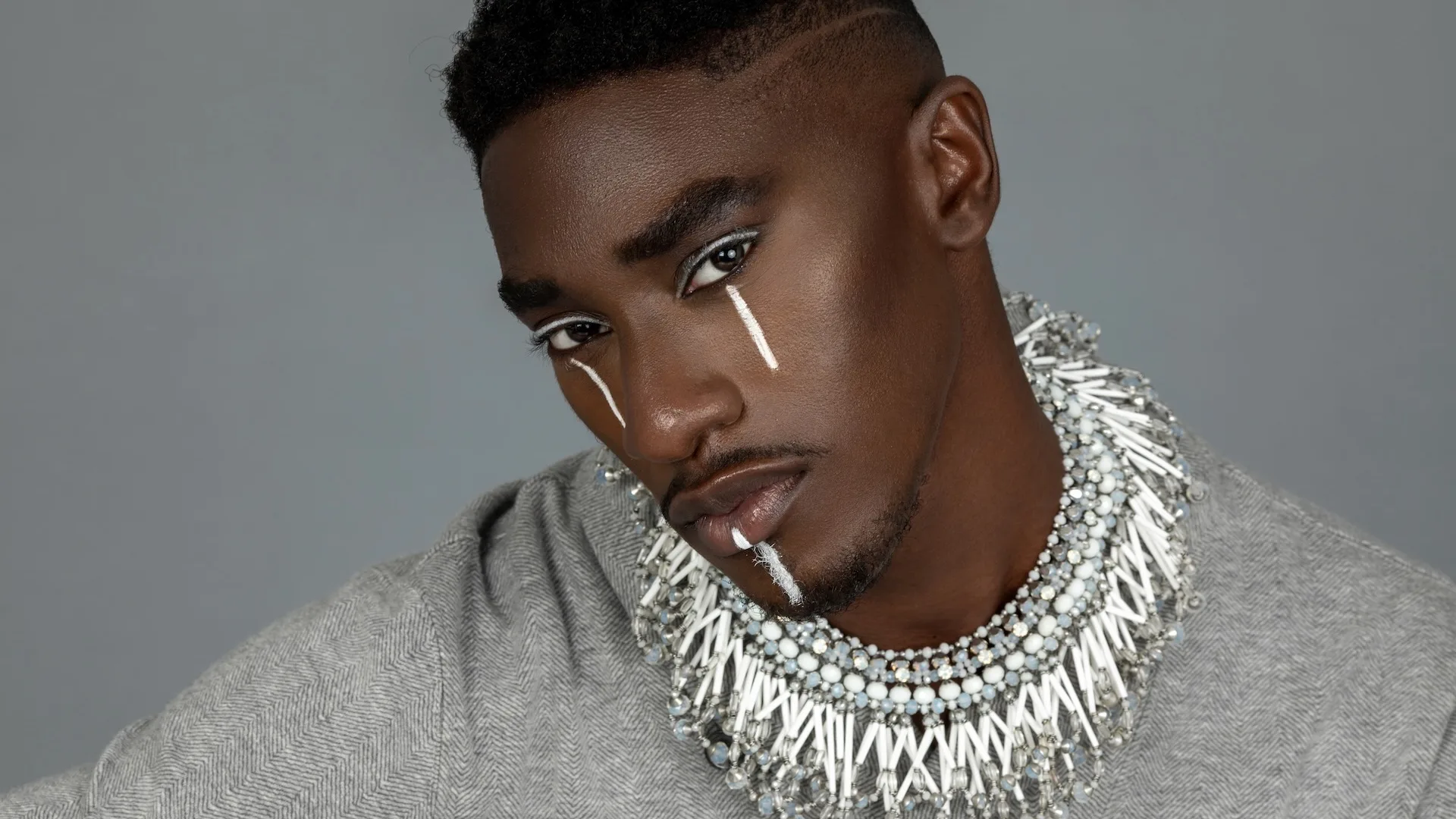
Beauty imagery can lose trust when retouching changes shade, texture or expected product results. The creative team should agree in advance on what must remain factually accurate and what can be treated stylistically. For campaigns marketed in the EU, cosmetic claims also need evidence and must follow the common criteria in Commission Regulation (EU) No 655/2013. This is a legal and brand-review responsibility, not a decision to make informally on set.
5. Design Meaningful Creative Variation
Variation should test a hypothesis. Changing only the crop may help placement compatibility, but it does not necessarily create a new message. Plan combinations such as product-only versus model-led, texture versus finished result, clinical clarity versus lifestyle emotion, benefit-led versus ingredient-led and demonstration versus aspiration.
Each variation should still belong to the same campaign system. The goal is controlled diversity: enough difference for testing and channel fit, with enough consistency to build memory.
6. Convert the Plan Into Production Controls
A workable pre-production package should include the approved brief, asset matrix, shot list, call sheet, crew responsibilities, product and shade inventory, prop and wardrobe plan, lighting references, releases, usage requirements, naming rules and an on-set approval process.
Assign a decision owner before the shoot. When several stakeholders can give conflicting feedback, the set loses time and the final campaign becomes inconsistent. Define who can approve composition, product accuracy, makeup, claims-sensitive details and final selects.
7. Plan Distribution and Measurement Before Capture
Decide how assets will be named, delivered, reviewed, tagged and distributed. Then connect each important asset family to a metric: product-page conversion, click-through rate, creative fatigue, email engagement, retailer adoption, content utilization or reshoot frequency.
Photography rarely deserves sole credit for revenue because offer, media, audience, pricing, landing-page quality and availability also affect results. Use campaign data to compare creative variables and improve the next brief, rather than claiming that one image “caused” total sales. The guide on measuring campaign performance provides the next step.
What Should a Cosmetic Campaign Shoot Deliver?
The correct quantity depends on the approved placements and testing plan, not the size label attached to the brand. A focused launch may need fewer final files than an always-on paid campaign, even when the production budget is larger.
- Hero assets: the clearest expressions of the campaign idea.
- Product proof: pack, texture, shade, application and result context.
- Placement variants: compositions intentionally framed for each priority channel.
- Message variants: materially different creative routes for testing.
- Sequence assets: details and supporting frames that build carousels, emails and launch stories.
- Motion: short clips or demonstrations when movement explains the product or improves channel fit.
A final asset count should be the consequence of this architecture. It should not be the starting point for pricing or production design.
How Should Beauty Brands Budget the Shoot?
Universal percentage breakdowns are misleading because two campaigns with the same total budget can have completely different cost structures. Casting, studio complexity, product preparation, specialist makeup, motion, post-production, travel, usage and market reach can each become the dominant cost.
Build the budget from the approved scope and separate production fees from usage rights. Include contingency for product delays, overtime, weather, additional retouching or late deliverable changes. The Campaign Budget Calculator can help structure the estimate without pretending there is one “typical” allocation for every beauty brand.
Common Planning Mistakes That Reduce Campaign Value
- Starting with a mood board: the visual direction is chosen before the business problem is clear.
- Briefing by image count: deliverables are purchased without defining what each asset must do.
- Adding formats after the shoot: vertical and copy-space needs are treated as cropping problems.
- Confusing variation with volume: many near-identical files leave paid and social teams with little to test.
- Ignoring product truth: color, shade, texture or results become unreliable through lighting or retouching.
- Leaving licensing until delivery: the brand discovers that planned ads, retailers or markets are outside the agreed rights.
- Measuring too broadly: total revenue is attributed to photography without controlling for the offer, audience or media.
Real-World Beauty Production Examples

Review Ice Cream Sunscreen Dream for a high-key beauty concept built through shot-list discipline, or see the Zalando Beauty production example and this multi-channel beauty product photography case study for different applications of campaign planning.
How Often Should Beauty Brands Produce Campaign Content?
Company size is a poor scheduling rule. Production frequency should follow the launch calendar, paid-media testing cadence, retailer requirements, seasonal changes and the usable life of the existing library.
A brand with one major annual launch may need one larger campaign plus smaller refreshes. A brand releasing products frequently or running continuous advertising may need an ongoing content partnership. If the marketing calendar repeatedly outruns the asset library, review how to scale beauty content production without fragmenting the brand.
Frequently Asked Questions
What should be approved before a cosmetic campaign shoot?
Approve the objective, audience, product promise, priority channels, asset matrix, creative direction, shot list, claims-sensitive details, usage rights, budget, schedule and decision owners before production.
How many final images should a beauty campaign include?
There is no reliable universal number. The deliverable count should follow the number of placements, content families, products, orientations and meaningful test variants the campaign must support.
What is the difference between cosmetic campaign photography and product photography?
Product photography primarily helps customers evaluate the item. Cosmetic campaign photography connects the product to a positioning, promise and audience across a wider marketing system. Most launches need both functions, even when they are produced together.
When should paid-media usage be discussed?
Before estimating and production. Channel, territory, duration, spend scale and exclusivity can affect licensing, deliverables, casting and the required creative variation.
How do you measure whether the campaign worked?
Match each asset family to its intended outcome, establish a baseline and compare meaningful creative variables. Evaluate both marketing results and operational measures such as utilization, missing formats and reshoot frequency.
Turn the Brief Into a Campaign-Ready Production
Strong cosmetic campaign shoot planning gives creative ambition a commercial structure. It helps beauty brands protect product credibility, cover real channel requirements and create an asset system that marketing teams can actually use.
If your team is preparing a launch or unsure whether the current brief covers every placement, book a Free Visual Audit. It is a focused working session to identify content gaps, usage questions and production risks before they become expensive changes on set.