
Lifestyle vs studio photography is not simply a choice between a natural location and a seamless backdrop. For a fashion, beauty, or lifestyle brand, the decision affects how customers understand the product, how consistently a team can produce assets, and where those images will perform best. Lifestyle photography creates context, emotion, and aspiration. Studio photography creates control, clarity, and repeatability. Therefore, the right approach begins with the commercial job each image must do.
This guide compares both methods across brand storytelling, ecommerce, advertising, production, and budget. It also explains when a hybrid shoot creates more value than choosing only one format.
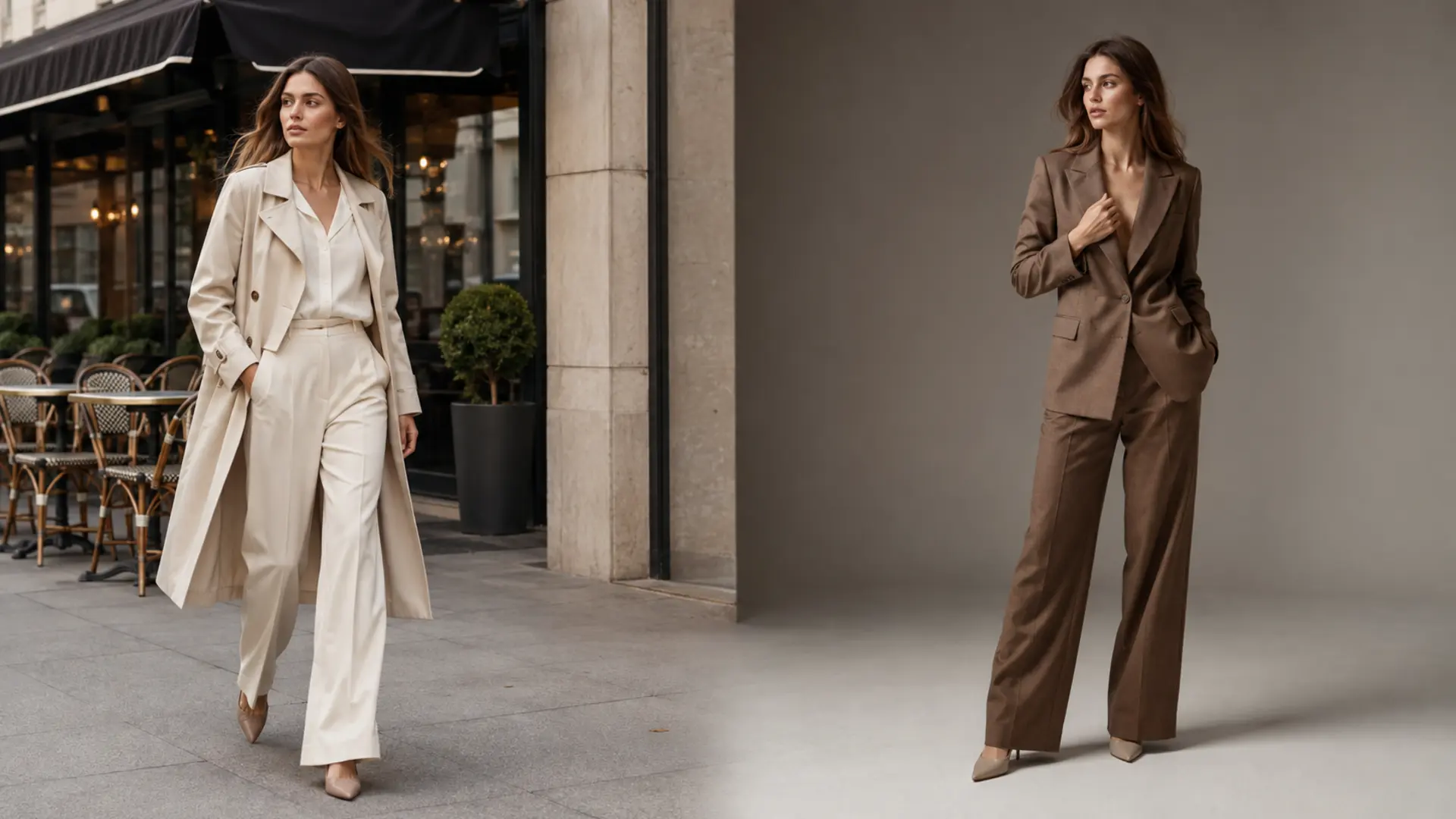
What is the difference between lifestyle and studio photography?
Lifestyle photography places a product, service, or person in a believable environment. That setting might be a city street, a home, a hotel, a workplace, or an outdoor location. Although the scene is planned, the final image should feel observed rather than rigidly constructed. As a result, customers can imagine how the product fits into their lives.
Studio photography, by contrast, is created in a controlled environment. The photographer can shape the light, background, color, reflections, and camera position with precision. Consequently, the product becomes the main visual subject, without a location competing for attention.
The practical distinction is straightforward: lifestyle brand photography answers, “What does this product mean in someone’s life?” Meanwhile, studio product photography answers, “What exactly am I buying?”
Lifestyle vs studio photography at a glance
| Decision factor | Lifestyle photography | Studio photography |
|---|---|---|
| Primary strength | Emotion, context, and aspiration | Control, clarity, and consistency |
| Best uses | Campaigns, social media, editorials, landing pages | Product pages, catalogs, marketplaces, lookbooks |
| Background | Real or styled environment | Seamless or constructed set |
| Lighting | Natural or mixed, with more variation | Fully shaped and repeatable |
| Product consistency | Moderate | High |
| Emotional storytelling | High | Moderate, depending on art direction |
| Weather risk | Possible on location | Minimal |
| Scaling across many SKUs | More complex | More efficient |
Neither column is inherently better. Instead, each supports a different stage of the customer journey. A strong fashion marketing funnel often uses lifestyle imagery to create attention and desire, then uses studio imagery to reduce uncertainty before purchase.
When lifestyle photography is the stronger choice
If this is the right format for your campaign, explore my lifestyle brand photography service for fashion, beauty and product brands.
Lifestyle photography is usually the stronger choice when the brand needs customers to feel something before they evaluate product details. Because the environment carries meaning, the image can communicate identity, occasion, season, and social context within a single frame.
1. You need to build a recognizable brand world
A location gives the product a point of view. For example, a tailored coat photographed on a quiet architectural street suggests a different customer than the same coat photographed at a crowded music venue. Therefore, location, casting, styling, and movement should support the positioning rather than merely decorate the frame.
This is where on-location brand photography becomes strategic. It can turn product attributes into a lived narrative. However, an attractive location alone does not create brand meaning. The visual choices must remain consistent with the audience, price point, and campaign message.
2. You want customers to imagine product use
Context reduces the mental effort required to understand a product. A bag shown while commuting communicates scale and function. A beauty product shown during a morning routine communicates use and mood. Similarly, activewear shown during credible movement can communicate fit in a way a static pose cannot.
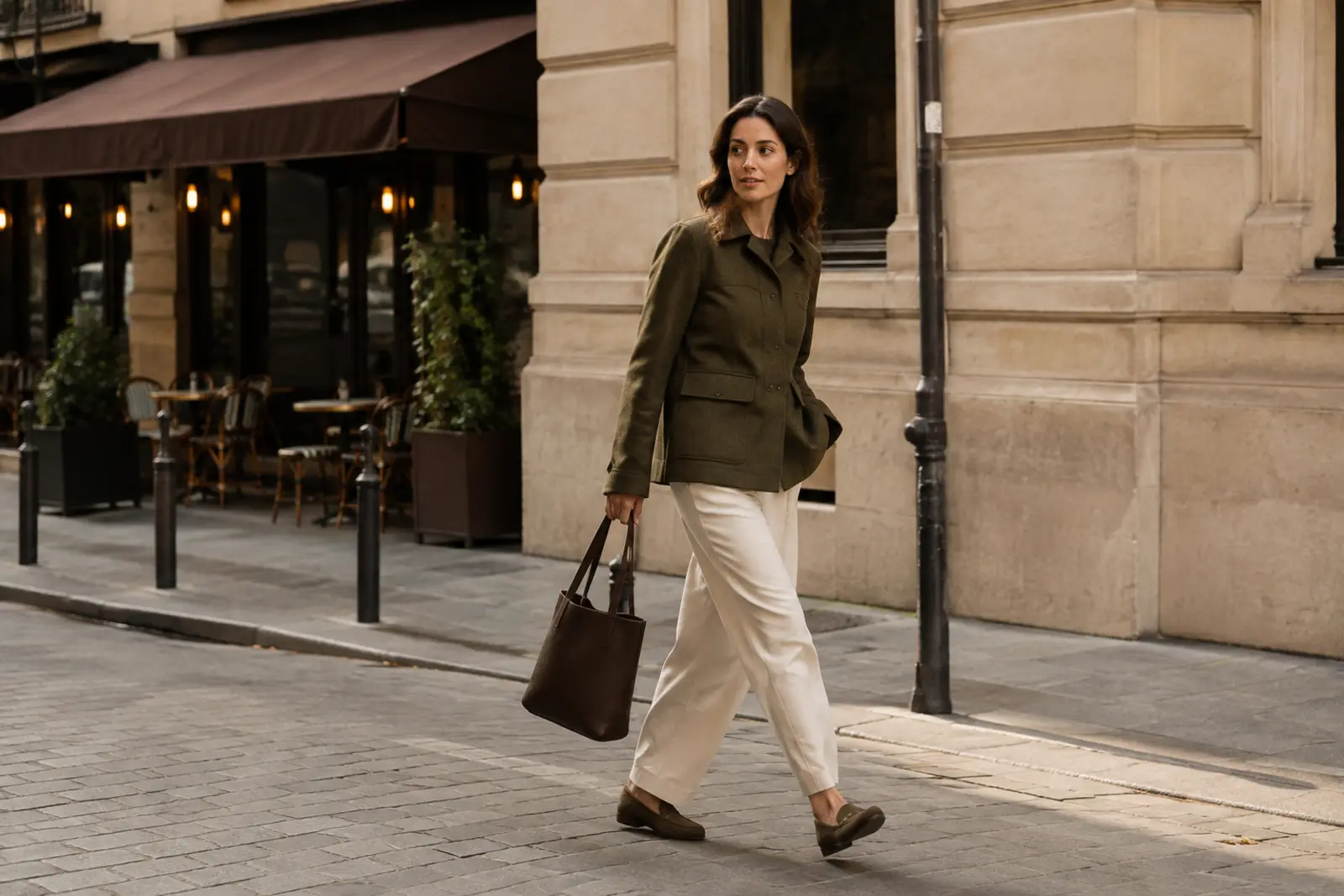
3. You need campaign and social assets
Lifestyle images are well suited to campaign landing pages, paid social, organic content, email headers, press materials, and editorial features. Moreover, one thoughtfully planned scene can produce wide, vertical, and close-up variations. A detailed fashion campaign timeline helps teams plan those formats before production instead of cropping one hero image into every placement afterward.
4. Your competitive advantage is emotional
If several brands sell products with similar specifications, the brand world may become the differentiator. Lifestyle photography can express taste, belonging, confidence, or ease. Nevertheless, emotion should not replace product visibility. Customers still need to see the cut, finish, fit or texture clearly enough to trust what they are buying.
When studio photography is the stronger choice
Studio photography is usually stronger when clarity, repeatability, and efficient asset production matter most. Since the environment is controlled, a team can maintain consistent framing and lighting across colors, sizes, product categories or seasonal releases.
1. Product detail must be unmistakable
For ecommerce, the image must answer practical questions quickly. Customers want to understand shape, proportion, color, construction and finish. Therefore, studio product photography is ideal for front, back, side, detail, flat-lay and on-model views. It is also easier to match images across an entire collection.
For a complete production framework, use the ecommerce photography checklist. In addition, the product page image guide explains how to sequence images around customer questions rather than arbitrary shot counts.
2. Color and texture need controlled rendering
Controlled lighting allows the photographer to reveal texture without introducing unwanted color casts. Furthermore, the setup can be documented and repeated when new products arrive. That consistency is especially valuable for fashion collections, beauty packaging, accessories and products with reflective surfaces.
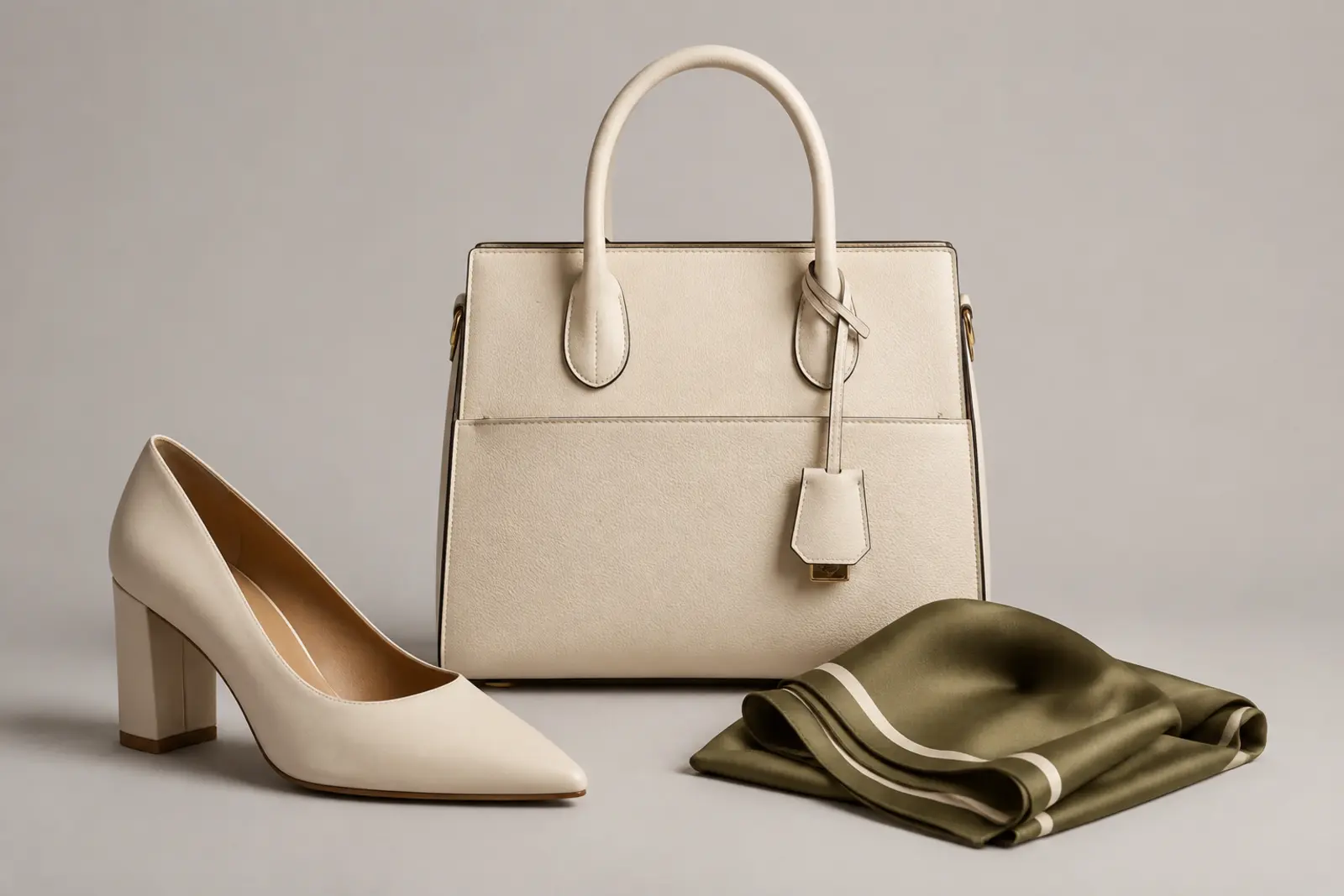
3. You need a scalable image system
A defined studio setup can shorten decision-making during production. Once framing, light, posing and background are approved, the team can move through products efficiently. As a result, studio photography often becomes the foundation of commercial photography for brands with large or frequently changing inventories.
However, efficiency depends on preparation. Samples must arrive ready, shot lists must map to channels and naming conventions must be established. Otherwise, a controlled studio can still produce an inconsistent library. The fashion ecommerce images guide covers this system-level approach in more detail.
4. The campaign needs graphic precision
Studio does not have to mean plain or clinical. With set design, lighting, color, movement and composition, studio imagery can feel cinematic, sculptural or energetic. Crucially, the team retains control over every element. That makes studio production useful when a campaign must align closely with a layout, packaging palette or paid-ad template.
Lifestyle vs studio photography for ecommerce
For most ecommerce brands, the strongest answer is not one format alone. Studio images should usually carry the informational burden, while lifestyle images add relevance and desire.
A practical product-page sequence may include:
- Primary studio image: a clean, immediate view of the product.
- Alternate studio angles: front, back, side, and construction details.
- On-model or scale image: clear proportion and fit.
- Lifestyle image: product use, setting, and emotional context.
- Detail or benefit image: material, closure, texture, or function.
This sequence follows how customers evaluate risk. First, they identify the product. Next, they inspect it. Then, they imagine owning it. Therefore, the real question is not whether lifestyle or studio imagery converts better in every case. The better question is which uncertainty each image removes at its specific placement.
Lifestyle vs studio photography for advertising
Advertising requires a sharper distinction between attention and information. Lifestyle photography often earns attention because it contains movement, environment, and human relevance. Studio photography, meanwhile, can make the offer or product easier to recognize within a fast-moving feed.
For prospecting campaigns, a strong lifestyle frame may introduce the brand world. For retargeting, a clean studio or on-model image may reinforce the exact product someone viewed. However, creative performance depends on the audience, message, placement and offer. Therefore, brands should test purposeful variations rather than declare one photographic style the universal winner.
Before production, define the success metric for each asset. The fashion marketing KPIs guide helps connect image decisions with measurable campaign outcomes.
How production and budget differ
It is tempting to assume that studio photography always costs less. Yet the actual budget depends on the concept, crew, set, talent, usage, product volume and deliverables. Likewise, a simple location shoot may be efficient, while a complex lifestyle campaign can require permits, transport, weather contingencies and multiple company moves.
Lifestyle photography budget factors
- Location fees, permits, access, and parking
- Weather, season, and available daylight
- Travel, transport, and time between scenes
- Location scouting and backup options
- Environmental styling and practical constraints
Studio photography budget factors
- Studio hire and equipment
- Set construction, surfaces, props, or backdrop systems
- Lighting complexity and technical crew
- Product preparation, steaming, styling, and rigging
- Number of products, angles, and output specifications
Instead of comparing day rates alone, compare usable asset value. A lower-cost shoot is not efficient if it misses required crops, product details or advertising formats. Conversely, an expensive campaign is not automatically valuable if its images cannot be deployed across the marketing plan. The fashion marketing checklist helps align production with the larger launch.
When a hybrid shoot creates the most value
A hybrid production combines controlled studio assets with lifestyle or styled-environment images. For many brands, this is the most useful response to lifestyle vs studio photography because the two formats solve different problems.
For example, the team might photograph consistent ecommerce views against a seamless background in the morning. Afterward, it can move the same model and products into a styled set or nearby location for campaign, social and email assets. Consequently, casting, styling, hair, makeup and production costs support a broader content library.
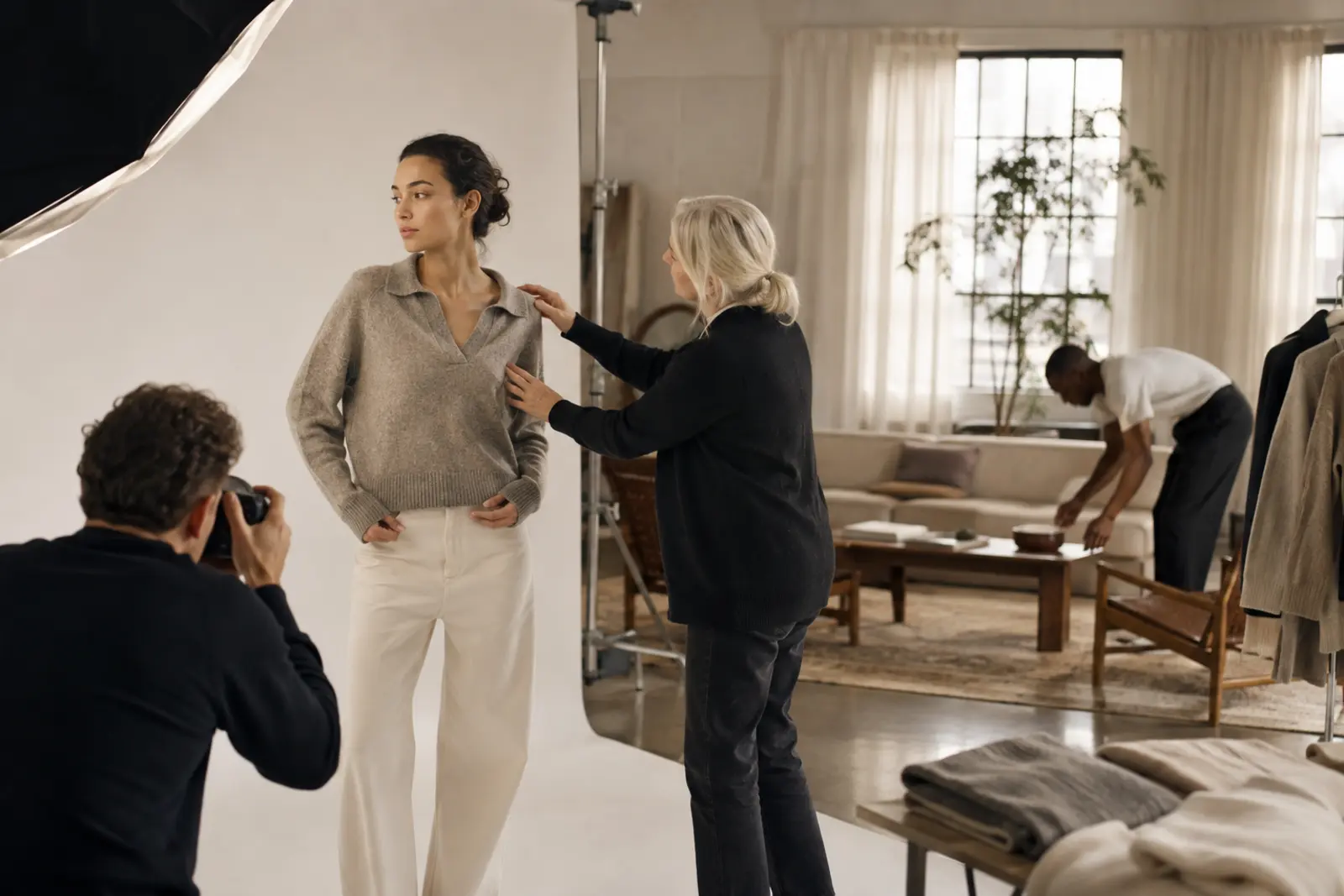
However, a hybrid shoot only works when the shot list protects the essential assets first. Changing sets, lighting and performance styles takes time. Therefore, the production plan should separate must-have product views from campaign variations. A fashion brand content strategy can then assign each asset to a channel, funnel stage and publication date.
How to choose between lifestyle and studio photography
Use the following questions before approving a concept:
What must the customer understand?
If the answer involves fit, shape, color, or construction, prioritize studio clarity. If the answer involves identity, occasion or experience, prioritize lifestyle context.
Where will the images appear?
Product pages, catalogs, and marketplaces usually need repeatable studio assets. Campaign pages, social media, email and editorial placements often benefit from lifestyle storytelling. Nevertheless, each channel may require both.
How many products must be photographed?
A large SKU count favors a repeatable studio system. A focused hero collection may justify more elaborate on-location brand photography. Therefore, separate core products from supporting products before allocating production time.
What visual gap exists in the current library?
A brand with polished product images may not need more white-background variations. Instead, it may need human context. Conversely, a brand with abundant social content may still lose sales because its product pages lack consistent details. Audit the existing library before commissioning more of what already exists.
How long must the assets remain useful?
Studio images on neutral backgrounds often remain usable for longer. Lifestyle images can be more distinctive, although locations, trends and seasonal cues may shorten their relevance. Consequently, an evergreen content system often combines timeless foundational images with more expressive campaign layers.
Common mistakes brands make
Choosing a style before defining the objective
A moodboard can make an approach look compelling but it cannot determine whether the images answer the customer’s questions. First define the asset’s job. Then choose the photographic language. Learn about strategic mood boards.
Using lifestyle images as a substitute for product coverage
Atmosphere does not replace information. If a garment is always moving, partially hidden or heavily shadowed, the customer may not understand it. Therefore, balance expressive frames with clear views.
Making studio images visually interchangeable
Control should not erase identity. Art direction, casting, posing, crop, lighting and color can still express a brand position. Otherwise, technically competent images may look identical to a competitor’s.
Ignoring format and crop requirements
A beautiful horizontal image may fail in a vertical paid-social placement. Similarly, a tightly cropped portrait may leave no room for a headline. Plan aspect ratios and safe areas during preproduction. The fashion marketing campaign guide explains how creative planning connects to deployment.
Final verdict: lifestyle vs studio photography
Lifestyle vs studio photography is ultimately a question of communication. Lifestyle imagery is strongest when a brand must build desire, context and emotional relevance. Studio imagery is strongest when a brand must deliver product clarity, consistency and scalable coverage.
For many fashion, beauty, and lifestyle brands, the highest-value solution is a planned combination. Studio assets create the dependable commercial foundation. Meanwhile, lifestyle assets give the brand a world customers want to enter. When both are connected to the same strategy, the result is not just a collection of attractive photographs. It is a visual system built to move customers from attention to confidence and, finally, action.
Frequently asked questions
Is lifestyle photography more expensive than studio photography?
Not always. Lifestyle costs may include locations, permits, travel and weather contingencies. Studio costs may include equipment, sets, specialist crew and complex lighting. Therefore, scope and deliverables matter more than the label.
Which type of photography is better for ecommerce?
Studio photography is usually the foundation because it provides consistent product information. However, lifestyle images can improve context, scale and emotional relevance. Most product pages benefit from both.
Can studio photography still feel natural?
Yes. Natural performance, softer lighting, thoughtful set design and less rigid posing can create an authentic studio image while preserving production control.
Can one photoshoot produce lifestyle and studio images?
Yes. A hybrid shoot can produce both, provided that the schedule, sets, lighting changes, formats and must-have images are planned before production.
How many images should a brand plan?
The number should follow channel needs, product count, campaign duration and formats. Start with an asset matrix rather than a generic shot count so that every image has a defined use.